Paper is often seen as a silent carrier — a surface for ideas, images, and words. With Fascination Paper (orig. DE Faszination Papier), the ALBERTINA turns this perception inside out. On the occasion of its 250th anniversary, the museum dedicates a major exhibition to paper itself: its materiality, its versatility, and its extraordinary expressive range across six centuries of art history.
Drawing exclusively from the ALBERTINA’s own holdings — one of the world’s most significant collections of works on paper — the exhibition brings together around 140 works that reveal paper as an active, tactile, and spatial medium. From delicate drawings and prints to sculptural, folded, cut, and embossed works, Fascination Paper invites visitors to rediscover a material that has shaped artistic expression for nearly 2,000 years.
Paper as Material, Not Just Medium
Invented in China almost two millennia ago, paper has long been more than a two-dimensional support. It can be cut, torn, folded, layered, pressed, perforated, and expanded into space. Fascination Paper places this material intelligence at the center, opening a dialogue between historical masterpieces and contemporary positions.
Arranged as a ten-part parcours, the exhibition moves fluidly across epochs and techniques, allowing rare and newly discovered works to encounter well-known icons. The result is not a chronological survey, but a material conversation — one that highlights paper’s visual, haptic, and structural possibilities.
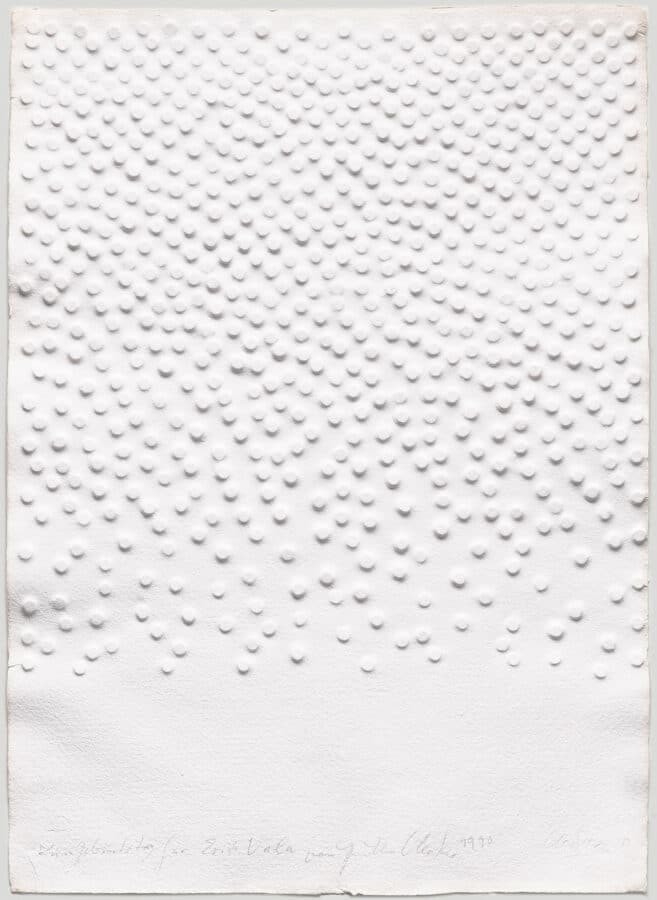
Günther Uecker: Untitled, 1989
69 × 50 cm, embossed print (ALBERTINA, Vienna / Image Rights, Vienna 2025)
Cut, Embossed, Expanded
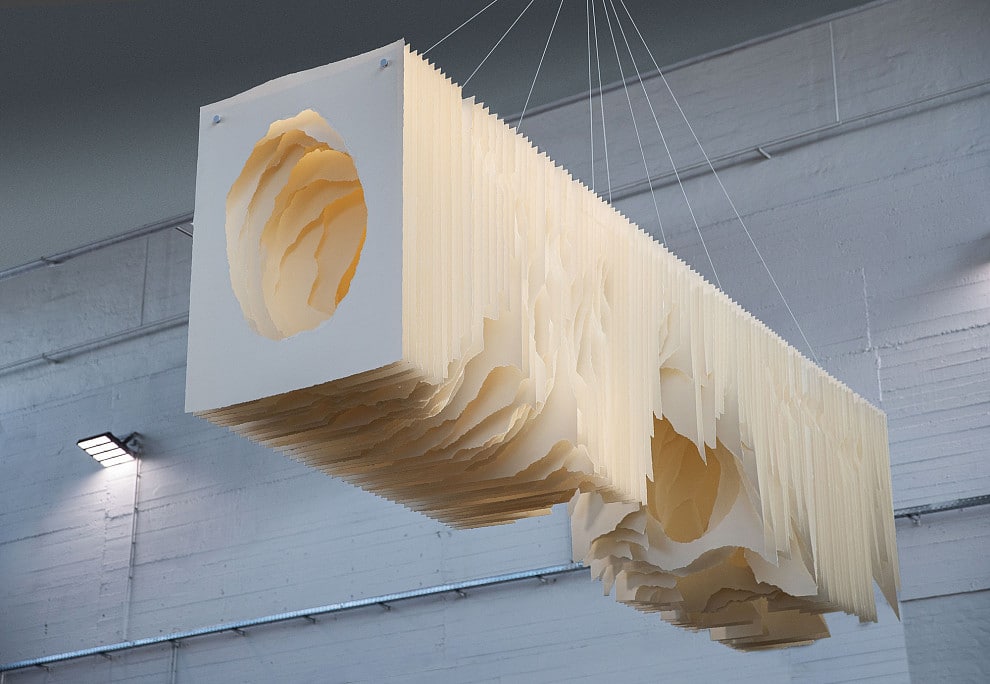
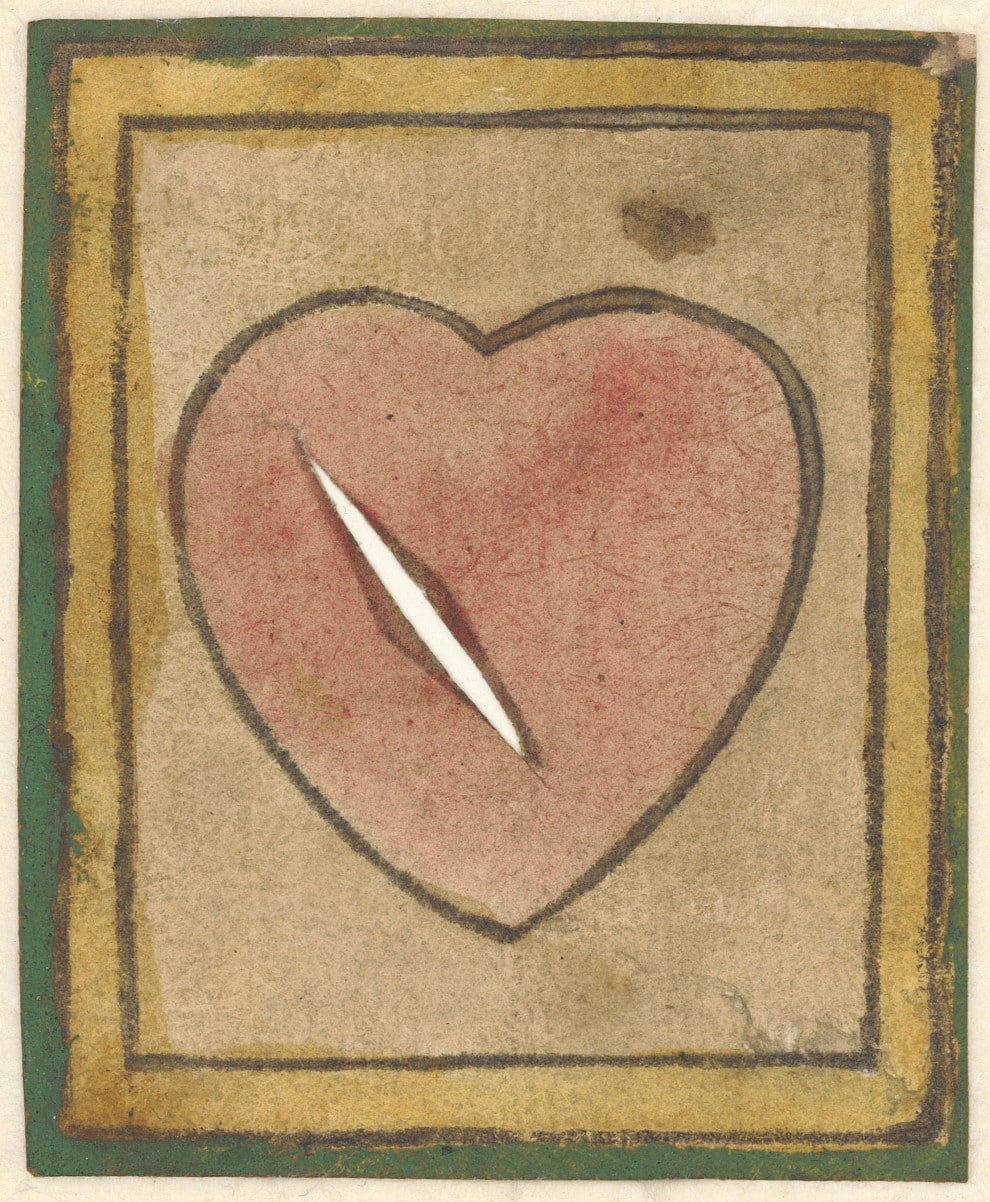
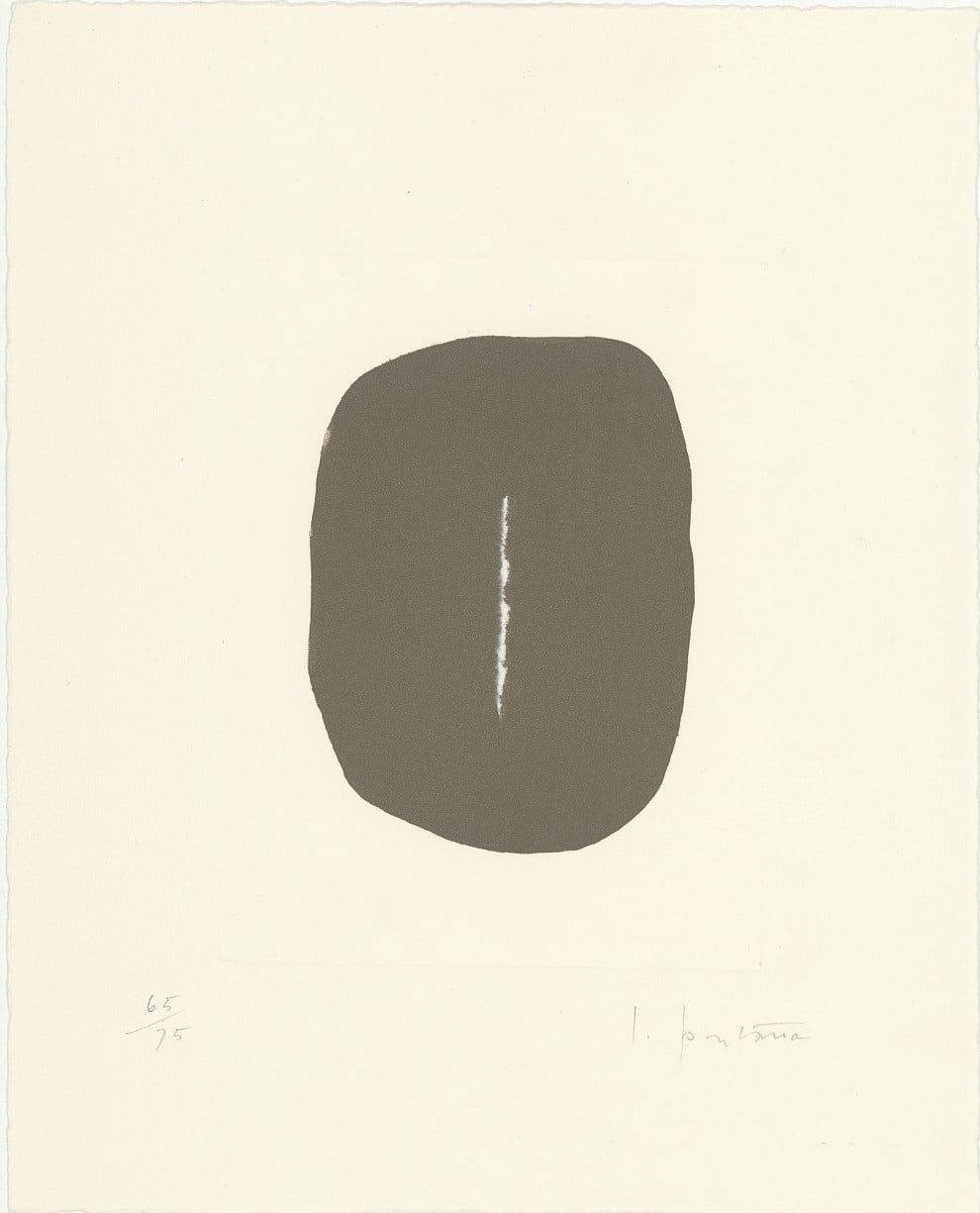
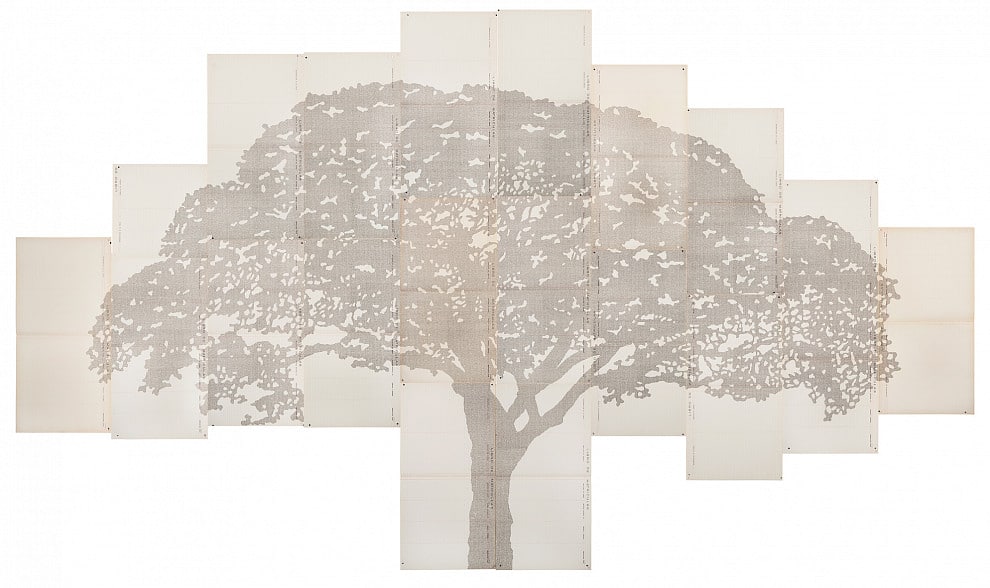
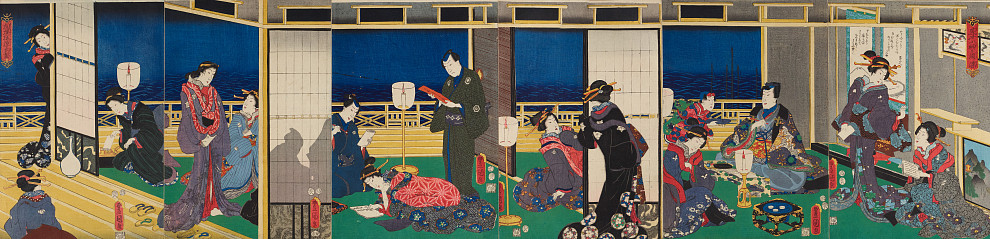
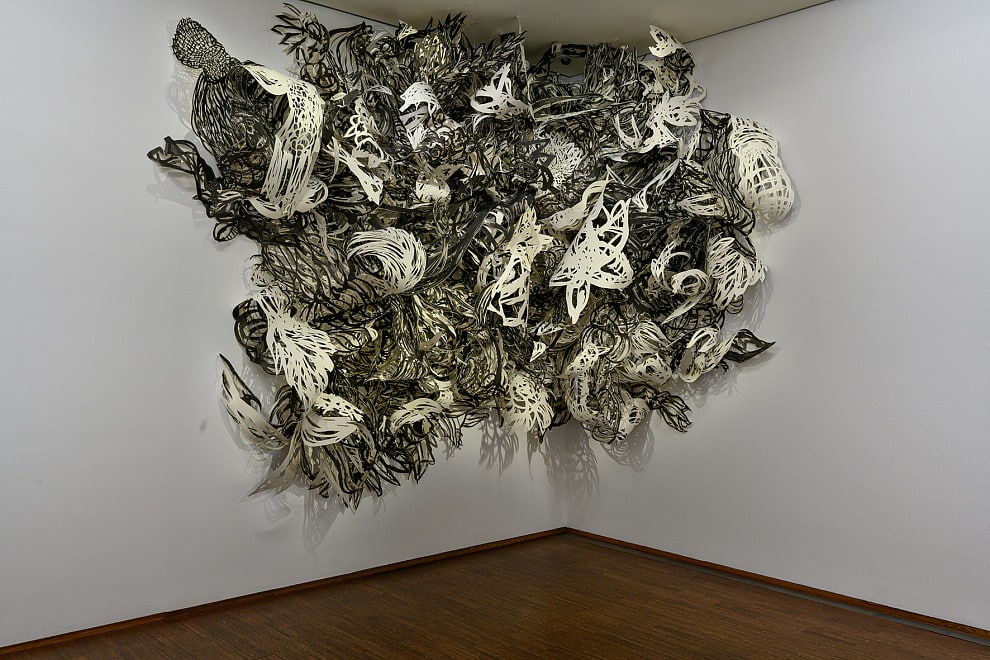
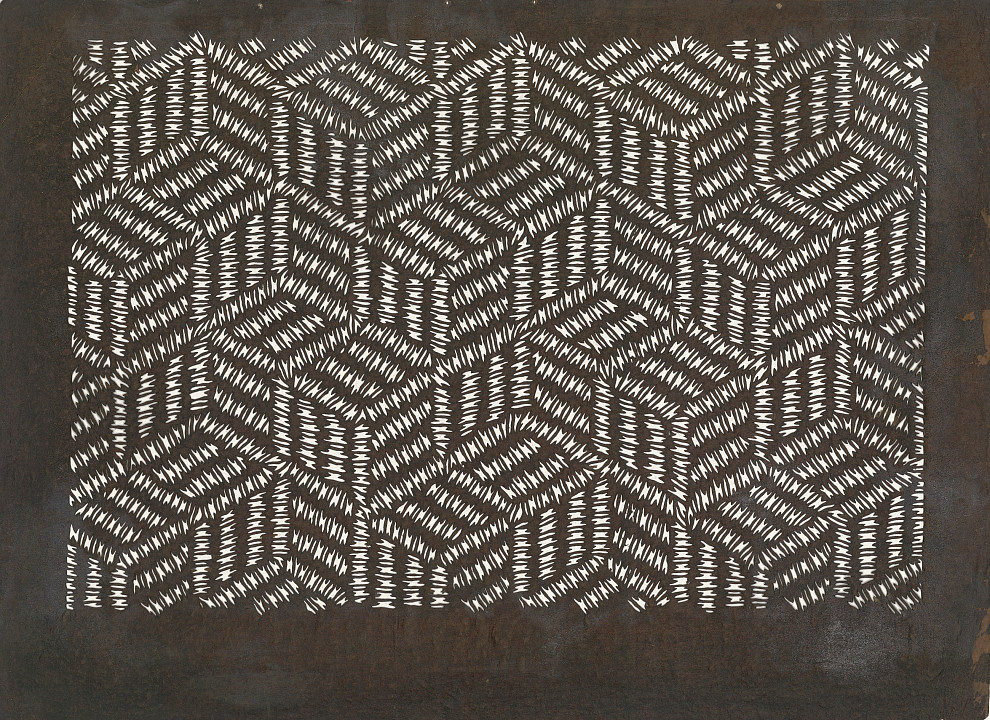
The exhibition begins with the act of cutting. From late medieval devotional images to Lucio Fontana’s radical slashes, the cut transforms paper into a physical, almost bodily presence. Japanese katagami dye stencils enter into dialogue with European paper cuts, while contemporary works by Birgit Knoechl push the technique into bold, three-dimensional form.
In the chapter dedicated to embossing and impression, pressure becomes image. From late medieval Schrotschnitte to works by Hans Bischoffshausen, Lucio Fontana, Günther Uecker, Sol LeWitt, and Alena Kučerová, paper is shaped by force, texture, and rhythm, resulting in relief-like surfaces that oscillate between drawing and sculpture.
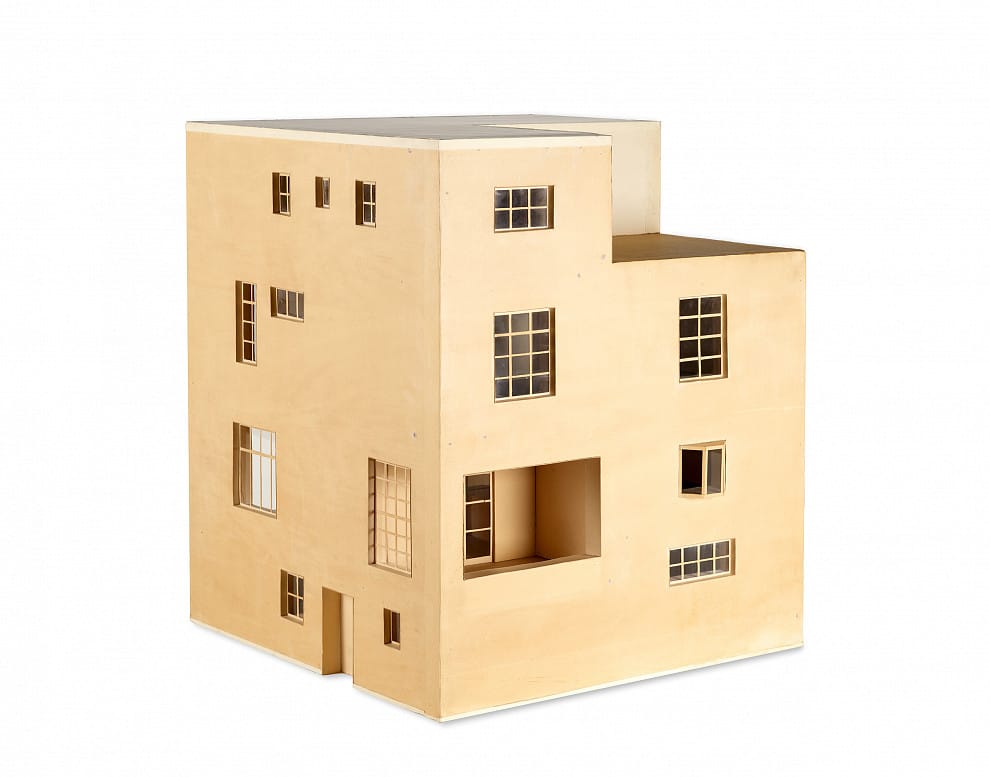
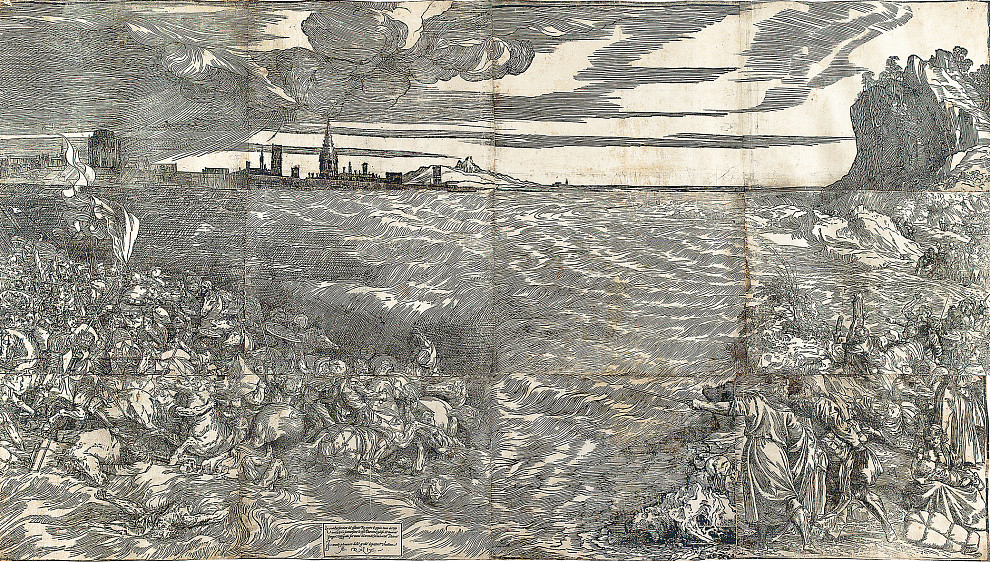
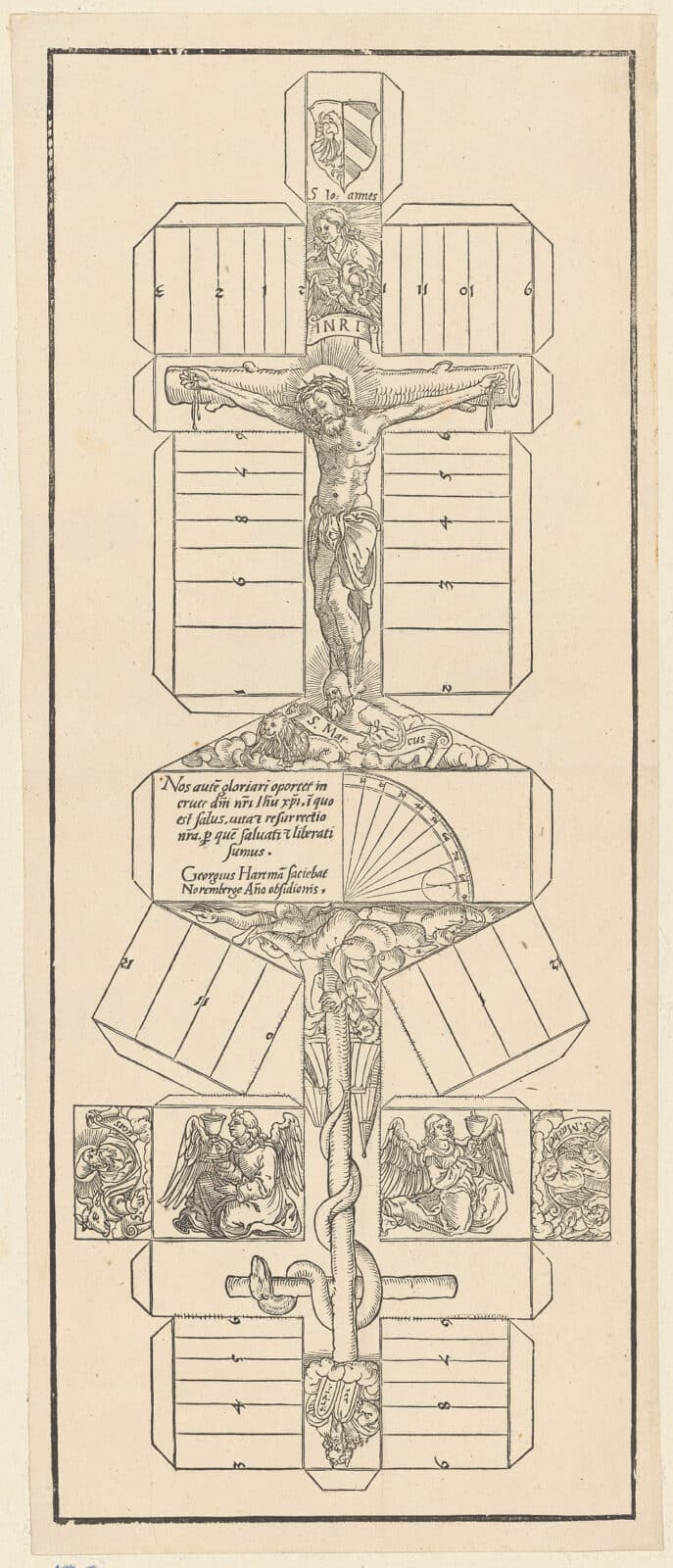
Unfolding in Space explores paper beyond the page, presenting monumental, multi-sheet prints by Dürer, Altdorfer, and Titian alongside rare three-dimensional works. From Adolf Loos’ original studio model to newly rediscovered paper model sheets by Georg Hartmann — delicate templates for astrolabes, sundials, and globes — this chapter reveals paper as a medium that expands, structures space, and carries knowledge in surprisingly light and poetic forms.
Mapping the World, Imagining the Cosmos
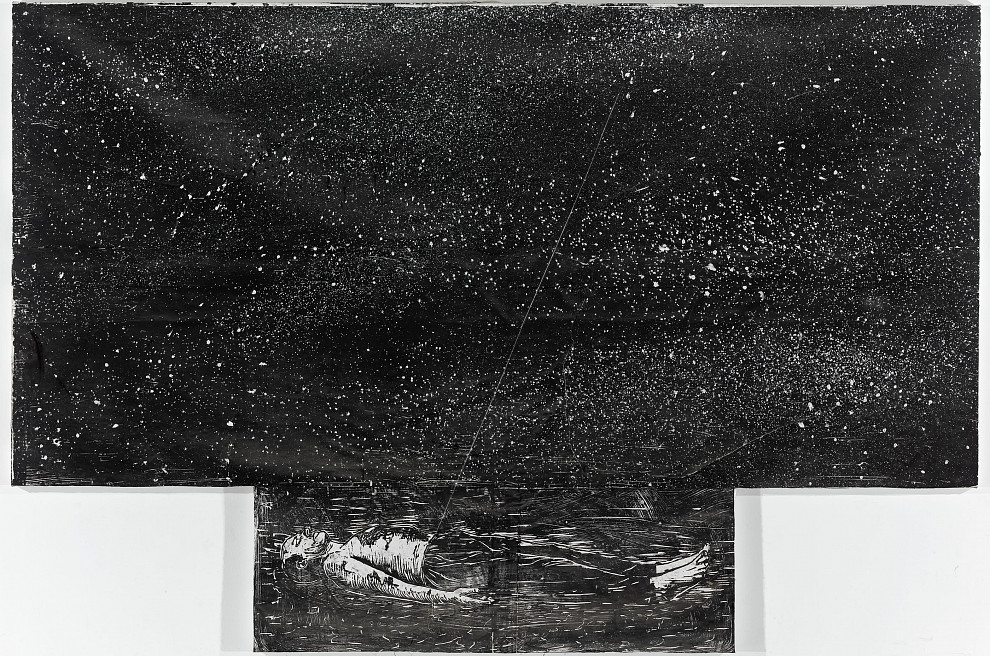
Maps, globes, and celestial charts trace humanity’s enduring desire to understand both the world and the universe. From Albrecht Dürer’s star maps to Anselm Kiefer’s cosmic reflections, cartography and astronomy merge with artistic imagination, positioning paper as a tool for knowledge, speculation, and wonder.
Perception, Identity, and Movement
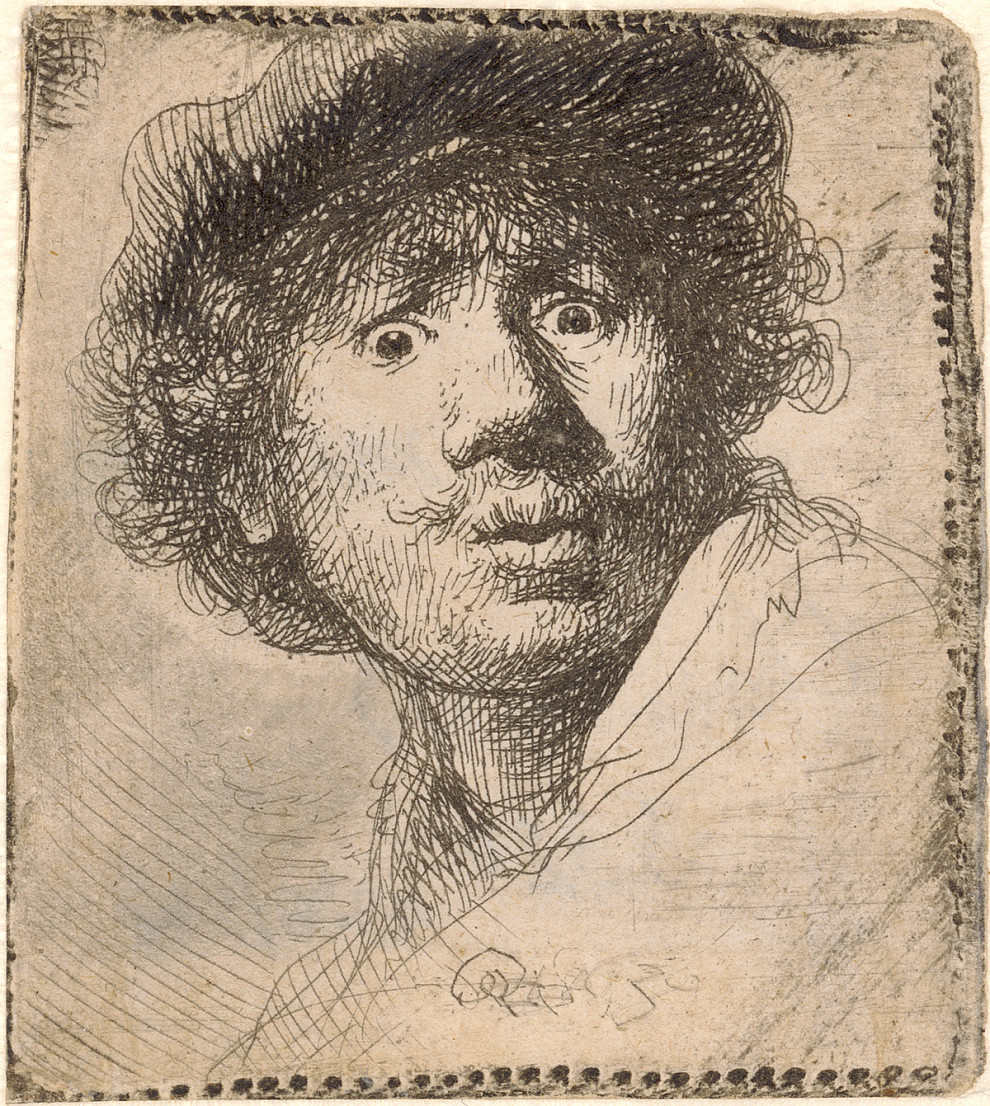
Other chapters challenge perception and explore identity. Optical illusions, typographic images, self-portraits, and interactive works invite slow looking and participation. Folded images, rotating discs, zoetropes, and wearable paper objects activate the material, reminding us that paper can move — and move us — through play, interaction, and transformation.
A Catalogue That Continues the Experience
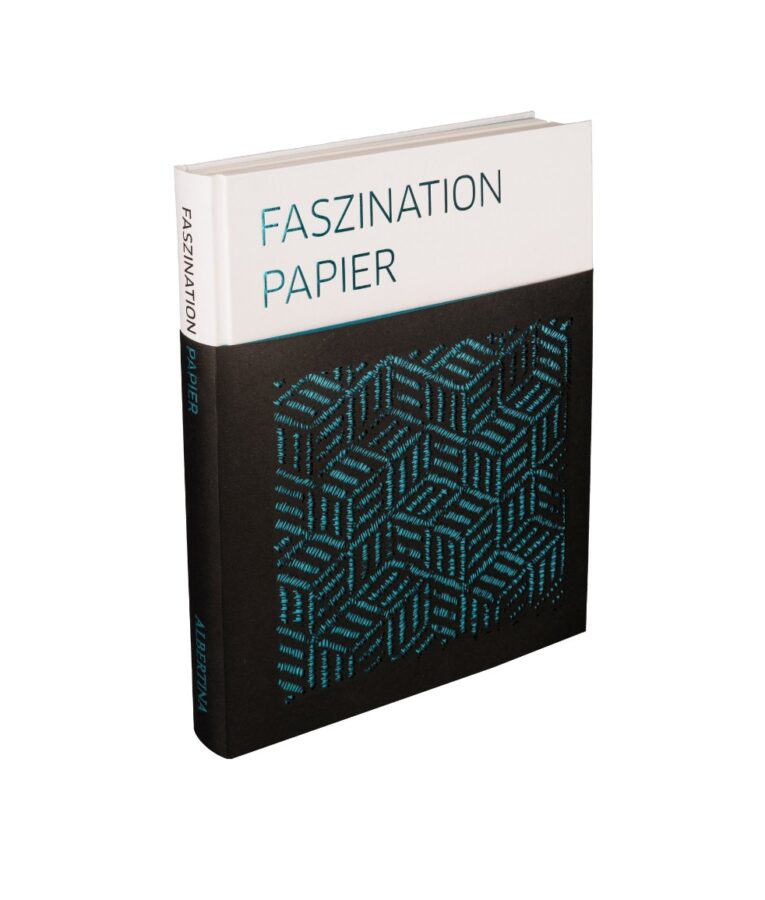
The accompanying 260-page catalogue (available both in German and English) mirrors the exhibition’s structure and ambition. Designed as an object in its own right, it features fold-out pages, rotating elements, laser-cut reproductions, and interactive inserts. More than documentation, the catalogue extends the exhibition’s core idea: paper as an expressive, experimental material.
The publication is realized on a carefully curated selection of design papers, including GardaPat 13 Kiara 135 g/m², GardaBook 100 g/m², Koehler Eco® Black Lava 120 & 160 g/m², and Glama Basic 150 g/m². The laser-cut black paper cover references 19th-century Japanese katagami stencils — a quiet but powerful material echo of the exhibition itself.
Why This Exhibition Matters
Fascination Paper is not only a celebration of the ALBERTINA’s collection, but a reminder of paper’s enduring relevance. In a digital age, the exhibition highlights the material’s capacity for intimacy, experimentation, and physical presence. Paper is not passive. It reacts, resists, records, and transforms.
This exhibition shows just how much remains possible — with, on, and through paper.