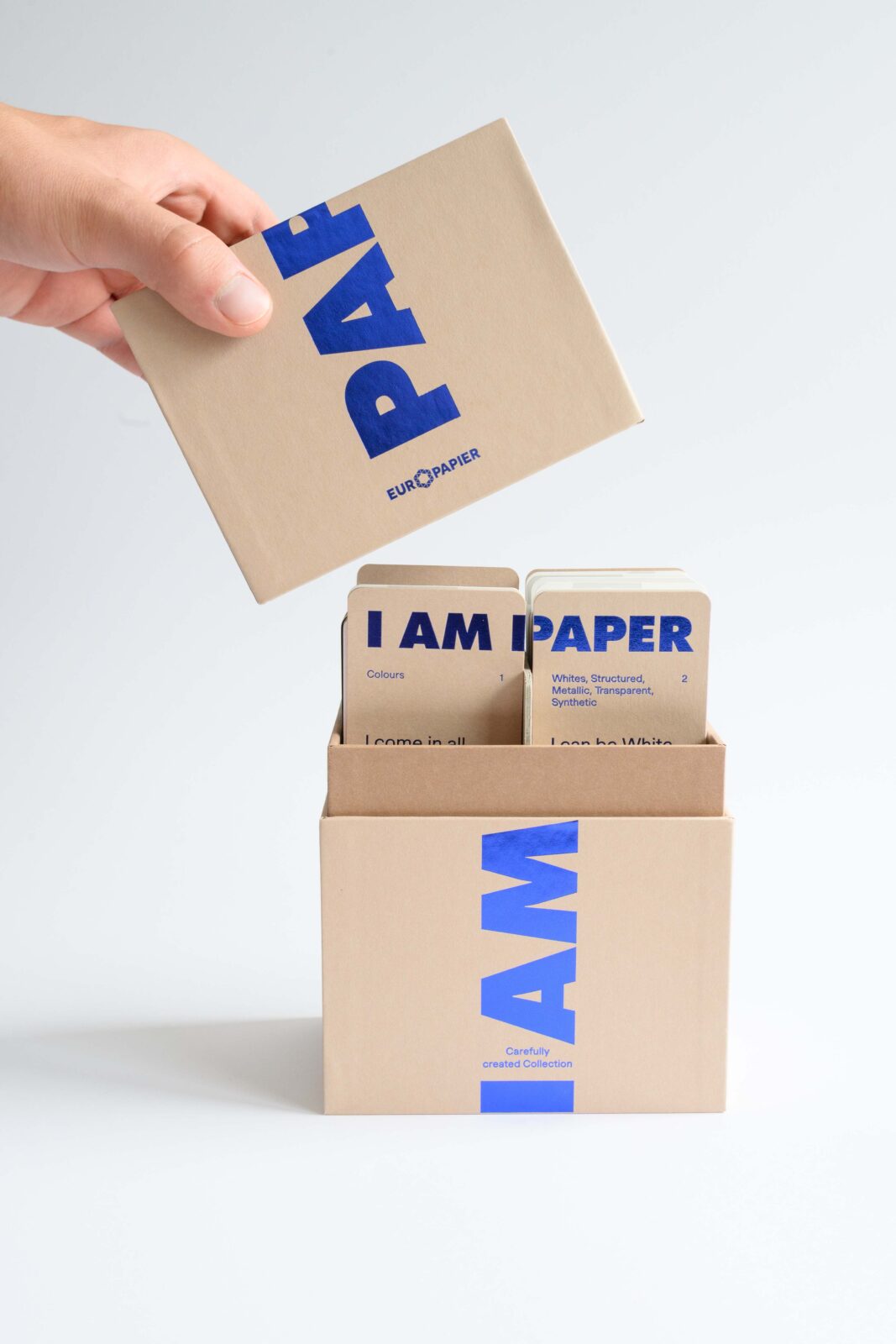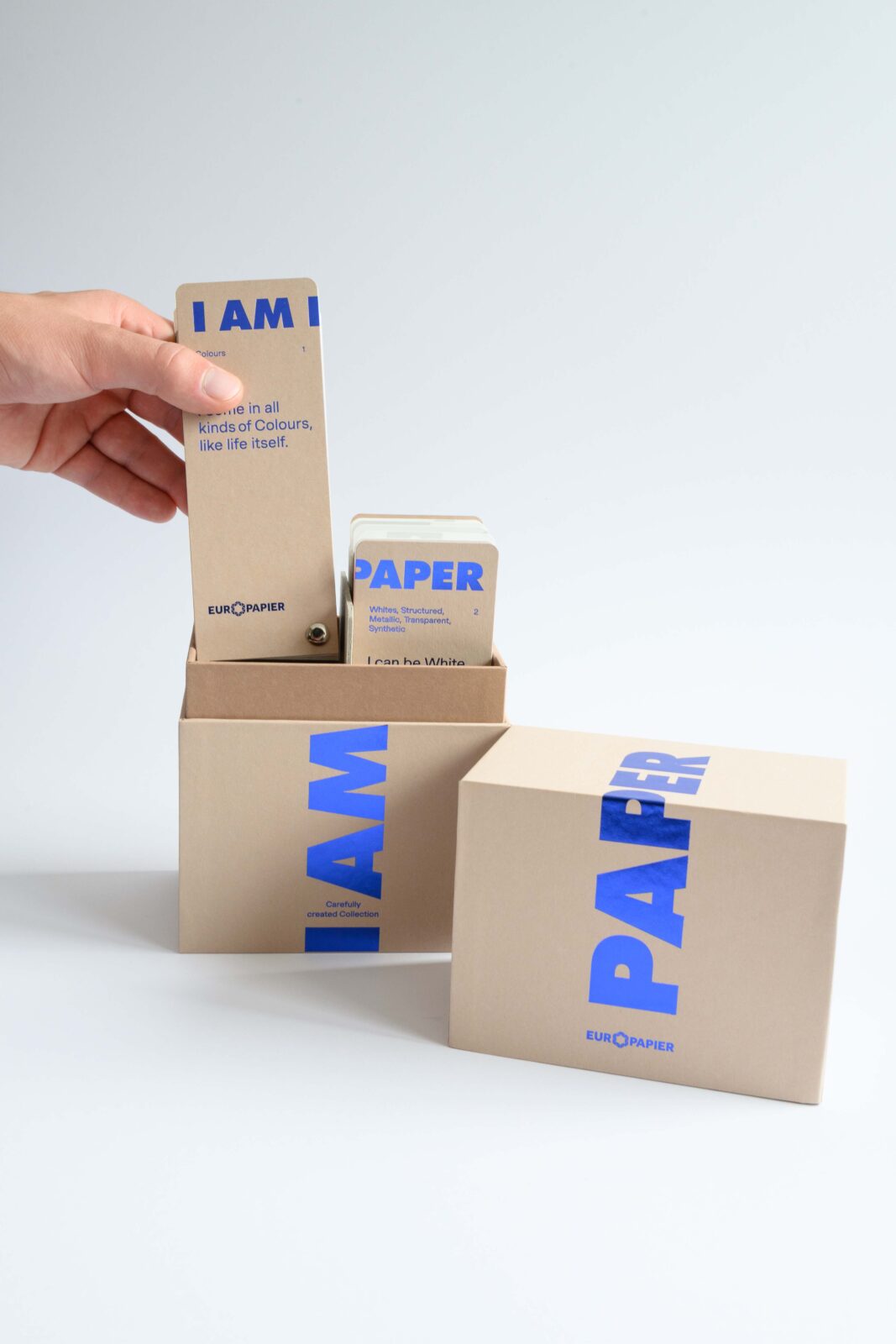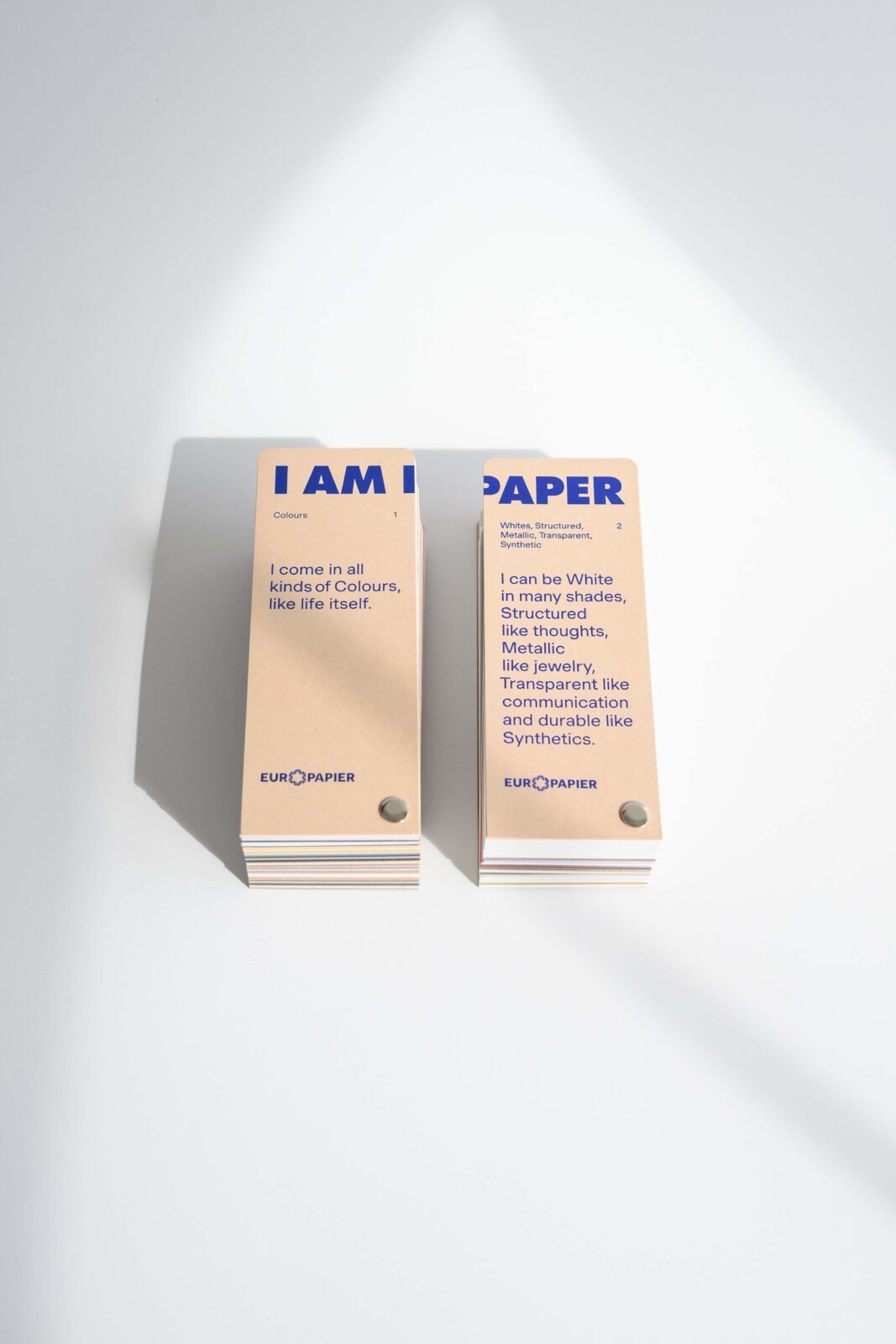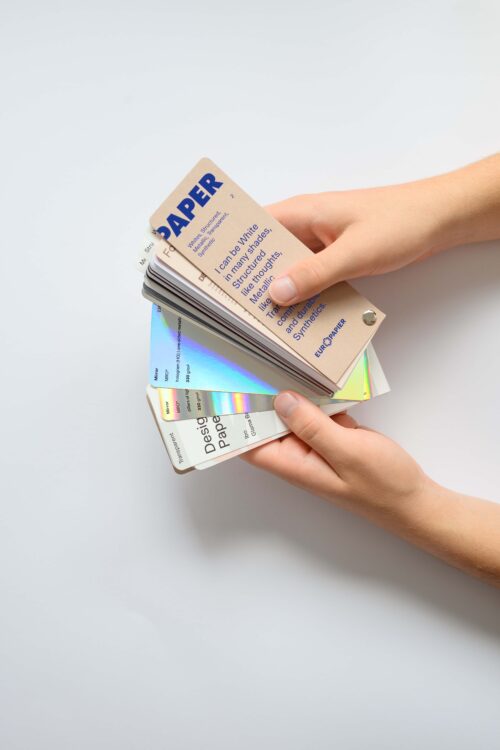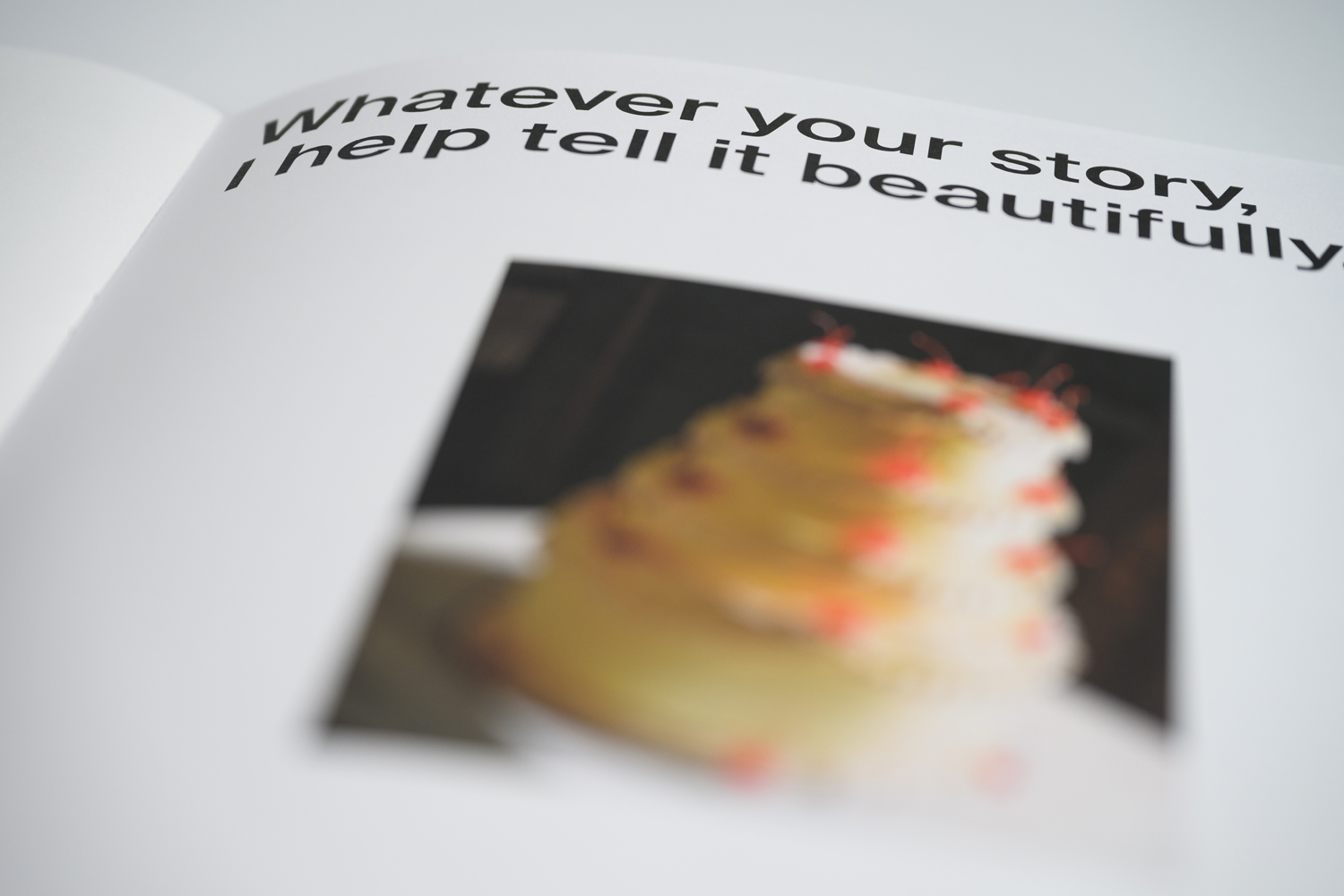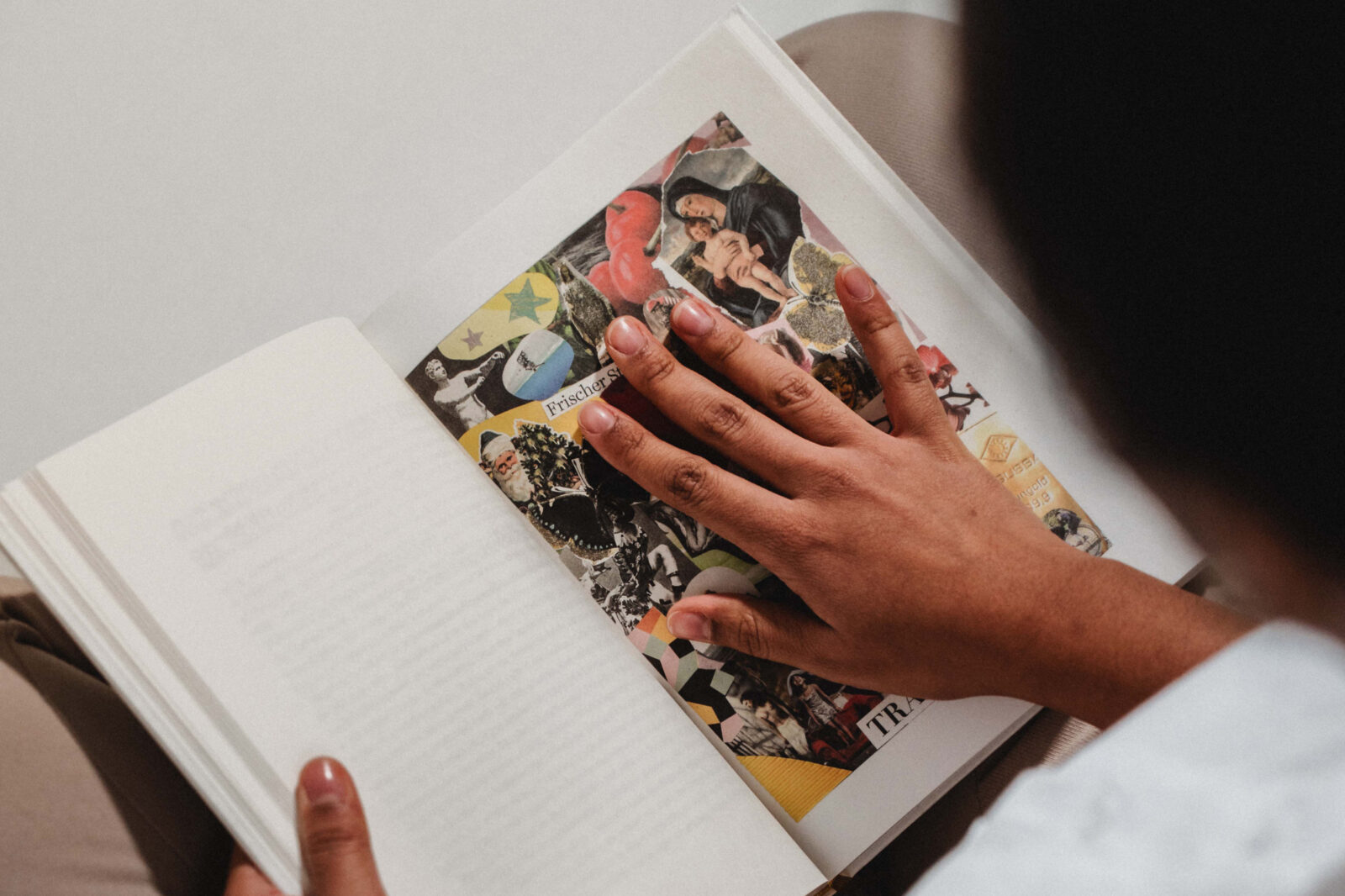
For the last two decades, the design world has sprinted toward the screen. Interfaces became sleeker, workflows faster, and our lives — both personal and professional —migrated into pixels. Yet, somewhere along the way, many of us began to feel the weight of the constant digital presence. The endless scroll, the backlit glow, the fleeting nature of content that disappears with a swipe.
Today, a quiet but confident shift is happening: after digital fatigue, designers and brands are rediscovering paper. Not as nostalgia. Not as resistance to progress. But as a meaningful, intentional counterbalance to a hyper-digital world. Paper isn’t coming back. It never left.
Digital Fatigue Is Real
Digital tools have given us extraordinary speed and scale. But they’ve also created saturation. When everything lives on a screen, everything starts to feel the same. Visual noise increases, attention spans shorten, and experiences become more fleeting. Designers are responding to this fatigue with a renewed interest in slowness, presence, and physicality. Print, paper, and tactile materials offer what screens can’t: weight, texture, resistance, scent, and sound. These qualities ground us. They invite pause. In a world optimized for efficiency, paper introduces friction, and that friction is valuable. It asks us to look longer, to touch, to engage with intention. For brands, this translates into a deeper emotional connection. For designers, it reopens a rich sensory palette.
What’s changing isn’t that we’re printing more, it’s what and why we print. Paper today is intentional. Designers are choosing print for moments that matter. Branding touchpoints that are meant to be remembered, books and magazines designed to be collected, invitations and packaging that feel truly personal, and editorial publications that live beyond the scroll.