Dorner Electronic creates smart automation solutions and software for the global construction and concrete industry. From ready-mix and precast concrete to dry mortar, they manage production processes end-to-end – from sales and planning to invoicing – ensuring quality, efficiency, and optimized resources for major projects worldwide. Founded over 60 years ago in Austria’s Bregenzerwald region, Dorner remains a family-owned company with around 100 employees across Austria, Australia, and New Zealand.
The company bases its thinking and actions as an expression of the best aspects of the Bregenzerwald, the area where it resides. It’s a harmonious blend of honoring tradition while embracing innovation. This philosophy seeps into everything they do – from architecture and design to crafting cutting-edge software solutions for their clients.
A Record of Time: Dorner Electric’s 60th Anniversary Book
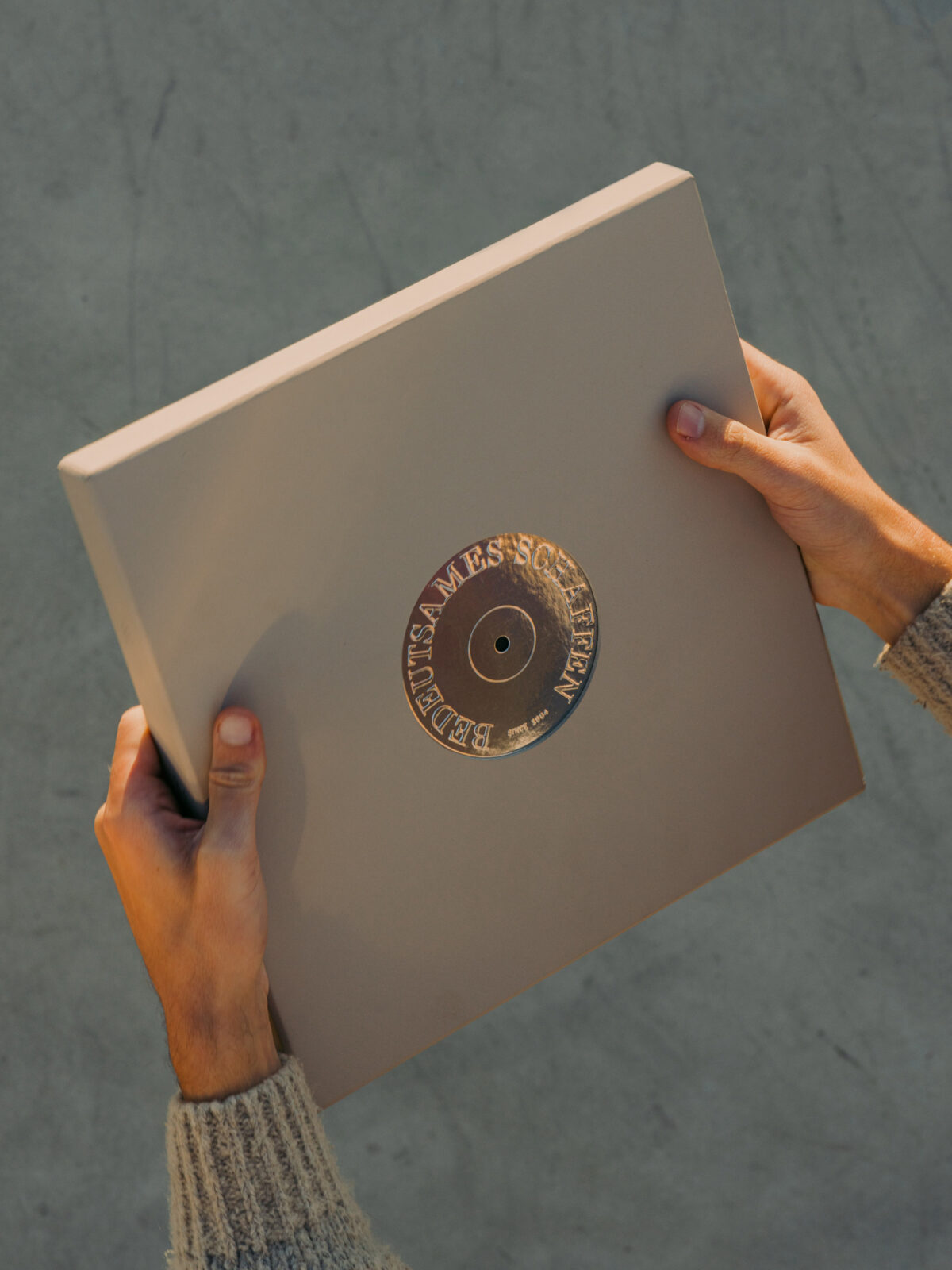
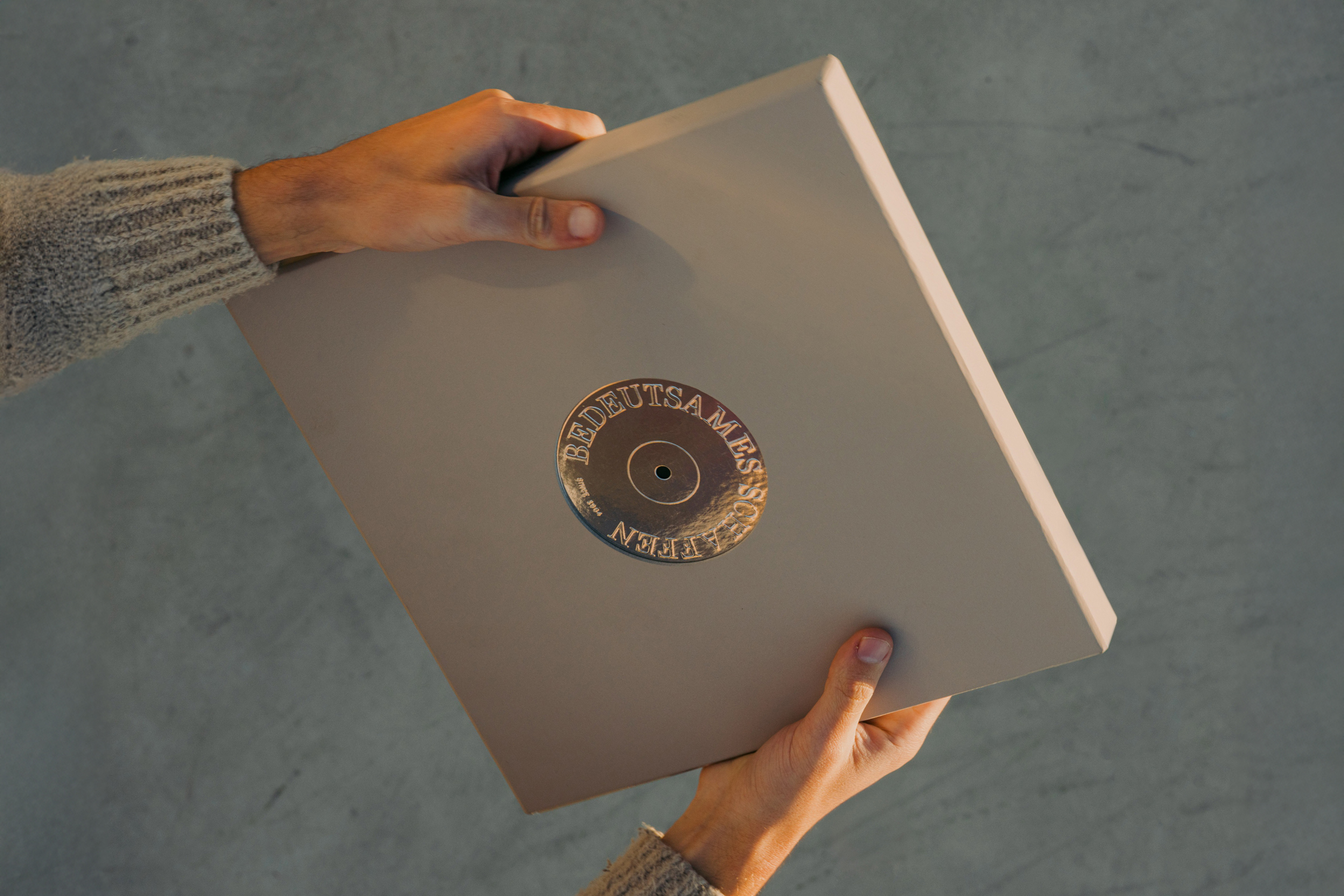
For their 60th anniversary, Dorner realized an amazing anniversary book. At first glance, you might think you’re holding a record in your hands. But in fact it is a book, which is conceptually and stylistically linked to music. The entire publication is structured like a vinyl record, with the company history divided into “tracks” rather than chapters, emphasizing a musical logic in how stories unfold.
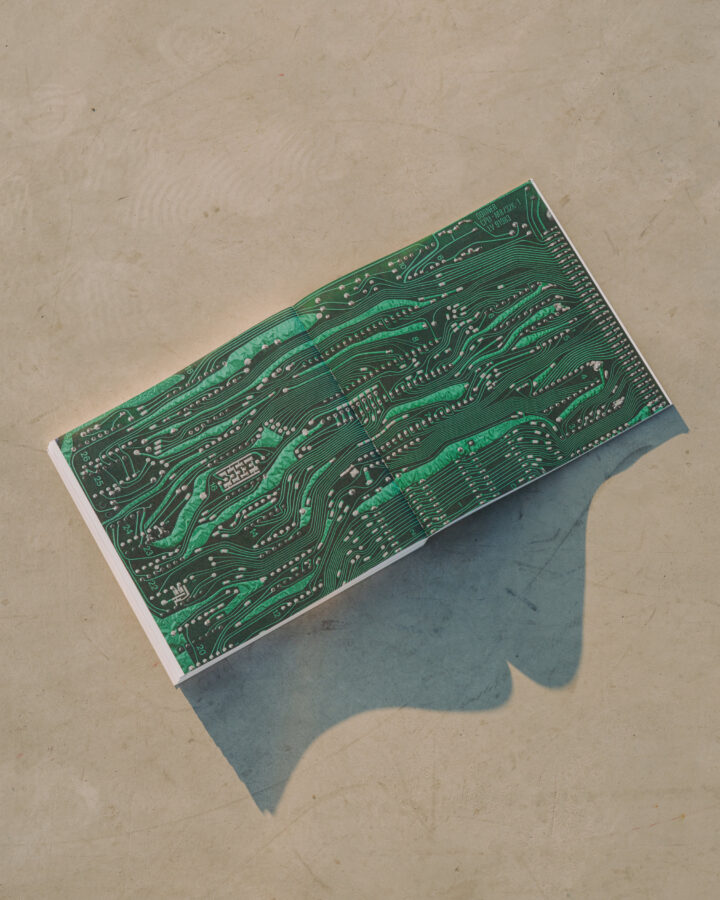
The green text color runs throughout the book as a tribute to printed circuit boards, the company’s first product.
Each track opens with a quote from a song selected by managing director Andreas Dorner, underscoring this musical framework. The green text color runs throughout the book as a tribute to printed circuit boards, the company’s first product. Andreas Dorner emphasizes that music is central to his life. This connection is reflected in Dorner Electronic’s company band, The Dorner Boys, which includes his son Kilian Dorner and performs at special events.

Sounds of Change
This design line fits the book because music plays an important role for me, not only in the performances with our company band.
Andreas Dorner, Publisher
Inspiration behind the vinyl-anniversary book
The anniversary book was created to celebrate 60 years of Dorner Electronic, capturing both the company’s history and future direction. The book’s central concept is inspired by a vinyl record, with chapters arranged like tracks and introduced by carefully selected song quotes. A distinctive fold-out technique on each track invites the reader on a journey of discovery.
Rather than being a standard corporate history, the book tells its story through objects from Dorner’s archive, which serve as starting points for the narratives. It brings together personal reflections from family members, portraits, and interviews, creating a multifaceted view. Those who get involved experience a kaleidoscope of stimulating perspectives on life that go beyond entrepreneurship. Portraits of the protagonists of the entrepreneurial family, reflections by Andreas Dorner and a double interview with his son Kilian place the individual finds in the big picture.
Doner Electric Anniversary Book enhanced by cooperation with two artists
The book documents two artist-led projects that enrich its narrative and aesthetic:
Photo series by photographer Julius Hirtzberger: Hirtzberger’s work explores the beauty and industrial character of concrete works (clients of Dorner Electronic), tying visual art to the company’s technological context.
Sculpture by artist Thomas Schrenk: Working with relics and electronic components from Dorner’s historical inventory, Schrenk created a vase-like sculpture that functions both as an autonomous artwork and as a container for preserving meaningful fragments of the company’s past.
Both art projects were built into the book as separate tracks. They add visual and conceptual depth and support the themes of memory, making, and transformation.
Design and production process
The design and production process aimed to turn a conceptual idea into a carefully crafted physical object. Close attention was paid to detail, structure, and craftsmanship in order to reflect the book’s vinyl-record inspiration in both form and function. The production was challenging, mainly because the book includes eleven fold-out pages. These fold-outs had to be carefully planned and placed in specific positions, which required close cooperation between the text, design, and production teams.
A number of talented professionals worked on making this book a reality, including Andreas Dorner (Text, Publisher), Karin Guldenschuh (Concept, Text), Kevin Nowak (Concept, Graphic Design), Sebastian Hofer-Nonveiller (Concept, Graphic Design), Sandra Bauer-Wagner (Proofreading, Translation), Thomas Schrenk (Text) and Julius Hirtzberger (Photography).
Choice of materials
The project combined carefully selected materials with refined finishing techniques:
The cover was produced using Mirror, a one-sided silver mirror board. The reflective surface highlights the theme of reflection. It was finished with cellophane lamination, blind embossing, hot-foil stamping, and die-cut elements to reference the look of a vinyl record.
The slipcase was made from a rough paper and finished with hot-foil stamping and die-cut details on the front and back. This was chosen because Dorner Electronic develops software for concrete mixing plants, and the material adds a subtle concrete-like character to the book.
The book itself was produced as a Swiss brochure with thread stitching and printed using offset printing. For the interior pages, the environmentally friendly Munken Polar Rough paper was selected to ensure good readability and a pleasant tactile feel. A poster of the company band was included as an insert in every copy of the book. Intitled “The Dorner Boys”, the poster displays the five members of the band on a crosswalk, a tribute to the iconic Beatles album cover “Abbey Road”.
Three different materials types were used for the slipcase, the cover, and the interior pages, with each of them having a distinct character — from rough and natural to smooth and mirror-like. Together, they form a coherent overall appearance that supports the concept of the publication.
Images © Julius Hirtzberger
Videos © Sebastian Hofer-Nonveiller & Kevin Nowak