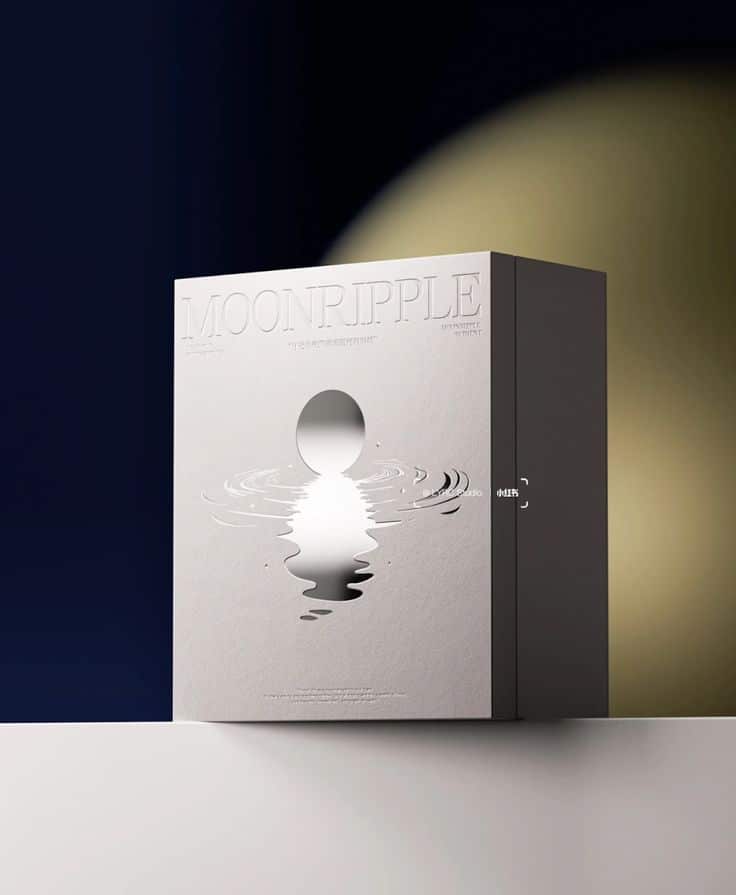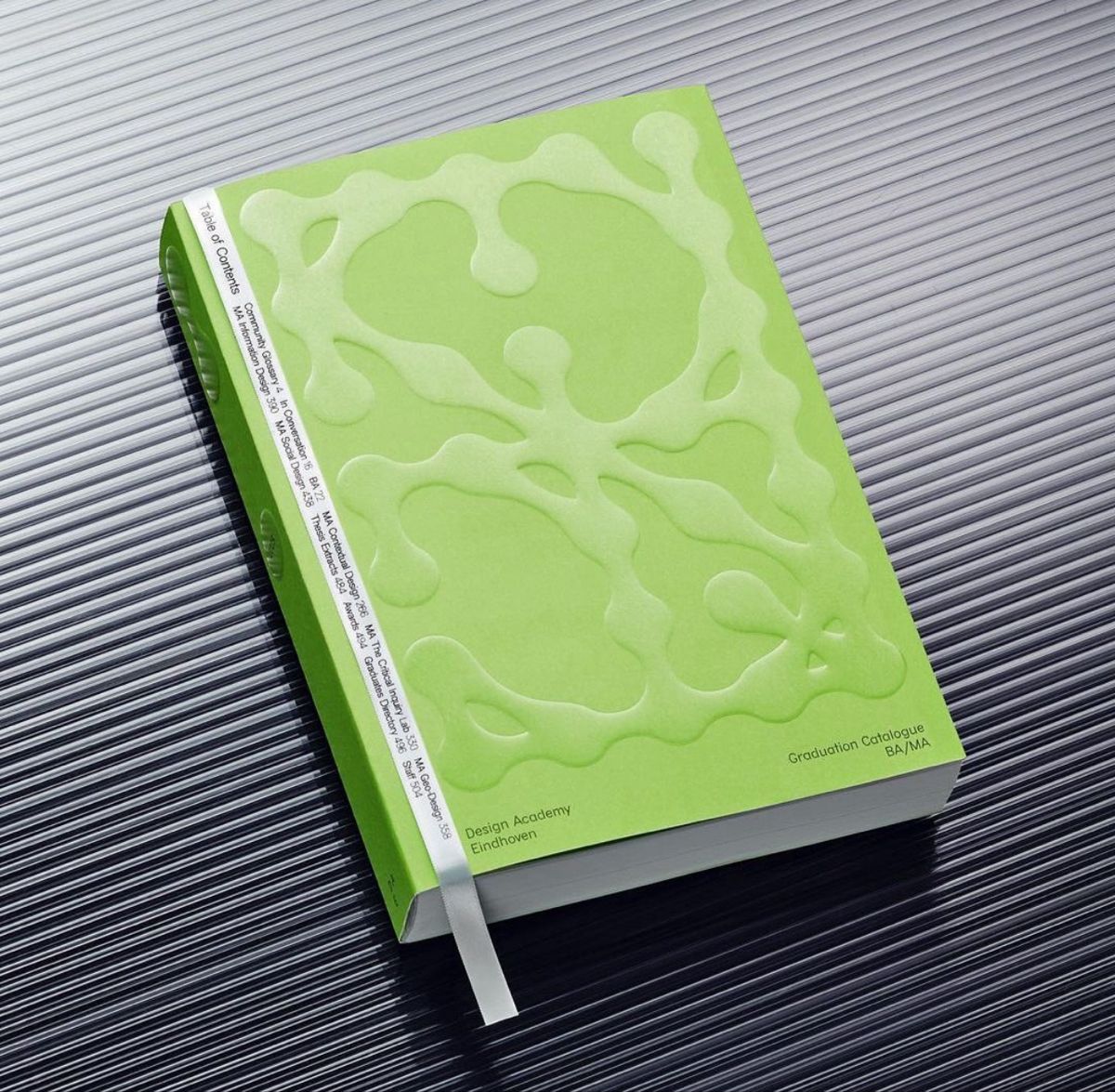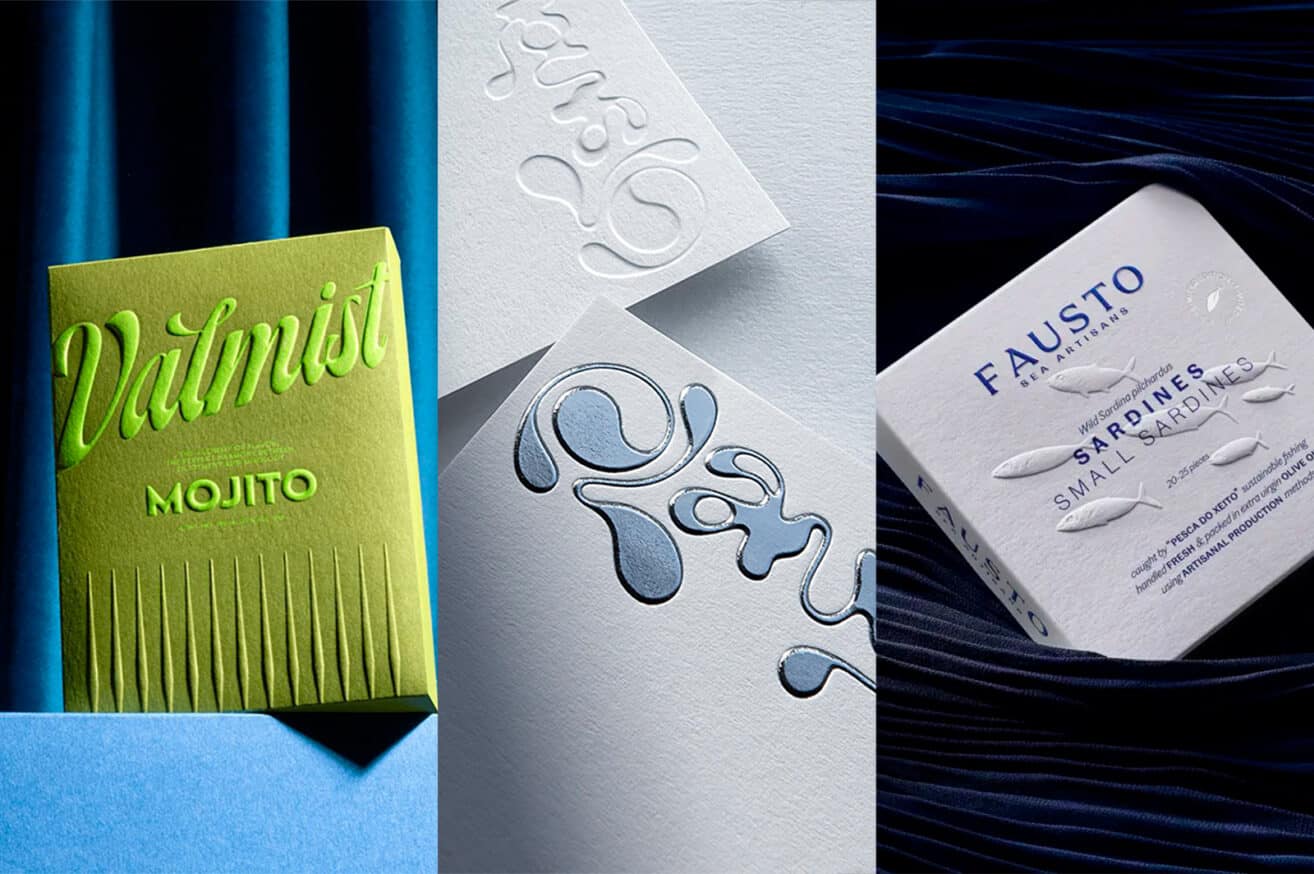
In an era dominated by digital visuals, packaging that engages the sense of touch is gaining renewed attention. Across luxury retail, cosmetics, spirits, and premium food brands, designers are increasingly returning to stamping, embossing, and debossing techniques to create packaging that communicates quality before the product is even opened. For paper, packaging, and printing professionals, this resurgence is more than a stylistic trend — it reflects a broader shift toward tactile brand experiences, material authenticity, and refined production techniques. Today’s embossed packaging is not just decorative. It’s strategic.
Packaging You Can Truly Feel
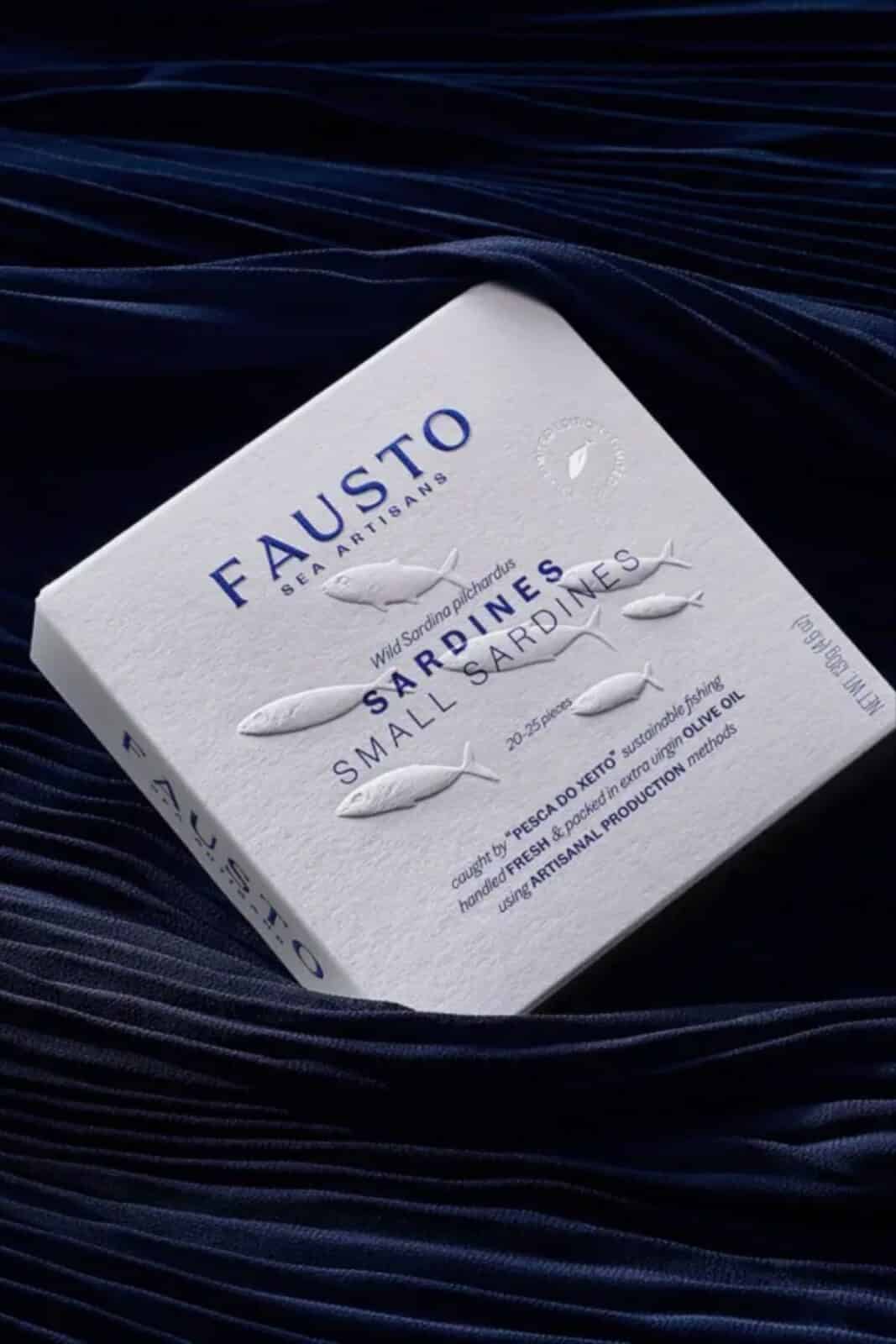
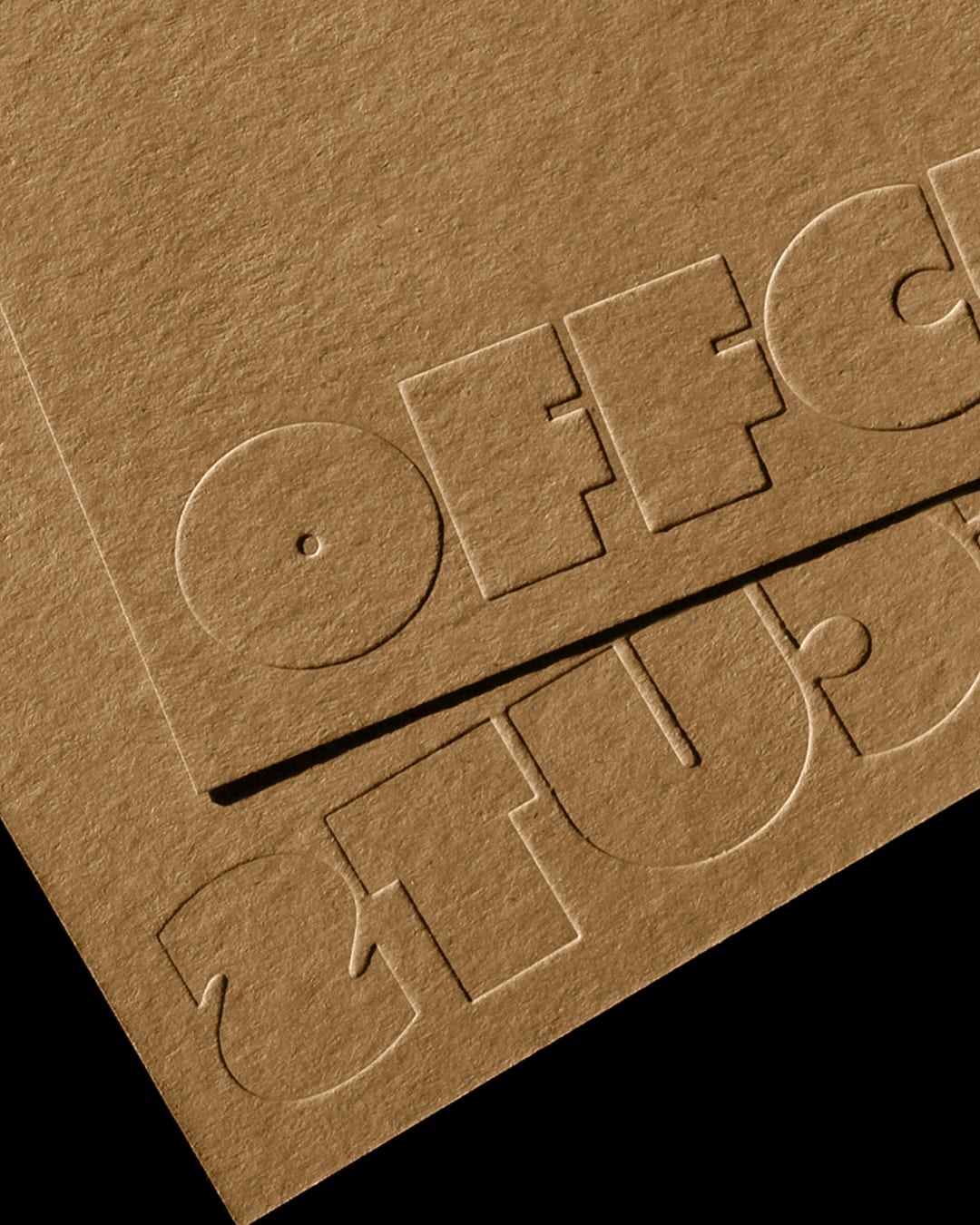
Embossing and debossing introduce relief into paper and board by pressing a metal die into the material, creating raised or recessed elements that add depth and dimension. The result is a subtle three-dimensional surface that interacts with light and shadow while engaging the consumer through touch. In packaging design, this tactile quality has become especially valuable. As minimalist branding gains popularity, embossed details provide visual interest without relying on heavy graphics or color. Even a simple blind emboss on uncoated paper can elevate a design from functional to refined.
Rather than relying on complex graphics, brands are turning to subtle finishing techniques to convey premium quality.
Historically, embossed seals symbolized authenticity and trust, much like the wax stamps once used to seal letters and documents. That same association with authority and craftsmanship still influences how consumers perceive embossed packaging today. And one of the most notable trends in packaging design today is the move toward understated luxury. Rather than relying on complex graphics, brands are turning to subtle finishing techniques to convey premium quality.
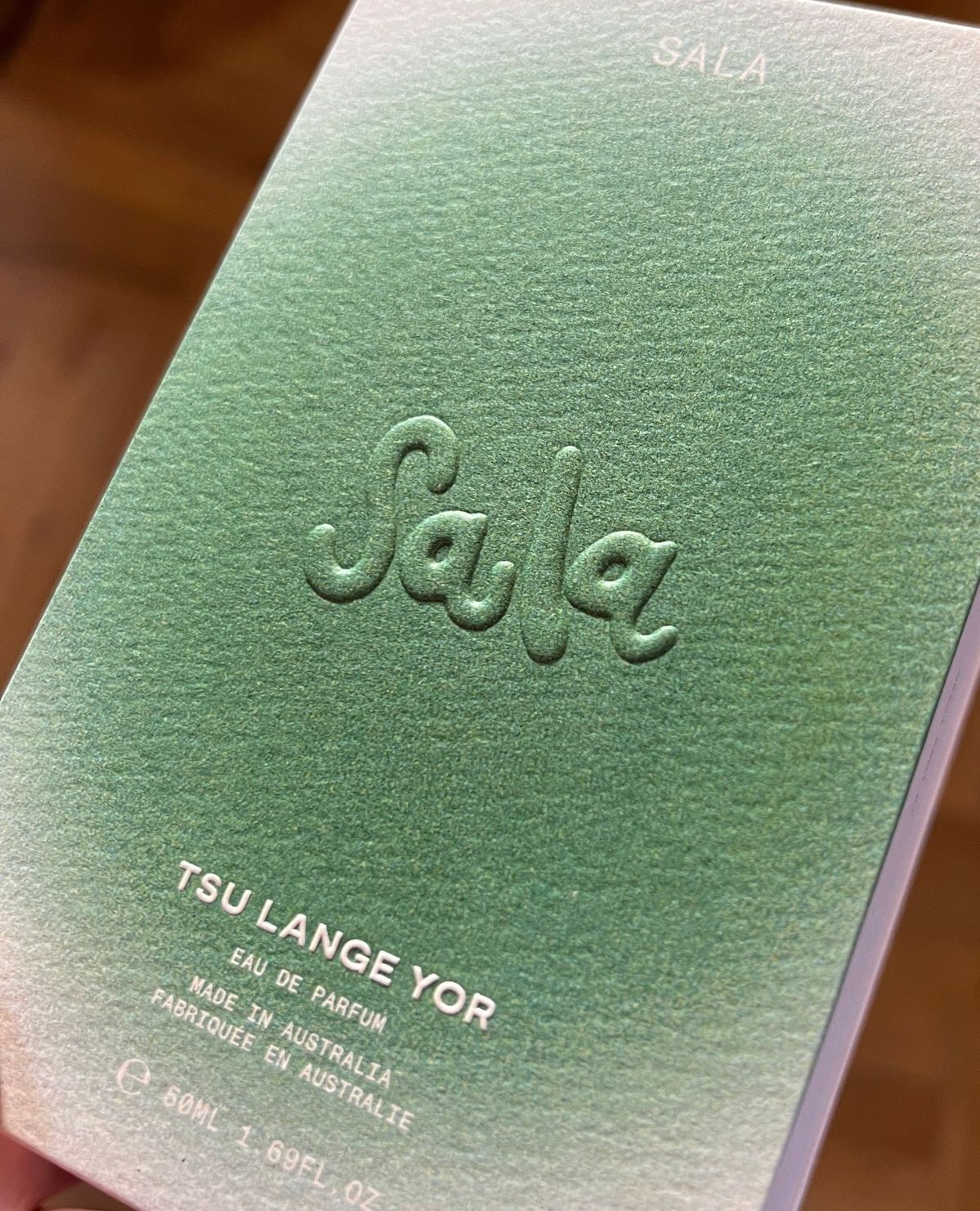
Embossing works particularly well within this approach because it enhances perception of value without adding visual clutter. Raised patterns can mimic luxurious materials such as leather or textile textures, while simple embossed logos reinforce brand identity with elegance and restraint.
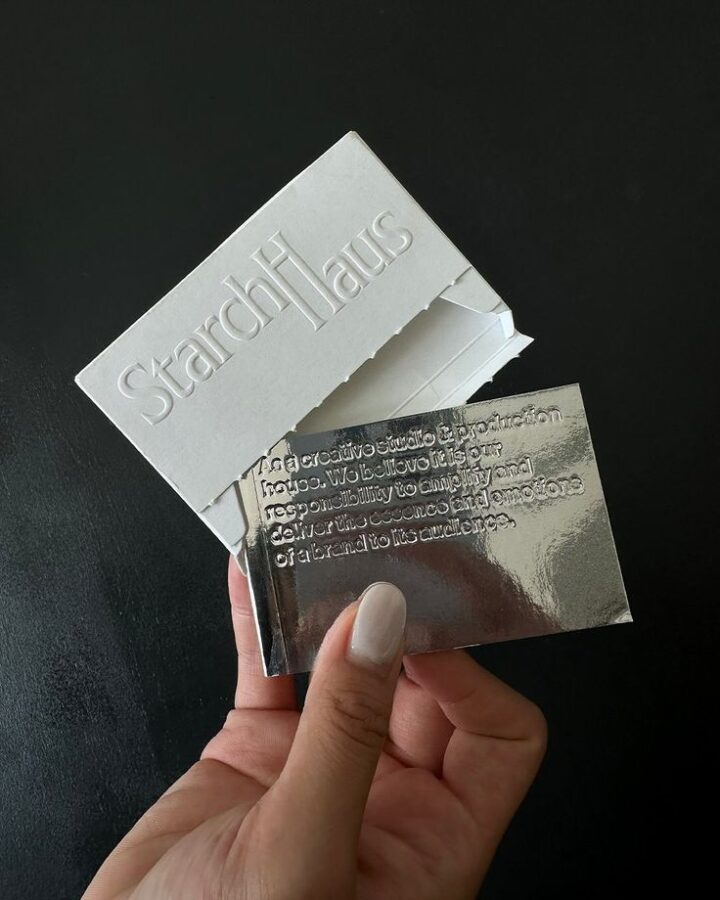
Stamping Meets Embossing
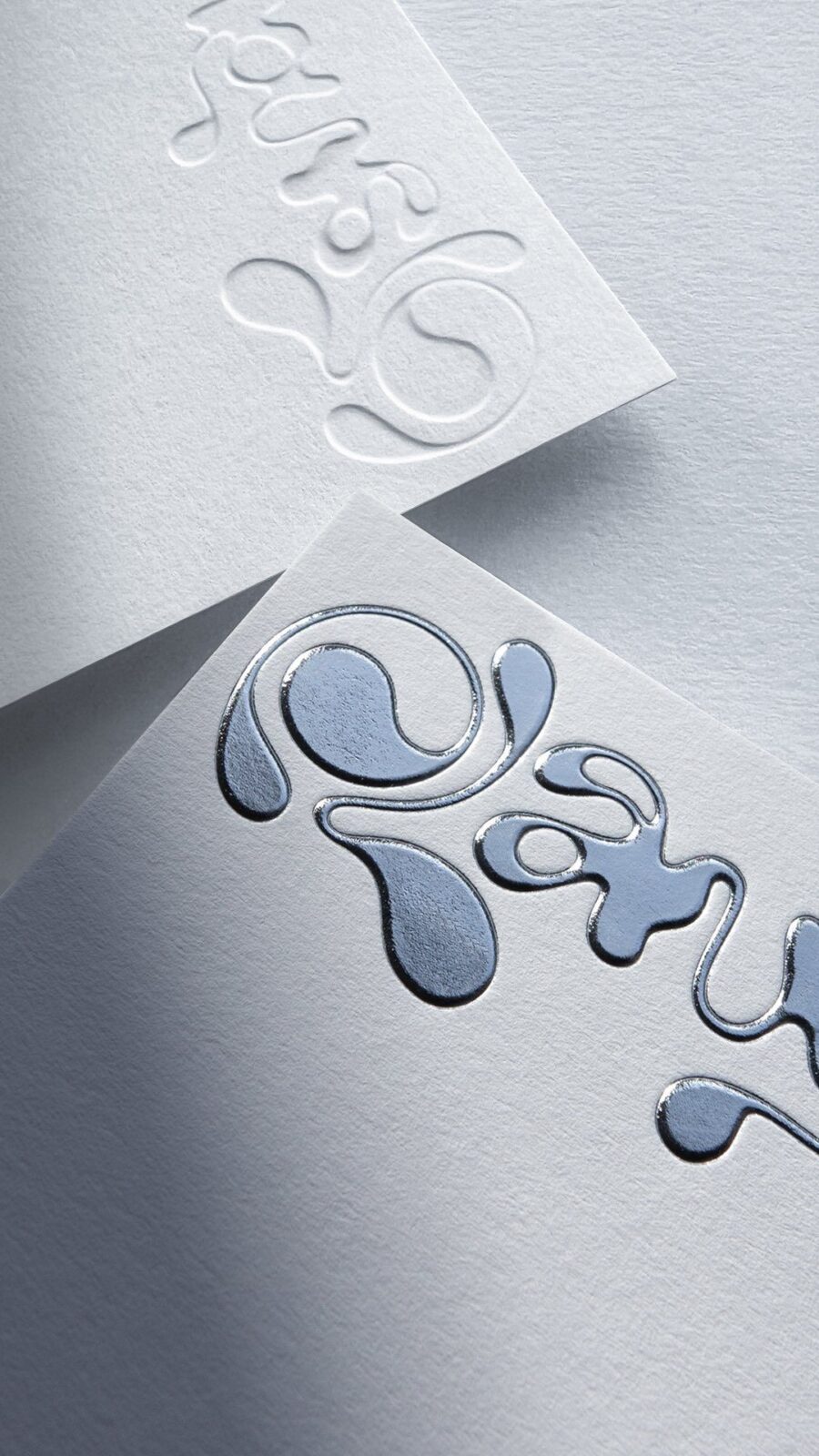
While blind embossing remains a classic, contemporary packaging increasingly combines embossing with other print effects. A popular technique is “combination embossing”, where foil stamping and embossing are applied simultaneously to produce a raised metallic design. This creates strong visual contrast while preserving a tactile finish — often used for logos and key brand elements. Another approach is “registered embossing”, where the raised structure aligns precisely with printed or foil elements, enhancing illustrations or patterns with dimensional depth. These hybrid techniques demonstrate how finishing processes can work together to create layered visual experiences.
Texture also supports the growing interest in paper-forward design, where the natural qualities of paper and board are intentionally highlighted rather than concealed.
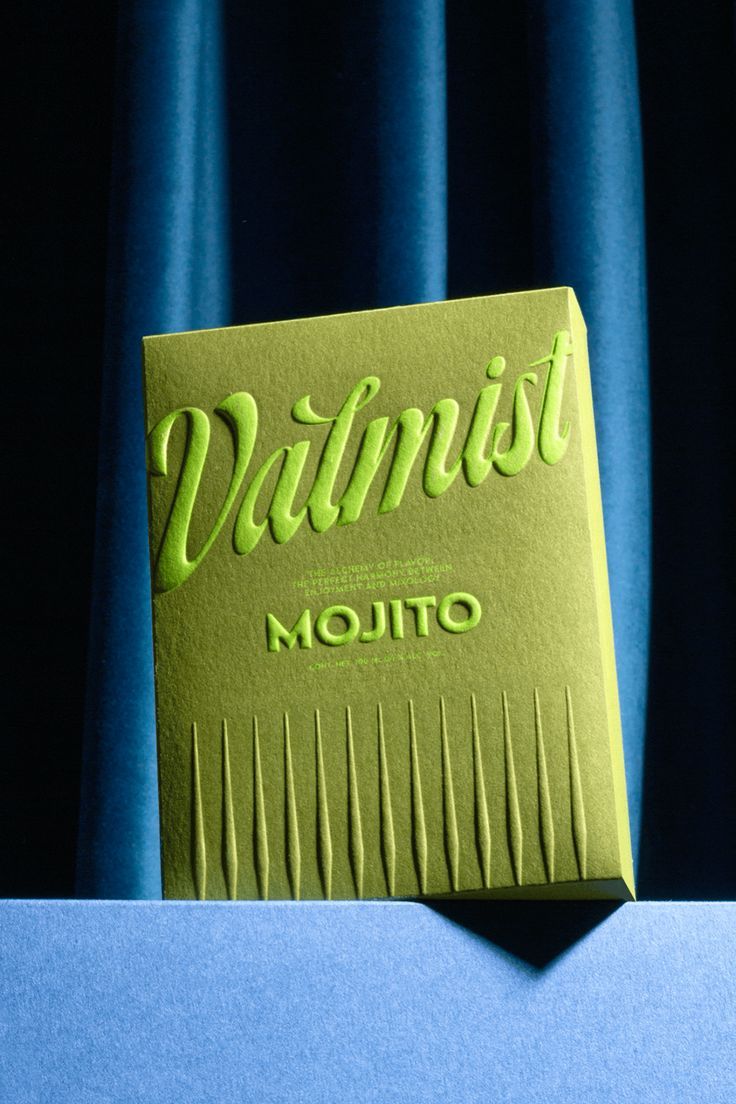
But beyond aesthetics, embossing has become a powerful branding tool. In retail environments where many products compete visually, tactile differentiation helps packaging stand out on the shelf — and in the hand. Embossed logos or patterns guide the consumer’s fingers across the packaging surface, creating an almost subconscious interaction with the brand. For designers and brand owners, this tactile storytelling can reinforce identity in subtle but memorable ways. Texture also supports the growing interest in paper-forward design, where the natural qualities of paper and board are intentionally highlighted rather than concealed.
And as packaging becomes an increasingly experiential medium, tactile finishes will likely play an even greater role in design strategy. Embossing and stamping offer something that screens cannot replicate – physical interaction. A raised logo, a textured pattern, or a subtle debossed detail transforms packaging from a visual object into a sensory one.