
Artificial intelligence is rapidly reshaping the creative landscape, and the design industry finds itself at a fascinating crossroads. AI can generate layouts, suggest color palettes, and produce entire brand identities in seconds. Yet, alongside this technological acceleration, a quieter but equally powerful movement is emerging. One that values intention over efficiency, tactility over perfection, and human perspective over algorithmic output. This is the rise of Anti-AI Crafting. But instead of outright rejecting AI, the Anti-AI Crafting movement is more about rebalancing the designer’s role. It is a conscious shift toward making decisions that are rooted in human experience, material understanding, and meaningful storytelling, especially within the realms of print, paper, packaging, and branding.

The Value of Imperfection & Material Consideration
One of the defining characteristics of AI-generated design is its tendency toward technical perfection. Lines are crisp, alignments precise, and compositions optimized according to learned patterns and ideas of perfection. But while this might be technically impressive, it can often feel detached from reality as it lacks the subtle irregularities that signal a human hand.
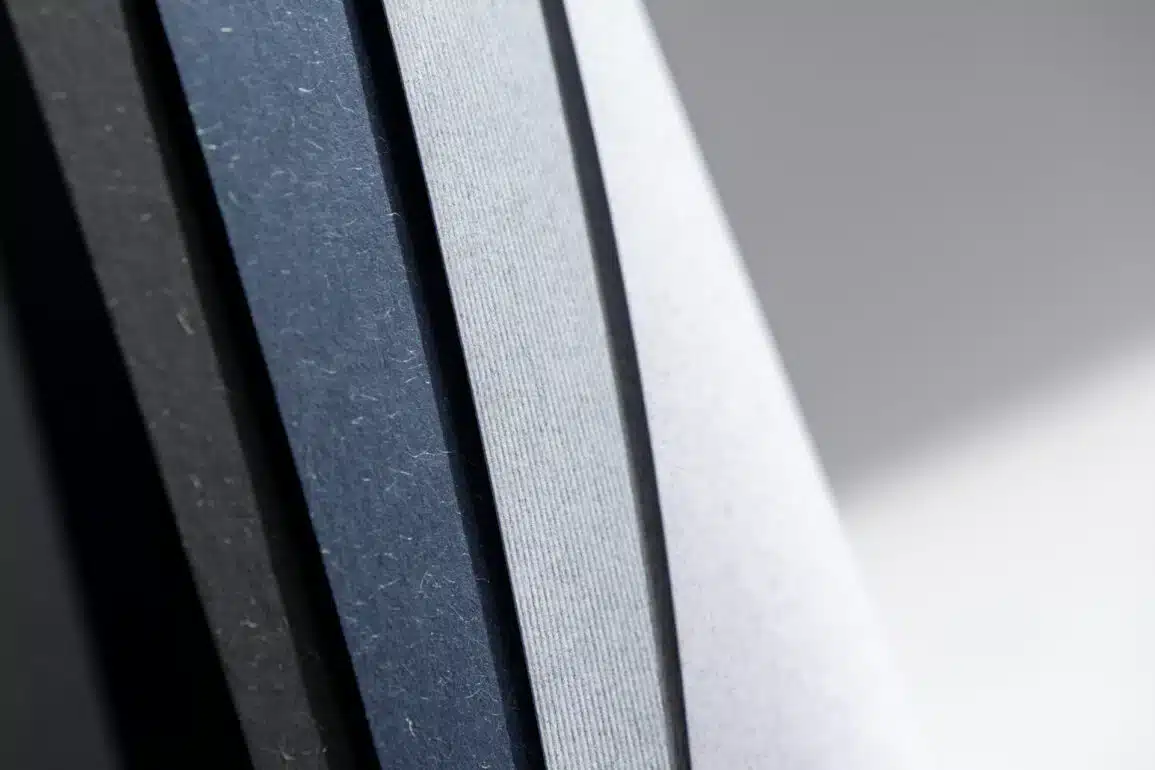
Anti-AI Crafting embraces these irregularities. In print and paper design, this might manifest as visible grain structures, slight ink variations, embossing inconsistencies, or hand-applied finishes. And these “imperfections” are not flaws but markers of authenticity. They invite touch, evoke emotion, and create a sensory experience that digital outputs alone cannot replicate.
Anti-AI Crafting embraces these irregularities. In print and paper design, this might manifest as visible grain structures, slight ink variations, embossing inconsistencies, or hand-applied finishes. And these “imperfections” are not flaws but markers of authenticity. They invite touch, evoke emotion, and create a sensory experience that digital outputs alone cannot replicate. For designers working specifically in branding and packaging design, this approach elevates the end product into more than just a container; it creates a tactile narrative beyond technical execution.
Today, material selection is increasingly seen as a core element of storytelling. And Anti-AI Crafting places materiality at the center of the design process, encouraging designers to think beyond visual aesthetics and consider how paper, board, and print techniques communicate values. A rough, uncoated paper might suggest honesty and sustainability. A richly textured board could evoke luxury and craftsmanship. Recycled fibers, visible inclusions, or unconventional coatings can all serve as intentional signals to the end user.
The Anti-AI Crafting movement challenges designers to ask: Why this material? What does it say? And the answer is no longer purely functional. It has become more conceptual, emotional, and ethical.
Value-Driven Decision Making Over Automated Optimization
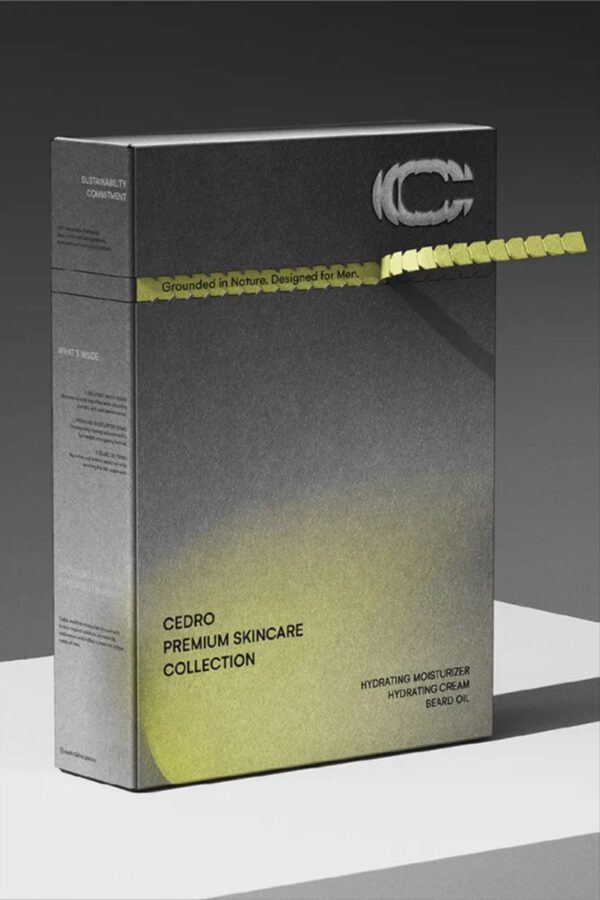
AI accelerates ideation, iteration, and execution, while Anti-AI Crafting introduces a deliberate deceleration into the design process. A slower pace allows for reflection, experimentation, and deeper collaboration, particularly with printers, paper manufacturers, and finishing specialists. Techniques such as letterpress, foil stamping, blind embossing, and die-cutting require planning, testing, and refinement. They cannot be fully simulated or shortcut by algorithms. This allows for time to become a creative asset rather than a constraint, with the process itself shaping the outcome, resulting in designs that feel considered rather than generated.
Designers are increasingly turning into curators and editors, making conscious choices about what not to automate. The goal is not to eliminate efficiency in a demanding market, but to ensure that efficiency does not come at the cost of meaning.
But at its core, Anti-AI Crafting is not just an aesthetic preference; it is a mindset. It emphasizes value-driven design decisions that align with brand identity, environmental responsibility, and cultural context. For packaging and branding professionals, this means moving beyond trend-driven visuals toward more enduring expressions of purpose. It involves questioning default solutions and resisting the homogenization that has arisen from the widespread use of AI tools. Designers are increasingly turning into curators and editors, making conscious choices about what not to automate. The goal is not to eliminate efficiency in a demanding market, but to ensure that efficiency does not come at the cost of meaning.
Yet perhaps the most important element of Anti-AI Crafting is the reassertion of the human perspective. AI systems are trained on existing data. They remix the past. Humans, on the other hand, bring context, intuition, and lived experience. This is particularly relevant in branding, where authenticity is paramount. Consumers are becoming more attuned to what feels real versus what feels manufactured. Designs that carry a sense of human authorship through storytelling, materiality, and execution truly help brands stand out in a saturated visual environment. In print, this human touch is amplified. The weight of the paper, the smell of ink, the texture of a surface, these are experiences that connect directly with the senses. They cannot be fully digitized or replicated by code.
In the end, Anti-AI Crafting is about reclaiming authorship. It is about designing with purpose, choosing materials with intention, and creating work that resonates on a deeper, more tangible level. As the industry continues to evolve, one thing becomes clear: the future of design is not just digital or automated. It is human, tactile, and deeply considered.