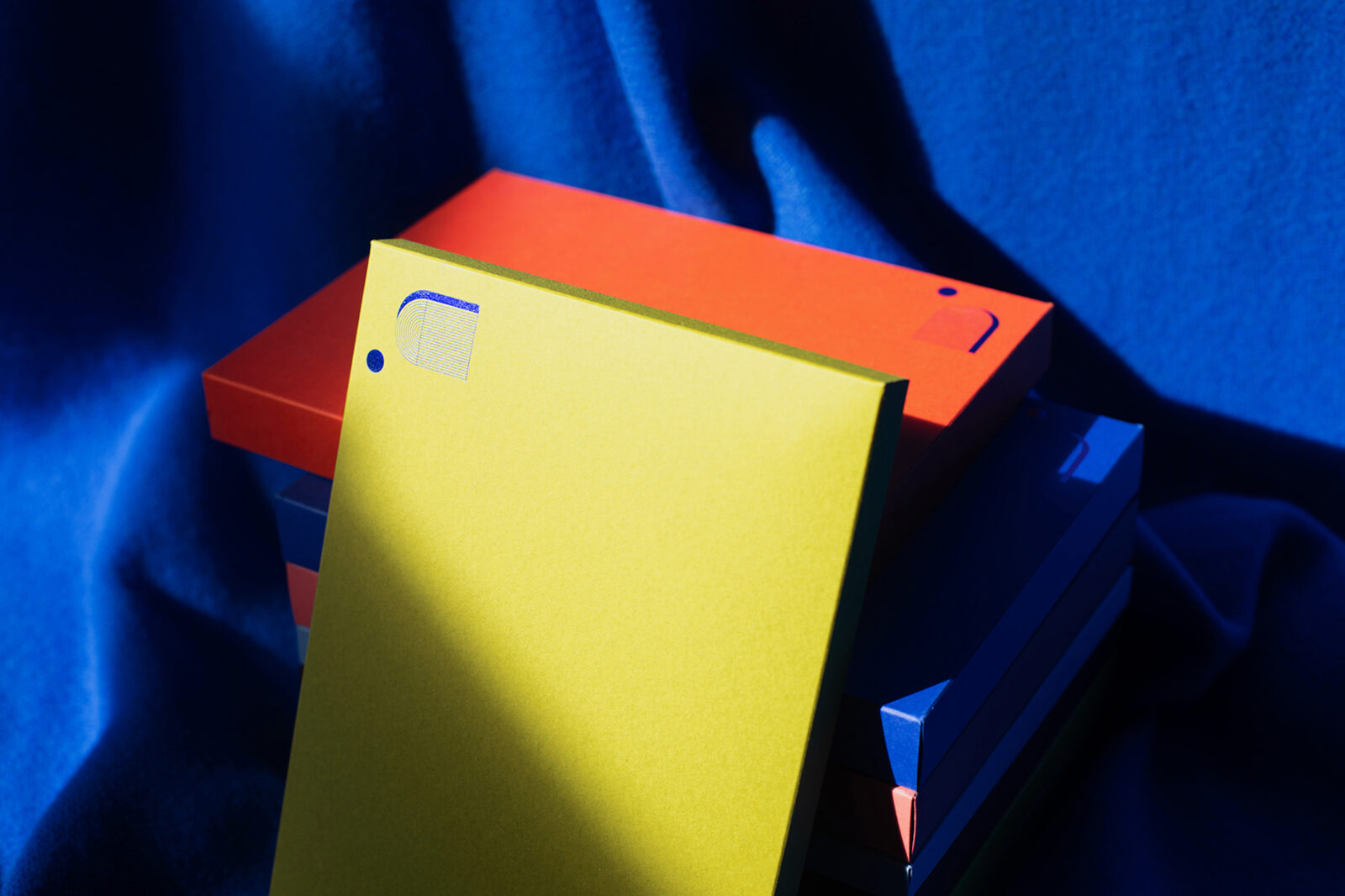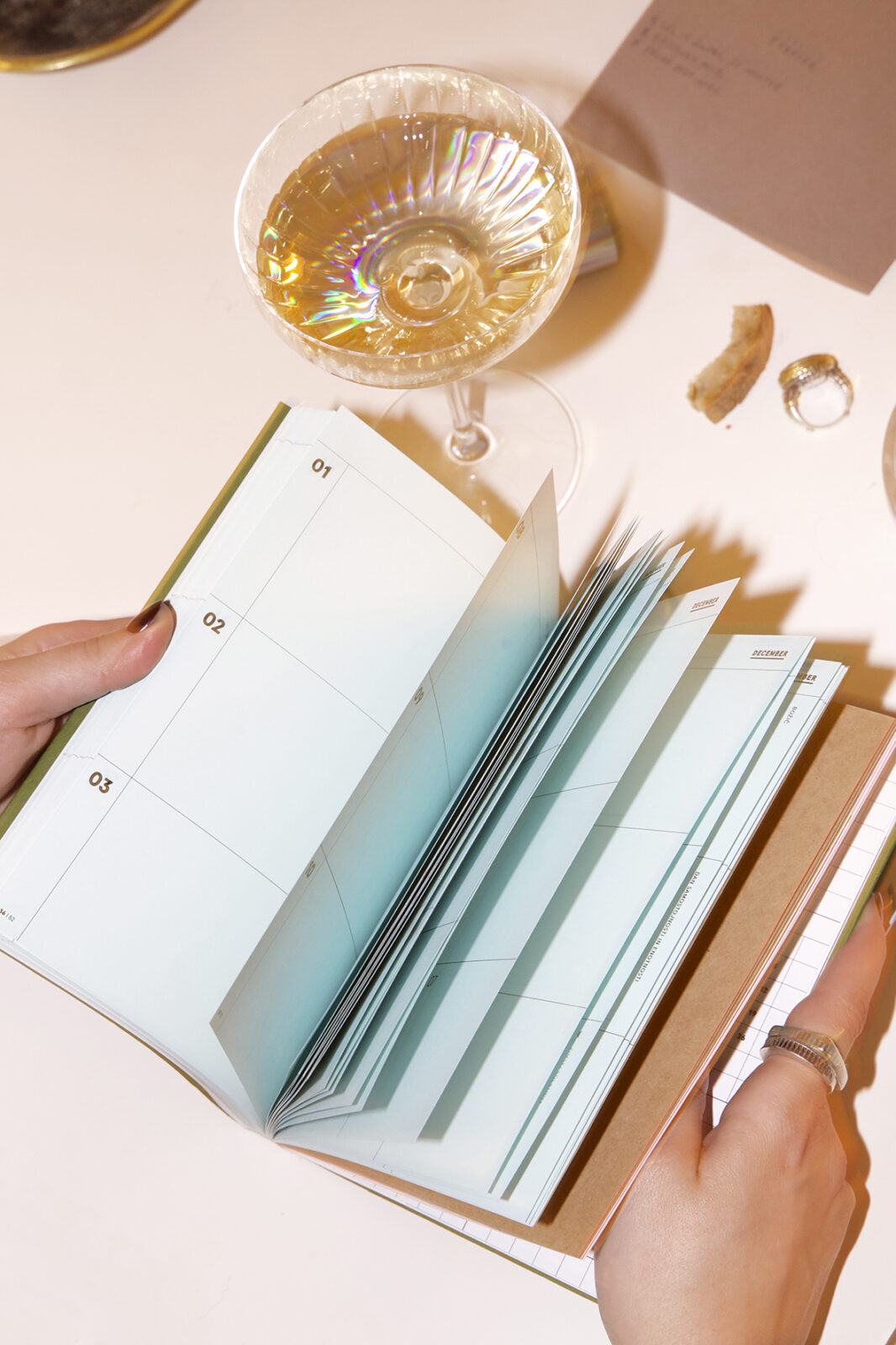
There are notebooks, and then there are notebooks that fundamentally change the way you think about paper. The SCH Stationery Notebooks and Notepads by Ajda Schmidt belong firmly in the latter category: tactile, layered objects that celebrate paper not merely as a surface for writing, but as a material with memory, texture, rhythm, and narrative. Developed in collaboration with the family-run Slovenian print house Tiskarna Povše, SCH Stationery began as a highly personal response to the often forgettable nature of corporate gifts.
What started in 2014 as a custom notebook project evolved into a limited-edition stationery brand that has since received numerous national and international design awards. According to Schmidt, the project was born out of a desire to create something meaningful and useful: “You know how each year before Christmas, offices fill with often-times unoriginal and wasteful corporate gifts? I’m talking branded water bottles, fake Belgian chocolates, your 100th tote bag? To avoid just that, I was hired in 2014 by the Povše Printing House to make a notebook they could use as an original, useful, and personal gift for their partners and clients.”
Ivana Banović, the Slovenian Europapier Sales & Marketing Manager for Paper & Packaging, gave me a new sample book where I found a new neon yellow paper I simply HAD to have.
Presented with “more paper samples than I’d seen to that day,” complete creative freedom, and a generous production budget, Schmidt transformed the commission into an ongoing exploration of paper, printing, and bookbinding craftsmanship. The result is SCH Stationery — named after the first three letters of Schmidt’s surname — though, as she notes, “it will always be a joint venture with the same print house, Povše.”
A Celebration Of Printing Craft
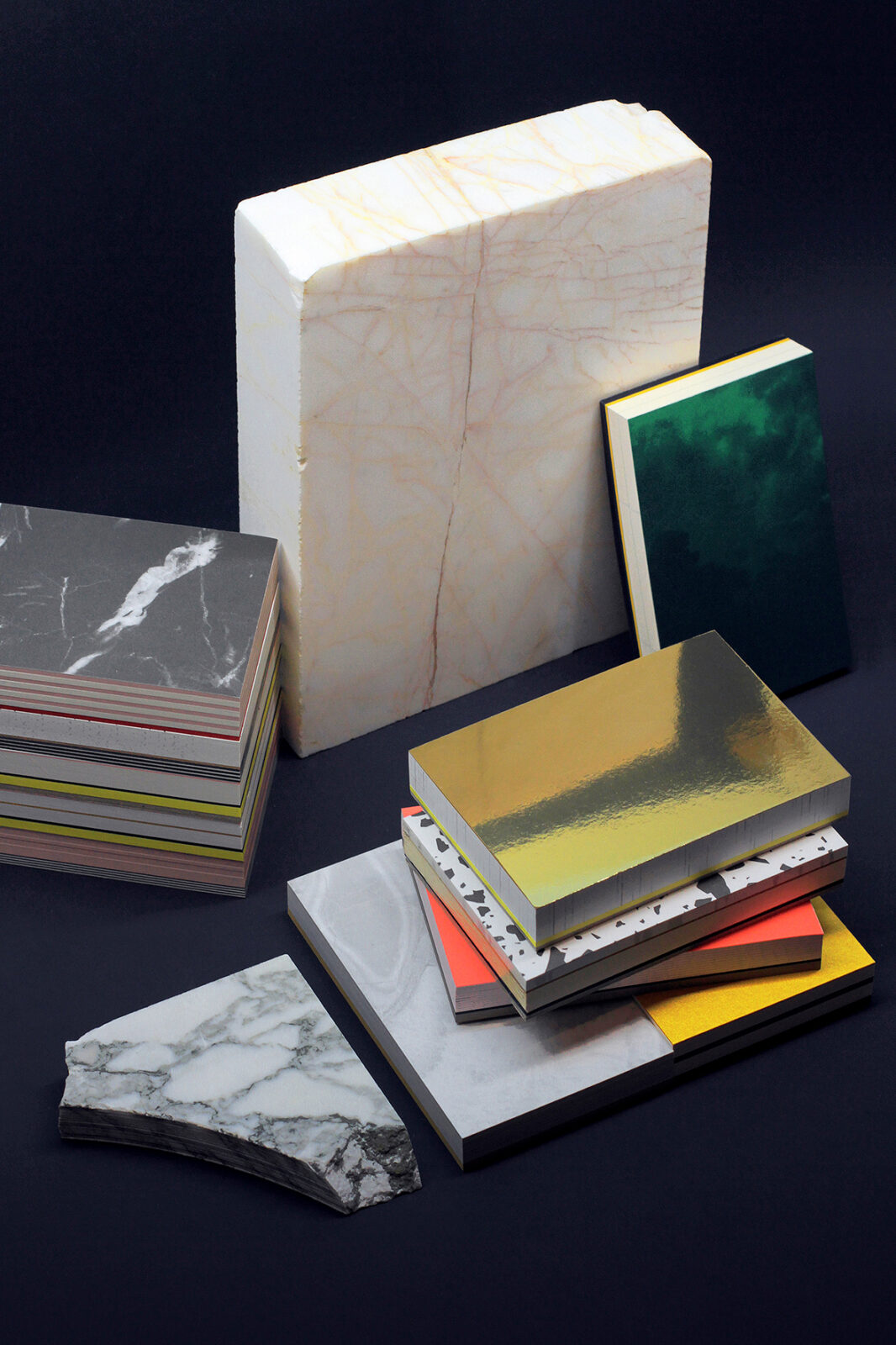
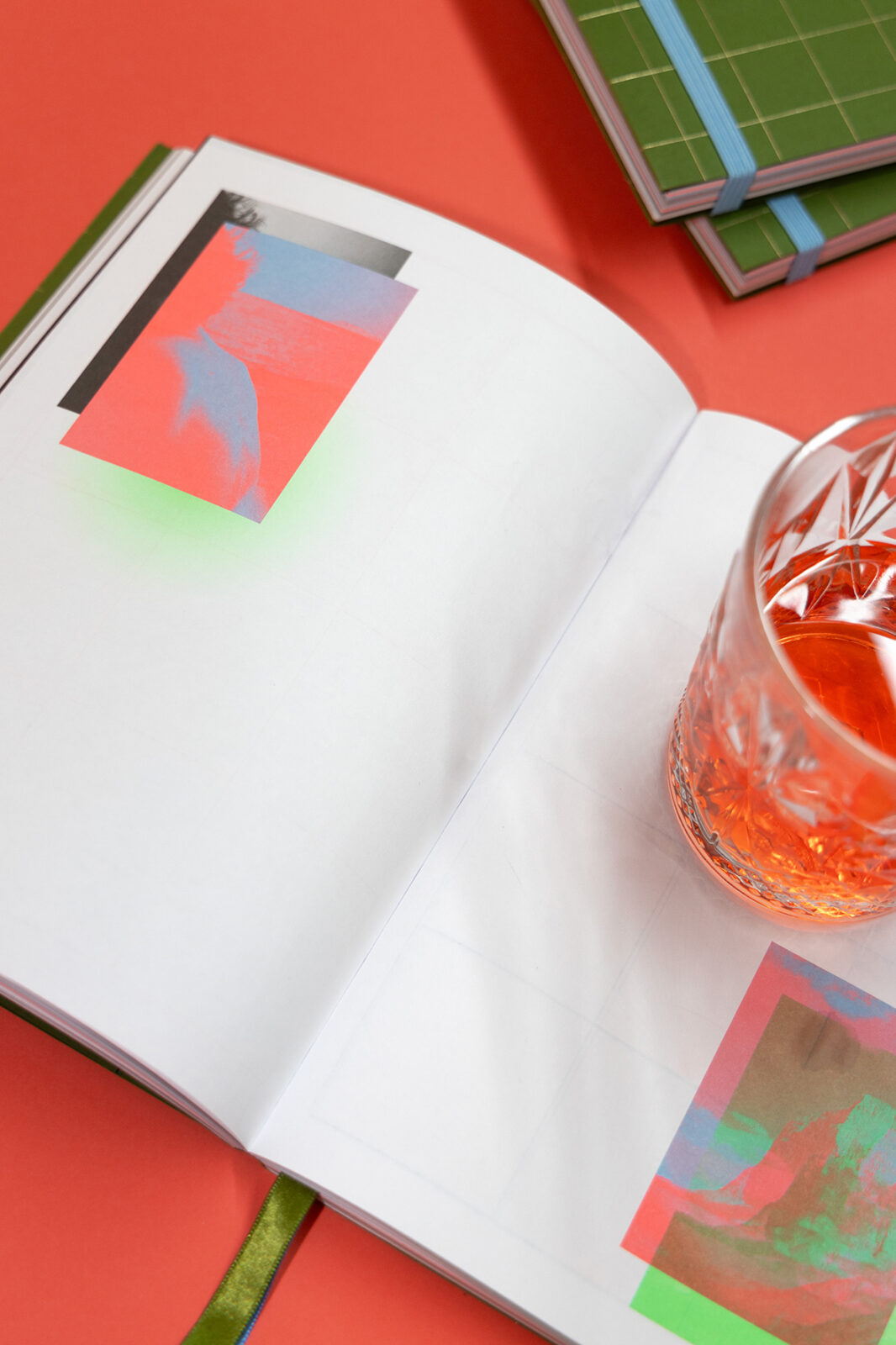
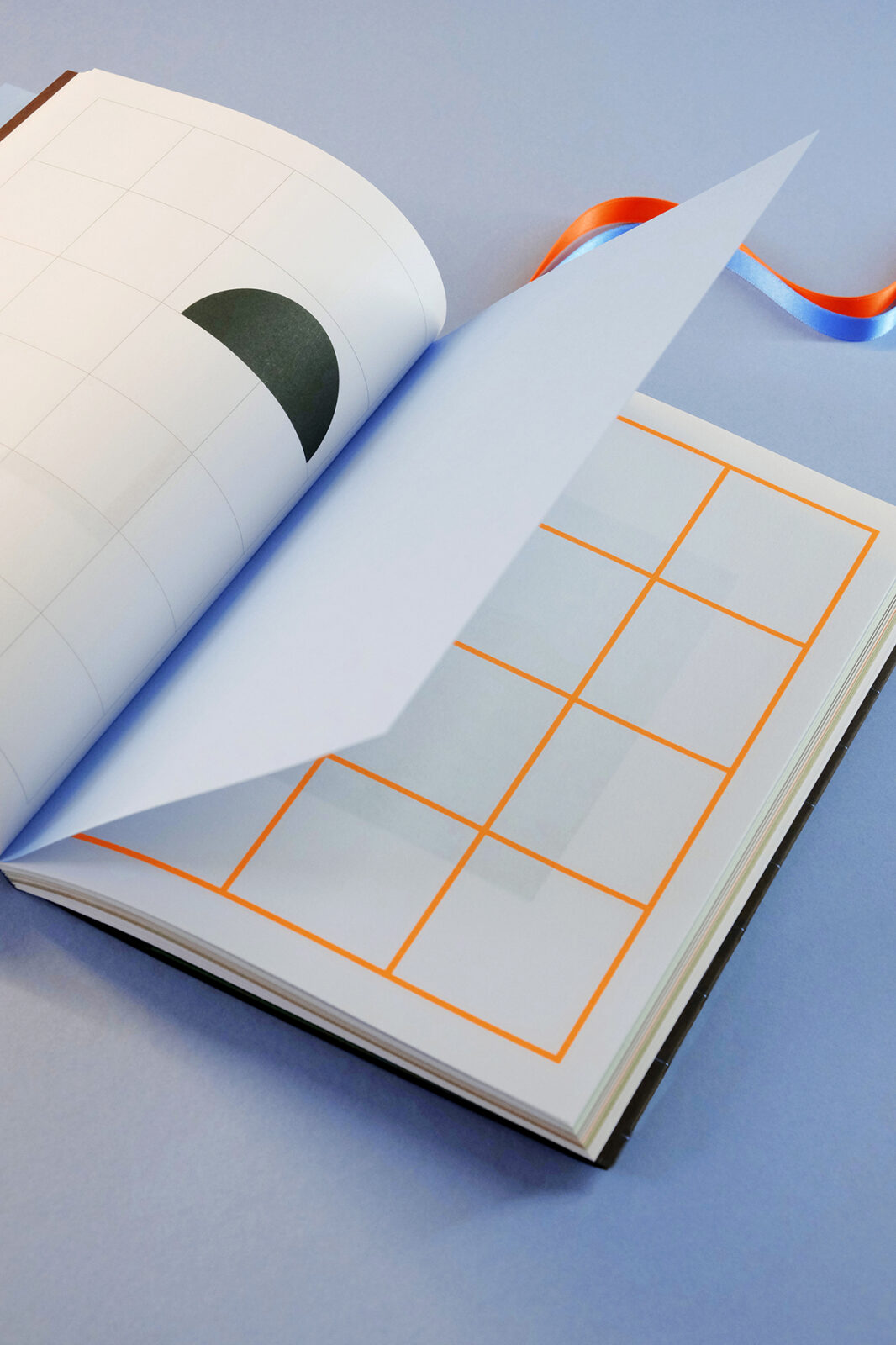
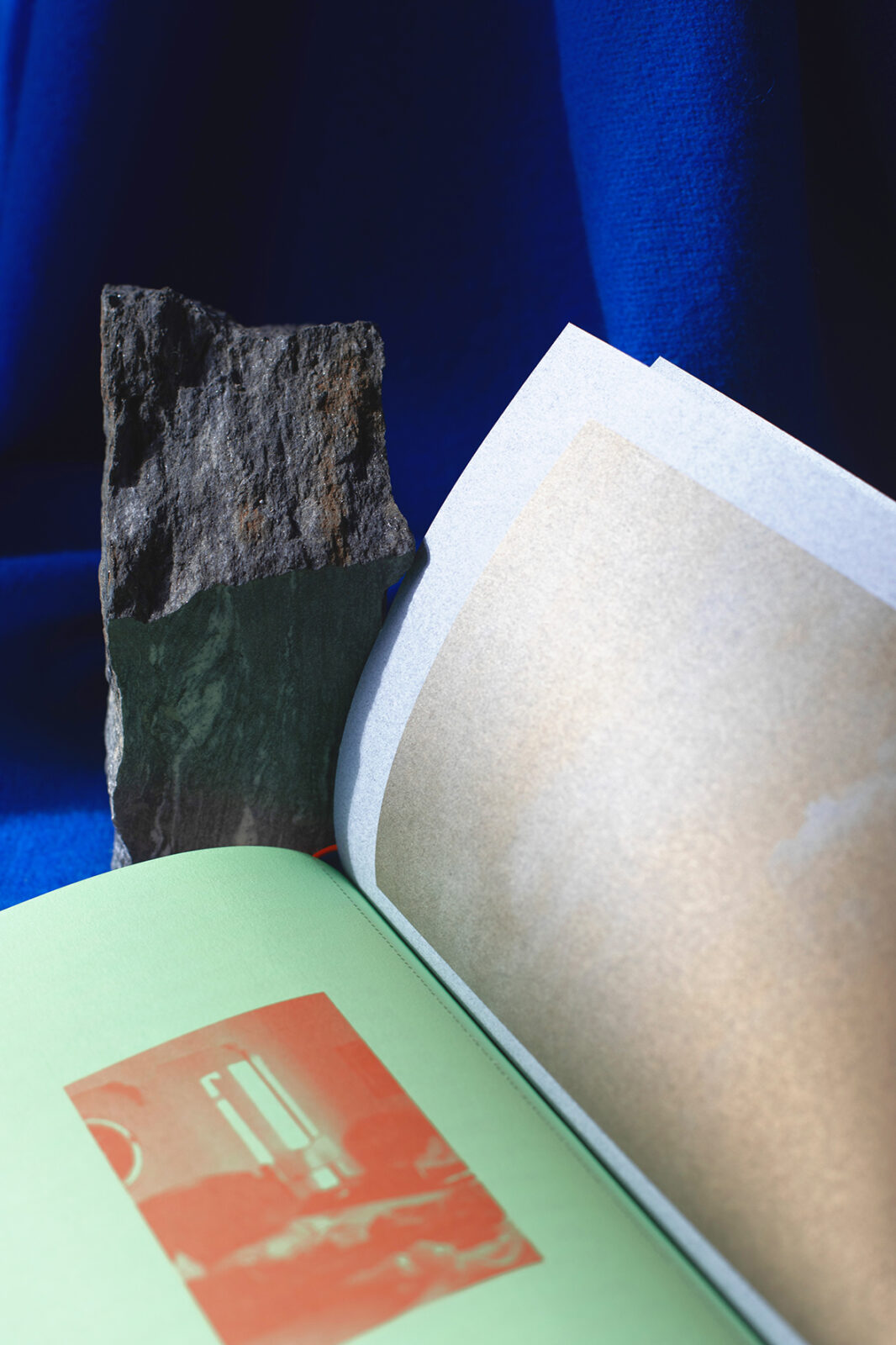
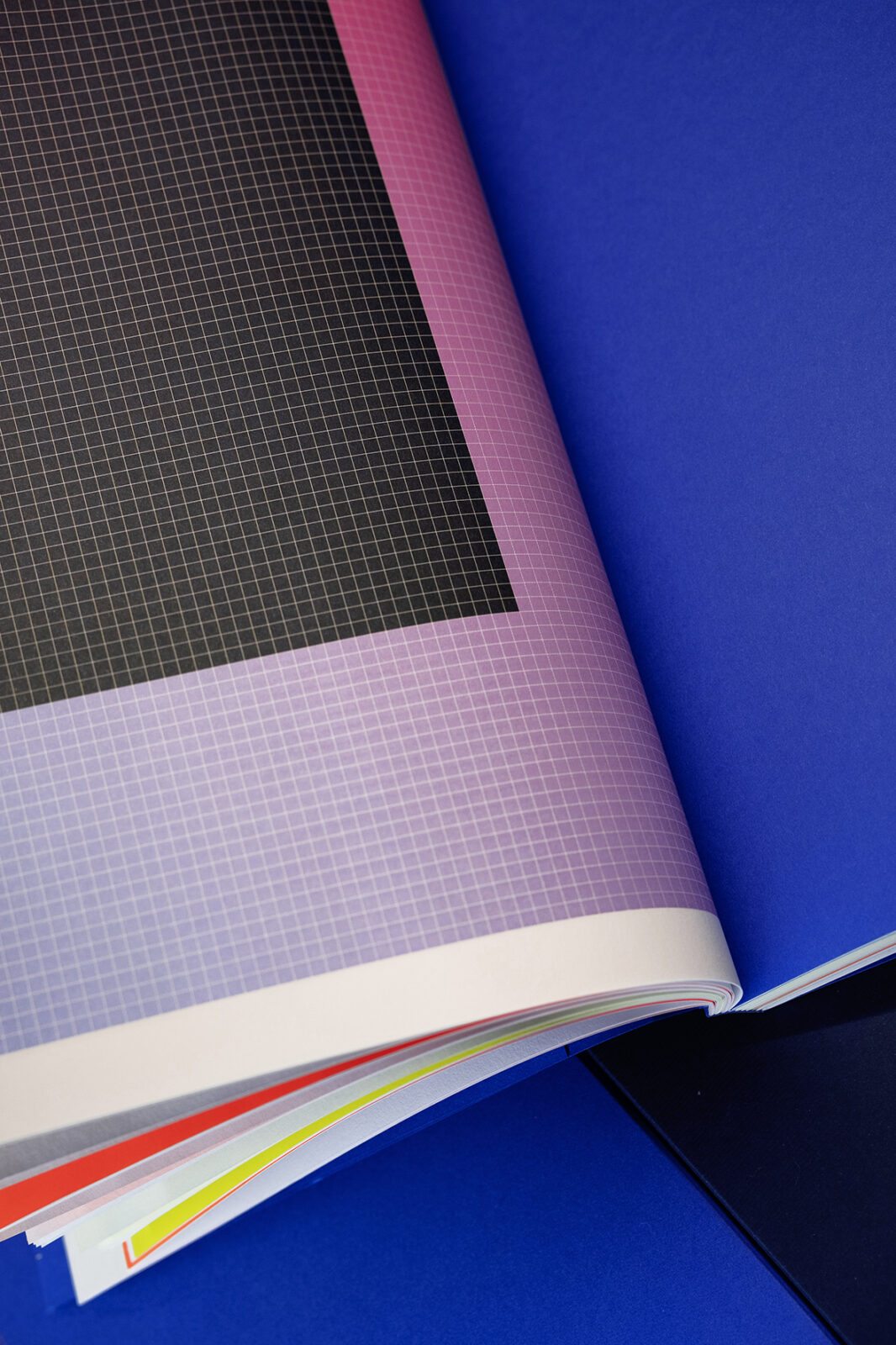
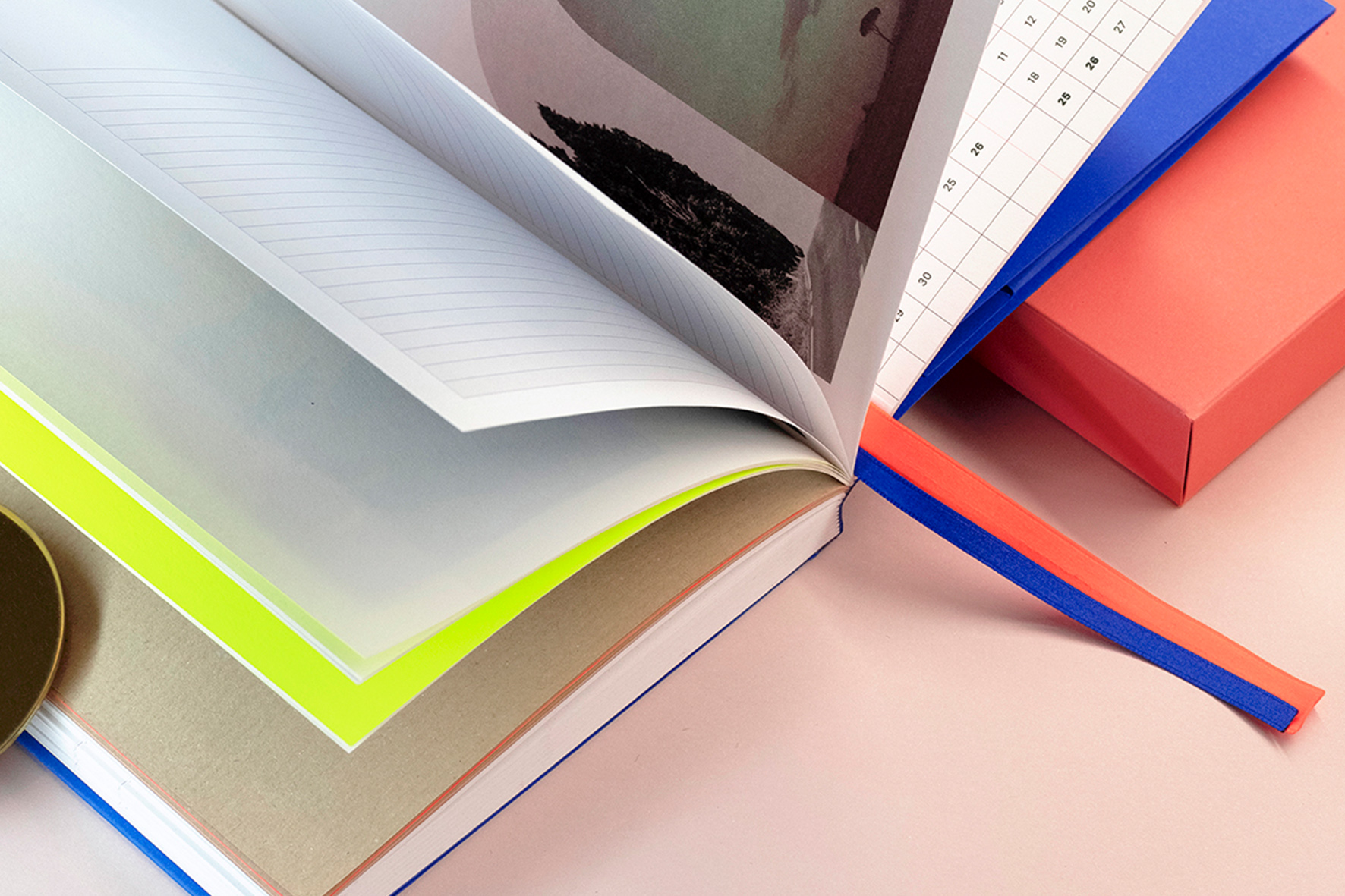
The SCH Stationery collection exists somewhere between contemporary graphic design, artisanal bookbinding, and experimental paper laboratory. The notebooks and notepads combine papers of varying colours, textures, grammages, and finishes with offset printing, photography, and hand-assembled details. The flagship SCH Notebook is especially notable for its technical complexity. “It combines a wide array of different papers, varying in grammage, texture, and colour, printed on with colours we often mix ourselves on the spot, combined with ever-changing designs and motifs, pushing the boundaries of what can still be considered stationery”, Schmidt explains.
Truthfully, I’m always a bit annoyed when someone says, ‘It’s such a beautiful notebook! I will never bring myself to use it!’ I know it’s meant as a compliment, but still — NO! Doodle all over the photos! Use the shapes for your own inspiration!
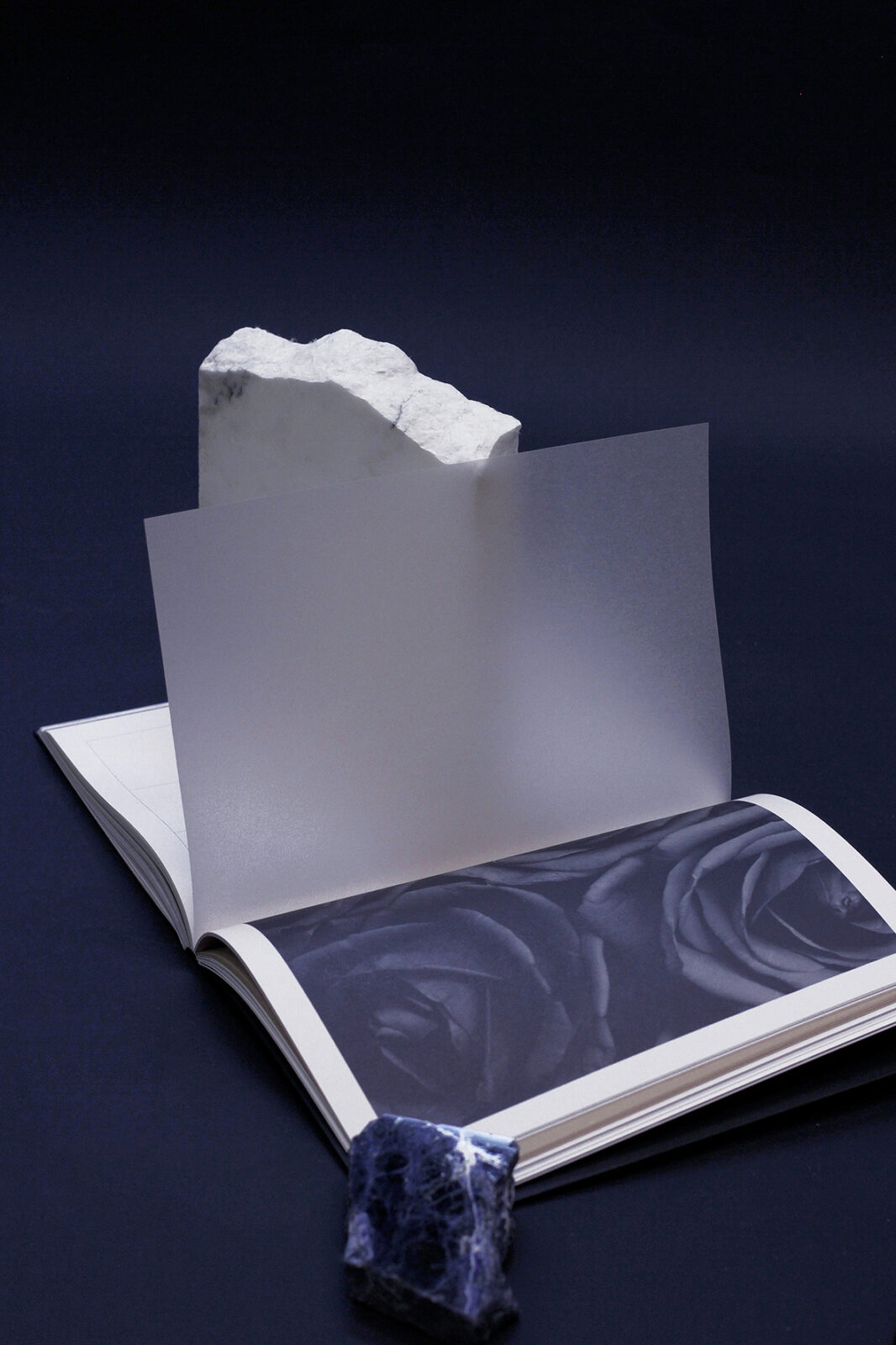
The visual language remains abstract and open-ended, intentionally leaving room for the user’s own associations and creativity. Schmidt photographs all imagery herself, often using film photography to interrupt the writing pages with atmospheric visual moments that create “a dynamic rhythm” throughout the notebook. Importantly, SCH Stationery is designed to be used thoroughly and unapologetically. “Truthfully, I’m always a bit annoyed when someone says, ‘It’s such a beautiful notebook! I will never bring myself to use it!’ I know it’s meant as a compliment, but still — NO! Doodle all over the photos! Use the shapes for your own inspiration!” And perhaps most tellingly, “I’m happiest when I see one of my notebooks completely battered down, leathery, worn, and filled up. I can then imagine they’re out there, leading interesting lives”, Schmidt concludes.
Paper Waste Reimagined Into Design Objects
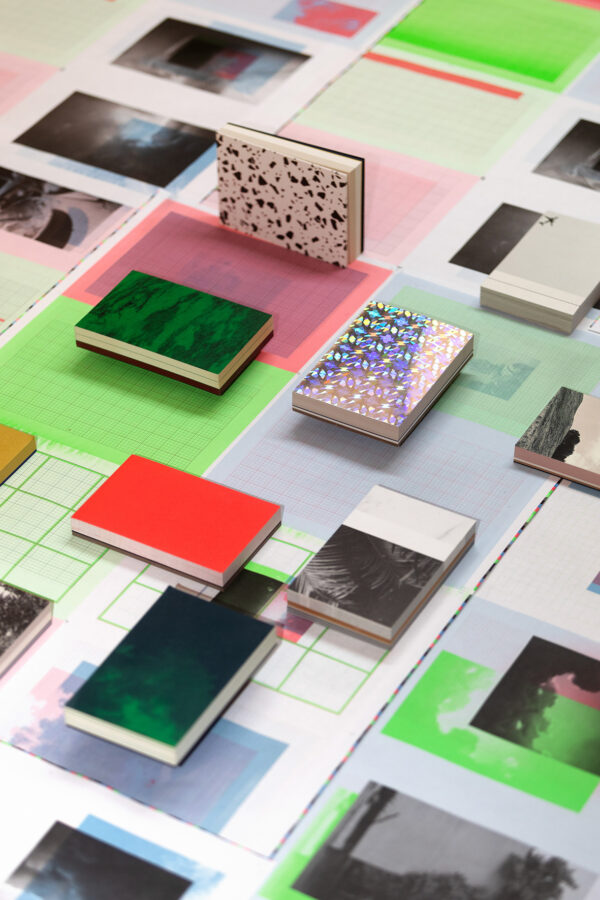
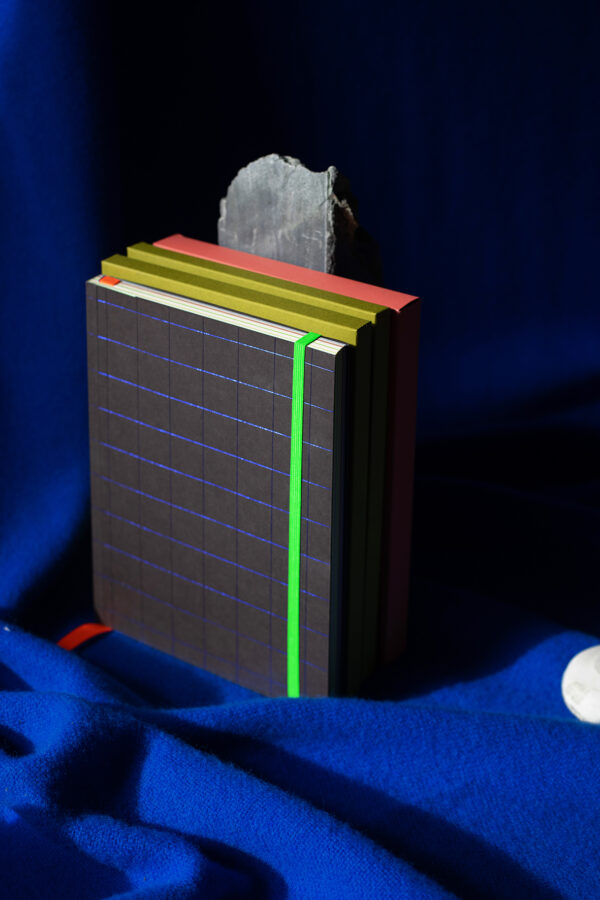
One of the most compelling aspects of SCH Stationery is its relationship with production waste. While working closely with the print house, Schmidt became acutely aware of how much excess paper is generated during offset printing: calibration sheets, test prints, overrun materials, and imperfect combinations that are technically unusable for commercial production.
Instead of discarding them, she transformed these remnants into a secondary line of notebooks and tear-off notepads. “It’s not trash, it just gets discarded,” Schmidt says. “Sometimes the numbers don’t add up, sometimes the printer has to make tests and calibrations, and even if the results aren’t useful for the Notebook, they’re still fascinating, with overlapping motifs and mixed colors.” The resulting products are inherently unique. “No two of them are the same — every one of them’s an original.” The notebooks and notepads use waste paper in different colors, weights, textures, and designs sourced from Slovenia, Italy, Austria, and France.
Limited Editions, Neon Yellow, Recycled Jeans & Happy Accidents
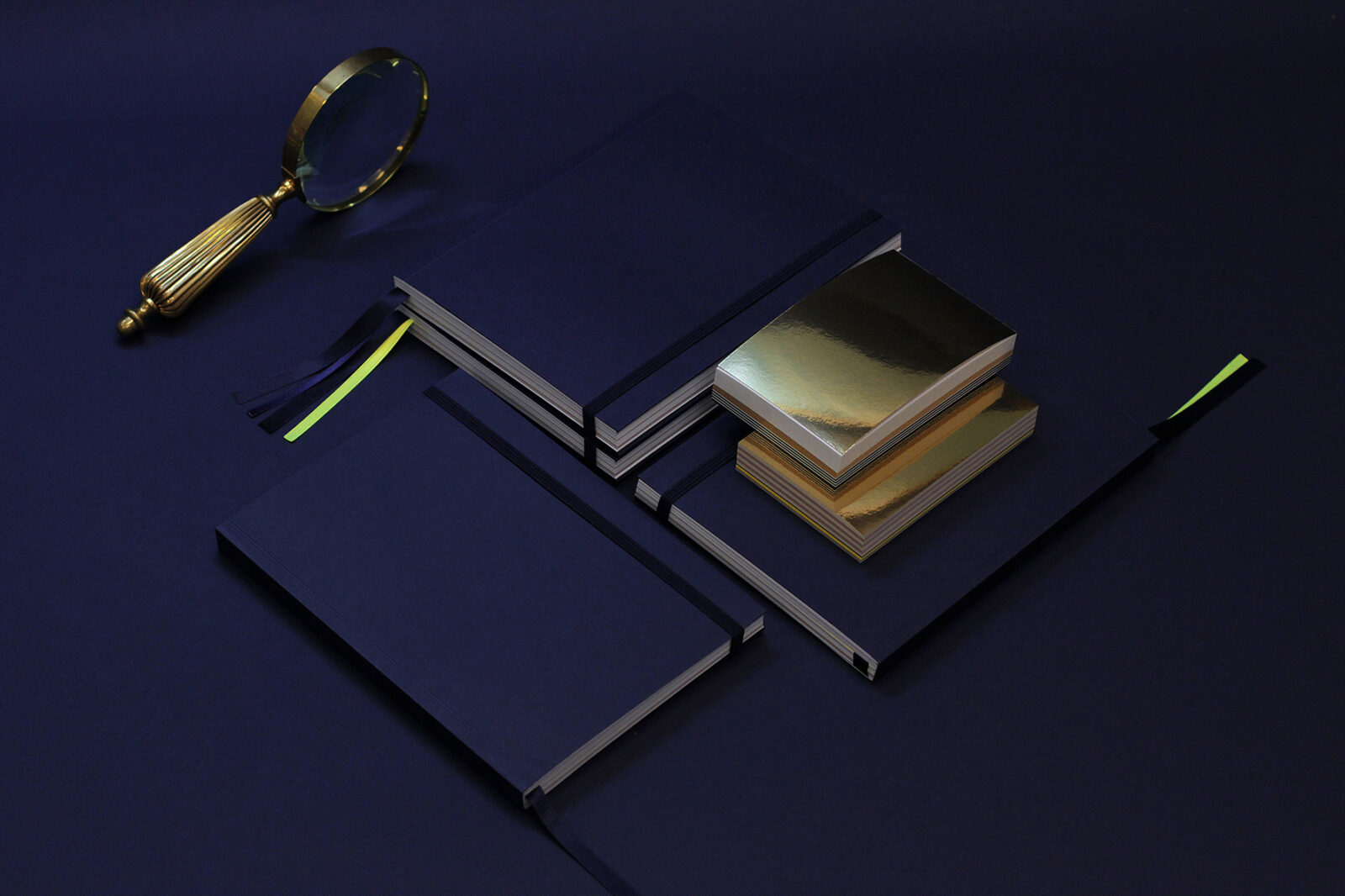
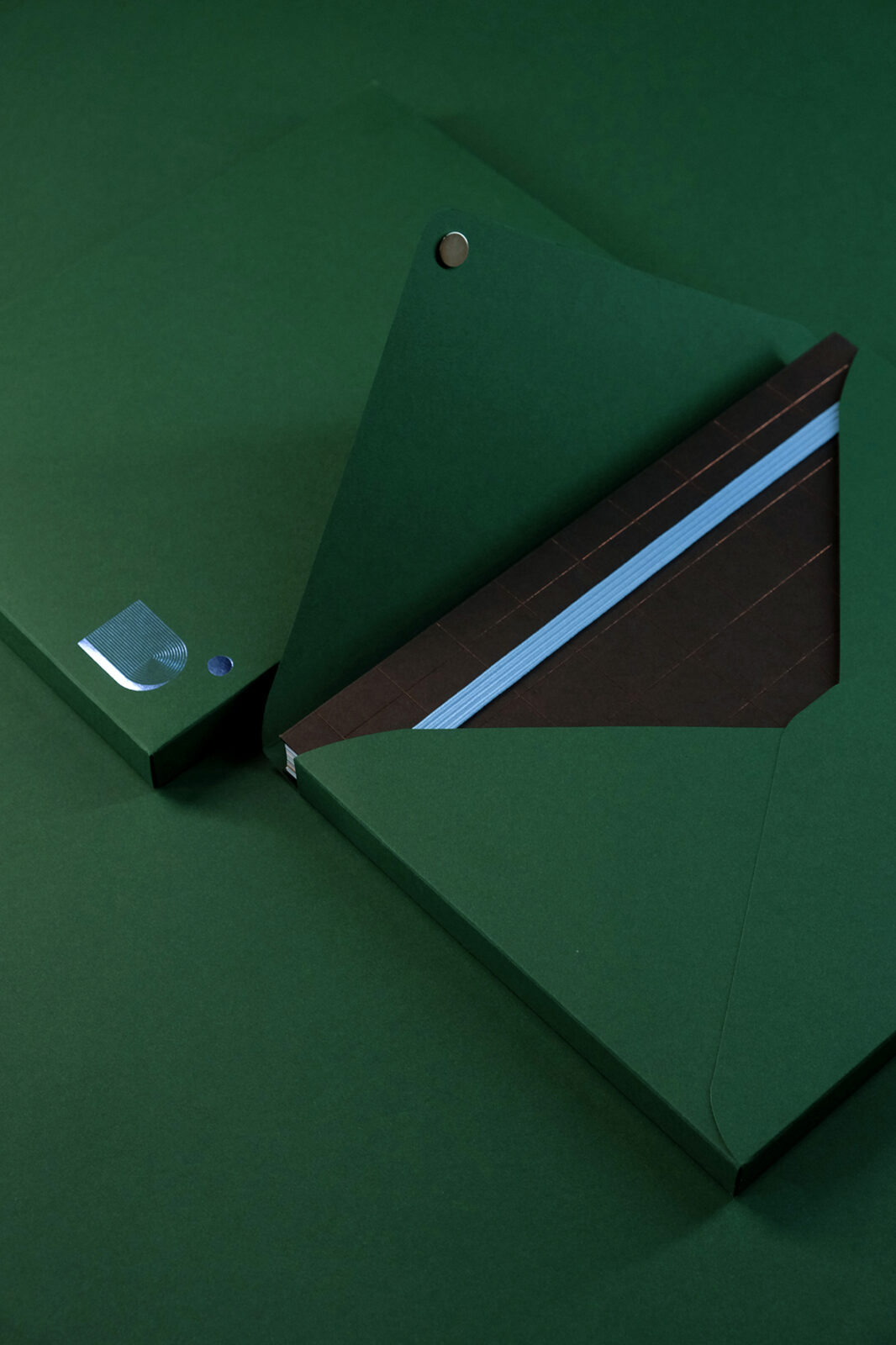
SCH Stationery products are produced only in limited editions, partly because of the handmade finishing process and partly because Schmidt refuses to compromise the integrity of the objects. Once printed and bound, every elastic, marking band, and interior pocket is assembled manually by Schmidt herself. “Each single one takes about half an hour to complete—now do the math.” Although she briefly considered simplifying the products for scalability, she ultimately rejected the idea. “There’s an insanity to it I love and respect, so it remains limited — and insane.” That commitment to craftsmanship is deeply embedded in every detail, from the paper selection to the tactile durability of the covers.
Ivana Banović, the Slovenian Europapier Sales & Marketing Manager for Paper & Packaging, gave me a new sample book where I found a new neon yellow paper I simply HAD to have.
Like many designers deeply immersed in materials, Schmidt often begins with paper itself. The upcoming 2026 Notebook edition emerged from precisely that kind of fascination with material. The catalyst? A neon-yellow paper found in a Europapier sample book. “Ivana Banović, the Slovenian Europapier Sales & Marketing Manager for Paper & Packaging, gave me a new sample book where I found a new neon yellow paper I simply HAD to have.”
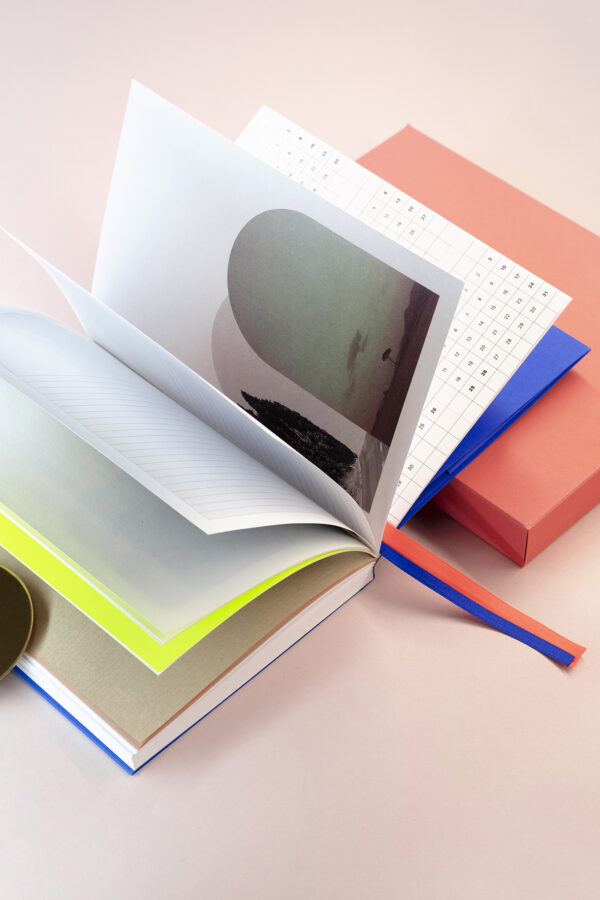
The paper in question is the Europapier Color STYLE Neon 80 g/m², which Schmidt describes as “the star” of the edition. But perhaps even more interesting is the inclusion of Refit Denim Dusk Blue — a paper made from recycled jeans. “It has an unusually soft, almost silky, waxy texture, but it’s also a very thirsty paper.” Printed with gold Pantone ink, the absorbent surface produced unexpected effects. “The way it soaked up the ink gave it an almost glittery effect, even if it’s an uncoated paper.”
The printing process itself became an emotional experience. “When we started printing, the printer was entirely upset, screaming, ‘I love it! It’s all wrong!! But I love it!” That openness to material unpredictability feels central to SCH Stationery’s identity. Rather than controlling paper completely, Schmidt collaborates with it.
What Makes A Good Paper?
Schmidt approaches every paper functionally as well as emotionally. Different papers are assigned different roles throughout the notebooks. “The paper used for the majority of the notebook has to be pleasant to write on; I always test those papers with as many different pens as I can find.” For covers, durability matters, as “the paper I use for the cover has to be sturdy but not too rigid, so the cover doesn’t start to tear when you open the notebook 15 times a day, every day.” At the same time, she values surprise, tactility, and emotional response. “When people who don’t usually think about paper (as designers do) start noticing it, touching it, and feeling it (‘Ooooh! Wait? What’s THAT?!’), you know you’ve won.”
Asked what paper she herself would be, Schmidt answers with characteristic humour and honesty. “Uncoated, definitely. Low to medium grammage, probably. Currently, I’m rather intrigued by the Clairbook 1.5 Natural White line — and doesn’t one always wish to be intriguing? And as classy, elegant, and refined? But then catch me on a different day, and I’m Fluo Poster Orange, trashy and loud and one-sided. I also always get a good laugh out of myPur Coton papers, named Smoke, Absinthe, and Cocaine. Oh, to be a fly on the wall at that meeting! So maybe I’m somewhat similar to my notebooks, an eclectic mix that hopefully leads an interesting life.”
Slovenian Craftsmanship With International Appeal
Today, SCH Stationery notebooks and notepads continue to embody a distinctly Slovenian approach to thoughtful material design and craftsmanship. Produced in collaboration with boutique local artisans and printers, the collection demonstrates how stationery can remain experimental, tactile, and deeply human in an increasingly digital world.
Ajda Schmidt’s work spans graphic design, photography, publishing, and lecturing, with a strong focus on culture and science-related projects. Since 2023, she has also been a guest lecturer at the Academy of Fine Arts and Design in Ljubljana. You can explore more of Schmidt’s work and behind-the-scenes glimpses of SCH Stationery through her personal and studio Instagram accounts.