 A book shaped by time
Although parts of the project were published and exhibited as early as 2015, the book in its current form appeared more than eleven years after the residency. This long process shows. The result feels considered rather than reactive—less an immediate commentary, more a time‑lapse reflection.
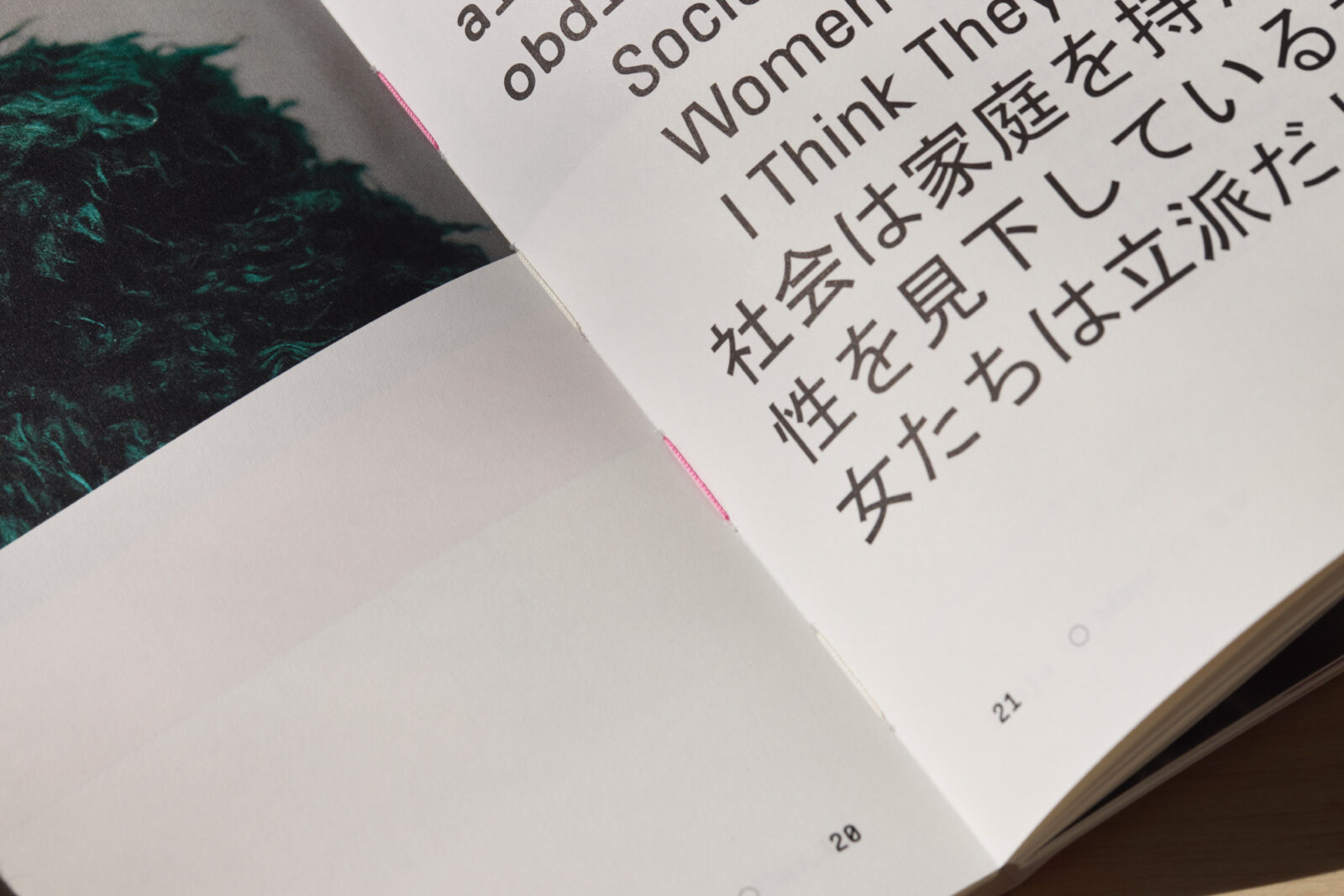
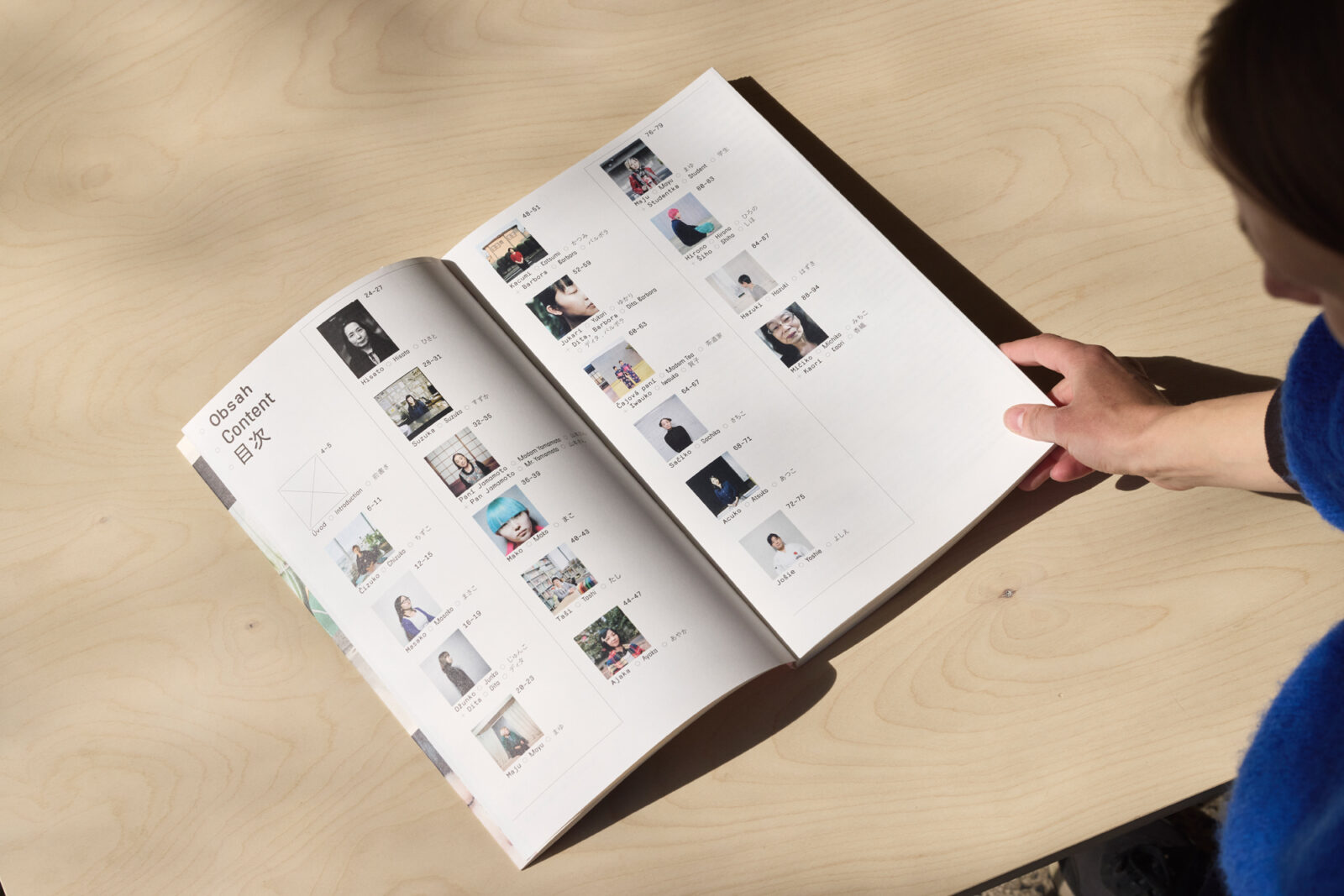
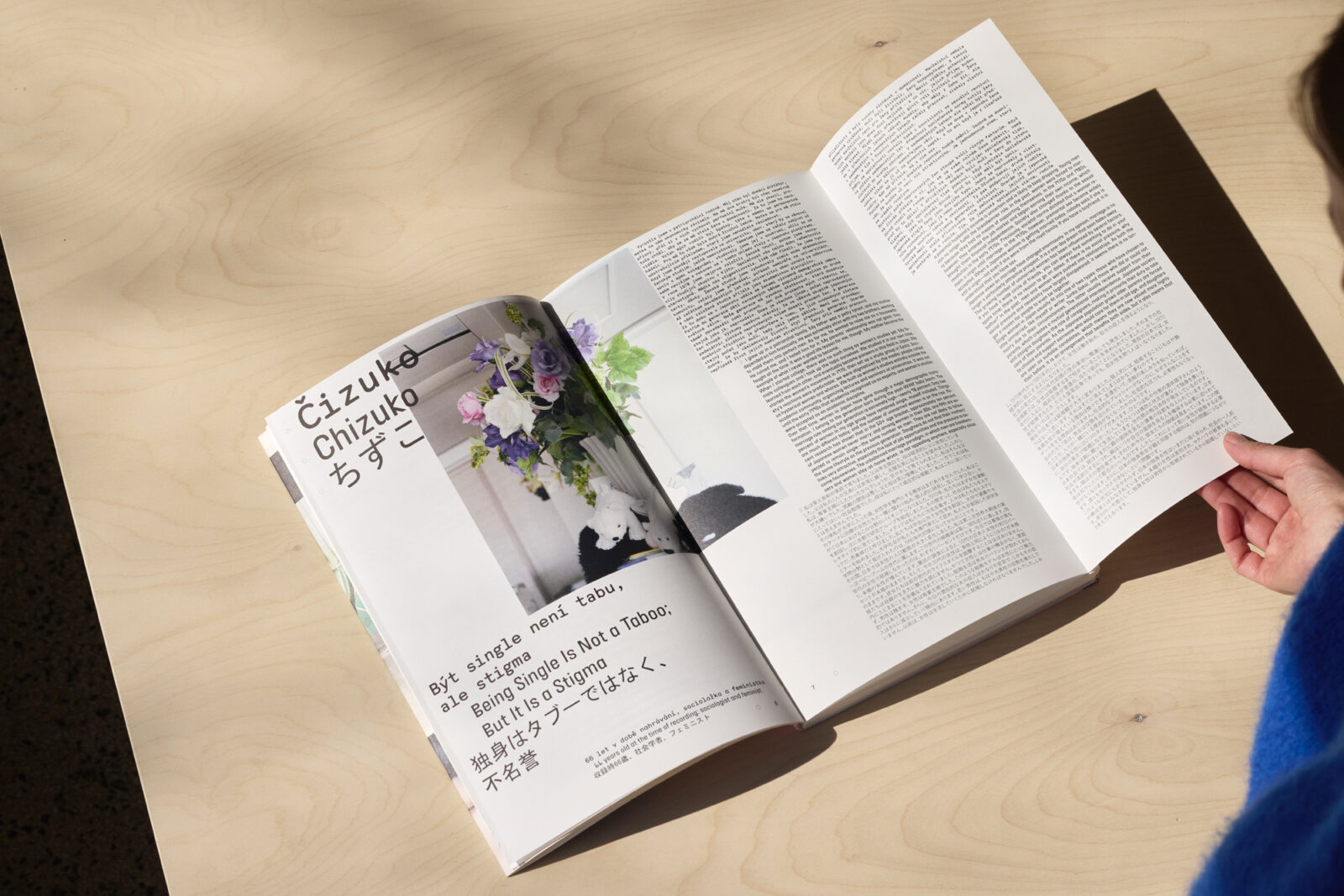
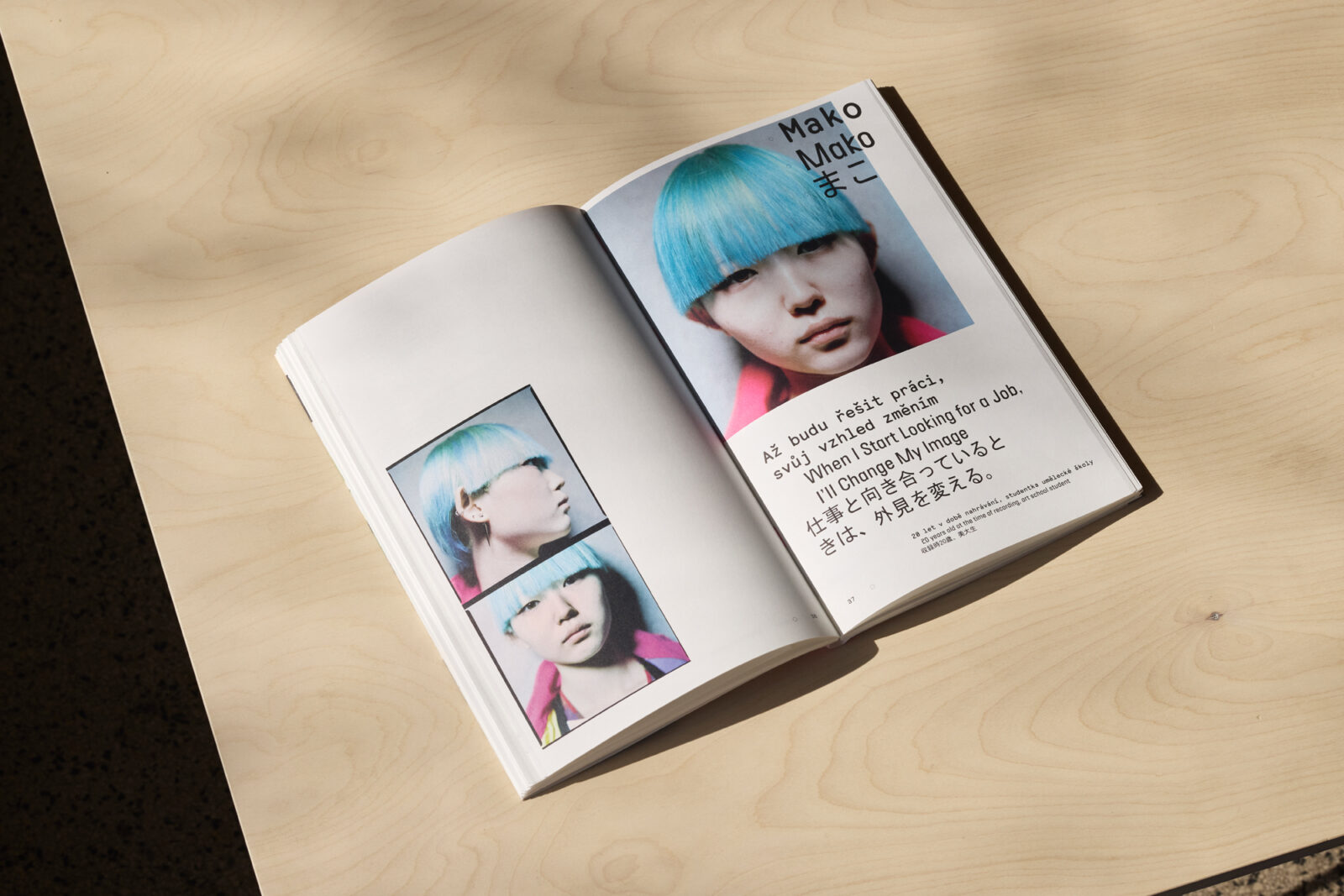
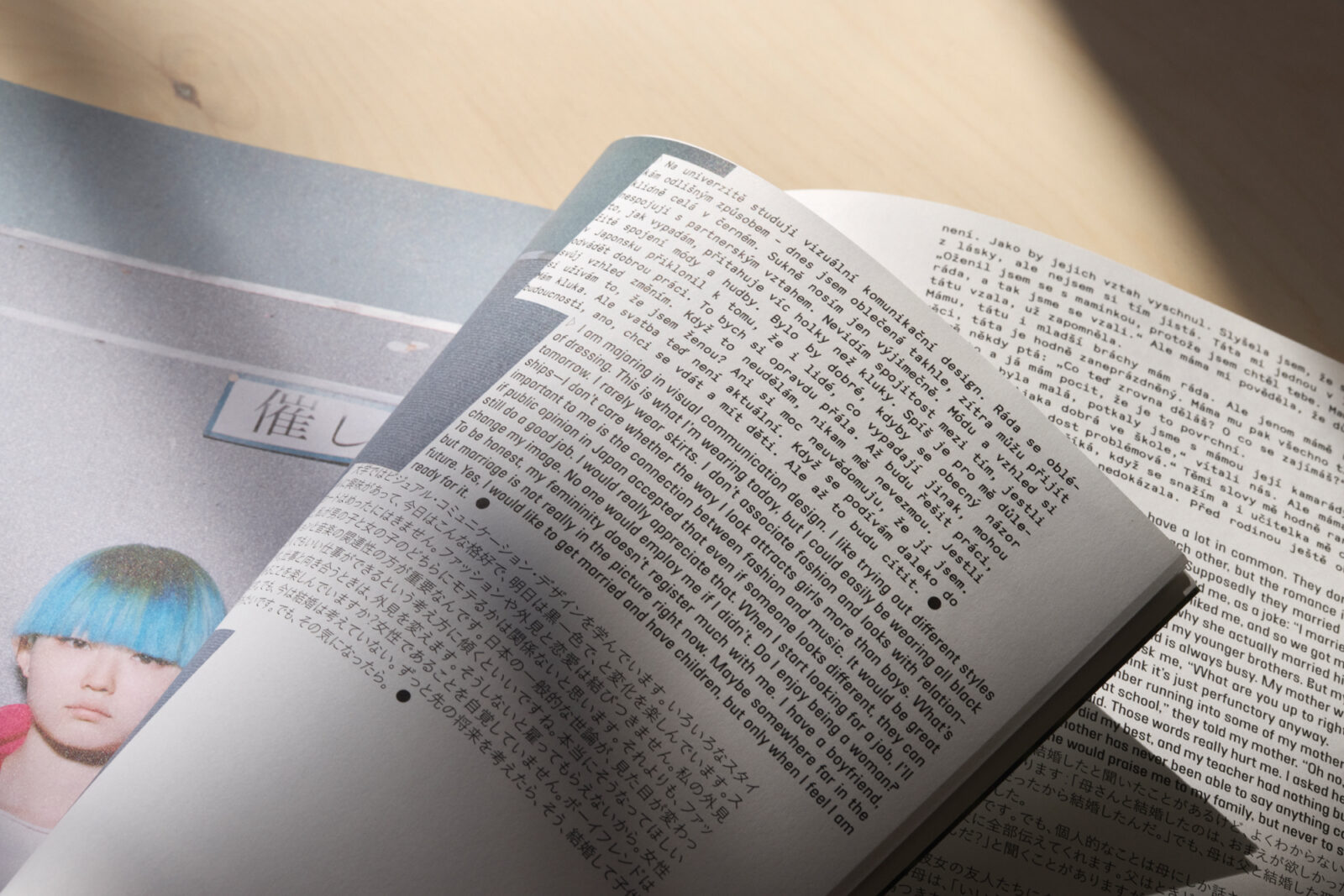
The book’s trilingual format reinforces its ambition: this is not a local story framed for outsiders, nor an external critique imposed from afar. Instead, it allows the subject to resonate internationally, while respecting its cultural specificity.
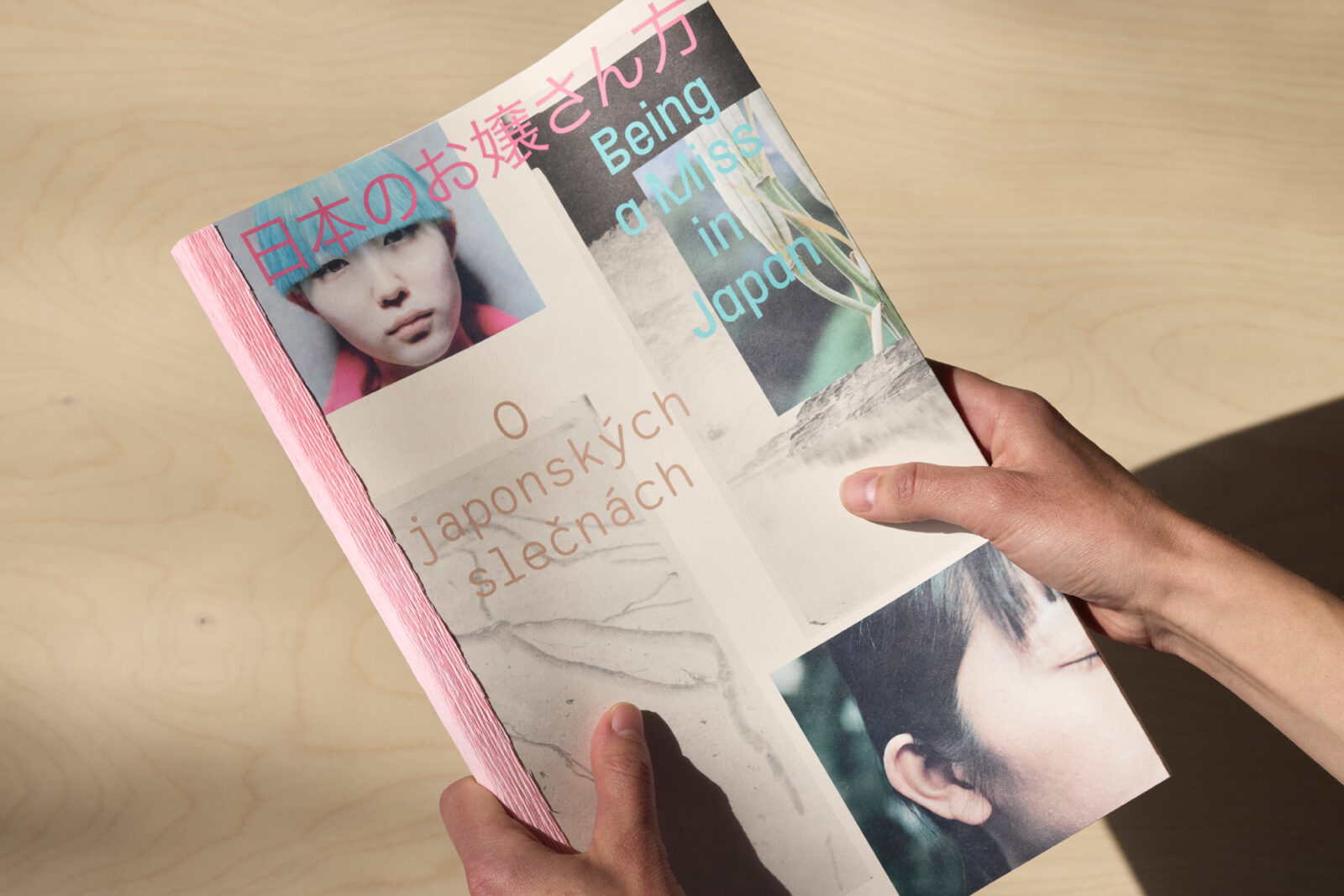
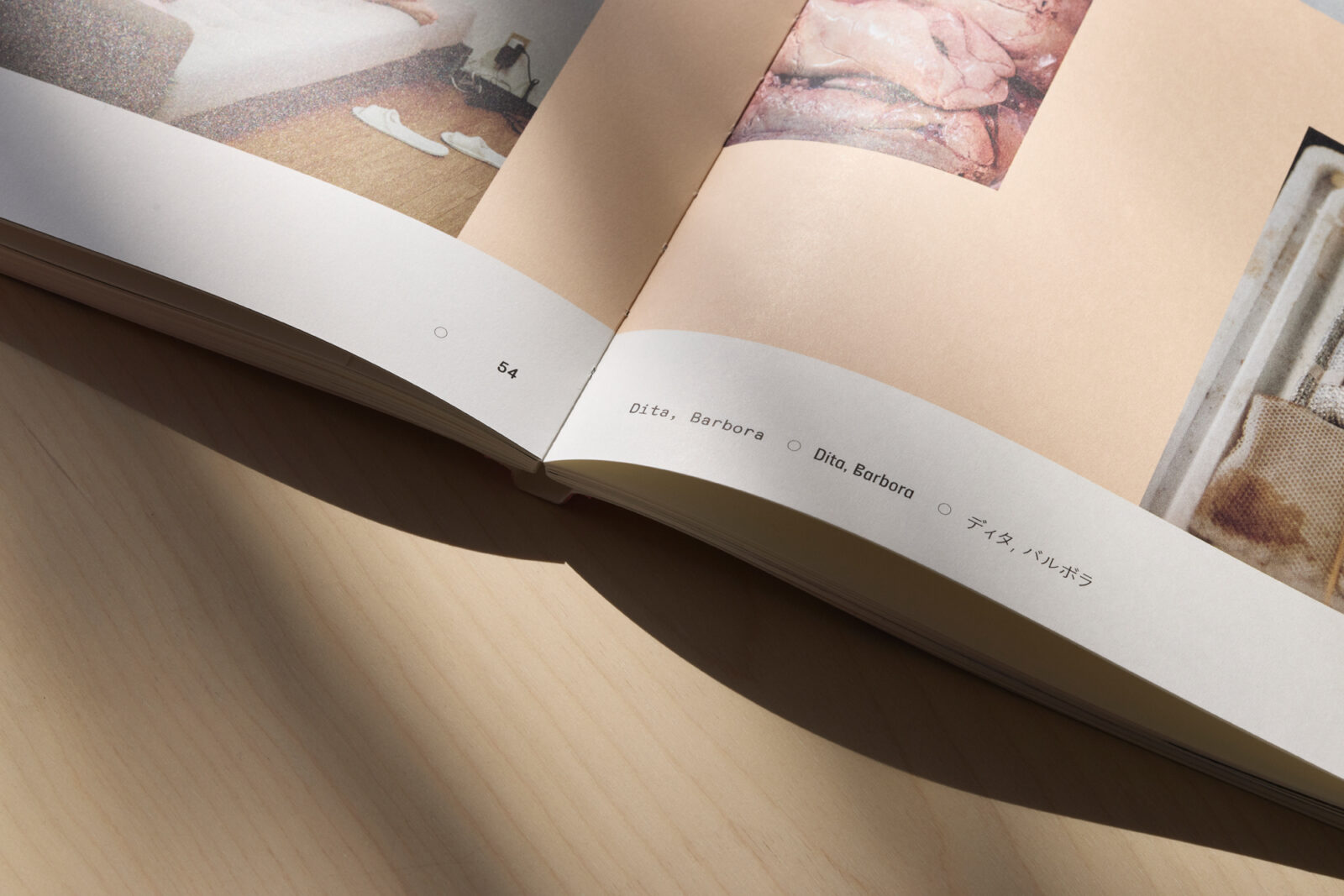
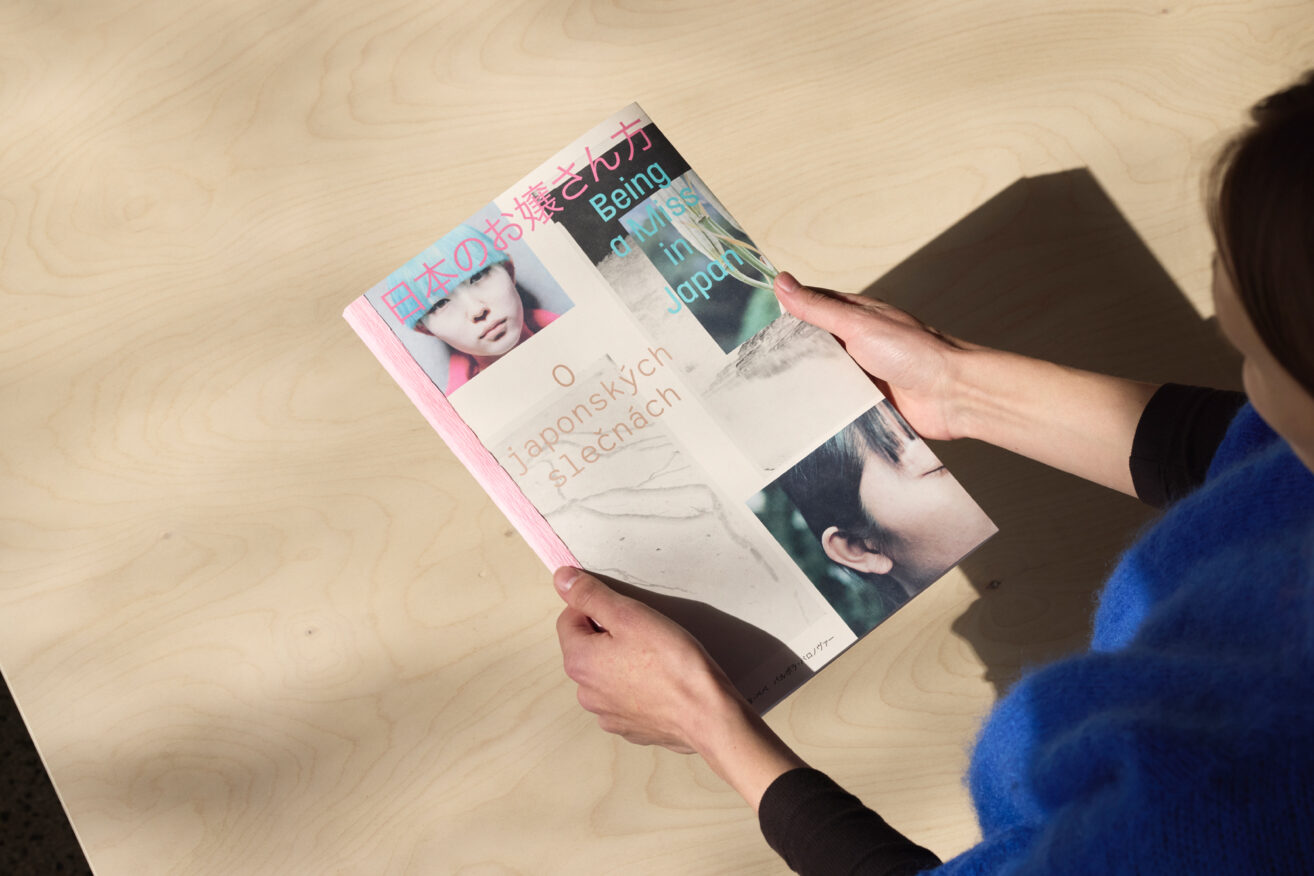
Being a Miss in Japan was designed with care by Milan Nedvěd, a Czech studio with emphasis on typography, whether for screen or paper.
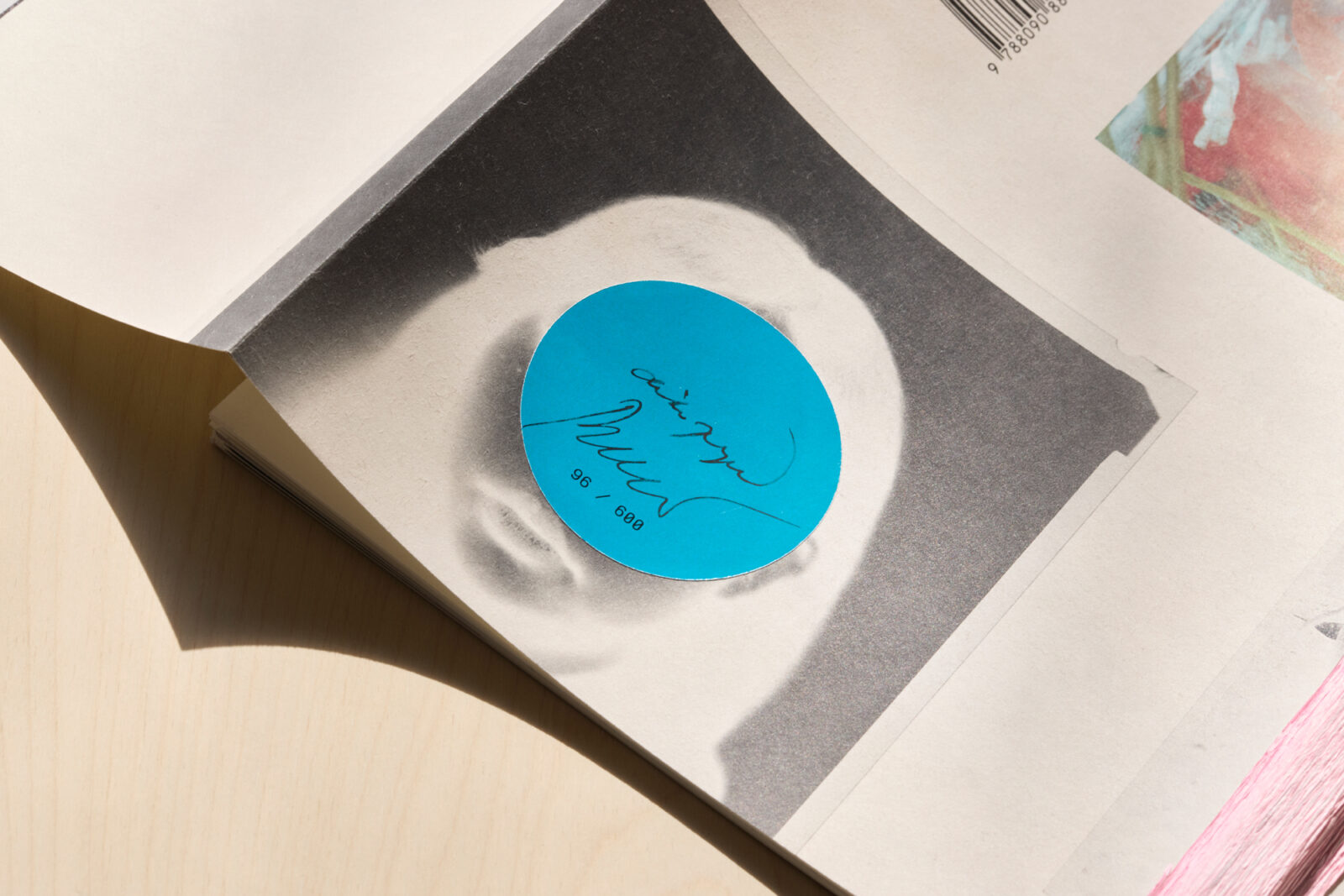
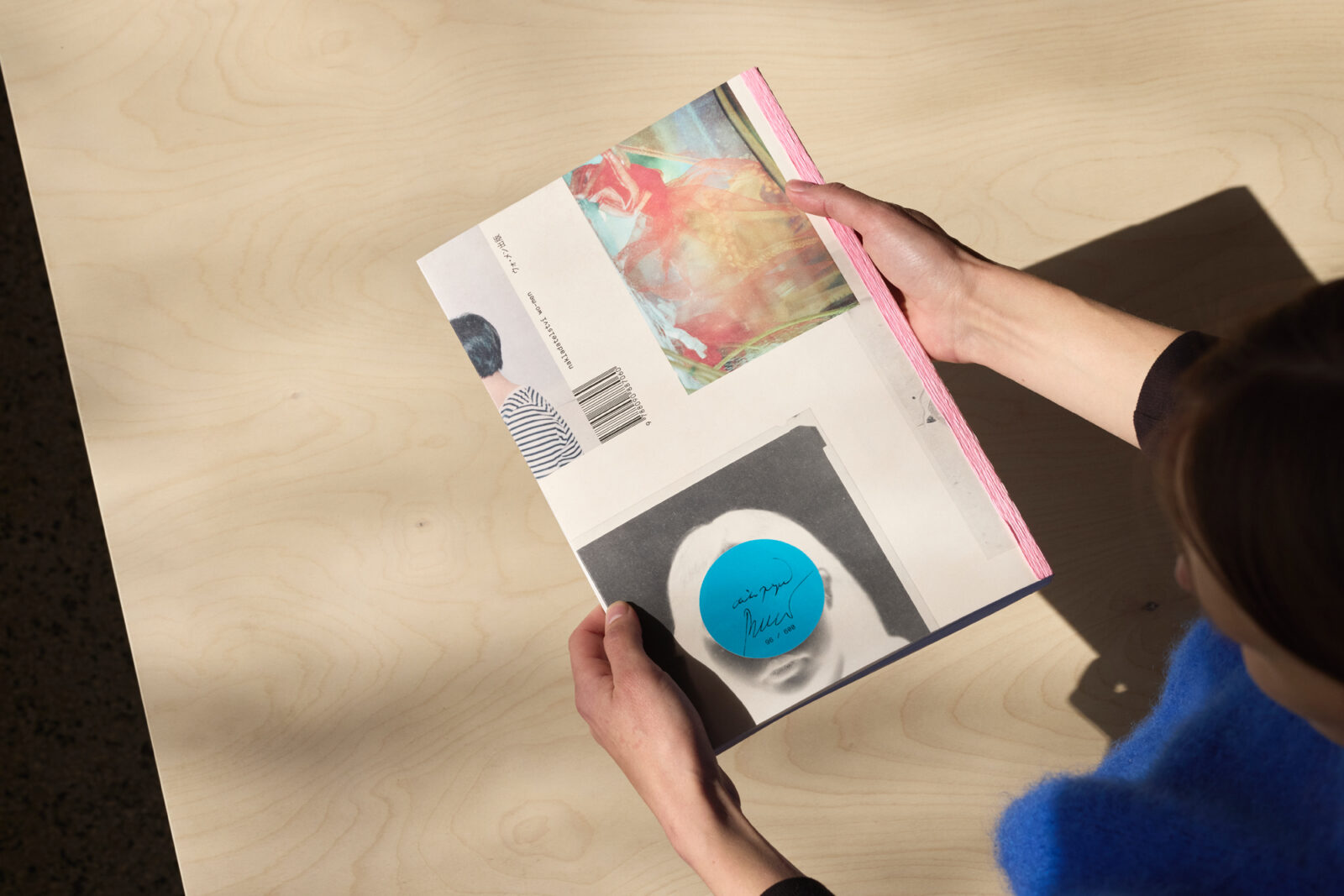
The book is published in a limited edition of 600 copies only. All books are numbered and signed by the authors Dita Pepe and Barbora Baronová.
The graphic design was created with care by Milan Nedvěd and Laura Morovská. Over the past twenty years, Milan has worked across digital and advertising agencies as well as IT consultancies in Prague and London. Laura is an independent graphic designer, specializing in visual storytelling, book design, visual identitites and multidisciplinary projects with a focus on typography, color, and materials.
Material as meaning
What elevates Being a Miss in Japan beyond documentation is the way its physical form mirrors its conceptual care.
The book is fully UV printed throughout, demanding a material that could withstand both the technical requirements and the emotional weight of the content. The final choice fell on lahnur®, elevating the initially intended synthetic Neobond material. Durable and recyclable, lahnur® met the highest standards for UV printing—while being significantly more eco‑friendly. Its tactile quality matters. The cover does not shout, but it holds its ground—much like the women whose stories fill the pages.
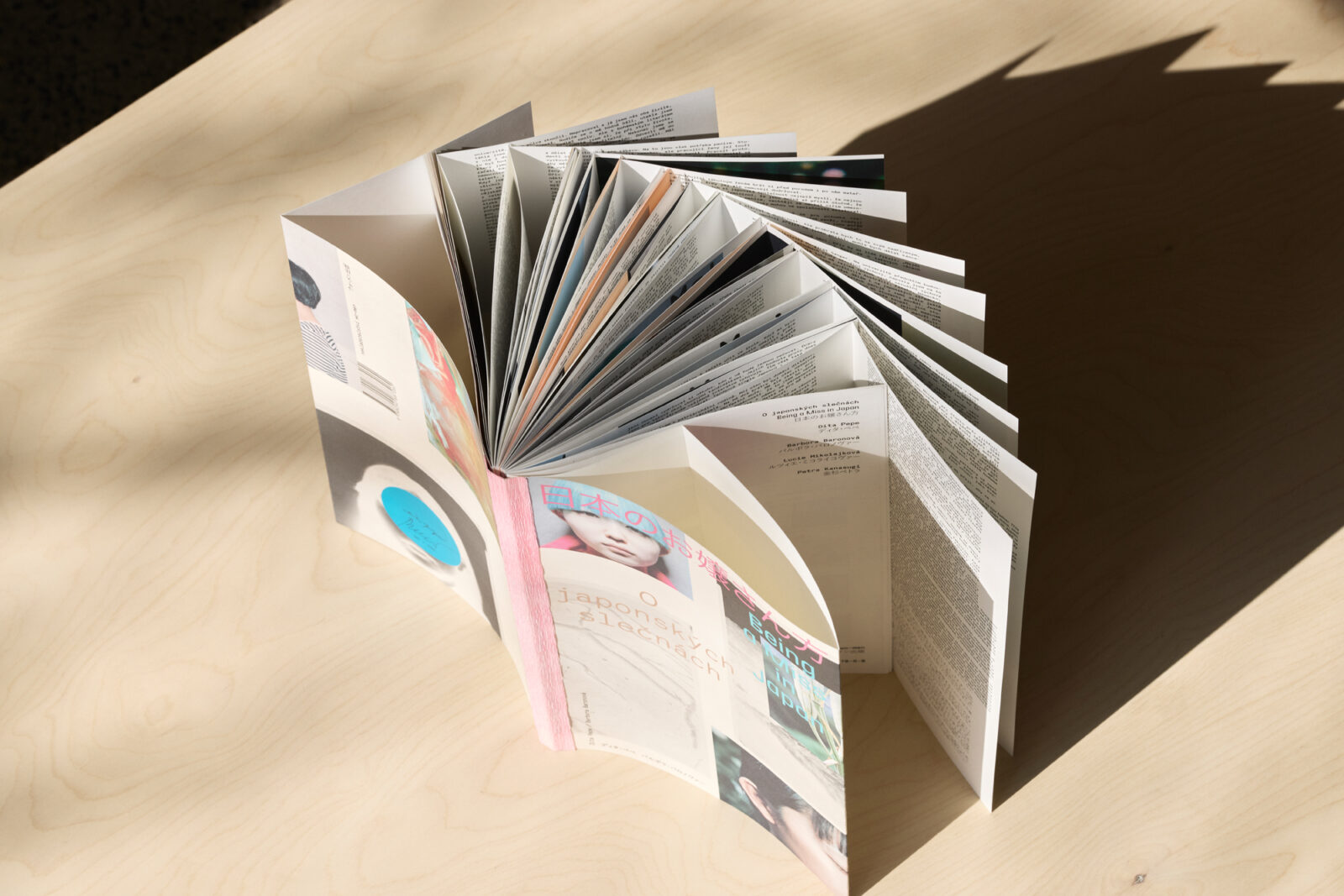
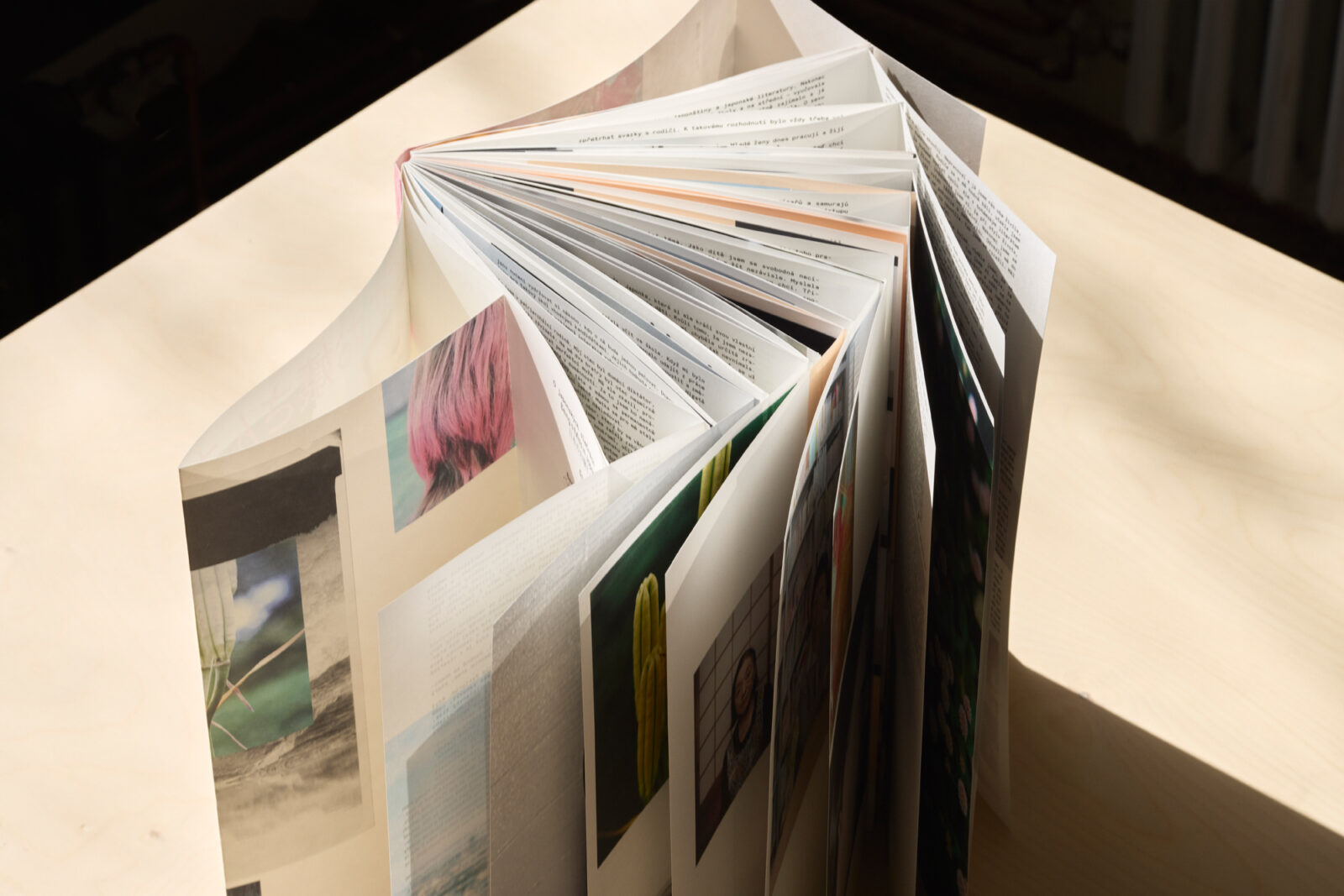
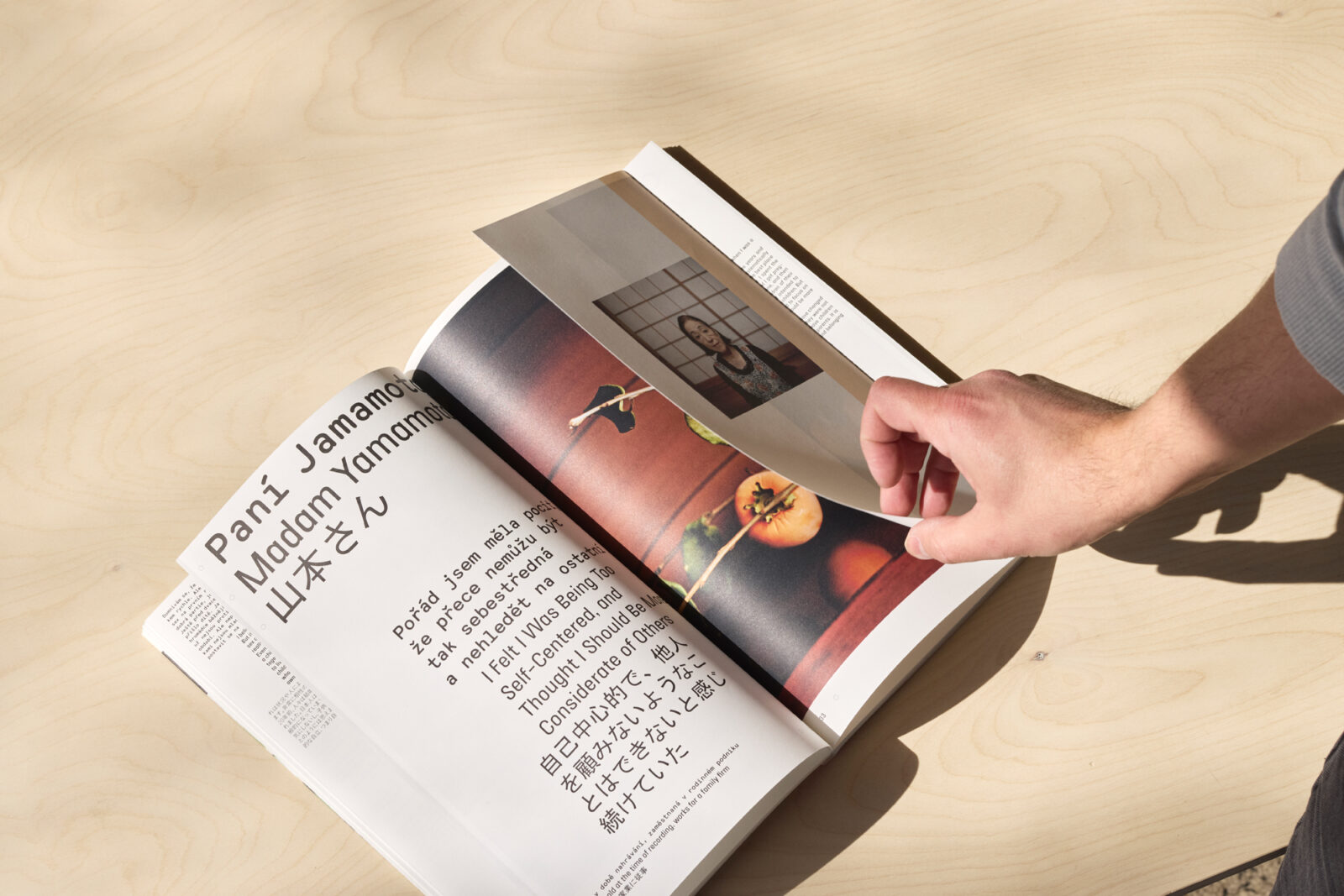
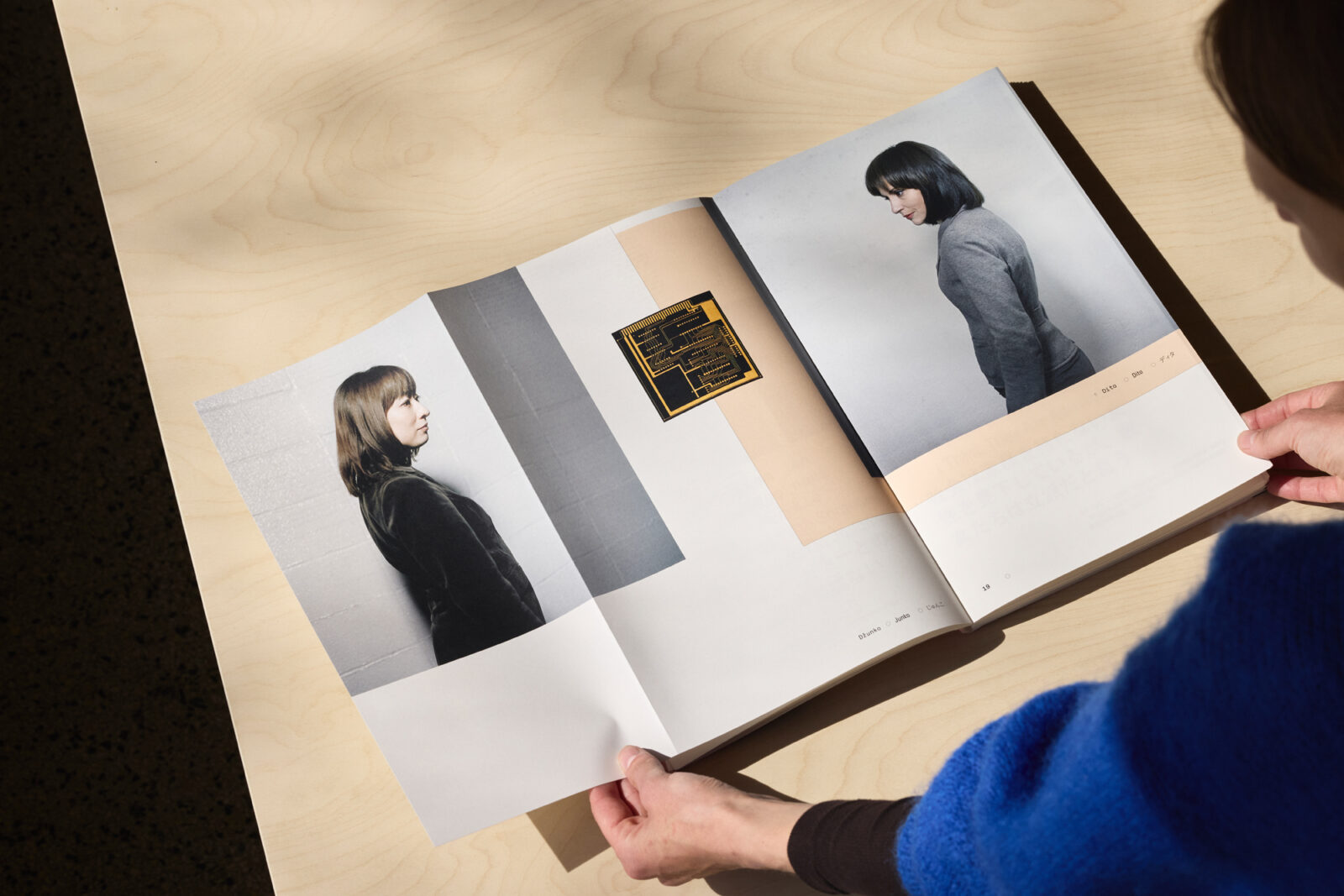
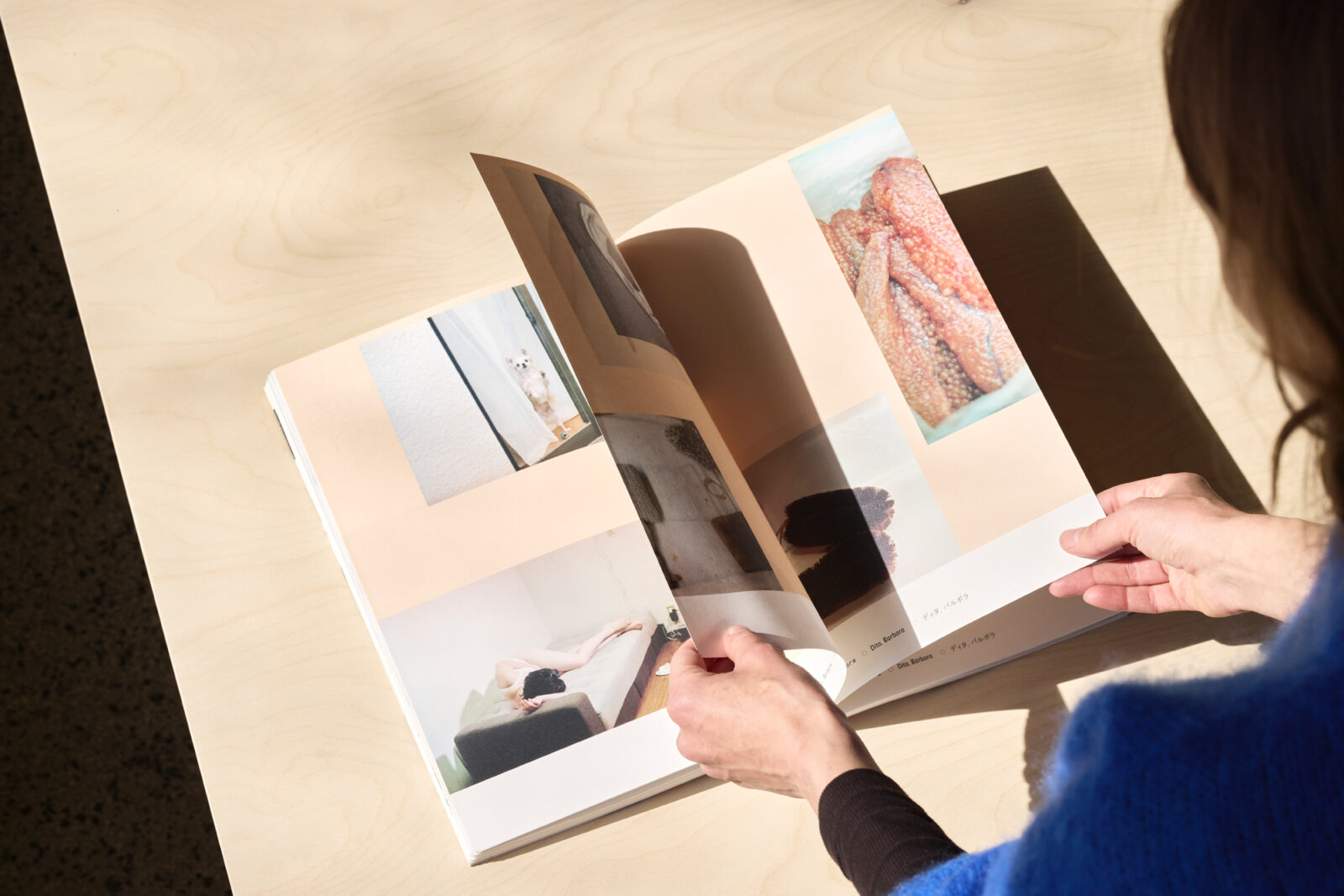
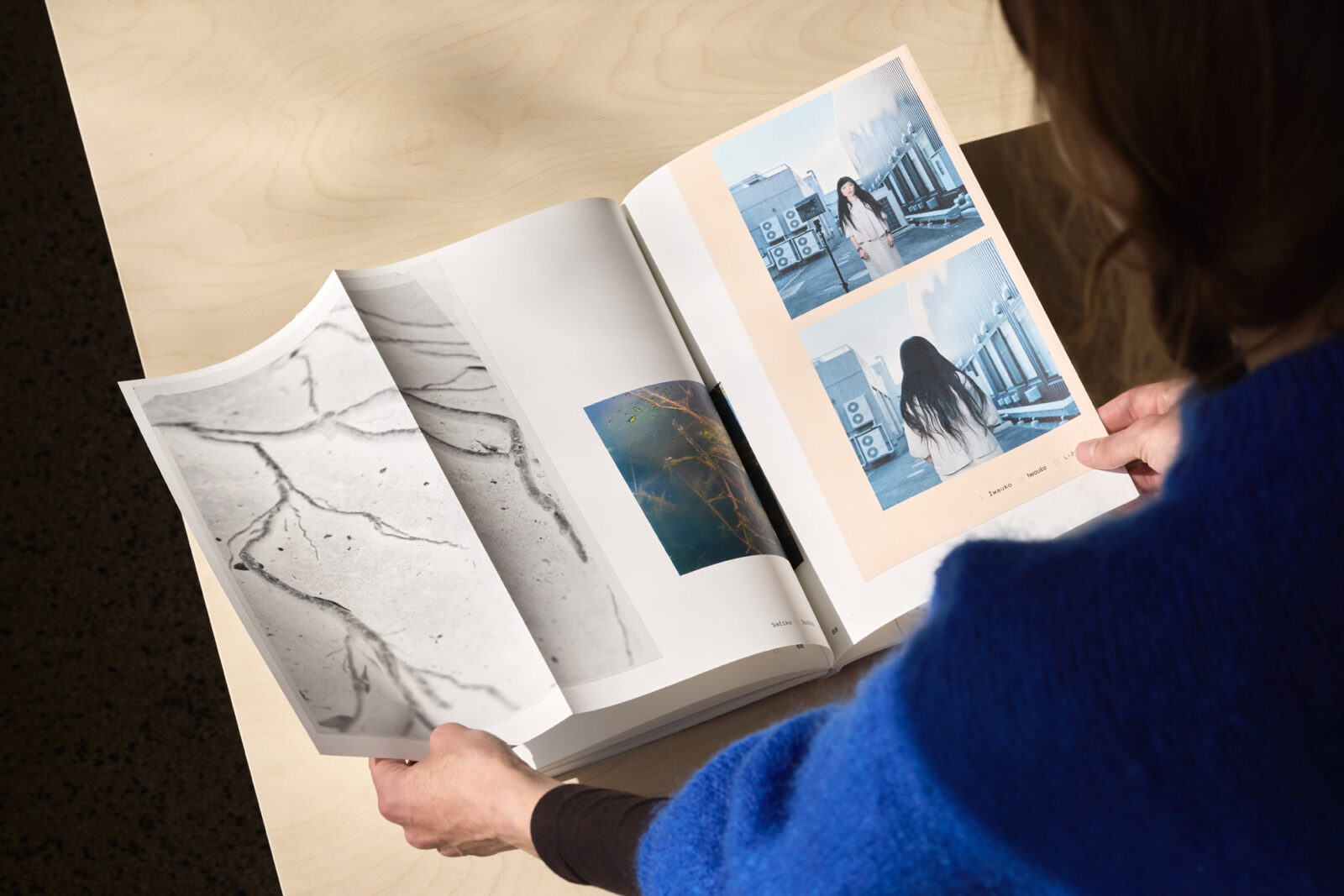
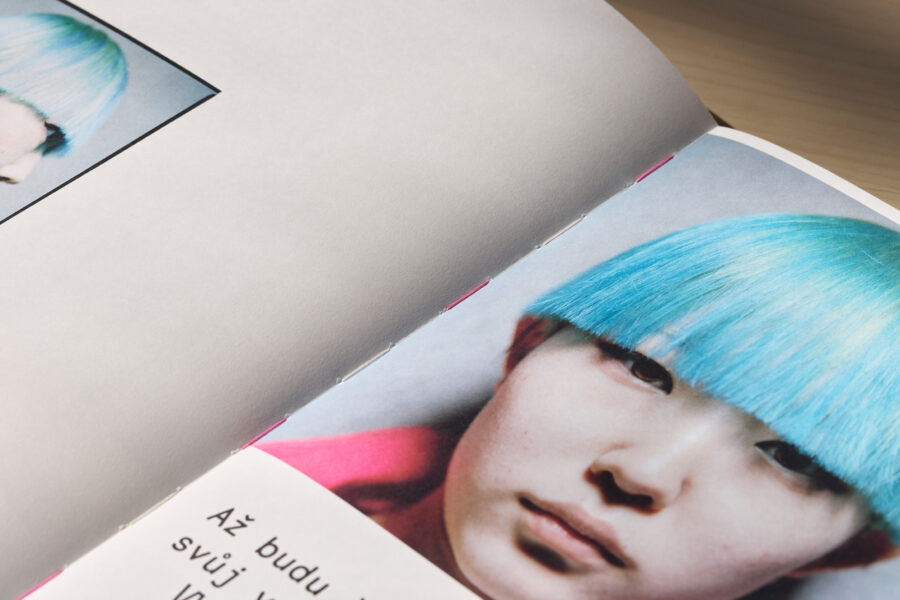
With a high number of fold‑out pages, the finishing requires an exceptional level of precision—each detail handled by hand, insisting on care and craft
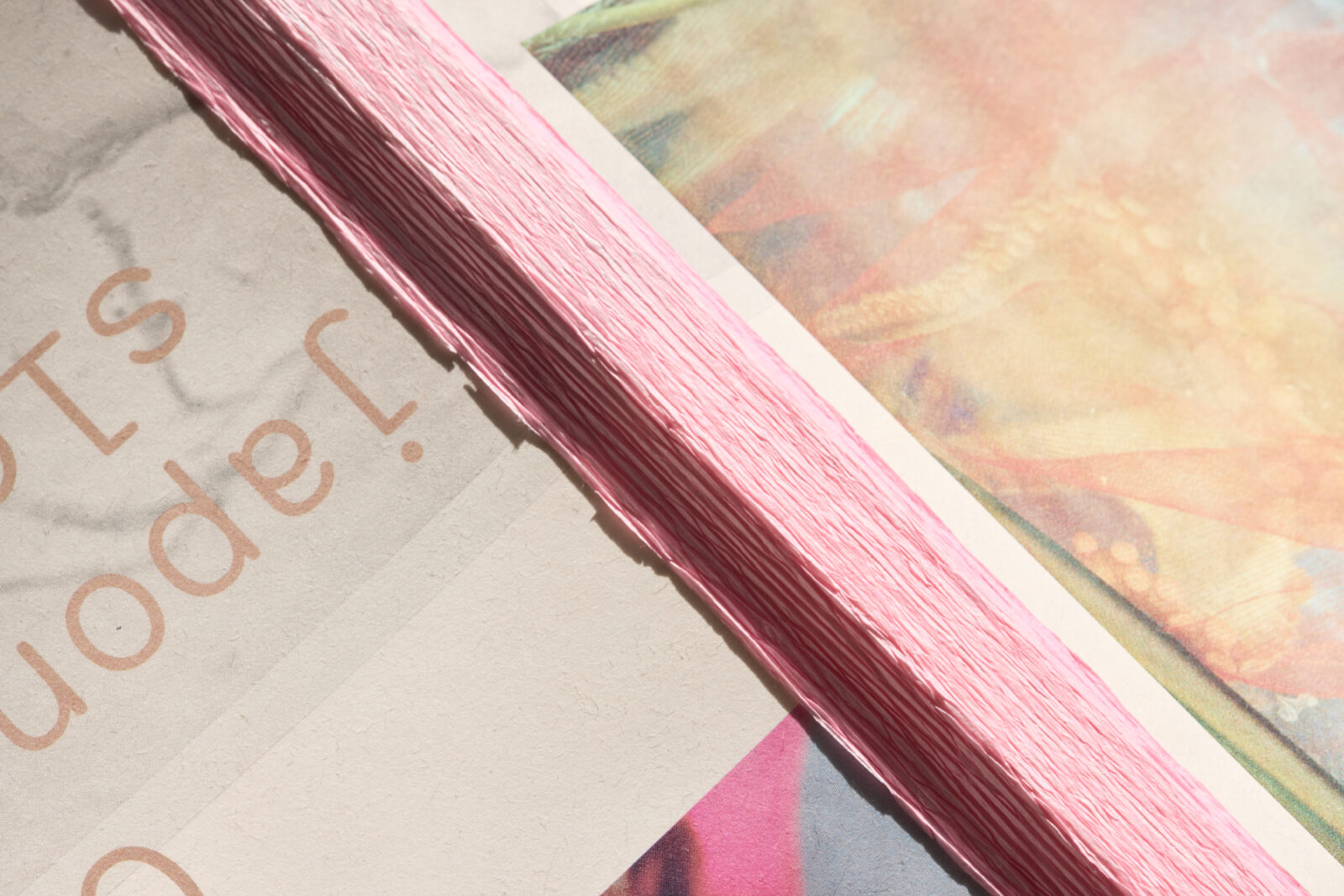
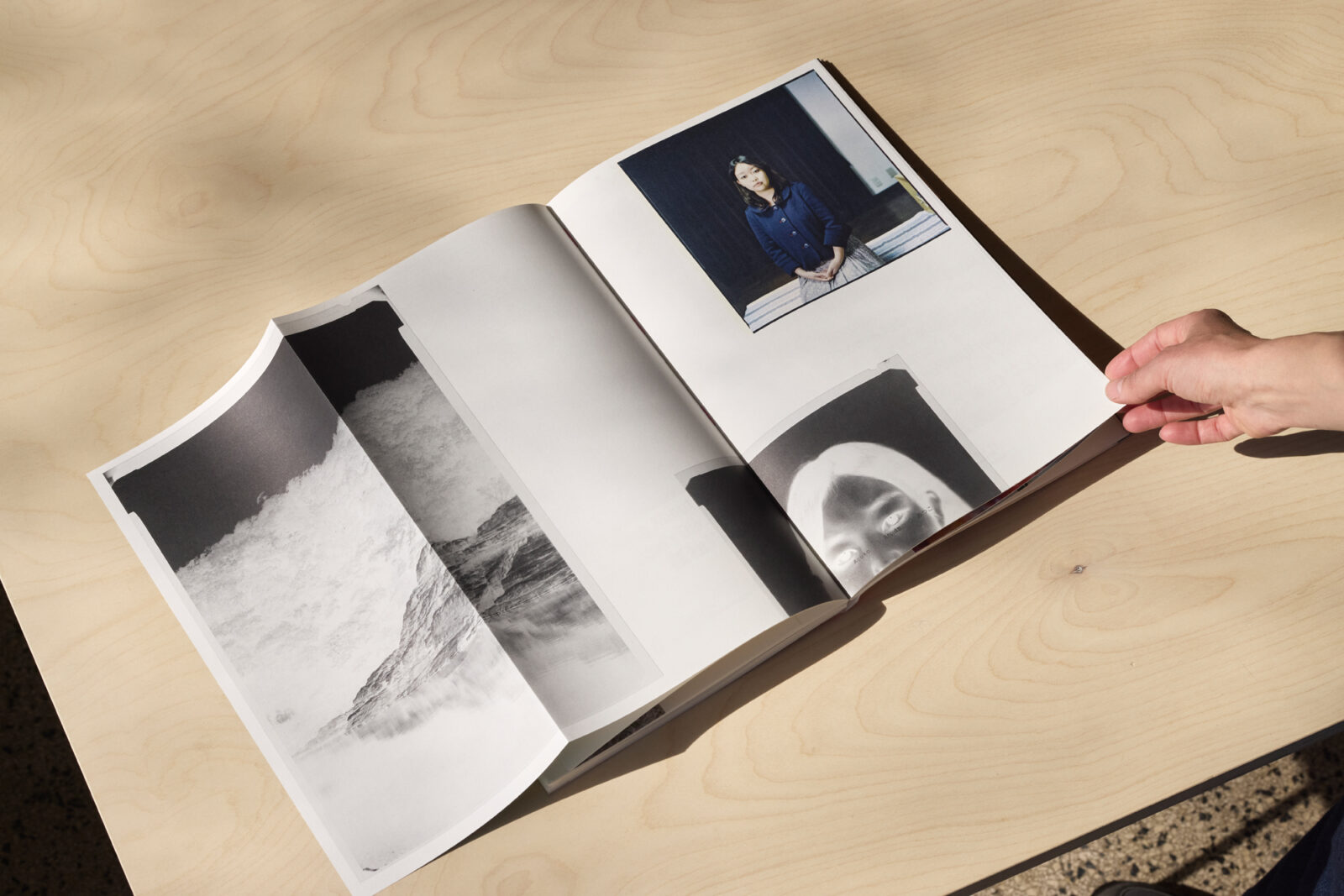
The production process itself feels almost radical in today’s context. Every copy is hand‑assembled and carefully collated, allowing for the integration of a special Italian crepe paper whose presence is felt as much as seen. The book is bound using Otabind, enabling it to open completely flat and inviting an unbroken reading experience. With a high number of fold‑out pages, the finishing requires an exceptional level of precision—each detail handled by hand, each decision reinforcing the book’s quiet insistence on care and craft. Each decision feels intentional, not just decorative.
Why this book matters—now
Being a Miss in Japan does not attempt to resolve the stigmas it reveals. It simply gives them space, voice, and form. In doing so, it reminds us that print remains one of the most powerful tools for holding complexity—especially when the subject resists simplification.
This is a book you don’t rush through. You open it fully. You sit with it. You let the paper, the language, and the images do their quiet work. And perhaps that is its most contemporary quality of all.