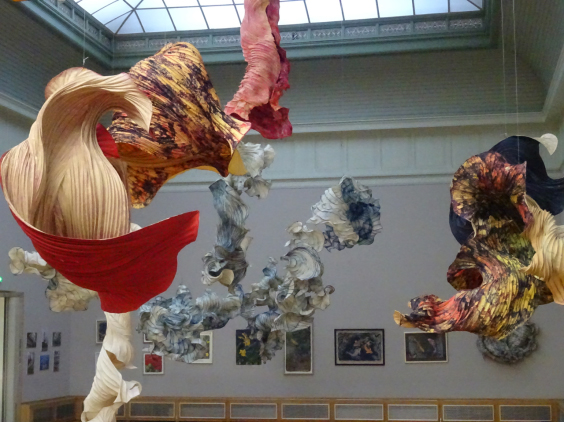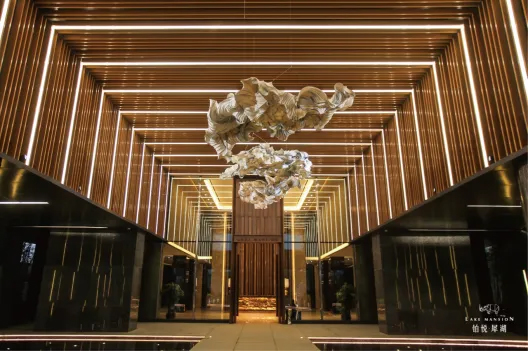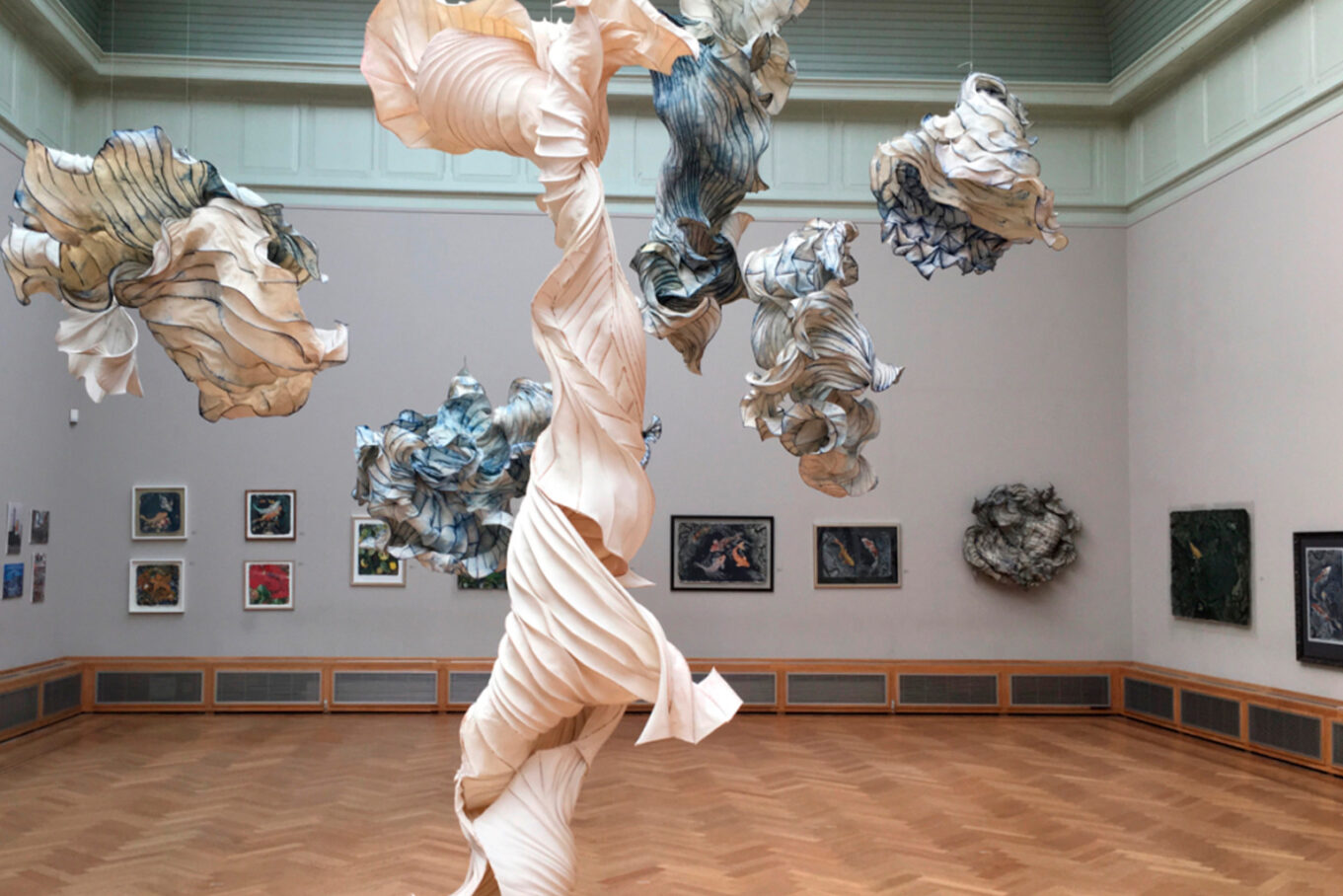
In the world of contemporary paper art, few names resonate as strongly as Peter Gentenaar and Patricia Gentenaar Torley. Working from their studio in the Netherlands since the early 1970s, the artist duo has spent decades redefining what paper can be — not merely a surface, but a living, structural, and expressive material in its own right. Their practices diverge in form yet remain deeply connected through a shared fascination: the behavior of plant fibers, water, and time. Together, they have helped elevate papermaking from craft to a fully autonomous artistic discipline.
Paper as Structure: Peter Gentenaar
Peter Gentenaar’s journey into papermaking began with a limitation. As a printmaker, he found that commercially available papers could not withstand the deep relief of his engravings. His solution was radical yet intuitive: make the paper himself. From this necessity emerged a lifelong exploration of fiber, pulp, and process. Gentenaar developed his own tools, including a custom Hollander beater designed specifically for long plant fibers like flax and hemp, enabling him to produce strong, flexible sheets.
Peter Gentenaar’s journey into papermaking began with a limitation. As a printmaker, he found that commercially available papers could not withstand the deep relief of his engravings. His solution was radical yet intuitive: make the paper himself.
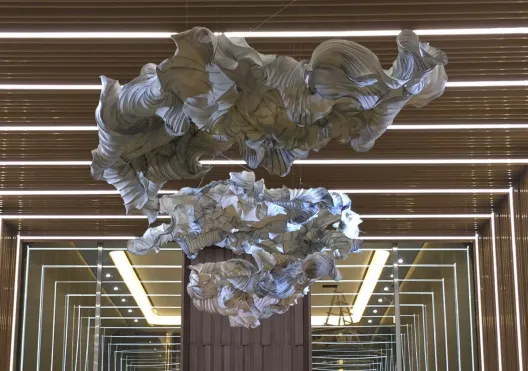
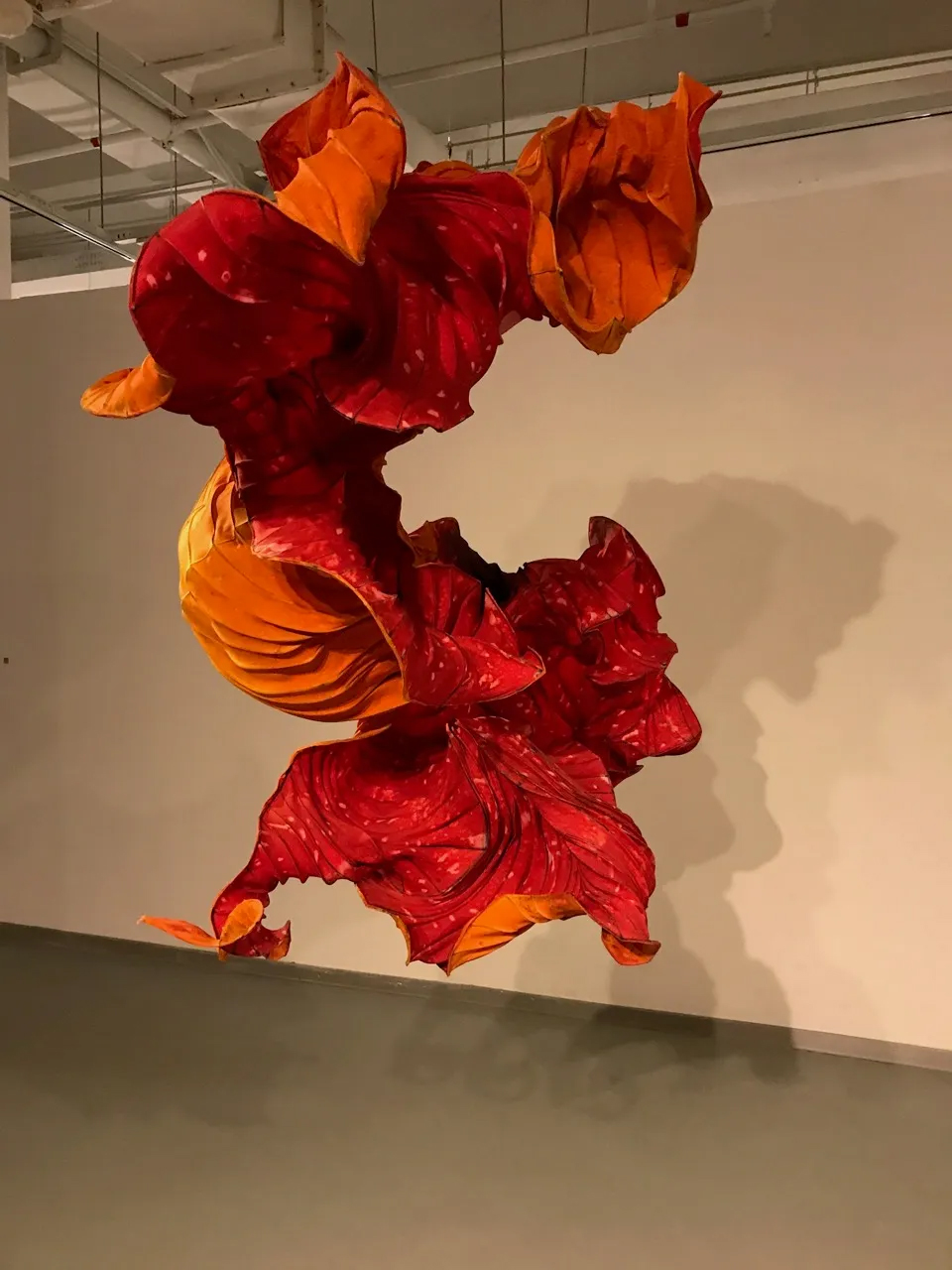
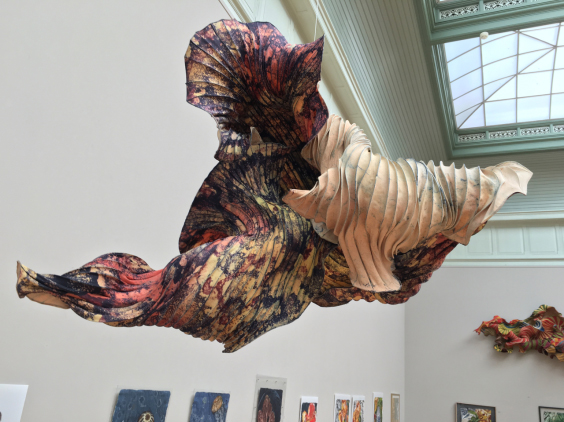
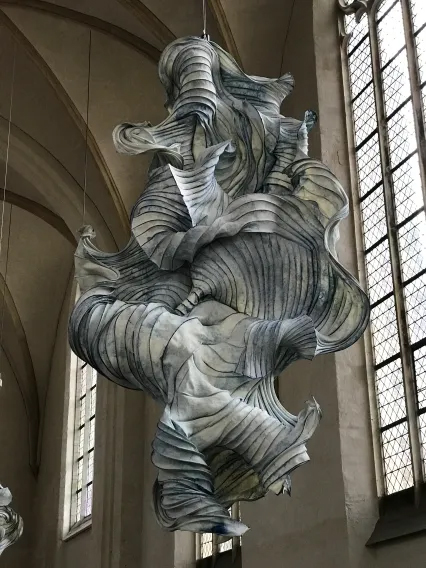
His sculptural works begin as flat sheets of wet pulp, laid out on a vacuum table. Reinforced with fine bamboo ribs, they transform as they dry, shrinking up to 40%, pulling against their framework, and naturally forming organic, leaf-like structures. “My sculptures start as totally 2-dimensional, colored sheets of pulp lying on my vacuum table. The forms in my work are caused by pulp drying and shrinking in unison. The simplicity of the material, which is the carrier, the color, the texture, and the form, in one, makes working with it wonderful and direct.”
The result is a body of work that feels both engineered and organic, lightweight yet monumental, often suspended in space like botanical forms frozen mid-growth. His process reveals a fundamental truth of papermaking: the material itself holds agency. It moves, contracts, and shapes the final form.
Painting with Pulp: Pat Torley
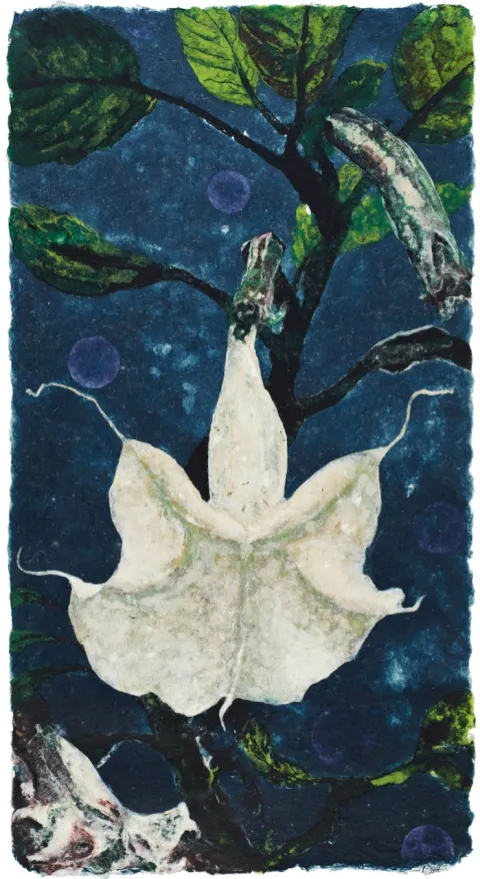
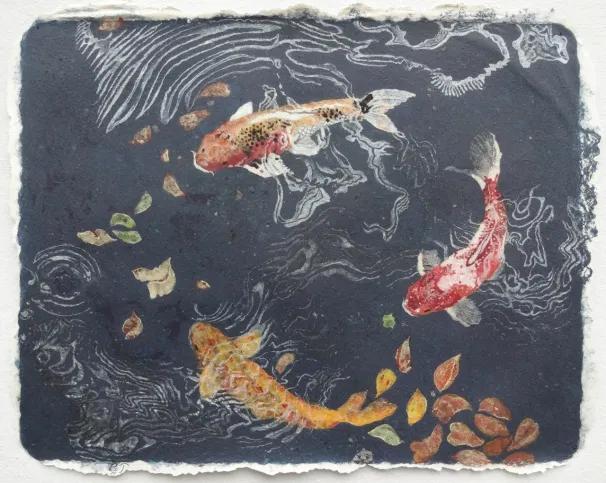
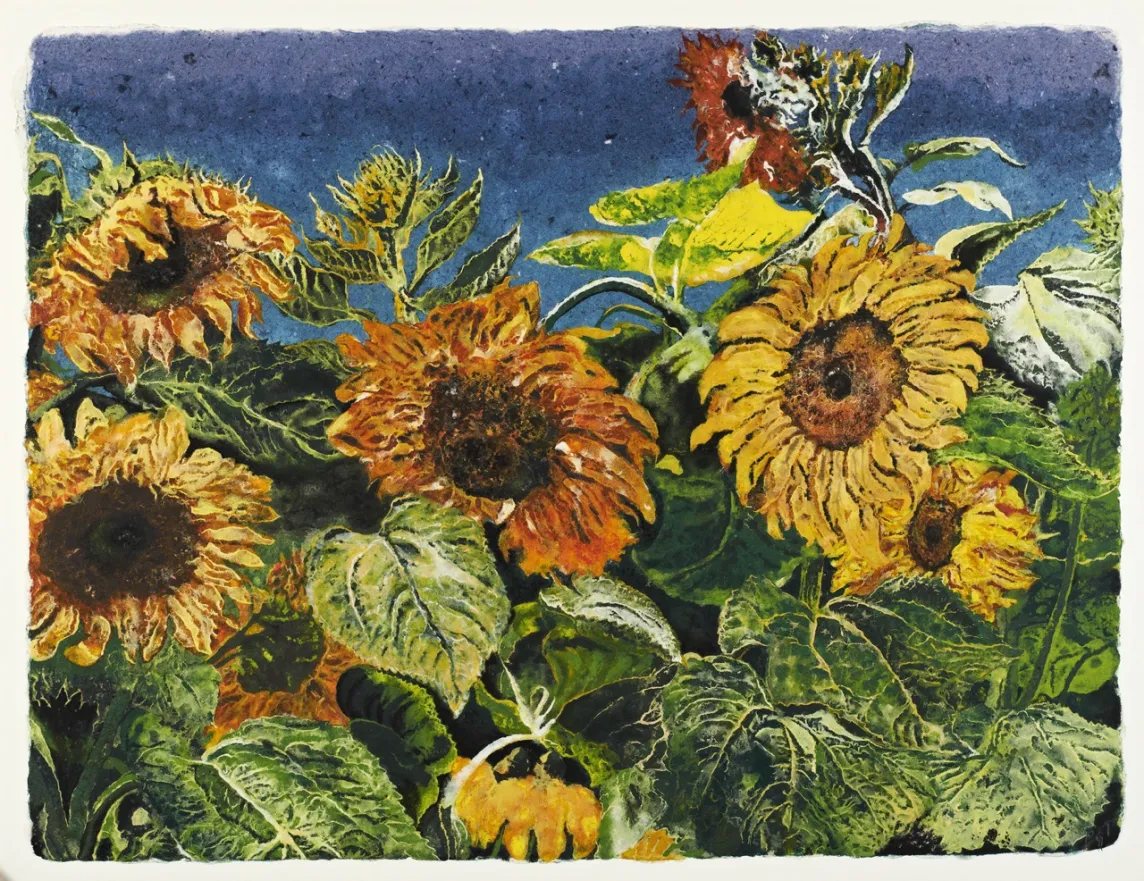
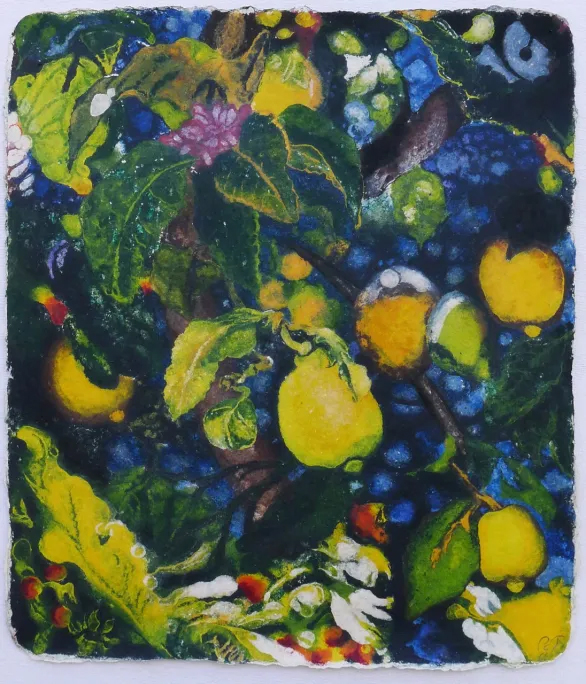
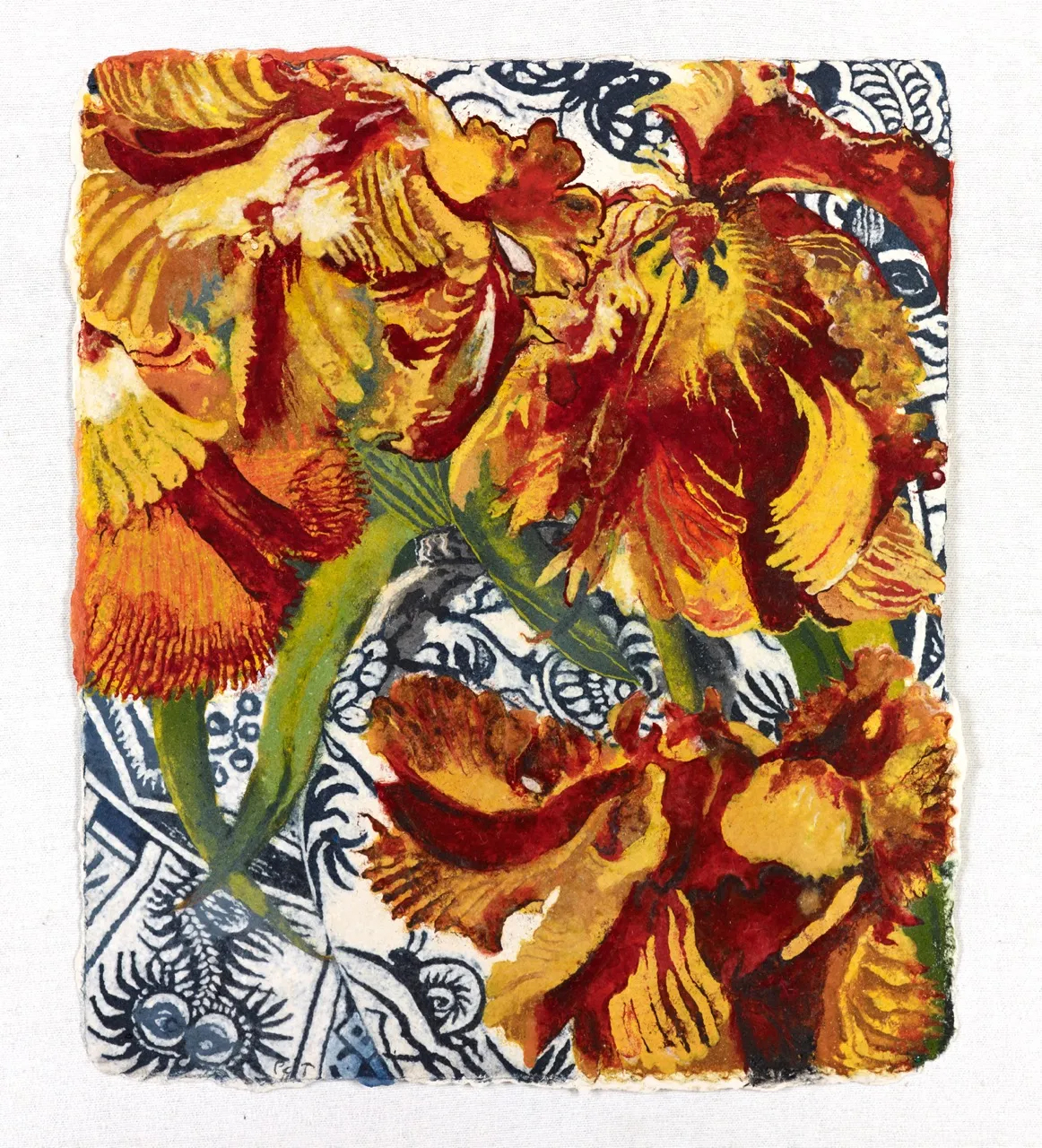
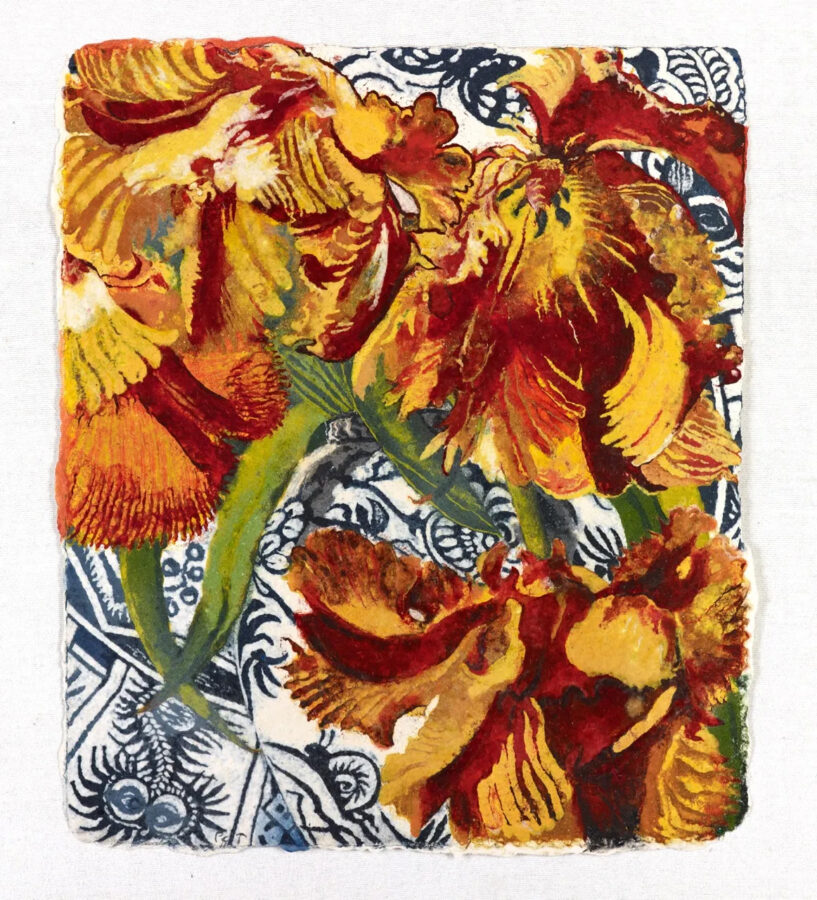
Where Gentenaar builds with paper, Pat Torley paints with it, quite literally. After decades of experimentation, she developed a highly refined technique using liquid pulp instead of pigment. Working at a vacuum table, Torley applies thin, watery layers of colored pulp using tools such as pipettes and knives. Each piece is constructed “upside down,” beginning with the foreground and building backwards through as many as twenty delicate layers.
Where Gentenaar builds with paper, Pat Torley paints with it, quite literally. After decades of experimentation, she developed a highly refined technique using liquid pulp instead of pigment.
The process demands precision and patience. Each layer must be applied wet-on-wet without disturbing those beneath it. When complete, the water is removed by vacuum, leaving behind an extraordinarily thin, luminous sheet of paper where image and material are inseparable. “Paper is not just an image bearer, but becomes the image itself.”
Torley’s palette is composed entirely of fibers, cotton, linen, silk, kozo, and more, each contributing its own texture, translucency, and color depth. The result is a painterly language unique to papermaking, in which color is embedded in the sheet’s structure rather than applied to its surface.
A Shared Philosophy of Fiber
Despite their different approaches, both artists share a deep respect for the intrinsic qualities of paper. Their work is rooted in the transformation of raw plant fibers into expressive forms, an alchemical process shaped by water, pressure, and time.
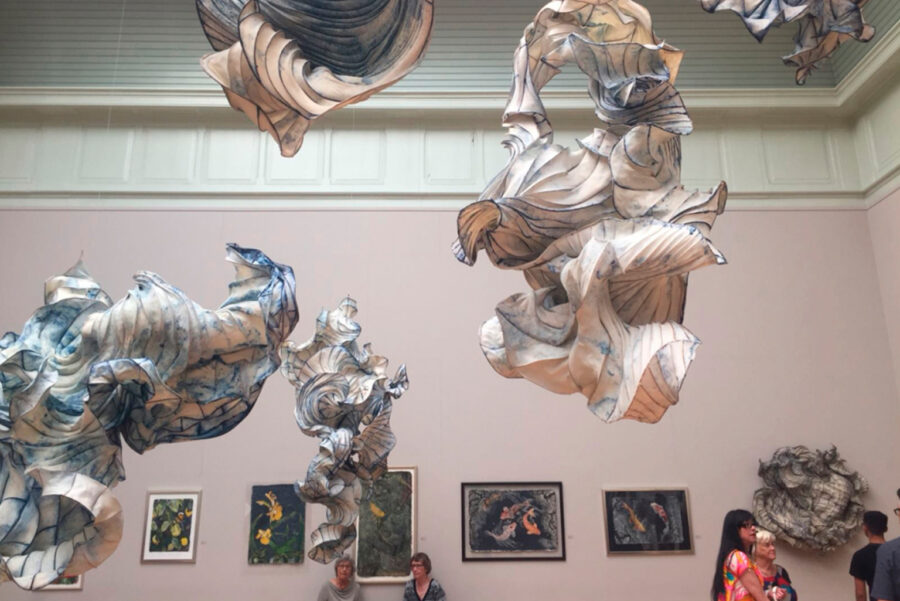
This philosophy extends beyond their individual practices. In 1996, Gentenaar and Torley co-founded the Holland Paper Biennial, creating a platform that has significantly influenced the global perception of paper as an artistic medium. This year’s Biennial will take place from June 21 to November 15, 2026, at the Museum Rijswijk – where the Fiber of Life exhibition by the artist duo is currently on show. They have also published a series of books accompanying the biennials, each conceived as a tactile object, combining documentation, theory, and actual paper samples.
What makes the work of Gentenaar and Torley particularly compelling is their willingness to collaborate with the material rather than control it entirely. In both practices, papermaking is not just a technique, it is the conceptual core. Gentenaar allows the physics of drying pulp to determine form, while Torley embraces the fluidity of fibers suspended in water to create depth and movement. In both cases, the paper is not passive. It is active, responsive, and alive. For designers and paper enthusiasts alike, their work is a powerful reminder: paper is far more than a surface. It is structure, color, texture, and story — formed from the simplest of elements, yet capable of extraordinary complexity.