
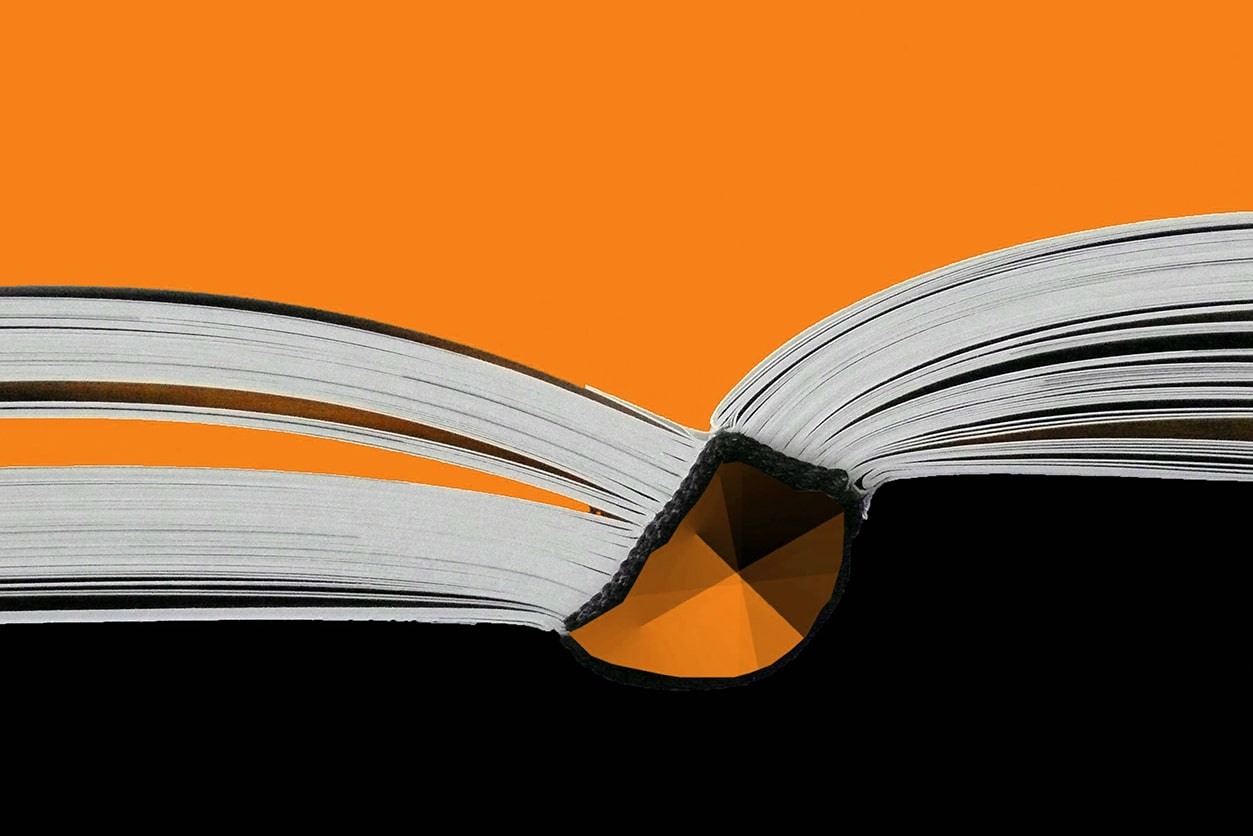
Books are among the most intimate objects we own. They are held close, carried across years and places, stacked on shelves, left open on bedside tables, annotated in the margins, and passed from one reader to another. While paper, typography, and printing often receive the most attention in editorial design, the way a book is bound quietly shapes the entire reading experience. Binding determines how a publication feels in the hand, how it opens, how durable it becomes, and ultimately how readers interact with its content.
The history of book binding stretches back thousands of years. Early manuscripts were assembled from folded parchment and sewn together by hand, protected by wooden covers wrapped in leather. During the Middle Ages, bookbinding became a highly respected craft practiced in monasteries and workshops across Europe, where bindings were often richly decorated with embossing, metalwork, and gold leaf. The invention of the printing press in the 15th century transformed books from rare luxury objects into more widely accessible cultural tools, and binding techniques evolved alongside advances in printing technology. Today, bookbinding exists somewhere between industrial production and artisanal craftsmanship, balancing efficiency, durability, and aesthetics in endlessly creative ways.
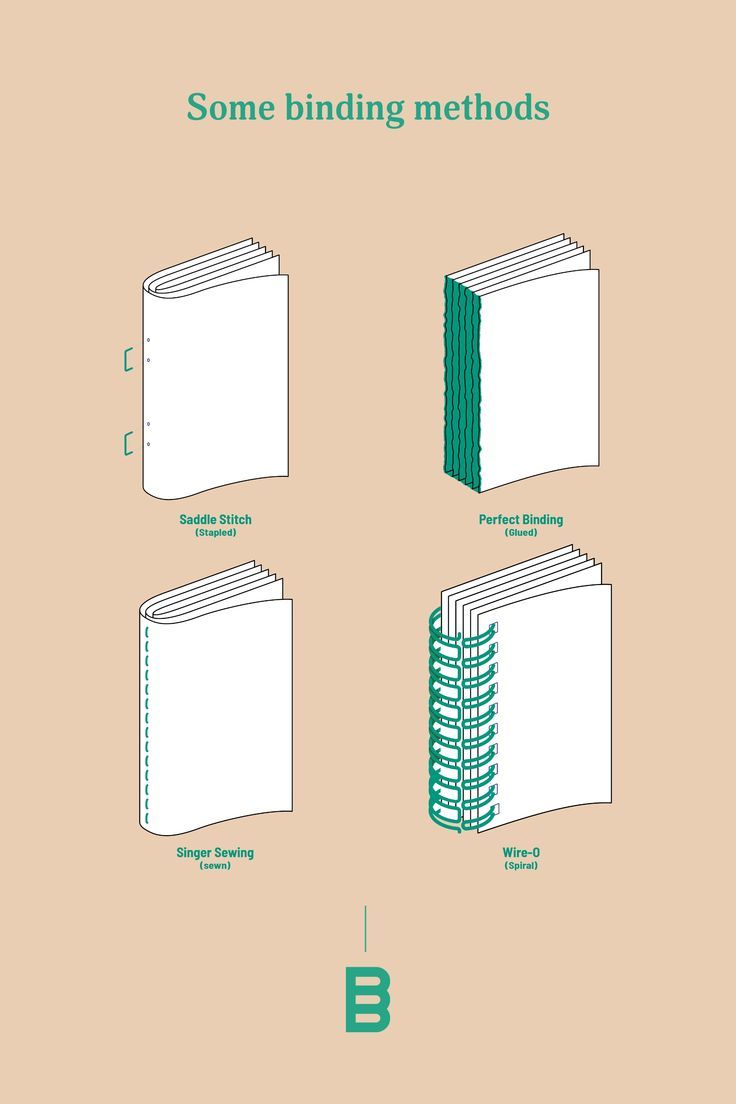
From the popular Perfect binding to the Saddle stitching in independent publishing.
Among the most common binding techniques is perfect binding, a method familiar to anyone who has picked up a paperback novel or magazine. In perfect binding, the pages are stacked together, the spine edge is roughened, and adhesive is applied before a wraparound cover is attached. The result is clean, professional, and economical, making it one of the most widely used methods in commercial publishing. Perfect binding works particularly well for books with higher page counts and offers generous possibilities for spine typography and cover design. However, despite its polished appearance, it is less flexible than sewn bindings and may crack or loosen over time with heavy use.
In contrast, saddle stitching embraces simplicity. Pages are folded and secured through the spine with metal staples, creating lightweight publications that open comfortably and lie relatively flat. Often used for zines, brochures, small magazines, and event publications, saddle stitching has become closely associated with independent publishing culture and experimental editorial design. Its affordability and minimal production requirements make it ideal for short-run projects, while the visible staples themselves can contribute to the publication’s visual identity.
Case binding for the classics, and Sewn binding for the art & craft lovers.
Case binding, often referred to as hardcover binding, represents durability in its most classic form. Here, the interior pages are sewn or glued into signatures before being attached to rigid protective covers. The method has long been associated with archival quality, prestige, and longevity.
Hardcover books possess a physical permanence that feels ceremonial, whether wrapped in cloth, printed paper, leather, or textured materials. Endpapers, headbands, debossing, foil stamping, and exposed spine details all offer additional opportunities for tactile and visual storytelling. In many ways, case binding transforms a publication into an object intended not only to be read, but also collected and preserved.
One of the most beloved techniques among designers and bookmakers is Smyth sewing, a binding process where folded signatures are stitched together with thread before the cover is attached. This method allows books to open more naturally and withstand repeated handling far better than adhesive-only constructions. Sewn bindings are especially valued in art books, premium editorial projects, and notebooks because of their flexibility and longevity. The visible craftsmanship behind sewn books often creates a stronger emotional connection between the object and the reader.
Exposed spine binding takes this craftsmanship even further by intentionally revealing the sewing structure instead of concealing it beneath a spine cover. The threads become part of the design language itself, creating publications that feel honest, tactile, and architectural. Exposed bindings have become particularly popular in contemporary independent publishing and portfolio design, where process and materiality are celebrated rather than hidden.
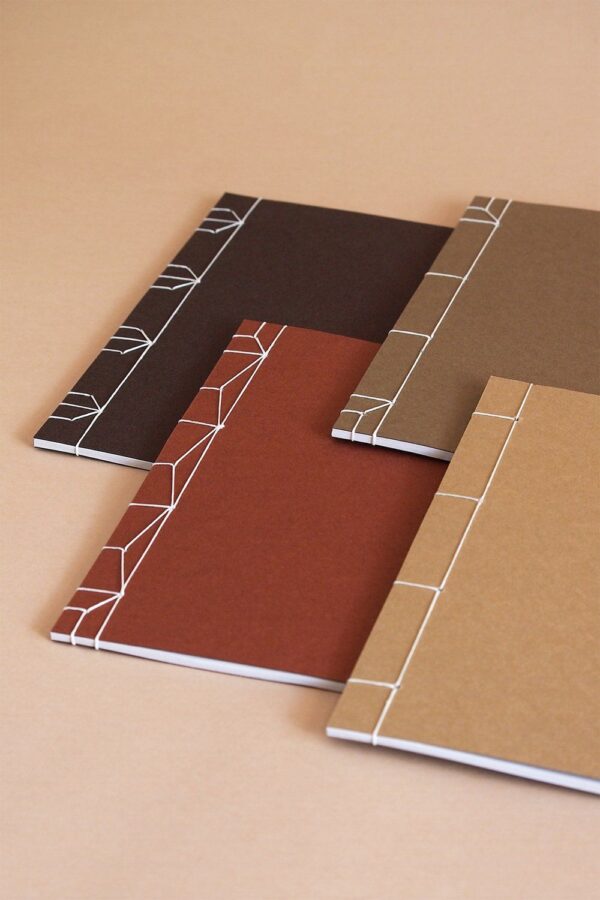
The ancient binding techniques from Japan & Egypt, to the modern industry standards.
Japanese stab binding is among the oldest and most visually recognizable methods still practiced today. Rather than sewing folded signatures through the spine fold, pages are stacked and stitched from the outside edge using decorative thread patterns. The technique produces striking geometric sewing details while preserving the delicate elegance associated with traditional Japanese craftsmanship. Although the binding does not open completely flat, its decorative qualities make it especially popular for artist books, photography collections, invitations, and limited-edition publications.
Coptic binding, originating in early Christian Egypt around the 2nd century, remains one of the most functional historical binding methods. Its chain-stitched spine allows books to open entirely flat without damaging the structure, making it highly practical for sketchbooks, journals, and reference books. The exposed stitching creates a rhythmic visual texture across the spine, combining utility and ornament in equal measure. Despite its ancient origins, Coptic binding feels remarkably contemporary in modern editorial and stationery design.
Spiral and wire-o bindings occupy a more industrial but equally important corner of modern bookbinding. By punching holes through pages and threading them with plastic coils or metal loops, these methods allow books to rotate fully and lie perfectly flat. While often associated with manuals, notebooks, calendars, and presentations, designers increasingly embrace spiral binding for experimental publications and fashion lookbooks, appreciating the contrast between utilitarian mechanics and refined printed content.
Beyond these familiar techniques lies a fascinating world of obscure and unconventional bindings
Dos-à-dos binding, for example, joins two separate books together upside down with a shared back cover, allowing readers to flip between texts from opposite directions. Historically used for religious texts and dictionaries, it remains a captivating structural curiosity.
Secret Belgian binding combines visible stitching with wrapped cover flaps, creating a hybrid construction that appears both delicate and highly engineered. Drum-leaf binding, often used in fine art photography books, mounts thick pages together edge-to-edge to create exceptionally seamless spreads without visible gutters.
Accordion binding, also known as concertina binding, abandons the traditional spine entirely. Pages are connected in a continuous folded strip that can be viewed page by page or expanded into a sculptural sequence. This format has been widely used in artists’ books, visual storytelling, and exhibition publications because it transforms reading into a spatial experience. Similarly experimental are flag books, tunnel books, and carousel books, where paper engineering intersects with sculpture and architecture.
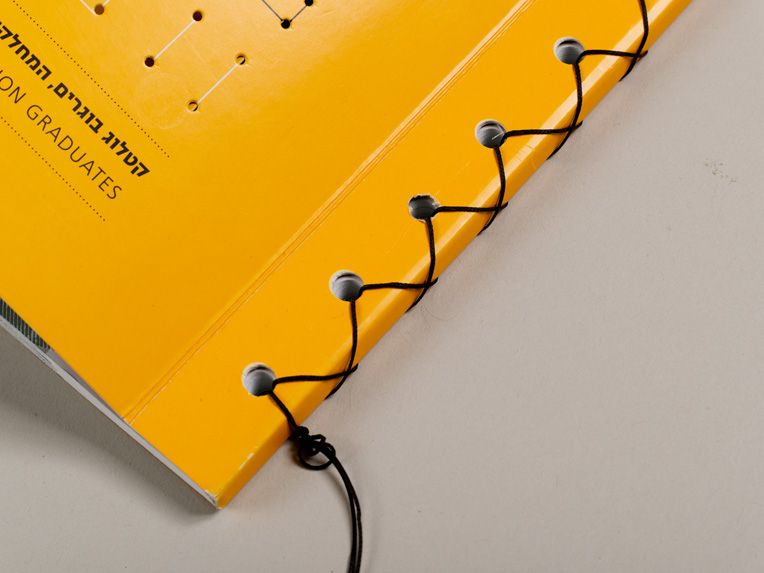
What makes bookbinding endlessly compelling is that every technique carries its own emotional and functional language.
A sewn hardcover communicates permanence and care, while saddle stitching feels immediate and democratic. Exposed stitching reveals process and craftsmanship, whereas perfect binding offers streamlined efficiency. Binding is never merely structural; it is deeply connected to how content is perceived, handled, remembered, and valued.
In contemporary publishing, where digital media continues to dominate everyday reading habits, physical books increasingly distinguish themselves through material experience. Readers are drawn not only to content, but to tactility, texture, construction, and permanence. As a result, bookbinding has become an essential creative decision rather than a purely technical production step. Designers, printers, and bookmakers continue to revisit historical methods while simultaneously inventing new structures that challenge expectations of what a book can be.
Perhaps that is why beautifully bound books remain so captivating. Long after the first impression of typography or imagery fades, the physical memory of a book often stays in our hands: the resistance of the spine, the softness of cloth covers, the visible threadwork, the satisfying way pages turn and settle. Binding gives printed matter its body, transforming loose sheets of paper into something enduring, tactile, and deeply human.