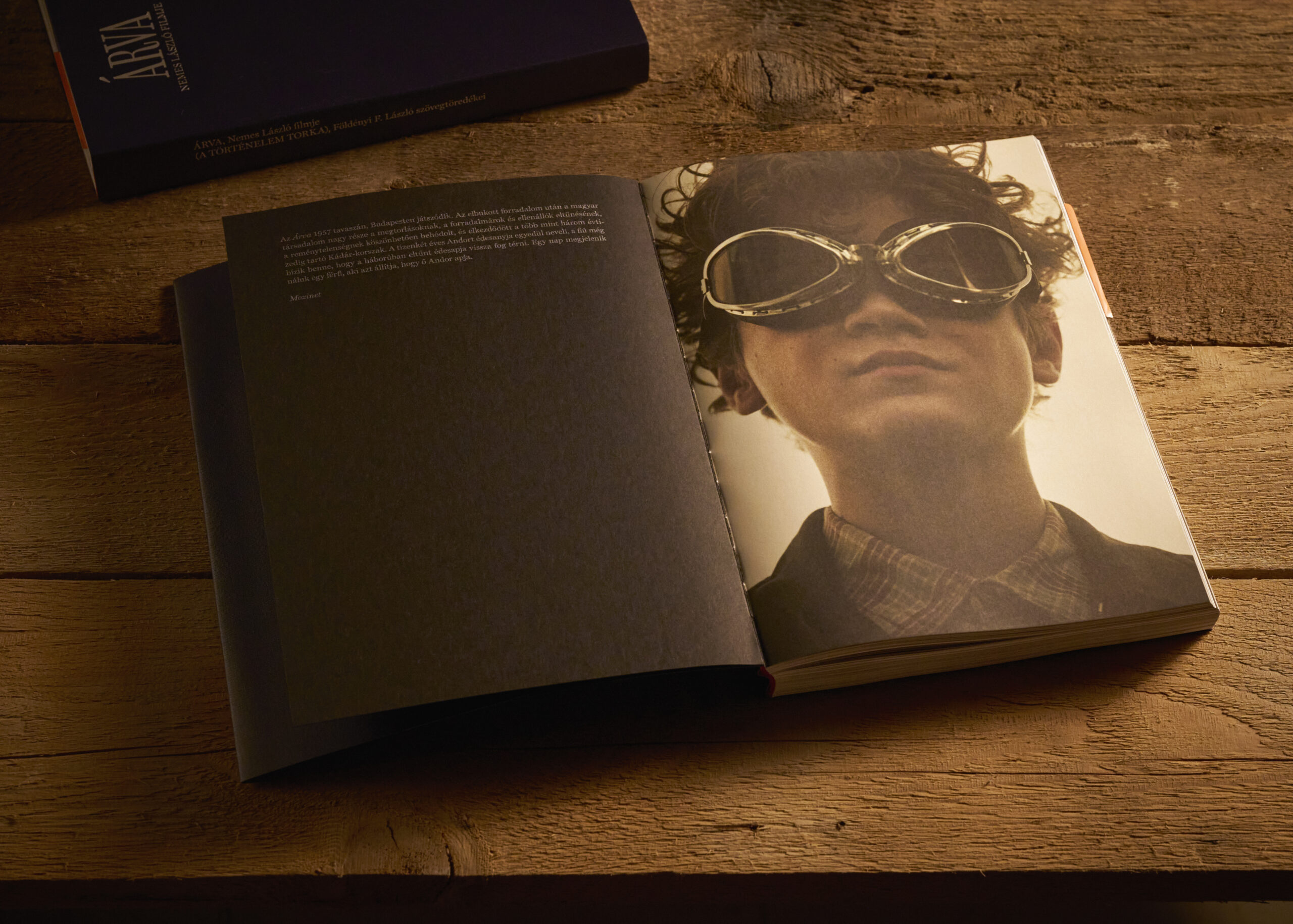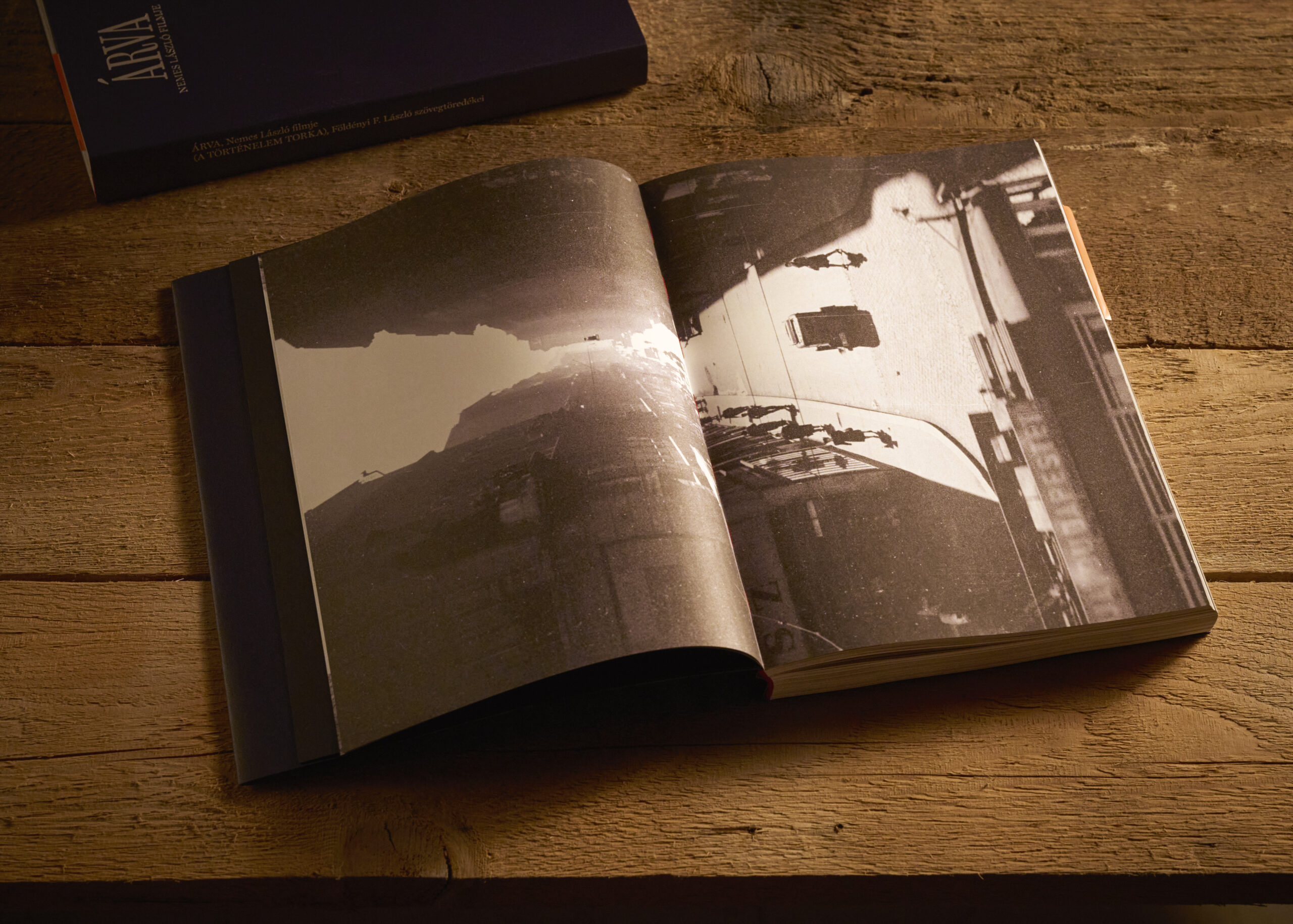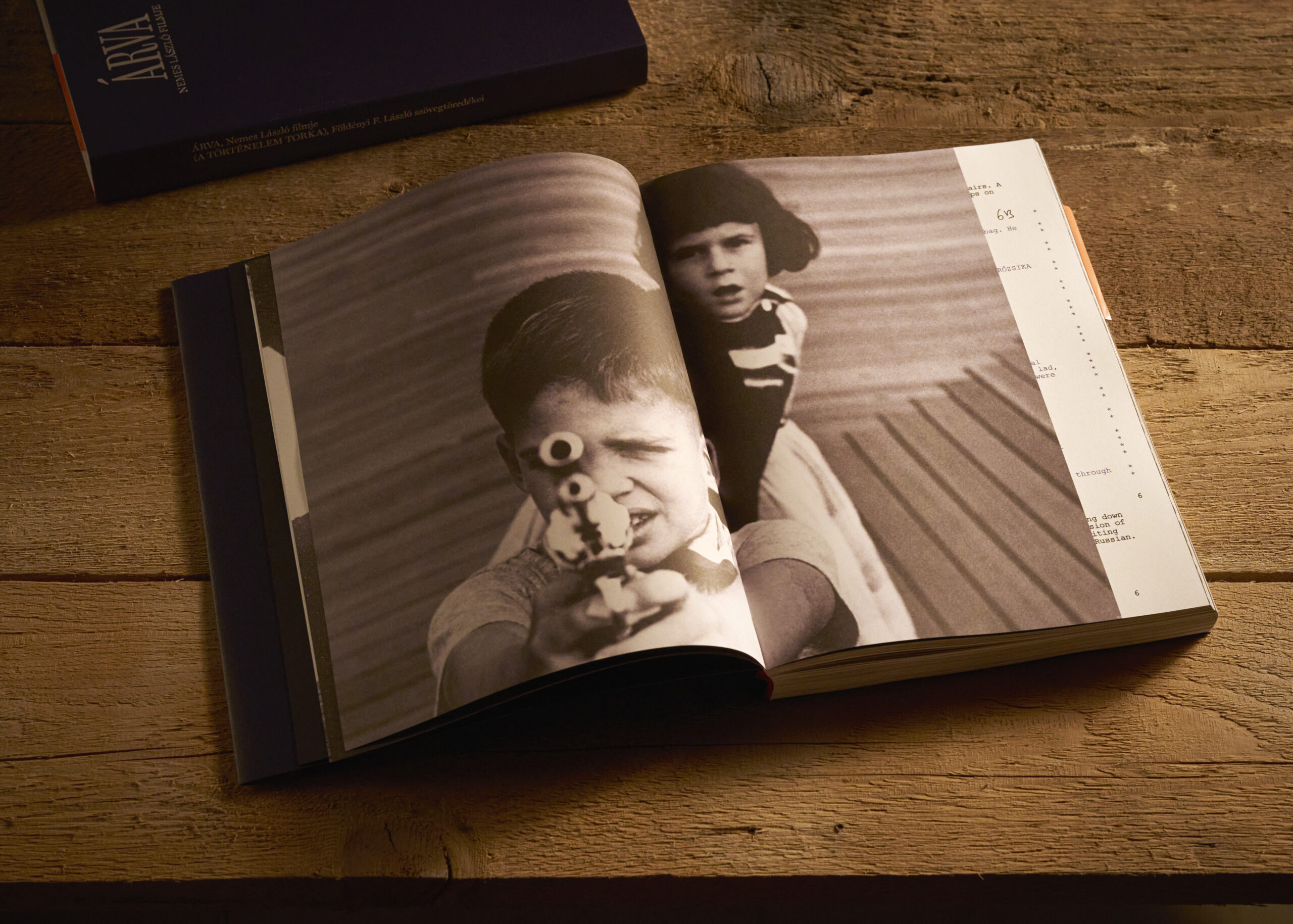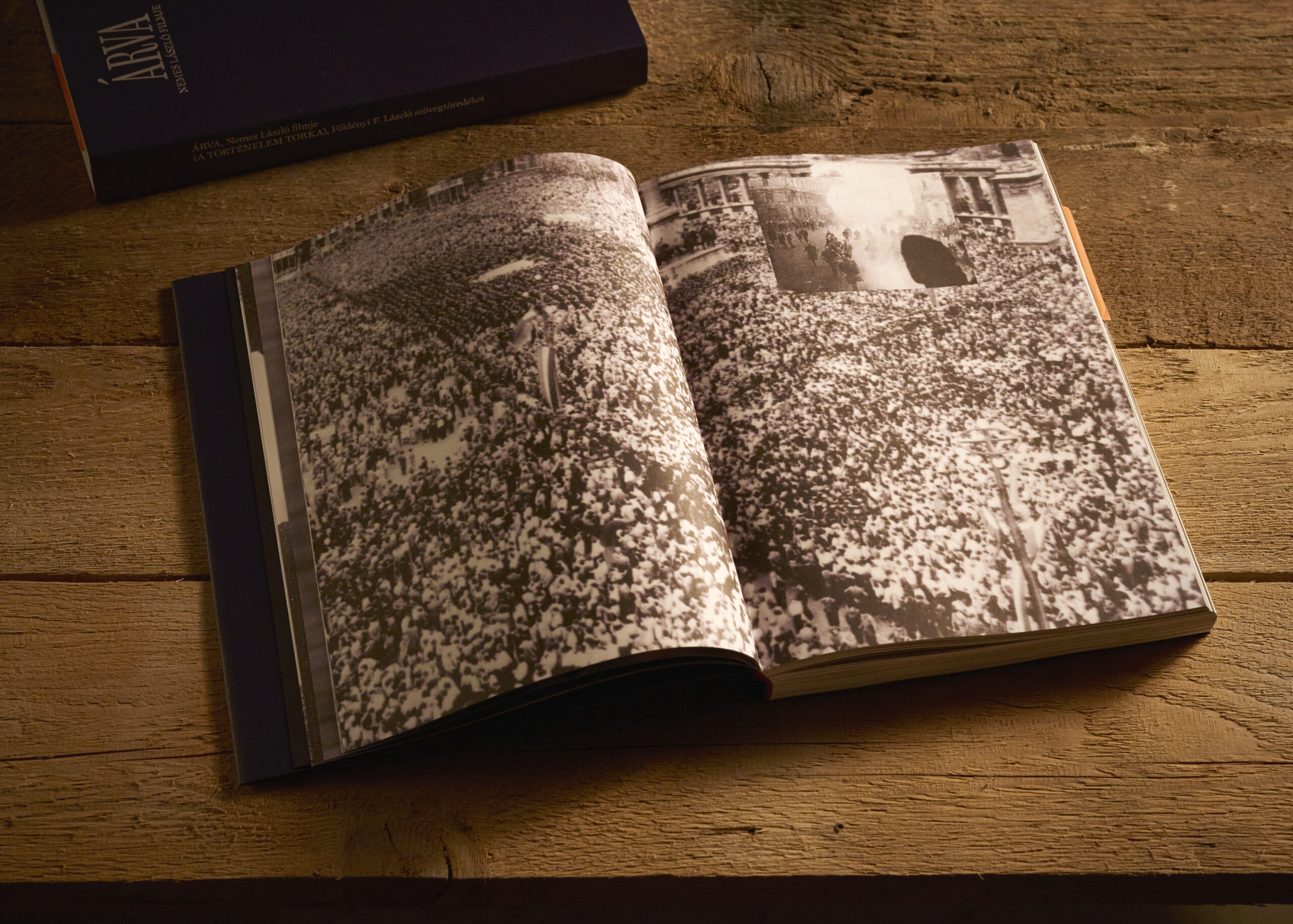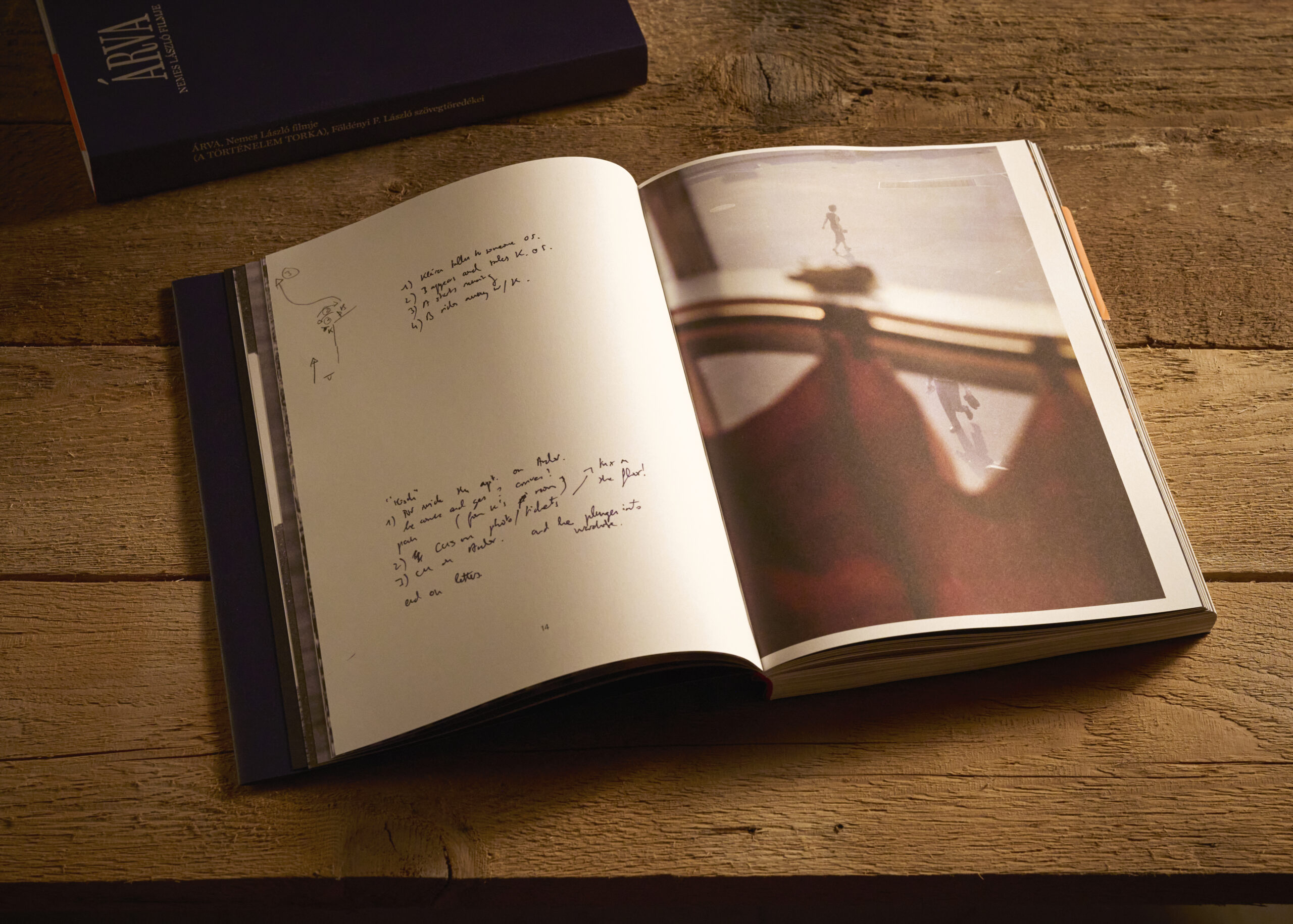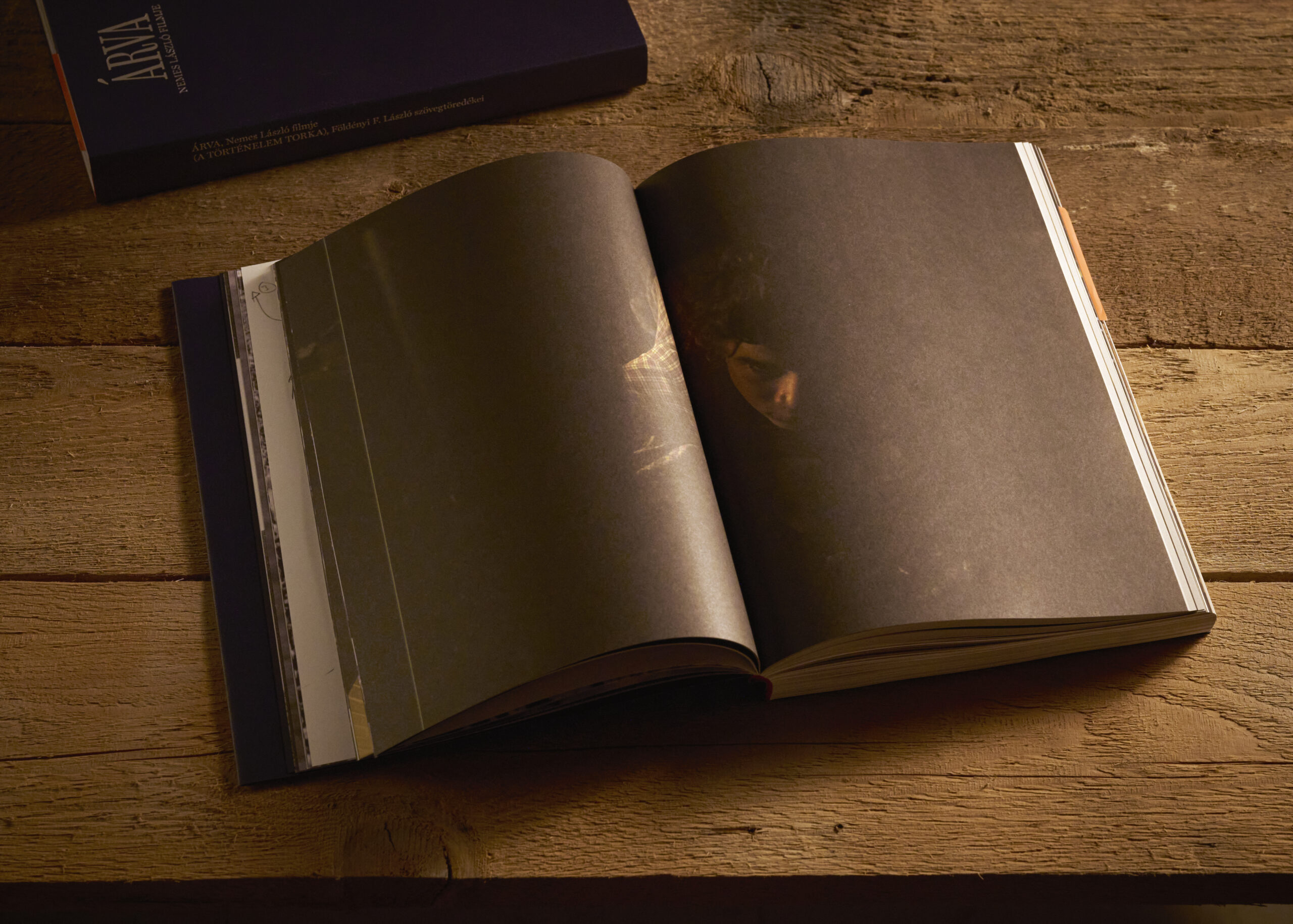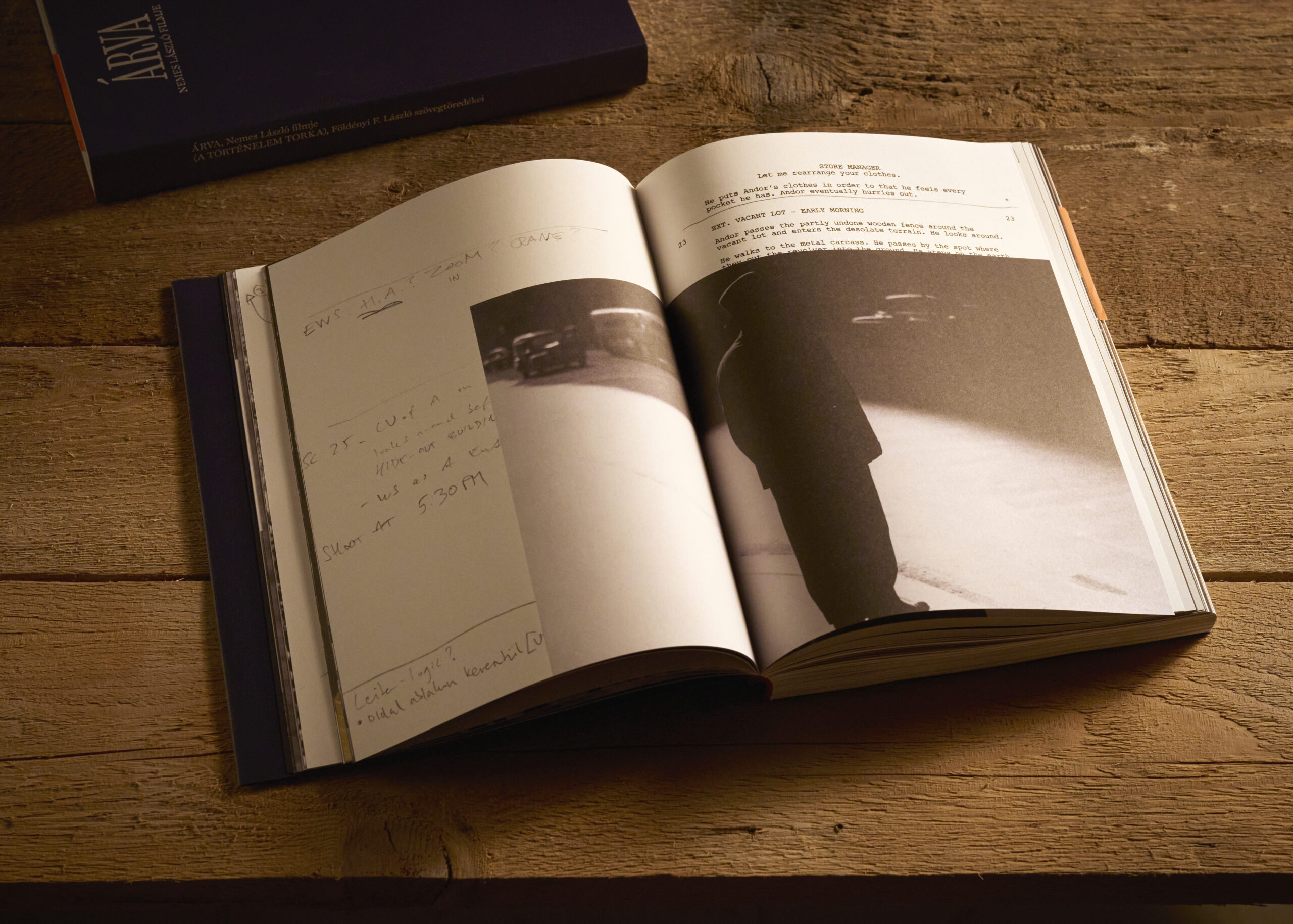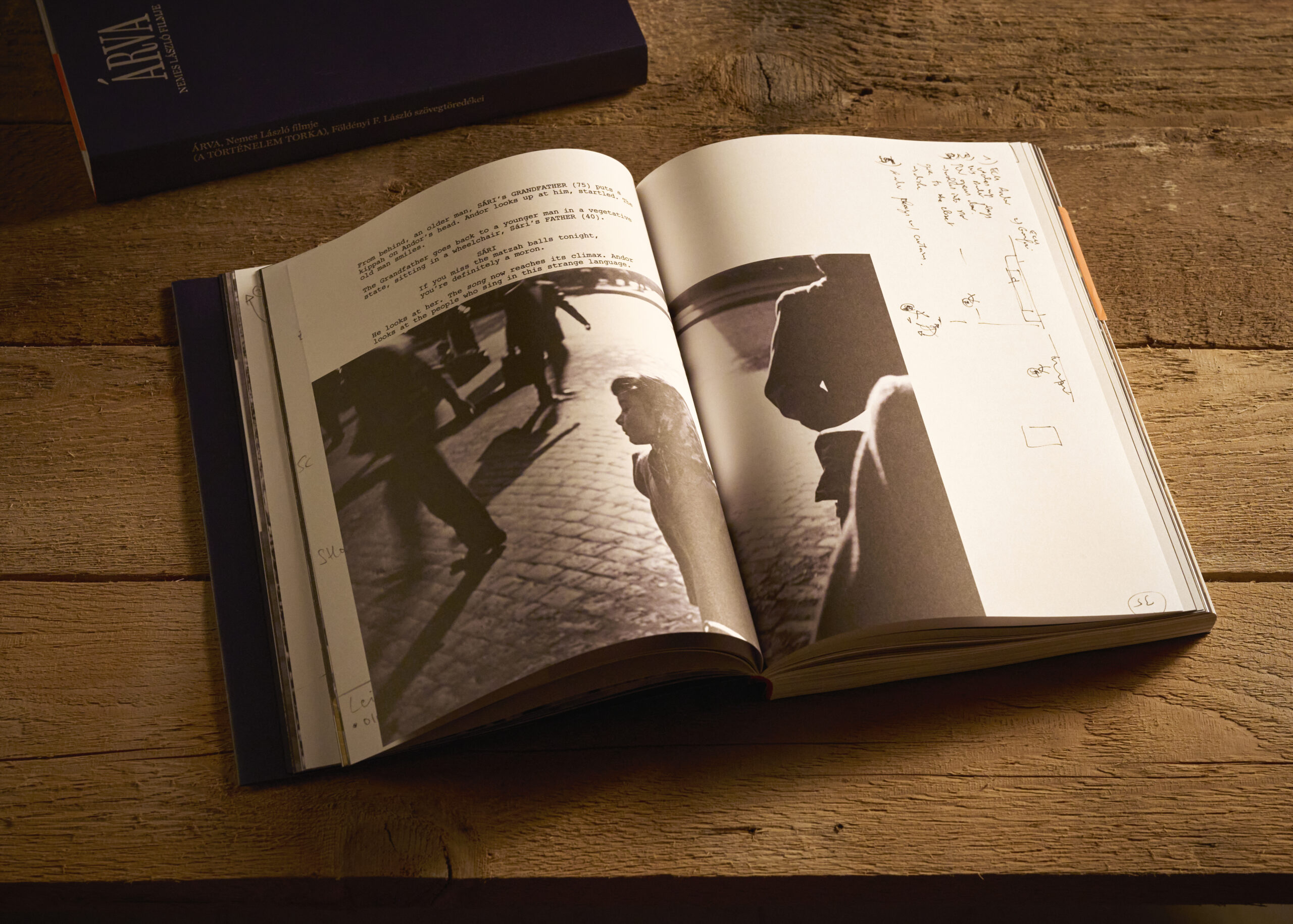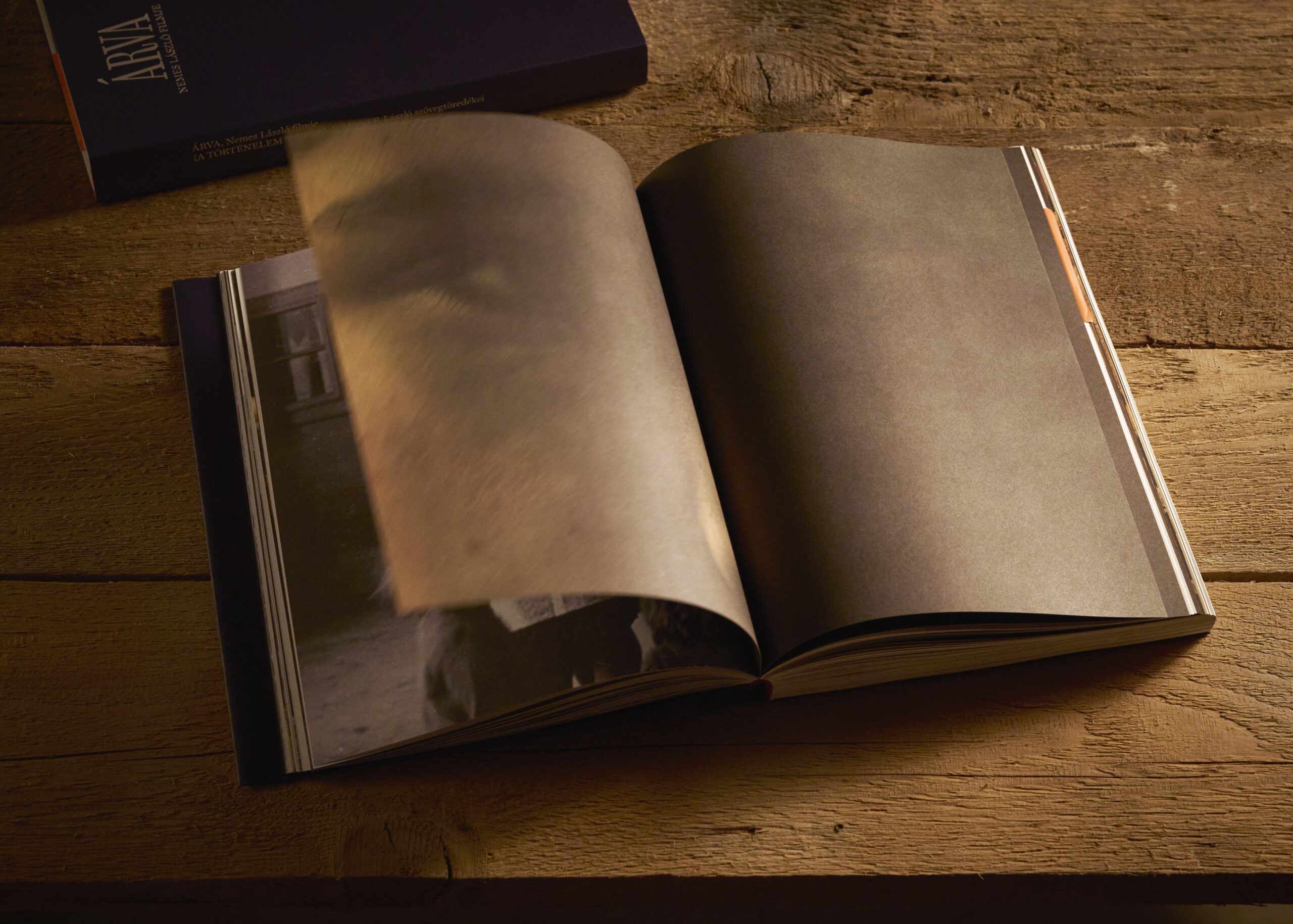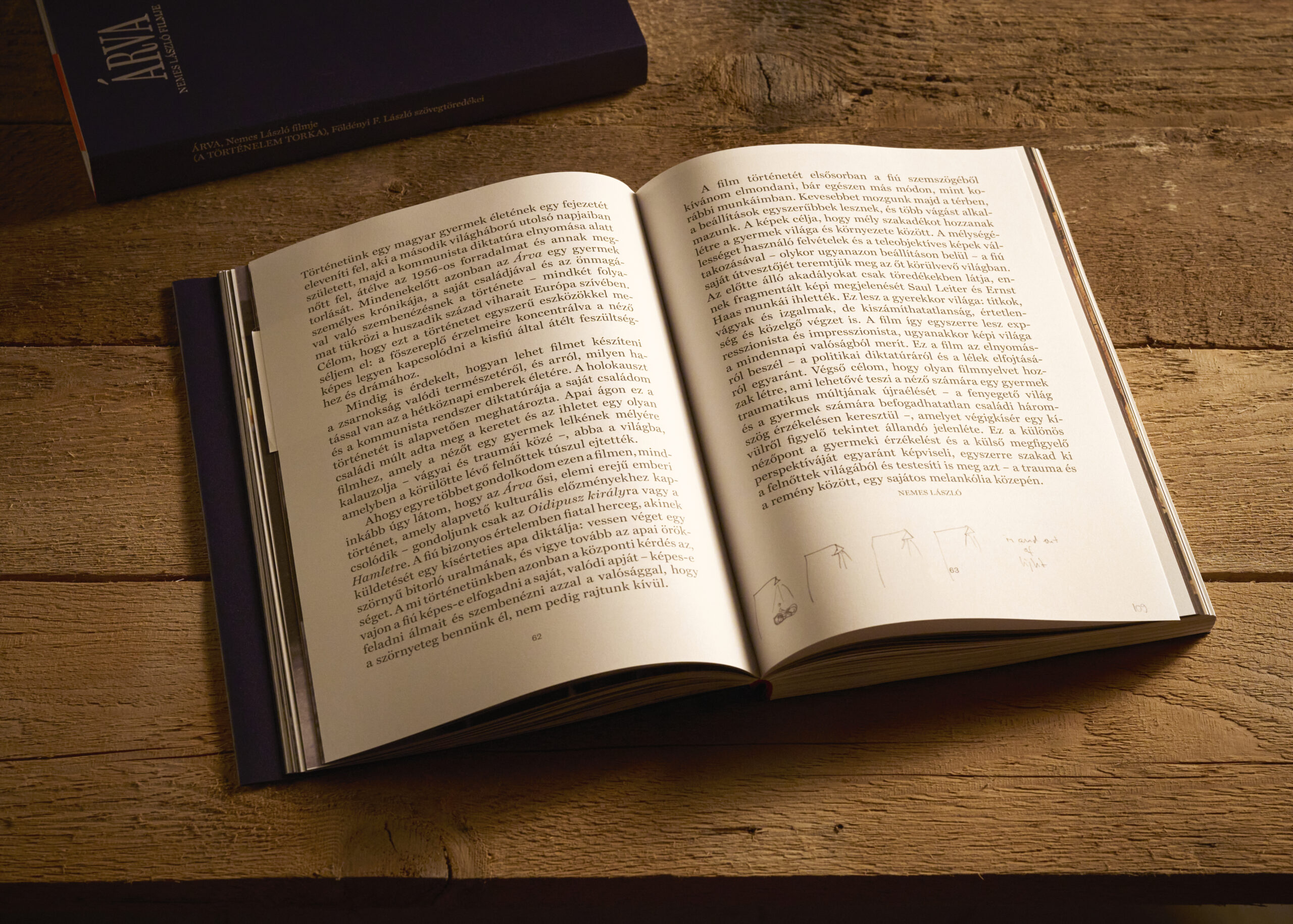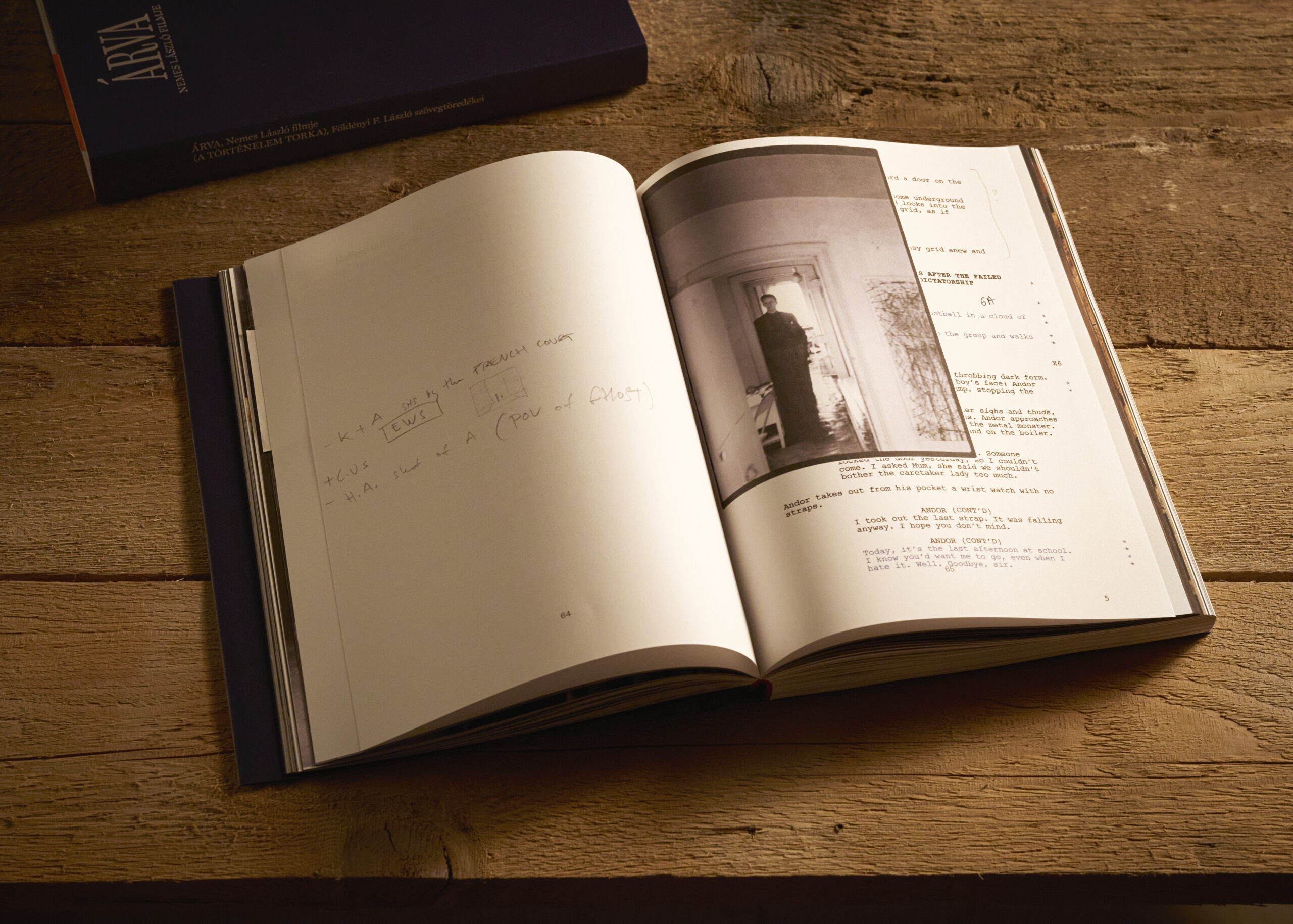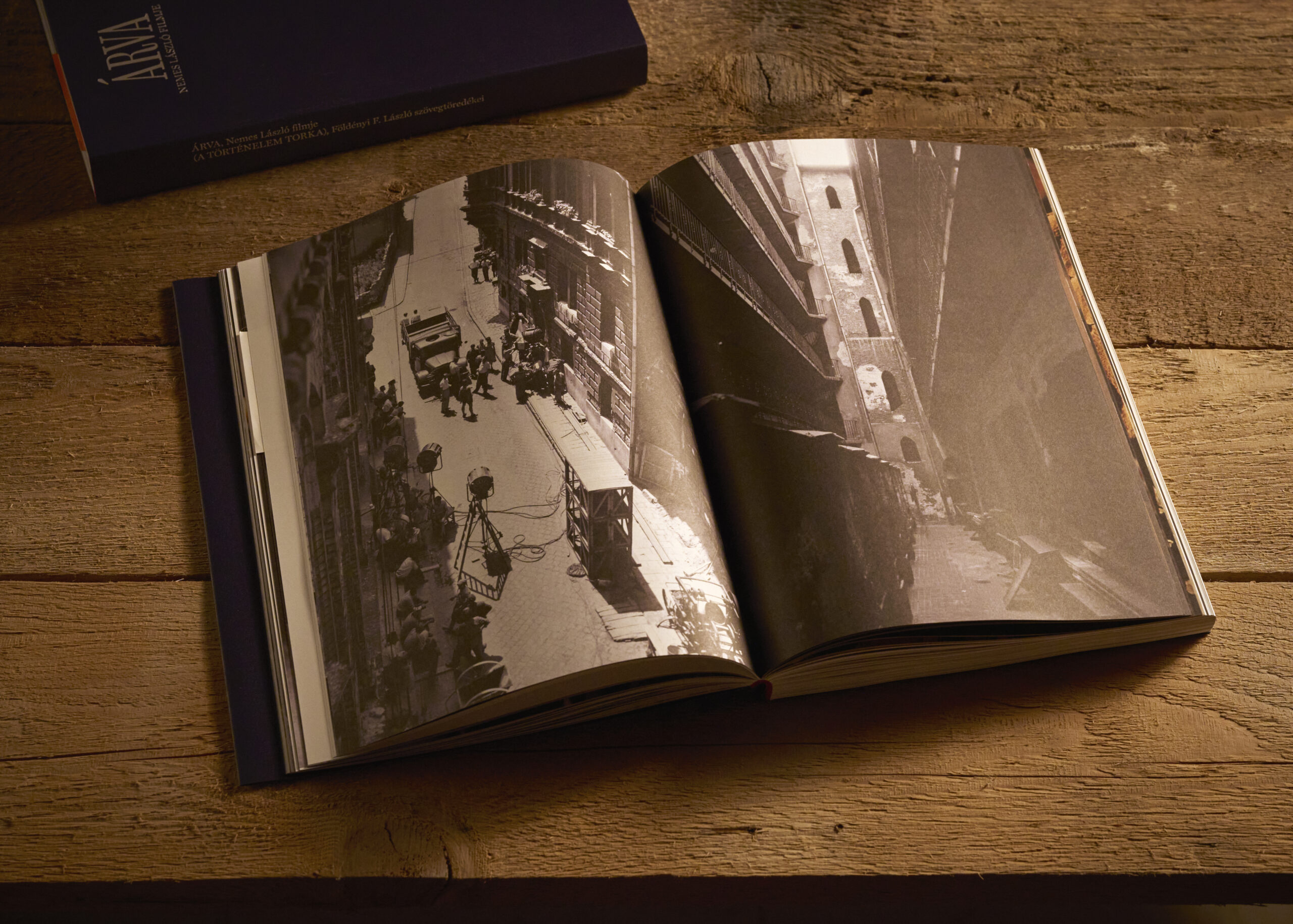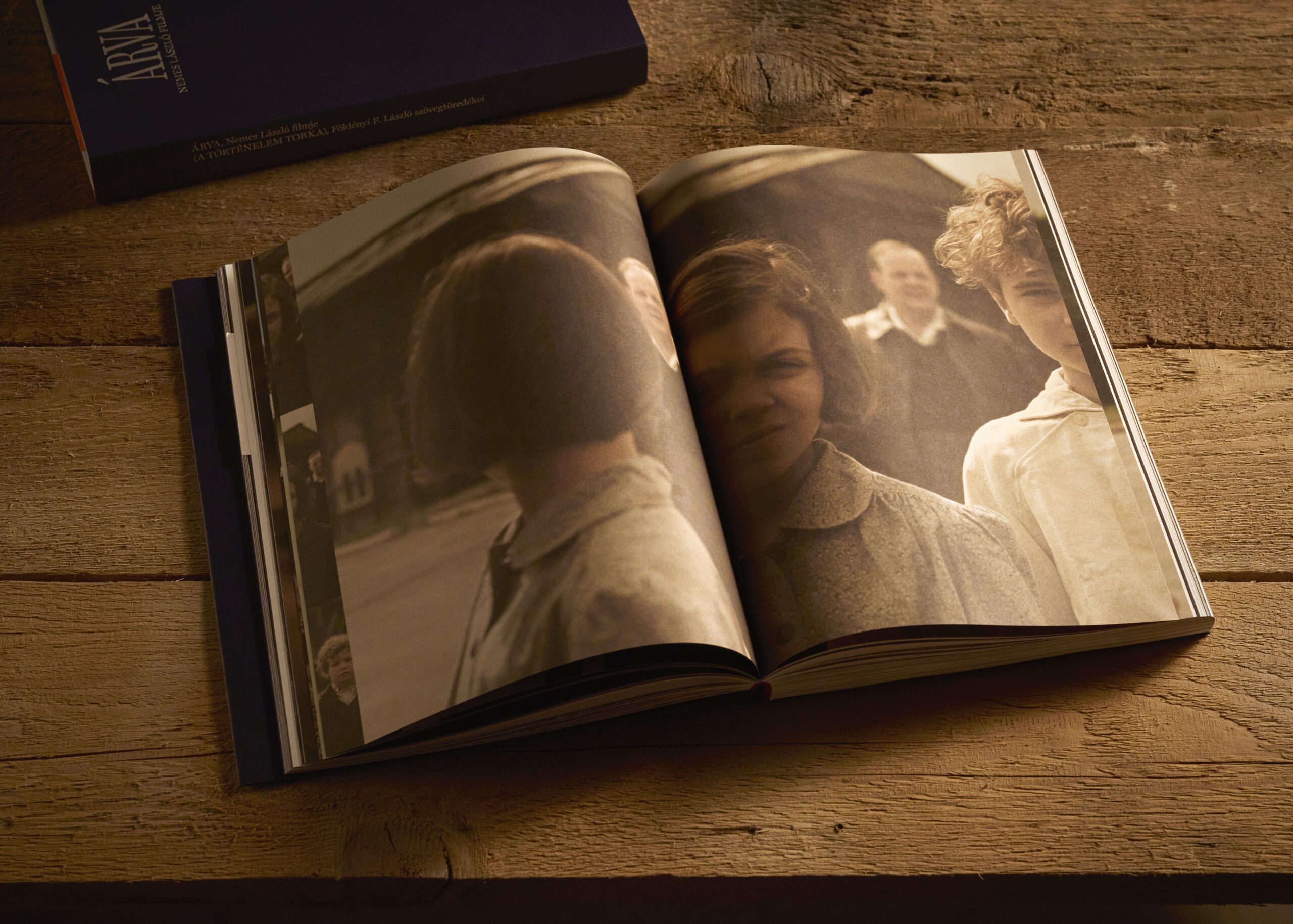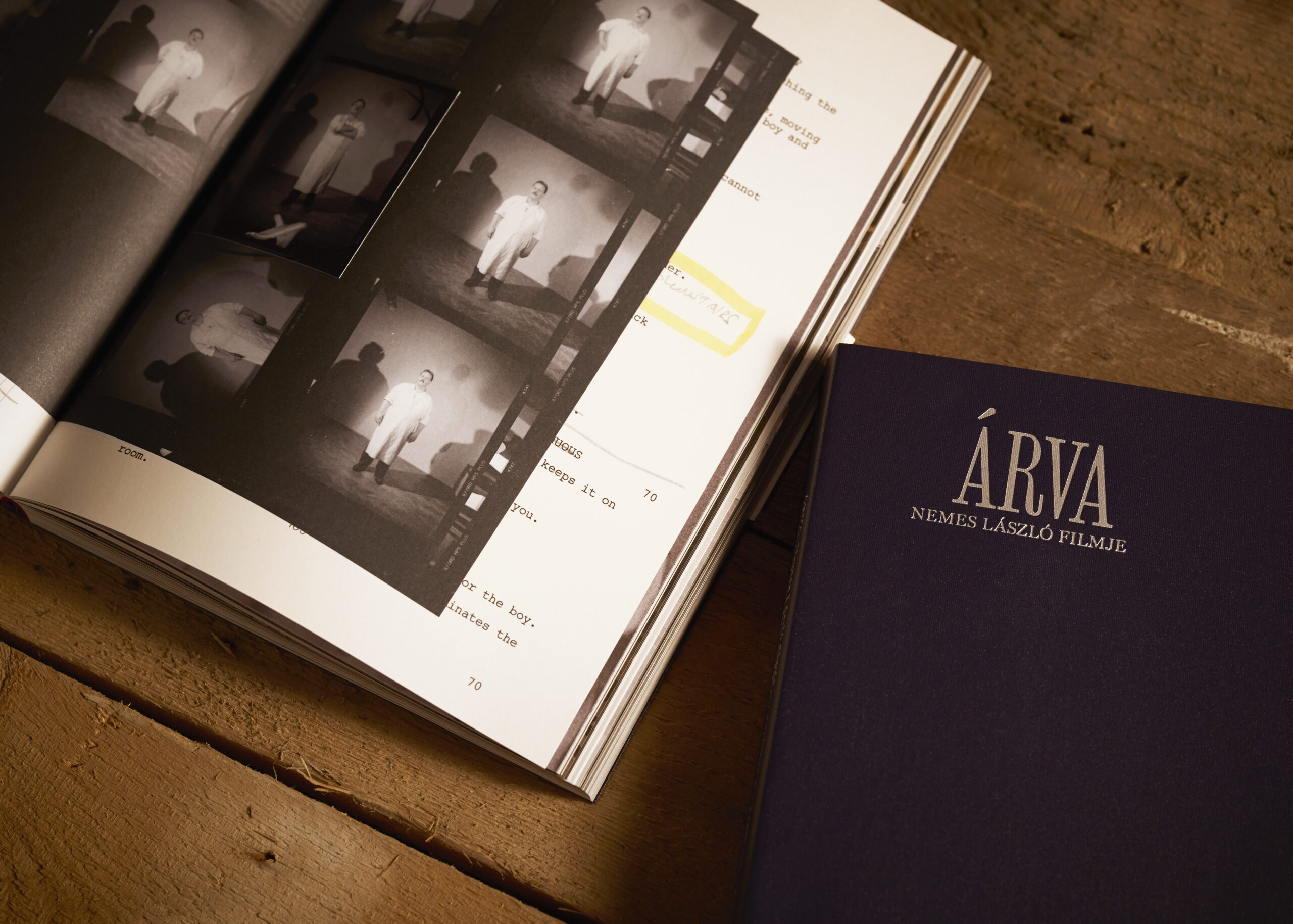
When a film inspires a book, the result is often a conventional companion publication: production stills, a chronological narrative, and a collection of behind-the-scenes anecdotes. The newly published Árva – Film Book, created alongside László Nemes Jeles’s Oscar-nominated feature film Orphan, takes a radically different approach. Rather than documenting a film, it transforms the cinematic process itself into a tactile, interactive printed object.
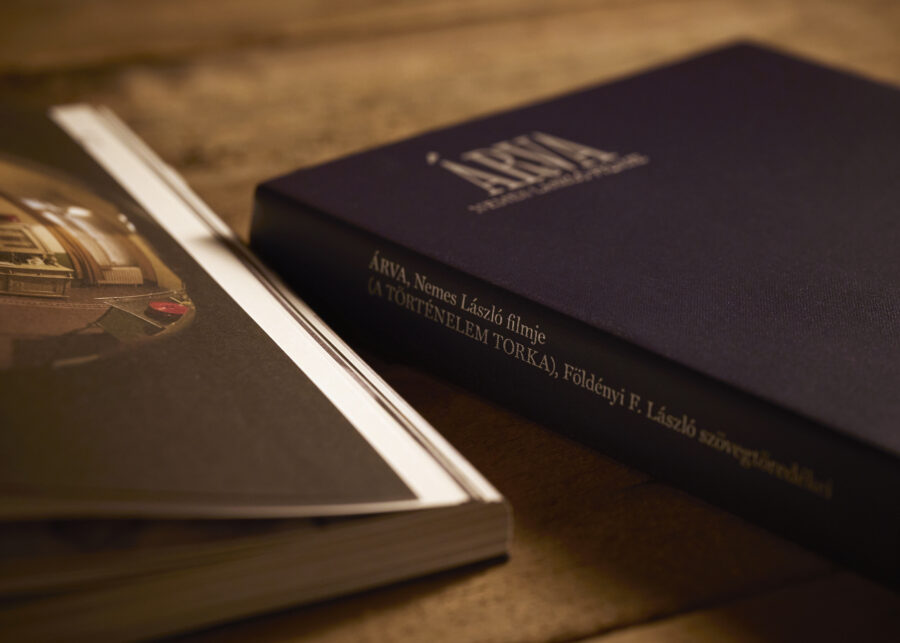
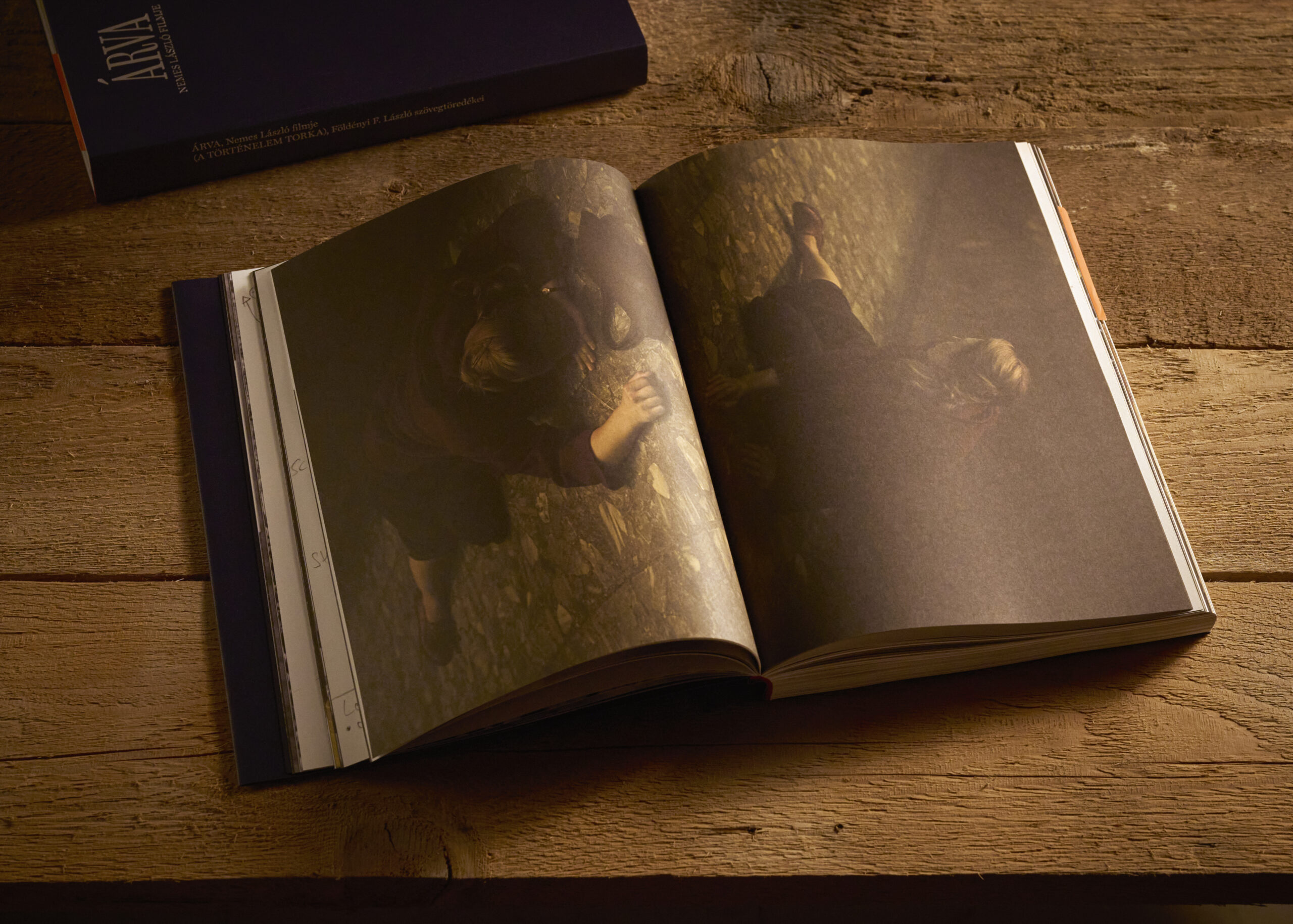
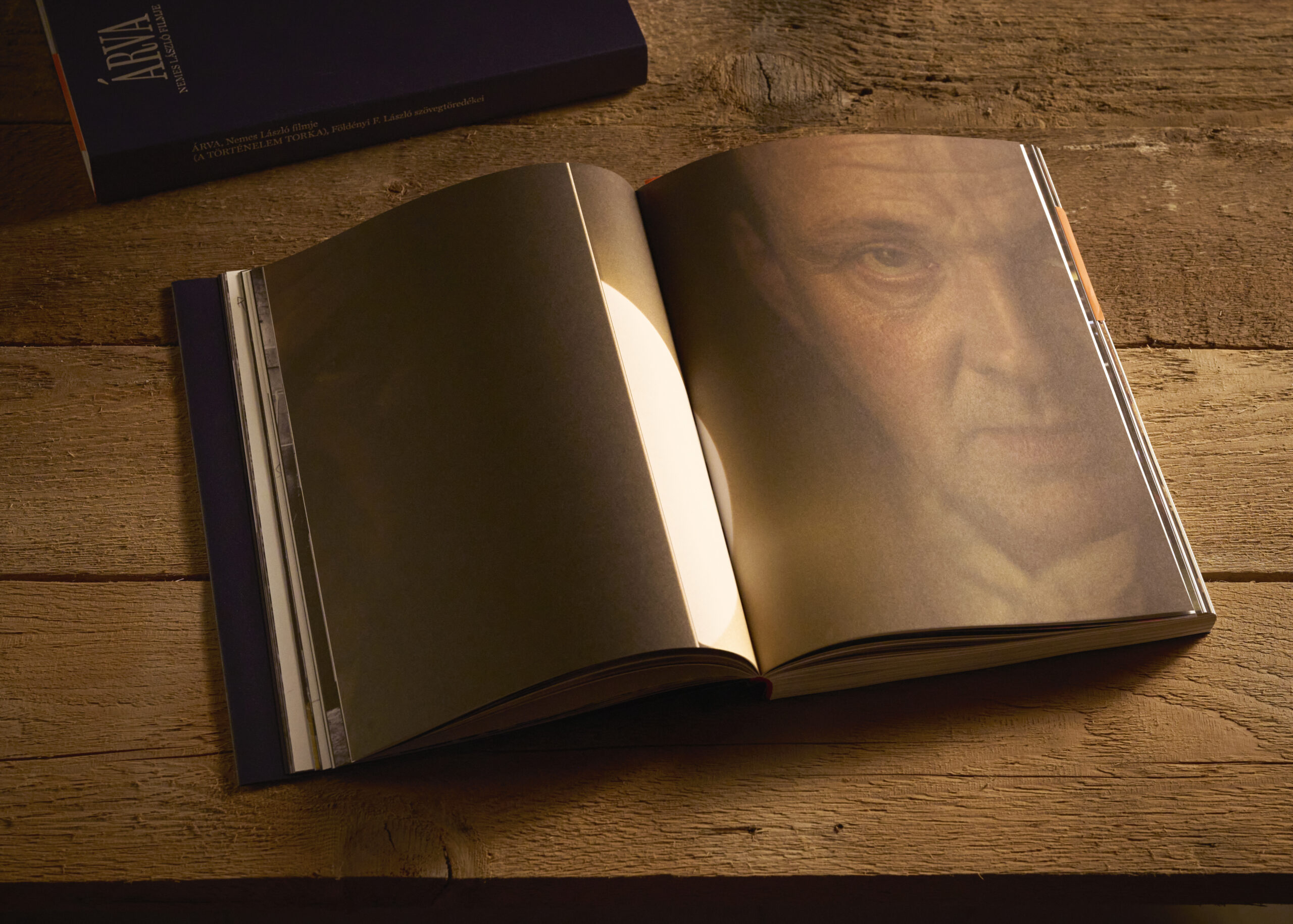
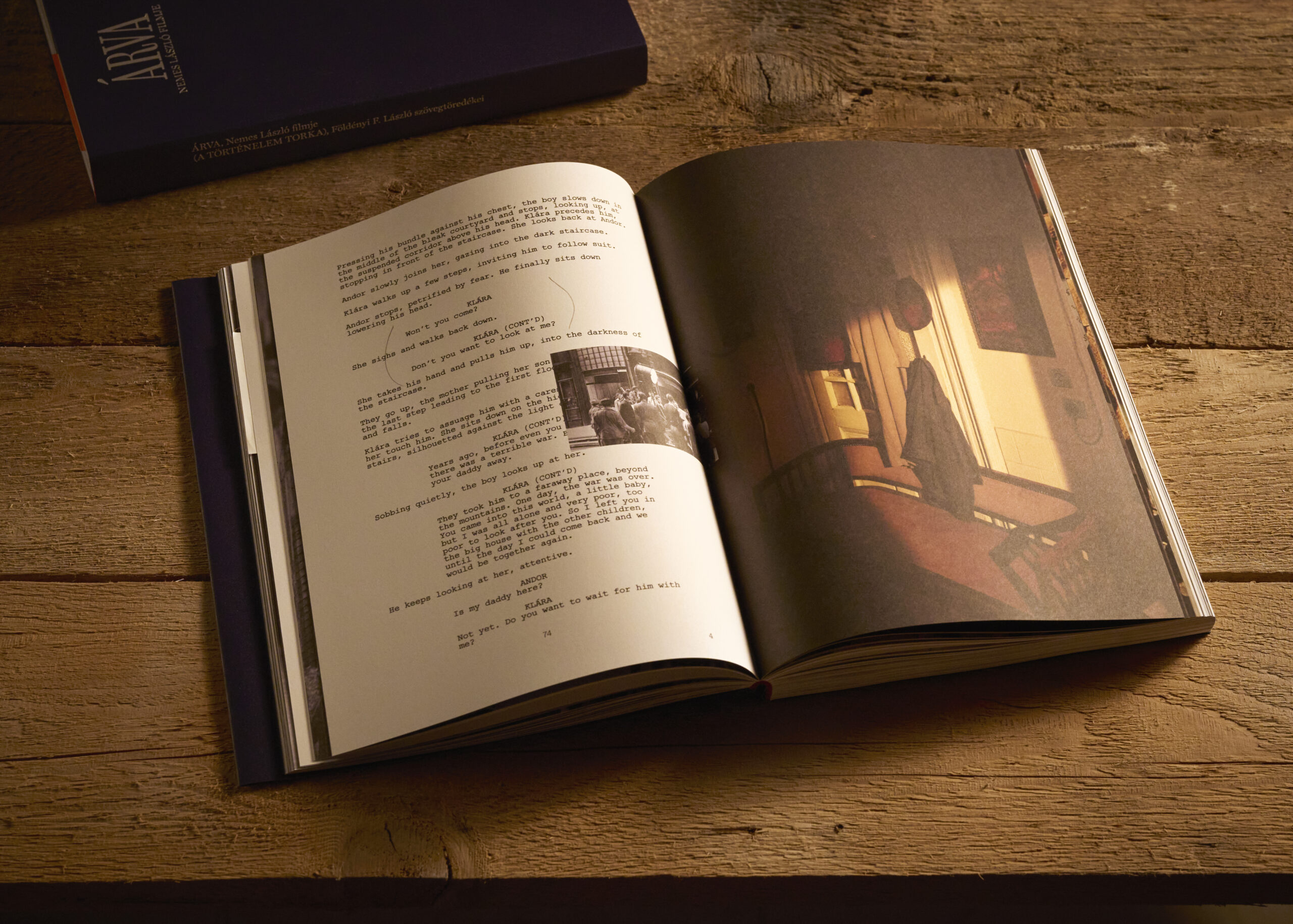
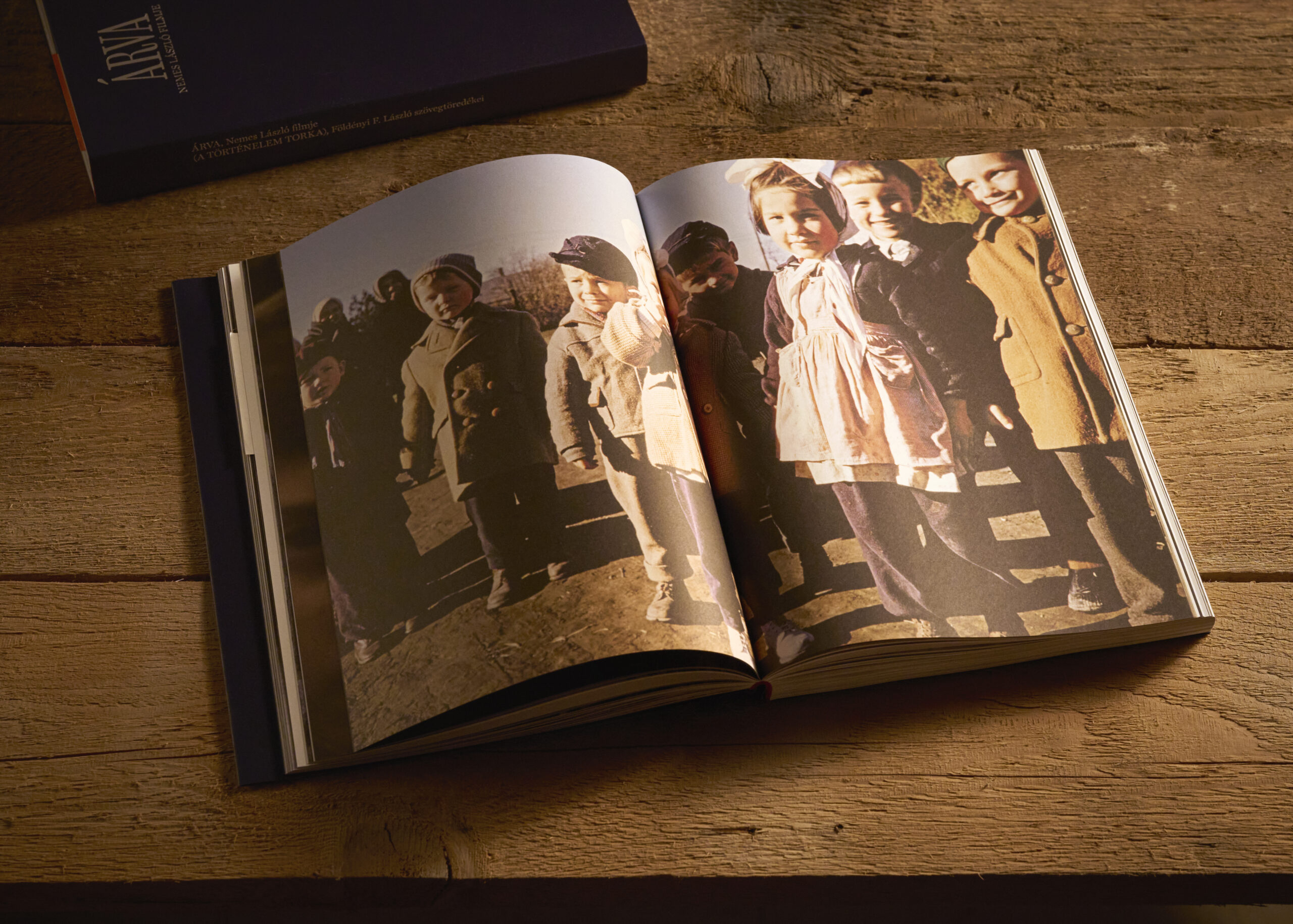
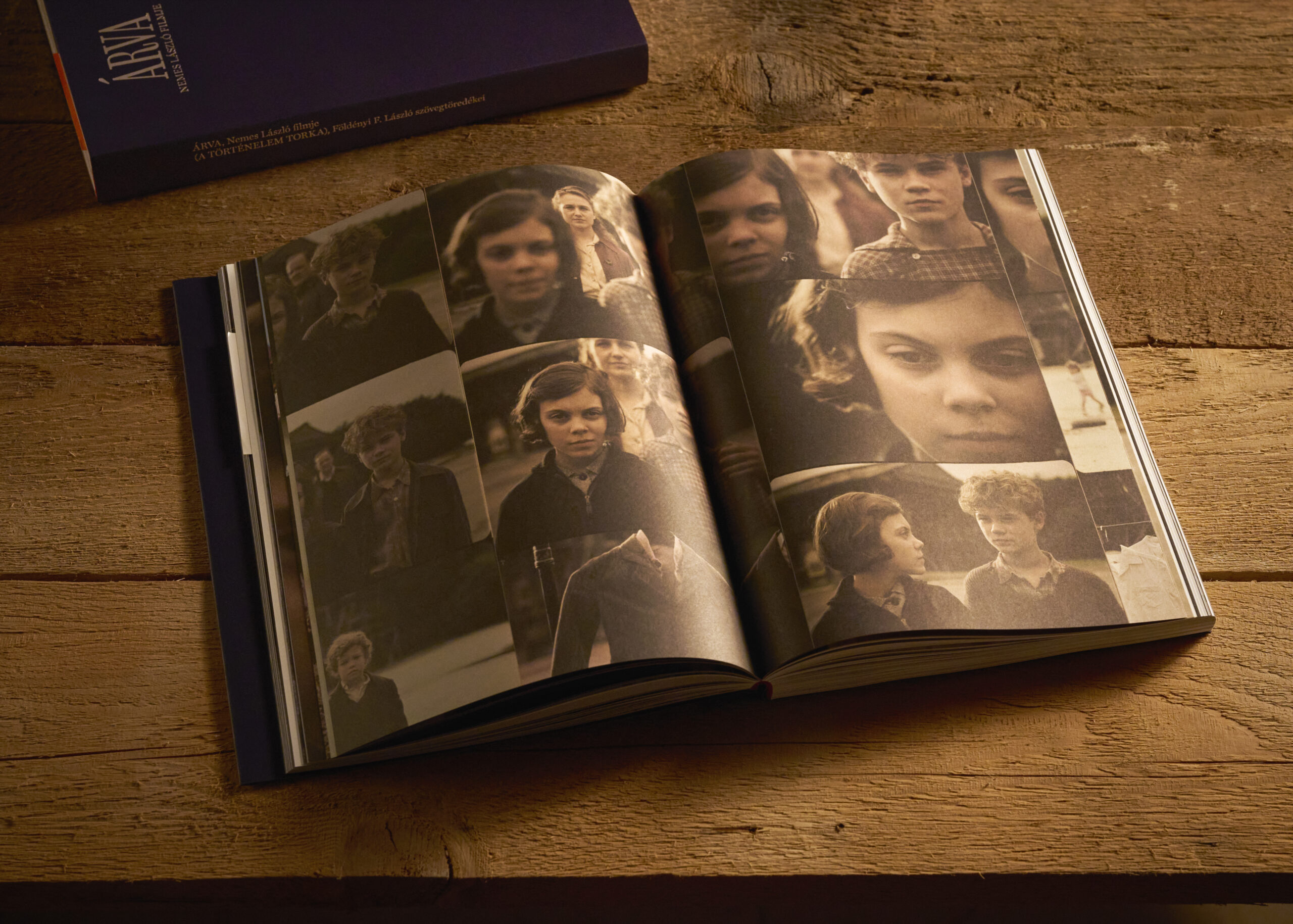
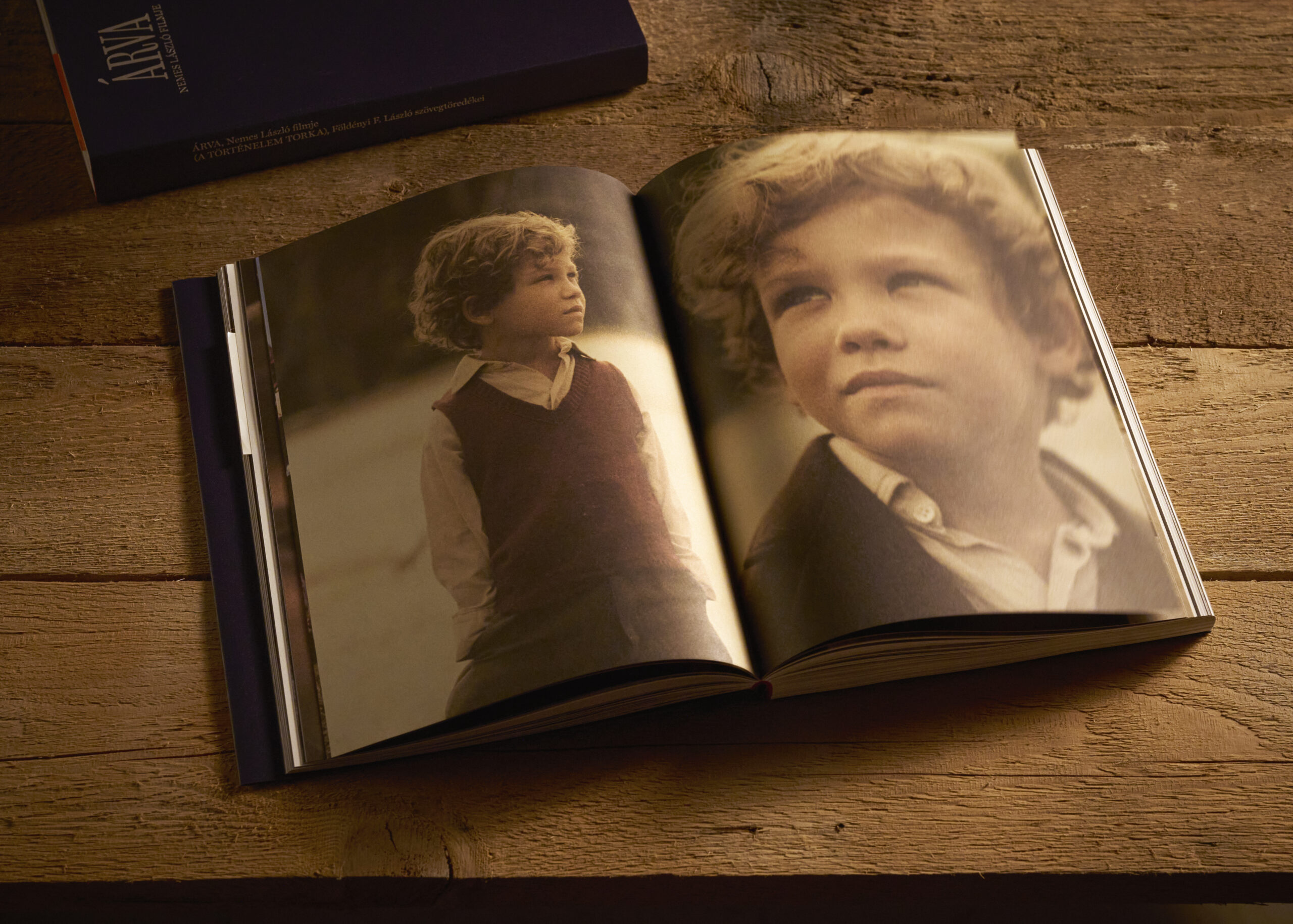
Published in a limited edition of 850 copies in both Hungarian and English, the 336-page volume presents 288 photographs, archival materials, film stills, visual references, production imagery, and newly commissioned texts in a carefully constructed visual labyrinth. The publication was released in conjunction with the exhibition Orphan – In the Throat of History, presented at Budapest’s Kiscelli Museum between December 2025 and April 2026.
Set in Budapest in the spring of 1957, Orphan follows twelve-year-old Andor Hirsch, a boy born during the final year of World War II. Raised by his mother and believing his missing father may one day return, his world is disrupted when a stranger appears claiming to be his real father.
The film itself emerged from an extensive visual research process. Director László Nemes Jeles and his collaborators explored thousands of historical photographs, drawing heavily from online archives and particularly the Fortepan collection. Photography became more than reference material. It became a foundation for reconstructing a lost world.
That image-based investigation ultimately became the starting point for the book. The publication was conceived from an original idea by cinematographer Mátyás Erdély ASC, HCA, and developed by artistic director Szabolcs Barakonyi together with book designer Zalán Péter Salát. Rather than organizing the material according to the film’s chronology, the creators chose a more associative structure, allowing visual connections to emerge across time, place, and meaning. As Barakonyi explains: “While searching for connections between the images, we quickly abandoned this constraint, allowing freer image reading to prevail over the usual linear reading order.” The result is a publication that mirrors the fragmented nature of memory itself.
Inspired by a sudden gust of wind.
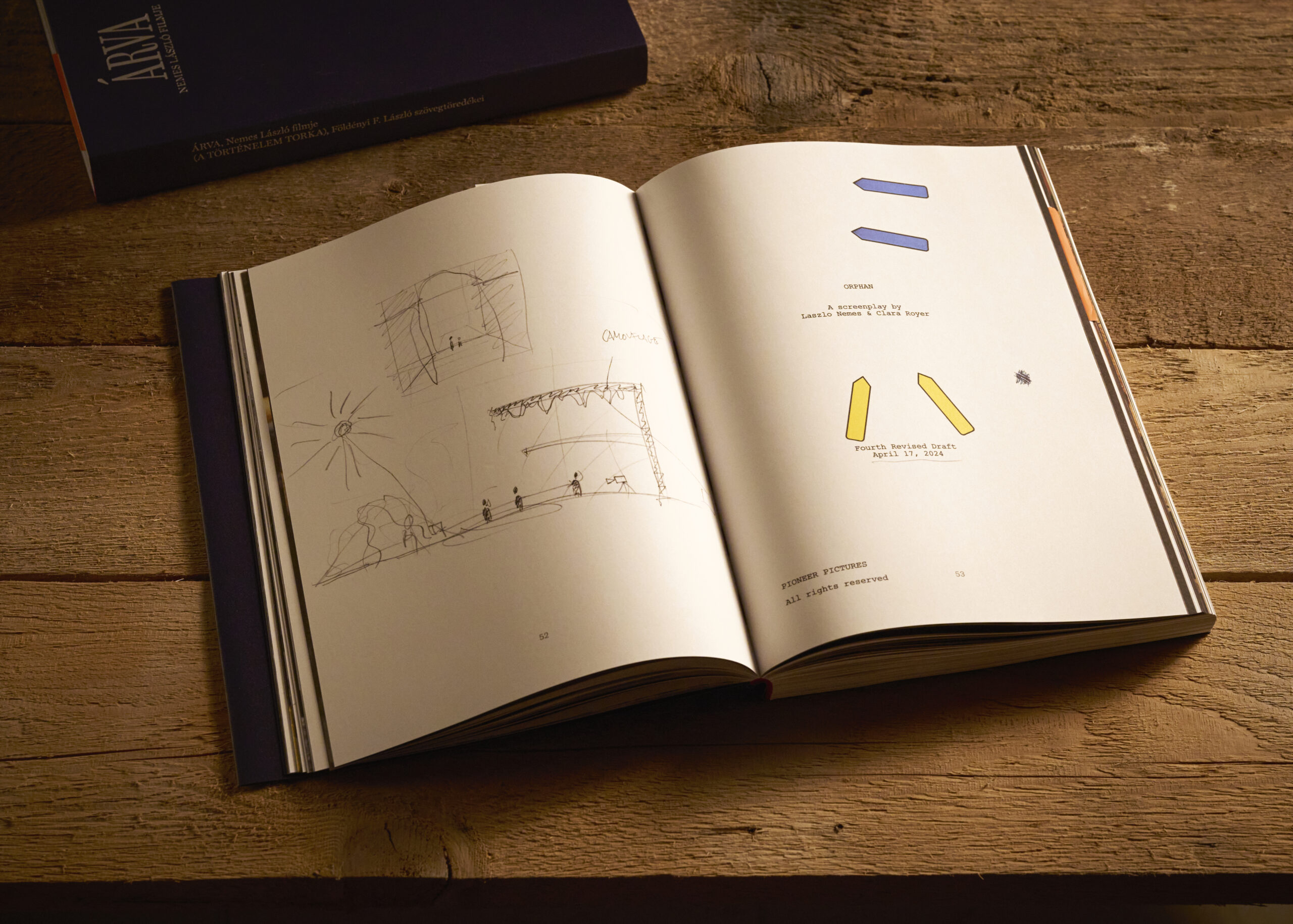
One of the most fascinating aspects of the project is the conceptual framework behind its layout. Barakonyi describes how the team physically dismantled the director’s and cinematographer’s scripts, rearranging pages and introducing new material. During this process, they found themselves thinking of Canadian artist Jeff Wall’s A Sudden Gust of Wind (after Hokusai), the famous photographic reinterpretation of Katsushika Hokusai’s woodcut.
The metaphor became central to the book’s structure. The scattered pages, disconnected images, and shifting sequences evoke papers caught in the air — impossible to fully gather back into order. The book’s visual narrative remains in constant motion, much like the film’s protagonist, Andor Hirsch, who is himself searching for identity and belonging. “Similarly to the main hero of Orphan, Andor Hirsch, the film book is not able to reach a point of rest because pages have to be constantly turned while searching for connections.”

A small rebellion in print.
Perhaps the clearest articulation of the project’s ambition came from director László Nemes Jeles during the book’s launch event. He deliberately positioned the publication against the conventions of film publishing. “In my opinion, there’s nothing more boring than a book about a movie. I’ve seen plenty of them, published by studios or producers. This is how I imagine hell: being locked in an empty room with a book about a movie. Fortunately, this book is nothing like that.” Instead, the director describes the book as an invitation to active participation. “What we can do with this book is inspire creativity in whoever picks it up.” He continued, “This book is precisely such a form of resistance, a small rebellion in favor of creativity.” That spirit of experimentation is visible throughout the publication, particularly in one of its most unusual physical features.
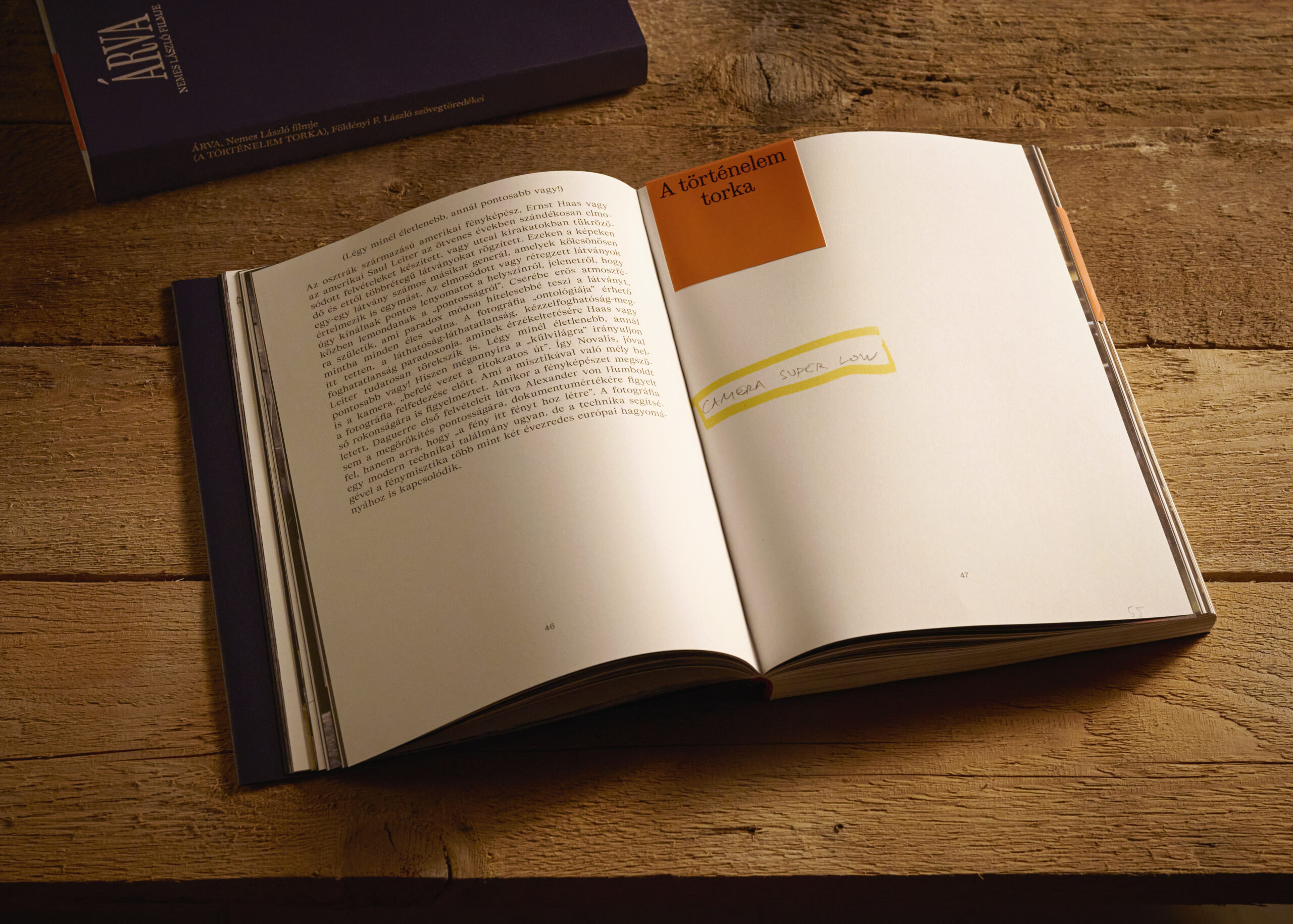
For paper and print enthusiasts, the book’s most surprising element may be its use of removable image stickers integrated directly into the publication.
The stickers reference the working methods of filmmaking itself, echoing the repositionable notes and markers used during script development and production planning. Readers are invited to peel, move, and reposition photographic elements, becoming participants in the act of editing and re-editing visual meaning.
The material selected for this feature is particularly noteworthy: Yupo® Tako WKFS 340 (220 gsm). Unlike conventional adhesive labels, Yupo Tako is a synthetic polypropylene-based material that adheres through micro-suction technology rather than permanent adhesive. The stickers can be removed and reapplied repeatedly without leaving residue, making them ideal for an interactive publication intended to encourage rearrangement and experimentation.
A reviewer writing for Telex described the effect as almost magical. “The winner is printed on a sticker — which still seems like black magic to me — that we can peel off and stick anywhere we like.” The reviewer further noted that the technology is manufactured by the Japanese company Yupo and compared the stickers to the Post-it notes used throughout film production processes. For designers and print professionals, this integration of industrial printing technology into the conceptual framework of the publication is particularly compelling. The material is not merely a technical choice, it becomes part of the narrative itself.
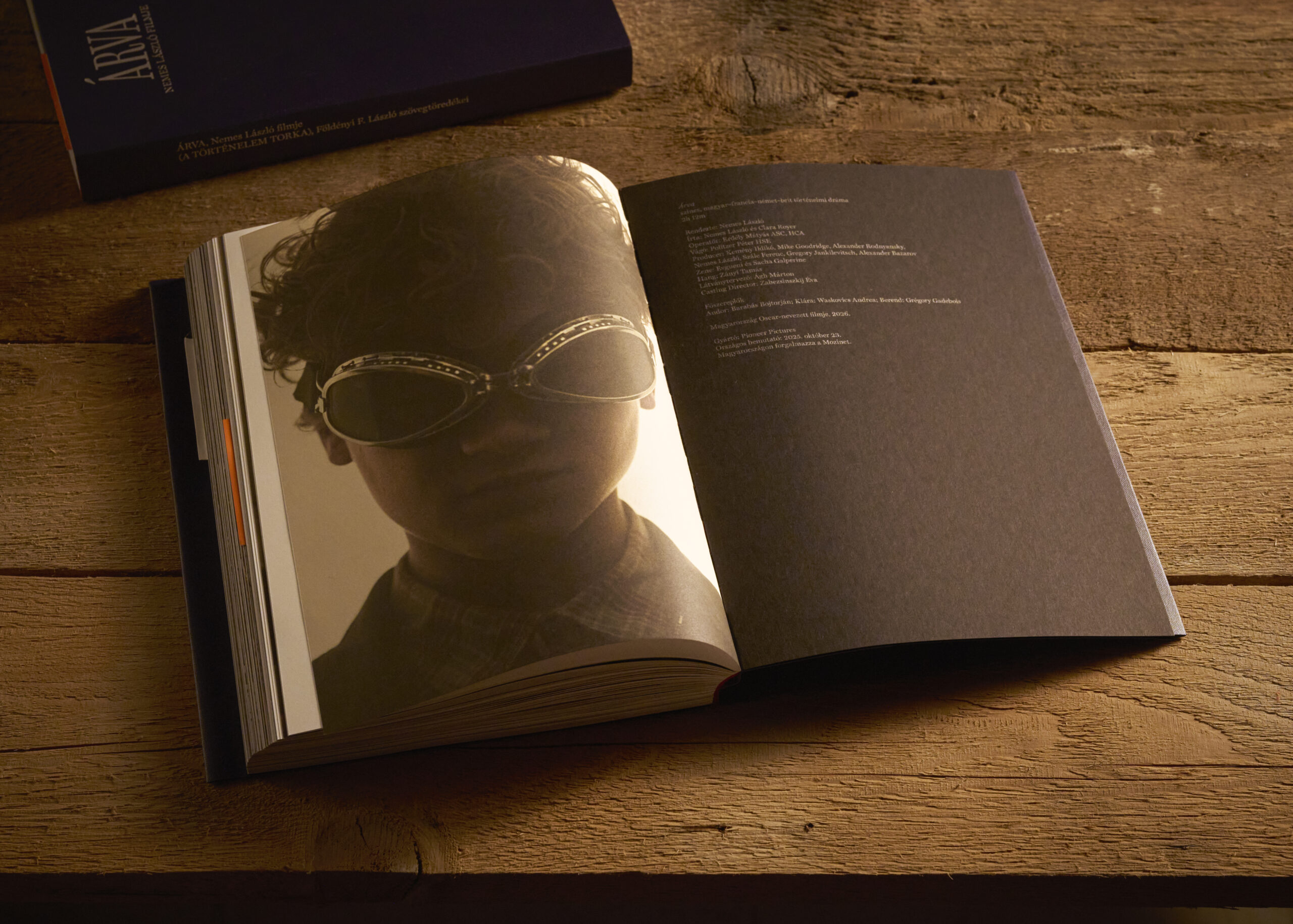
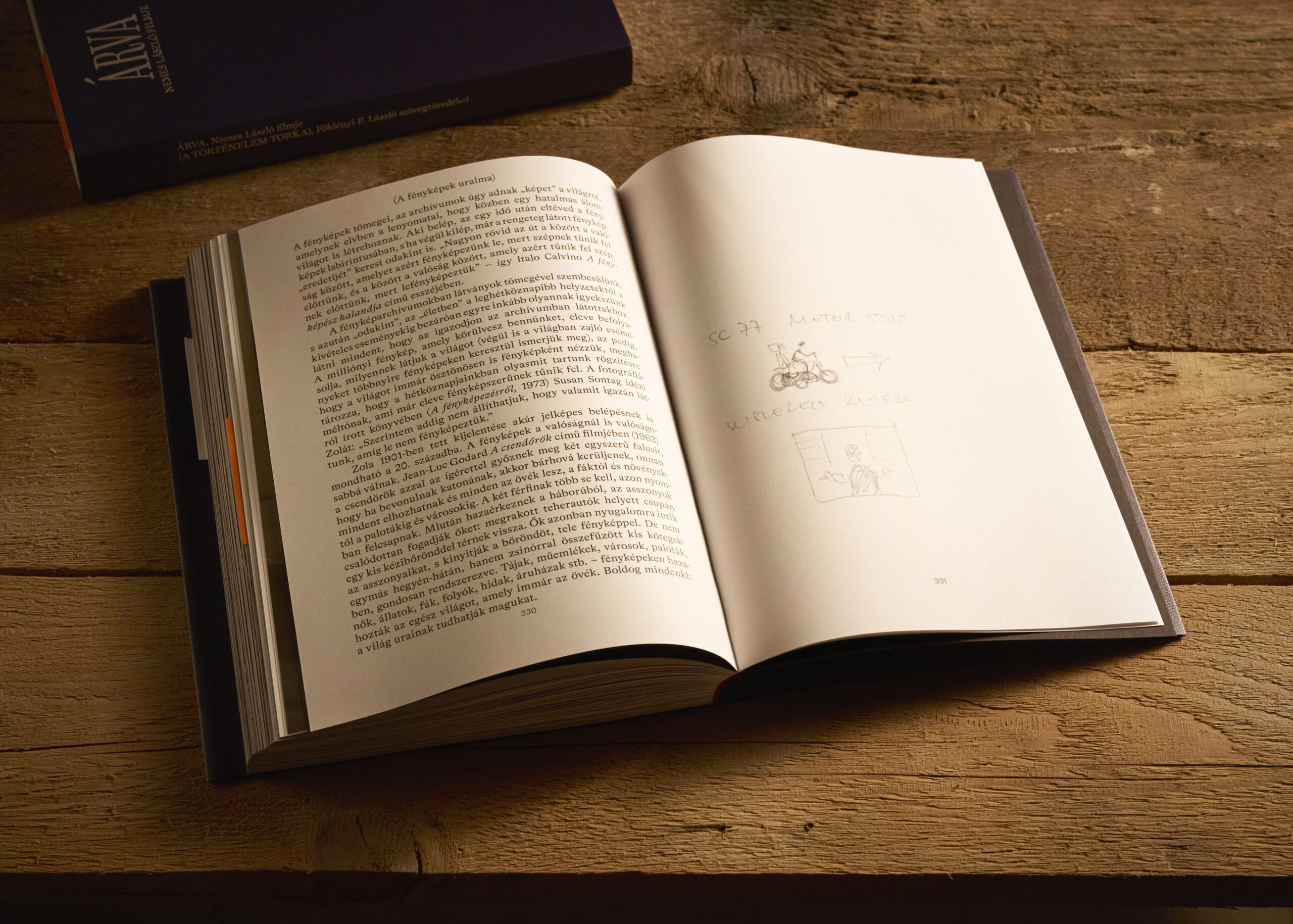
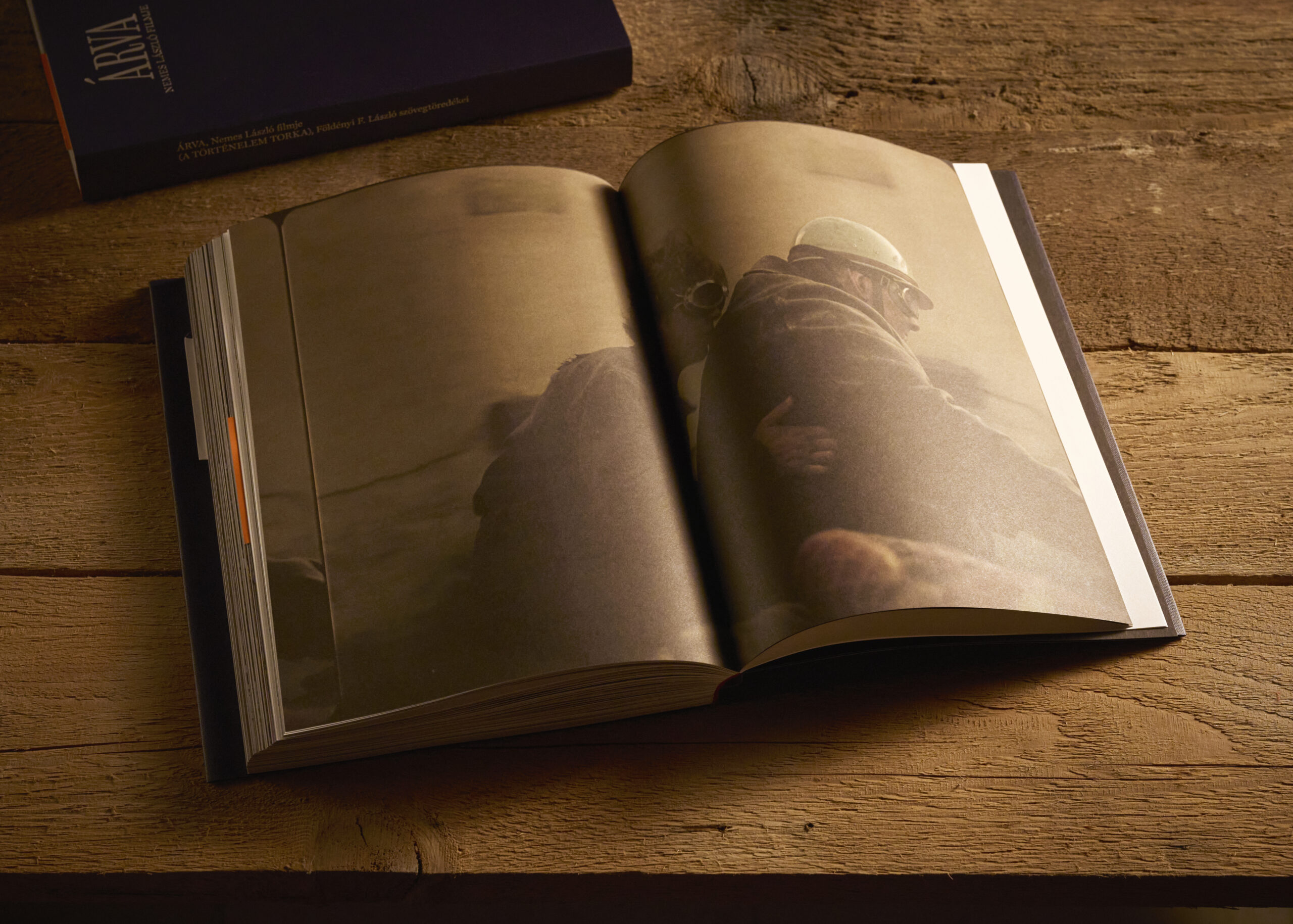
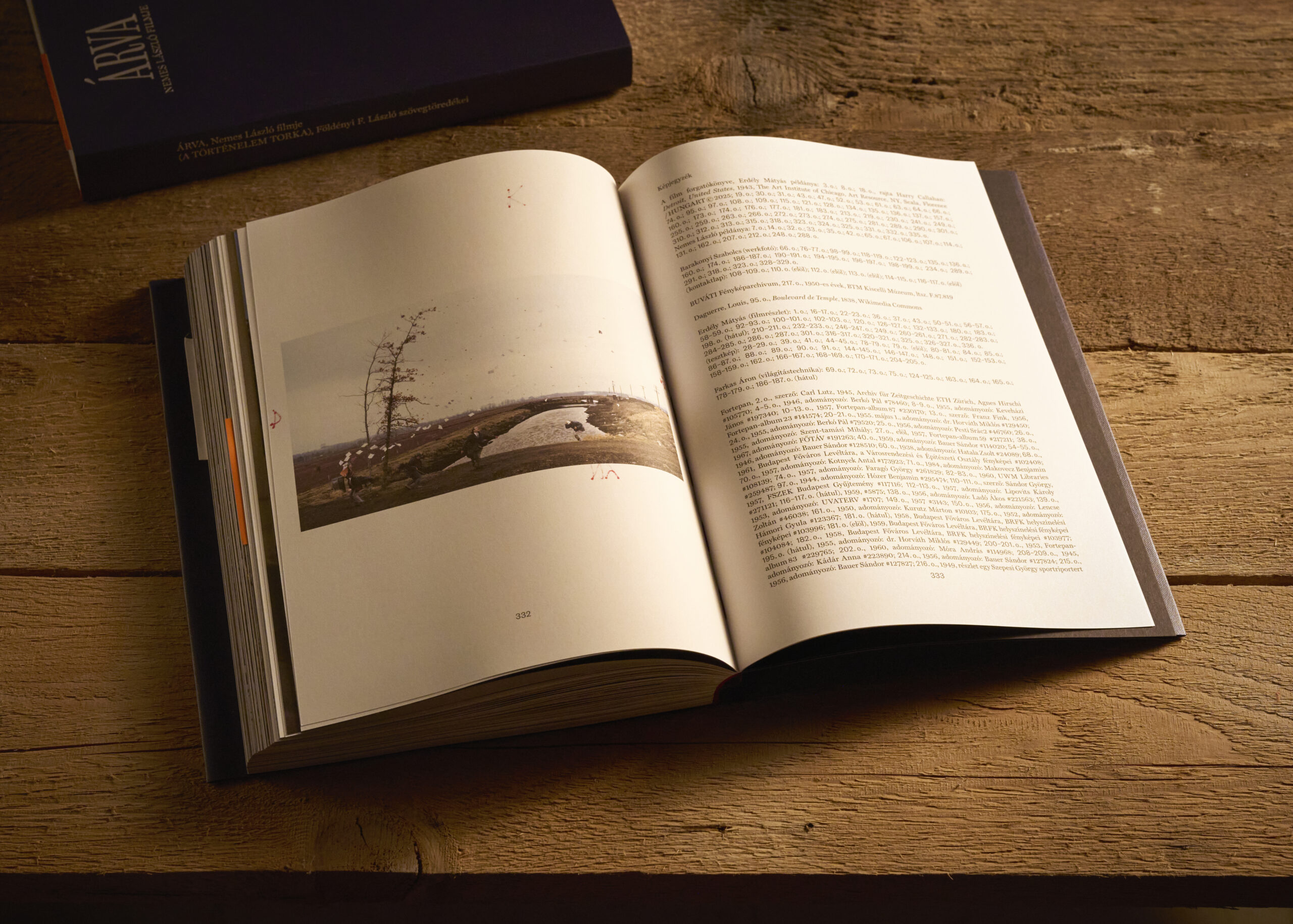
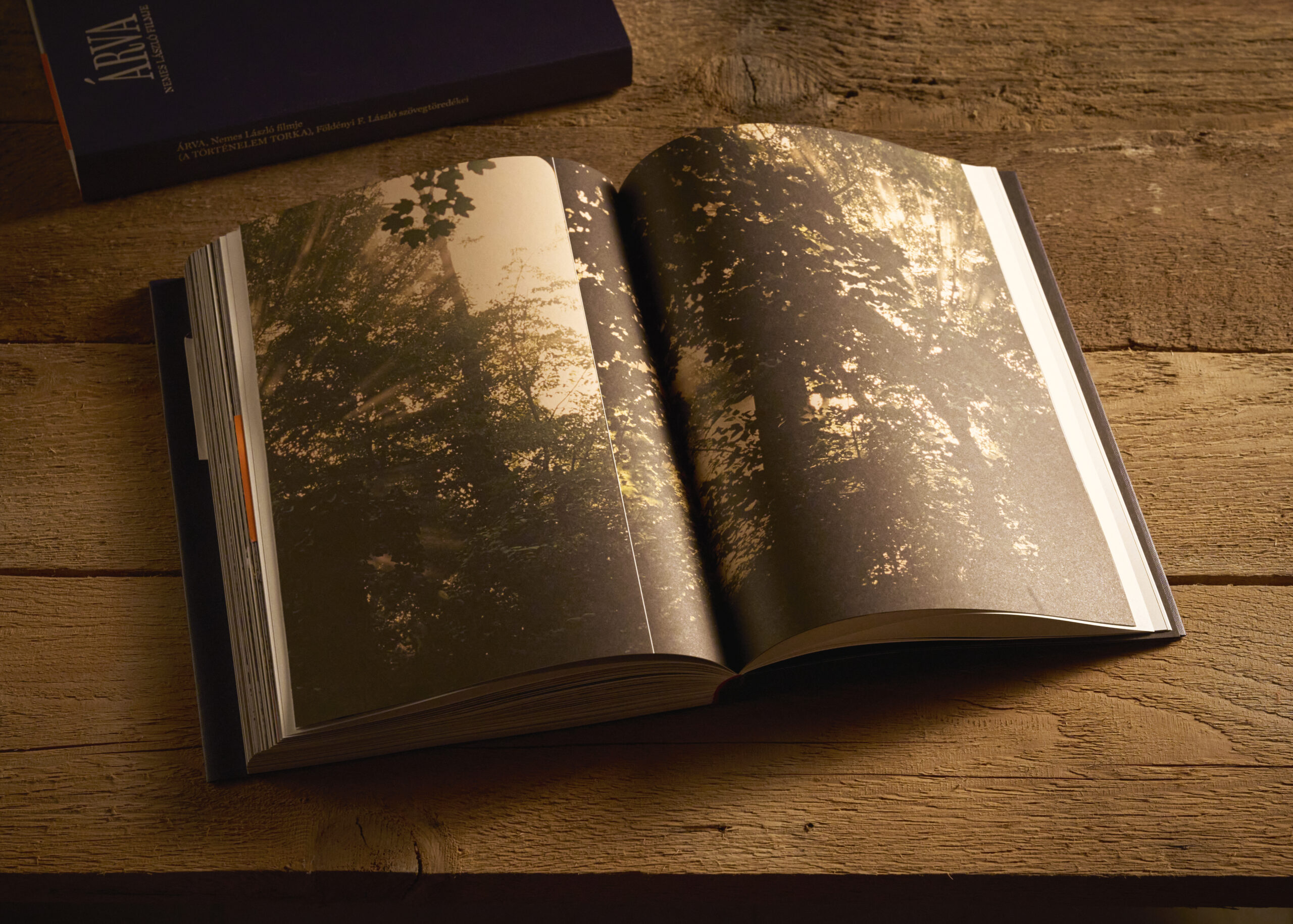
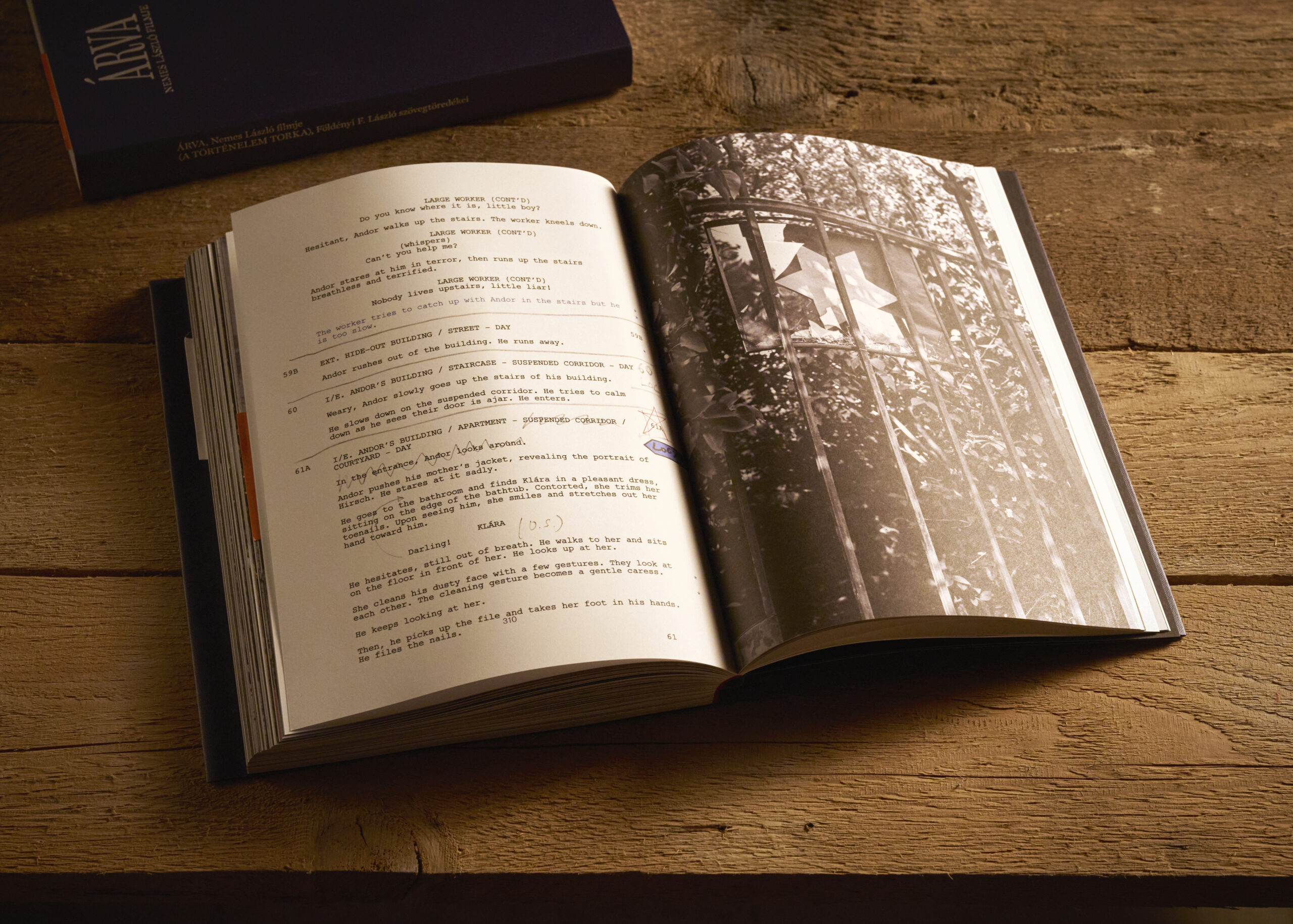
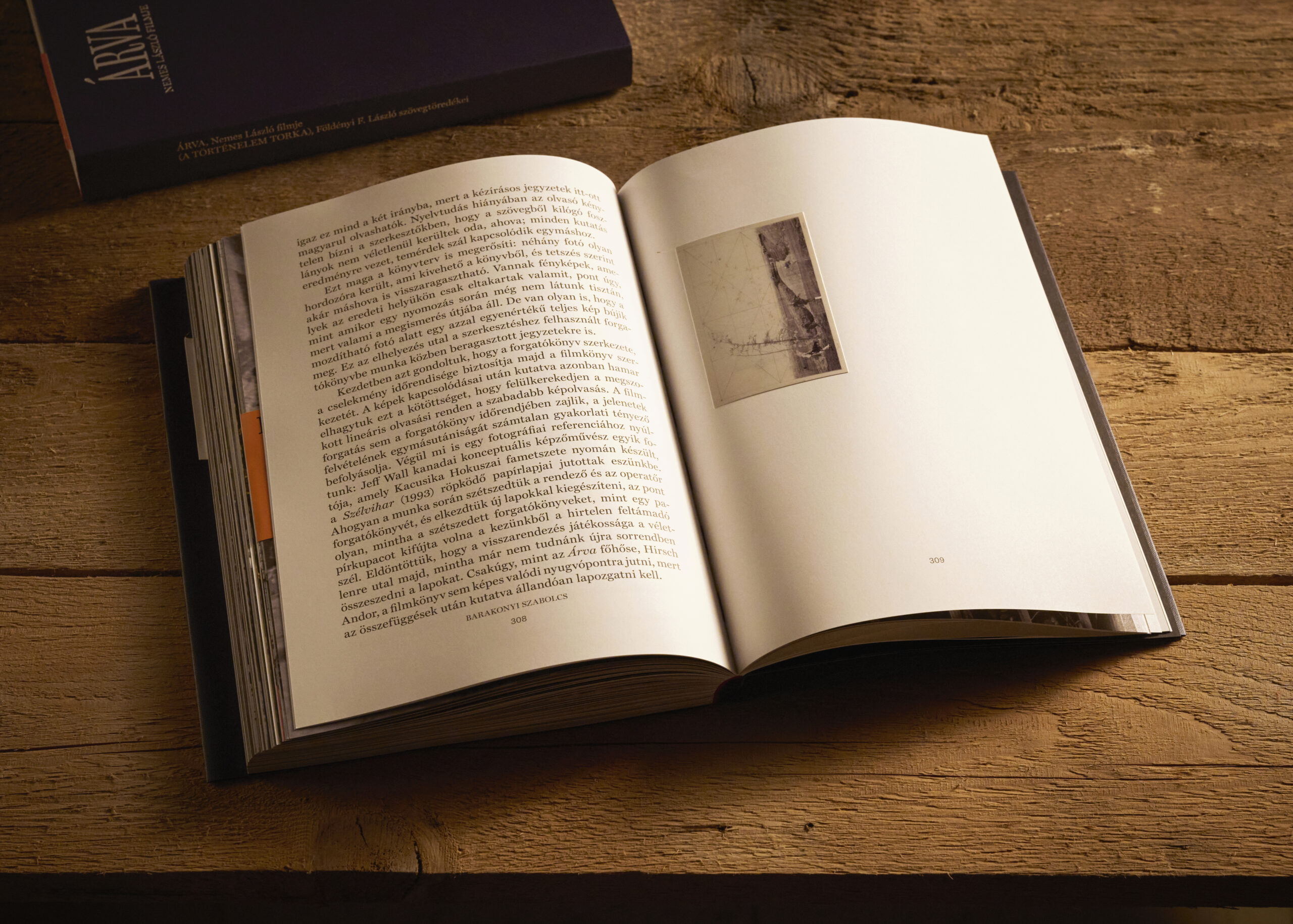
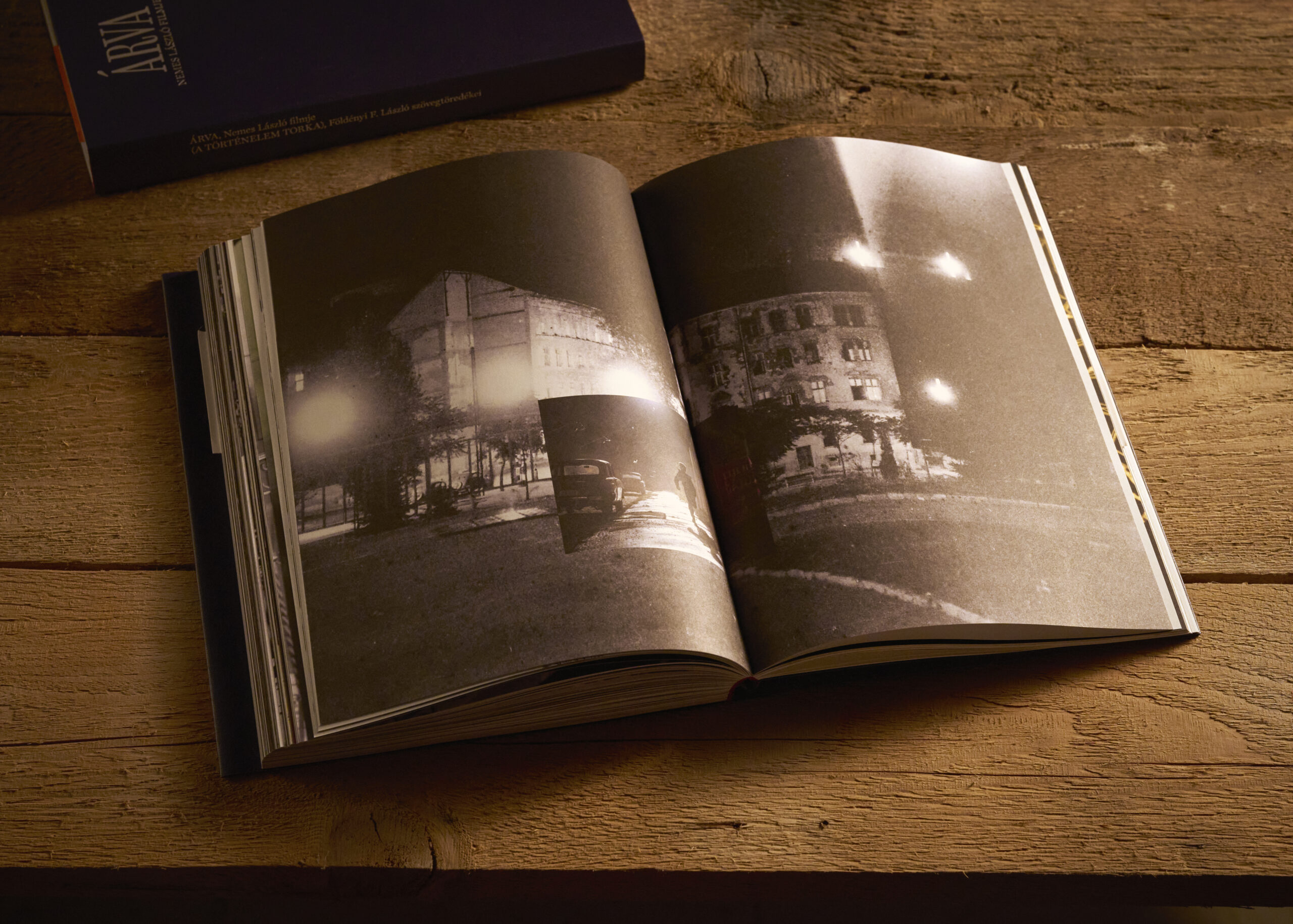
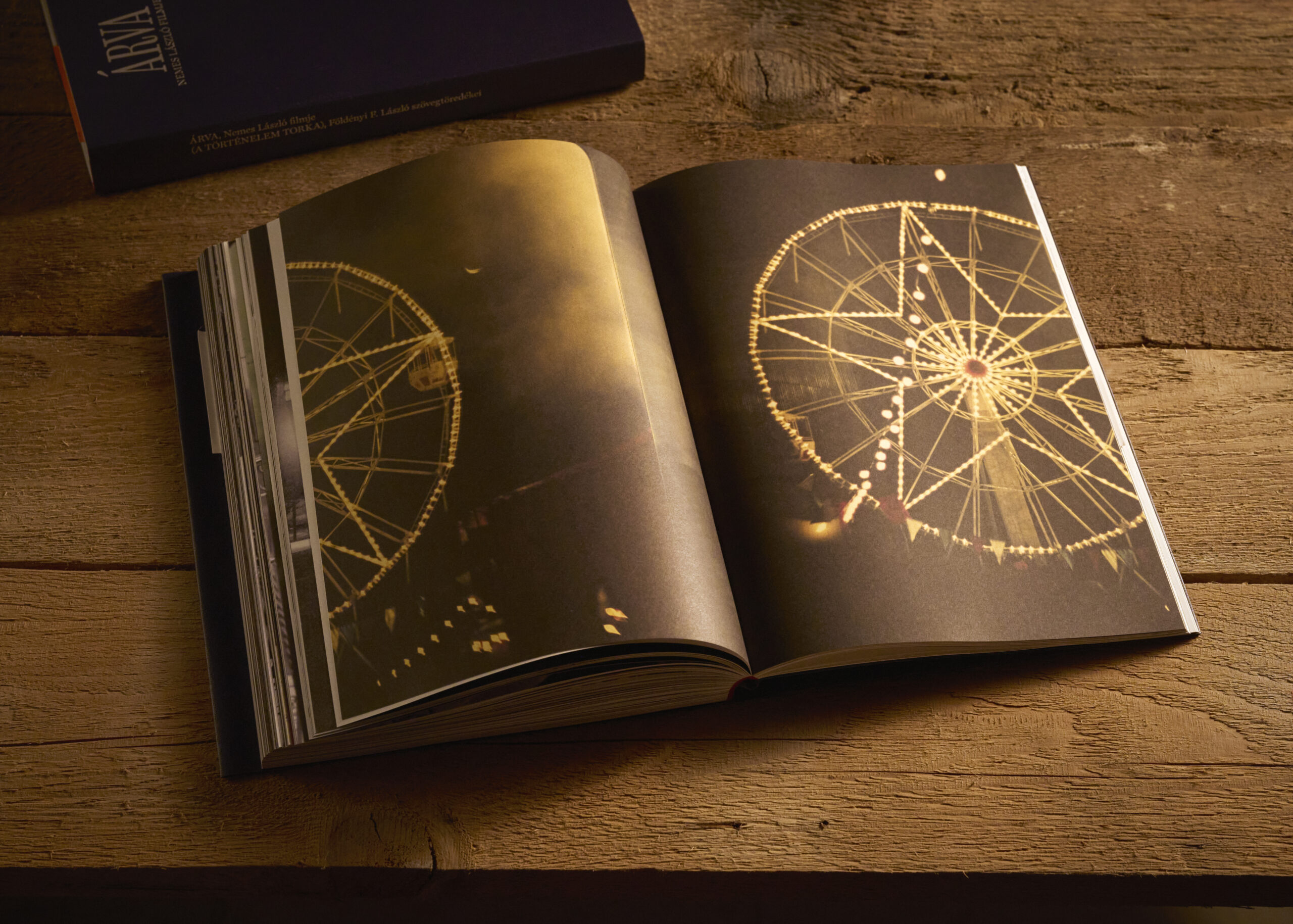
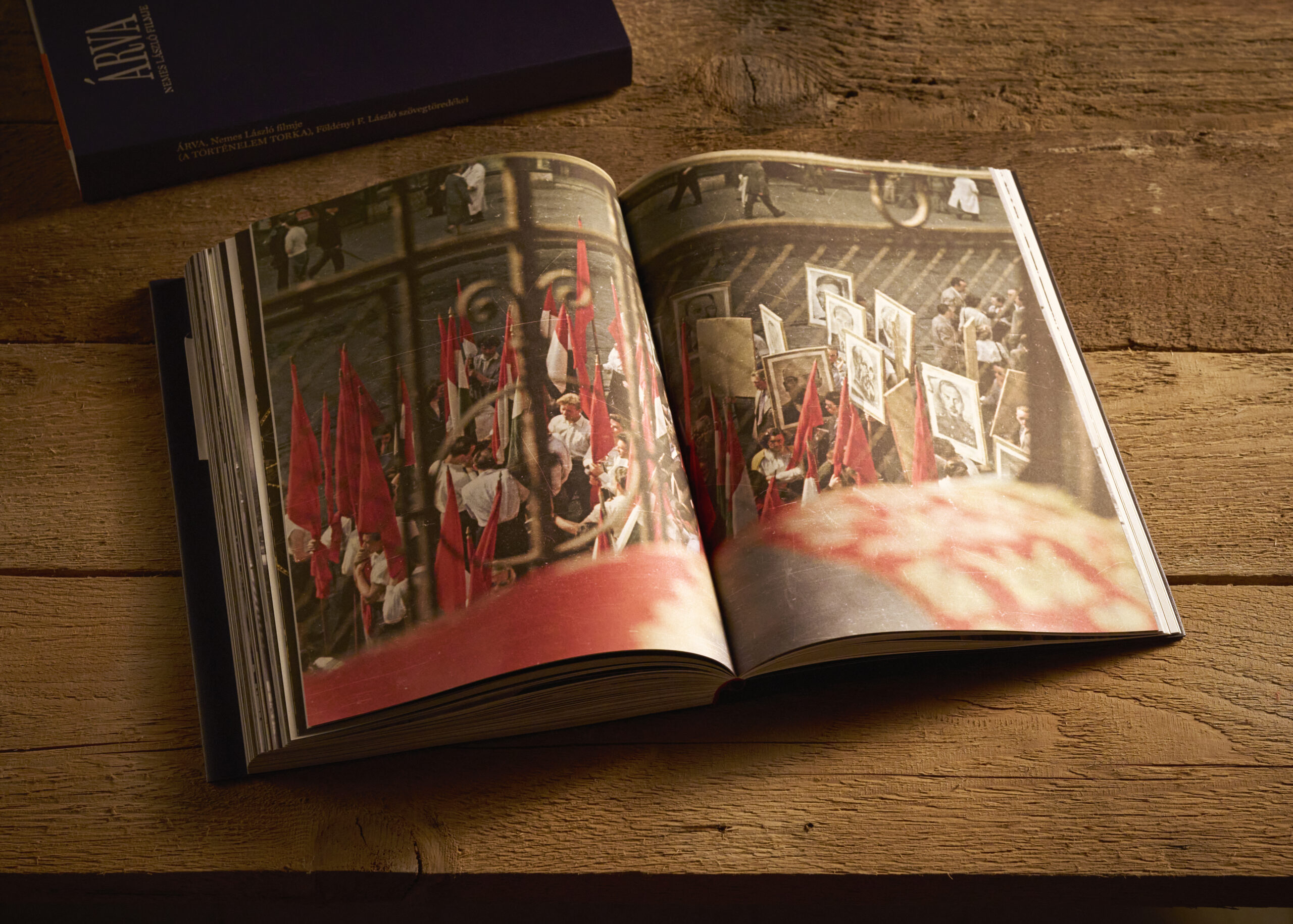
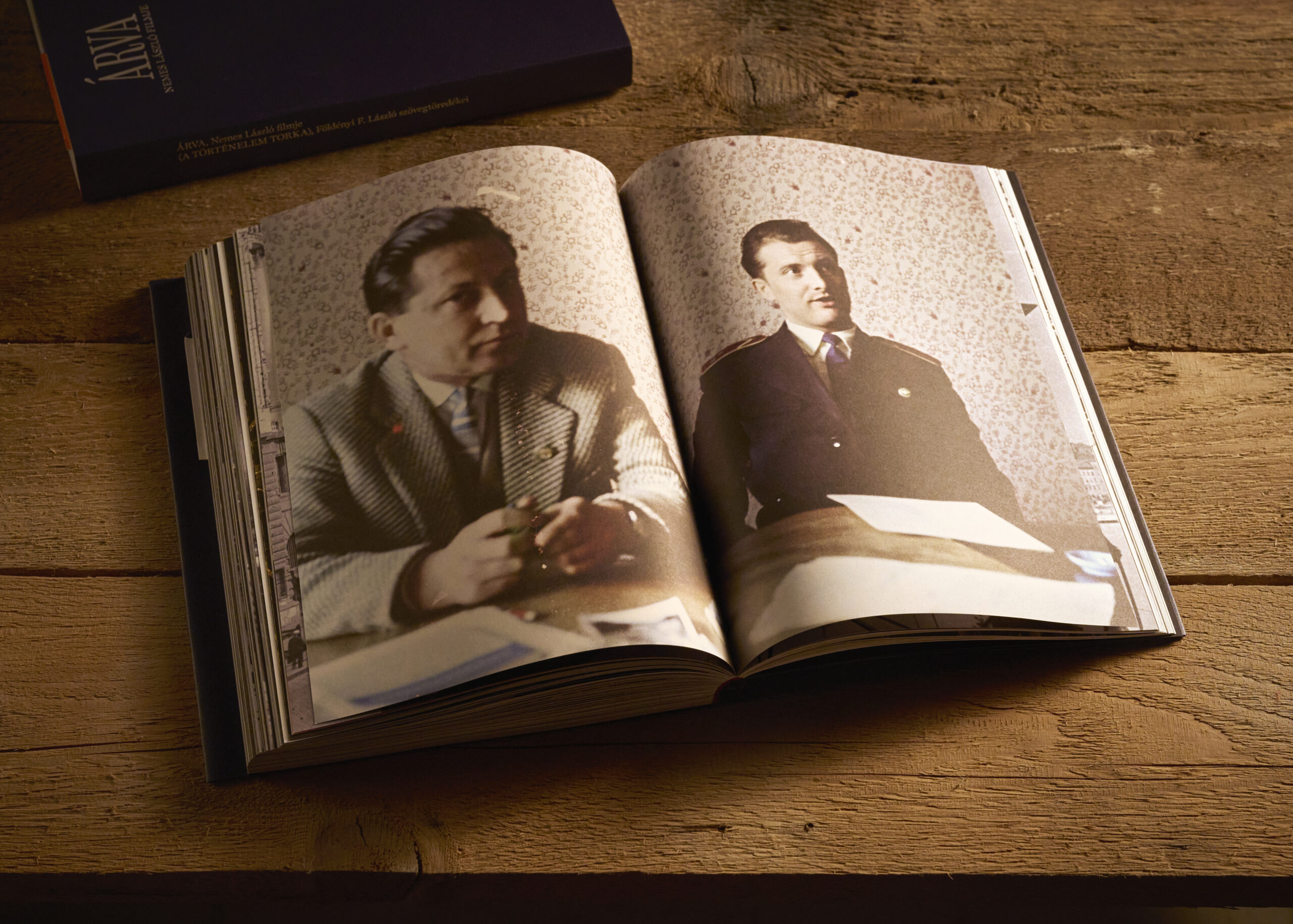
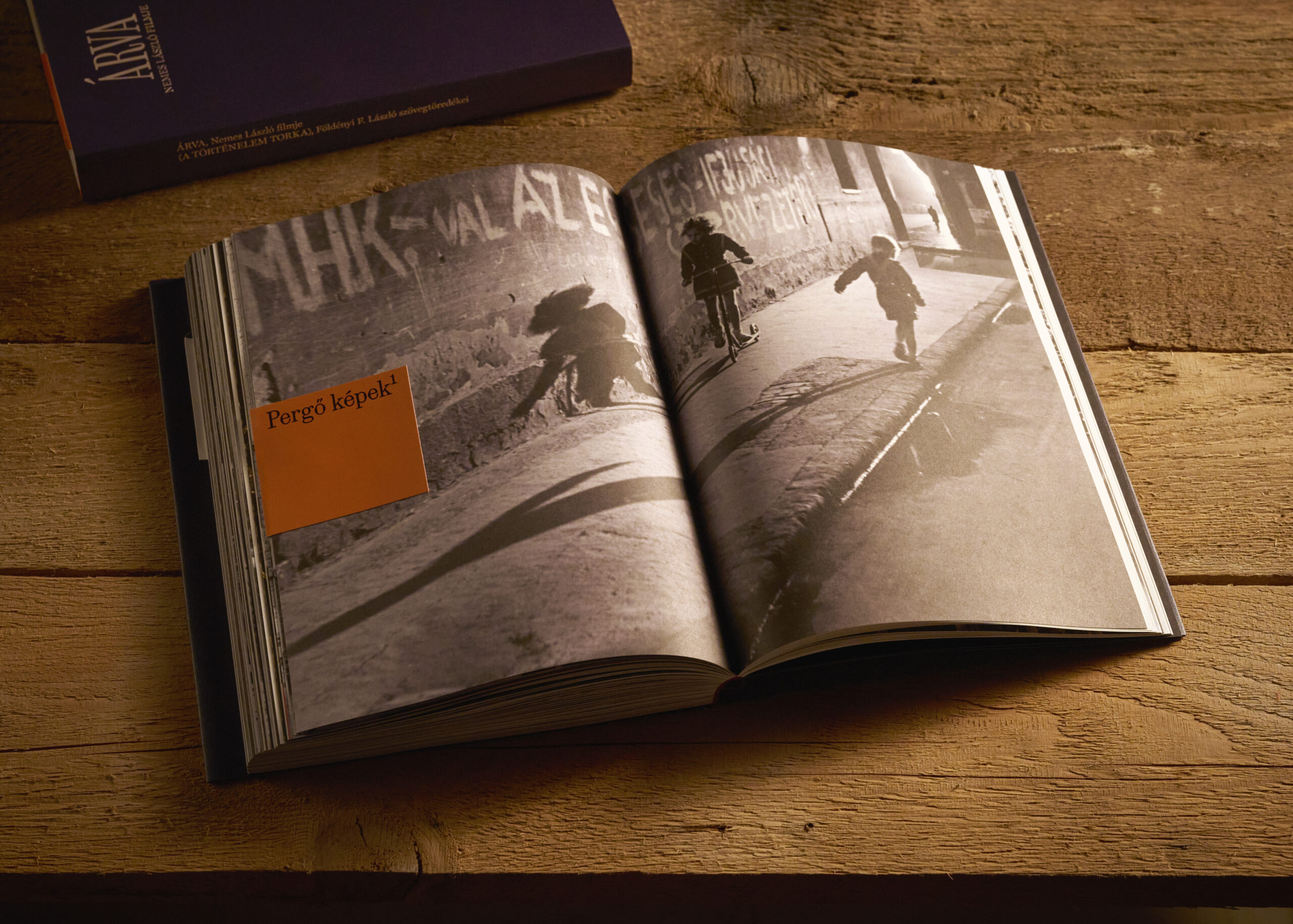
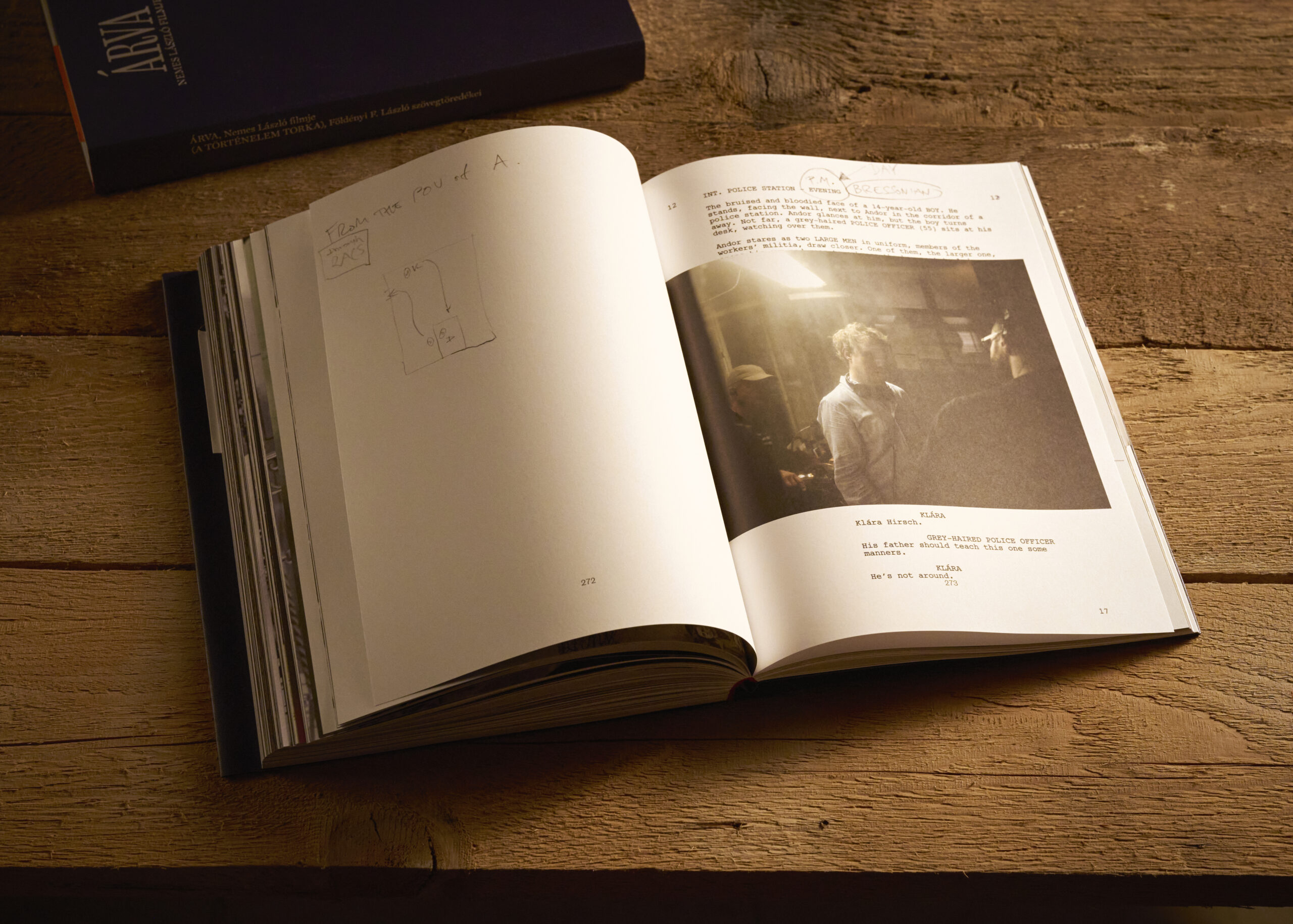
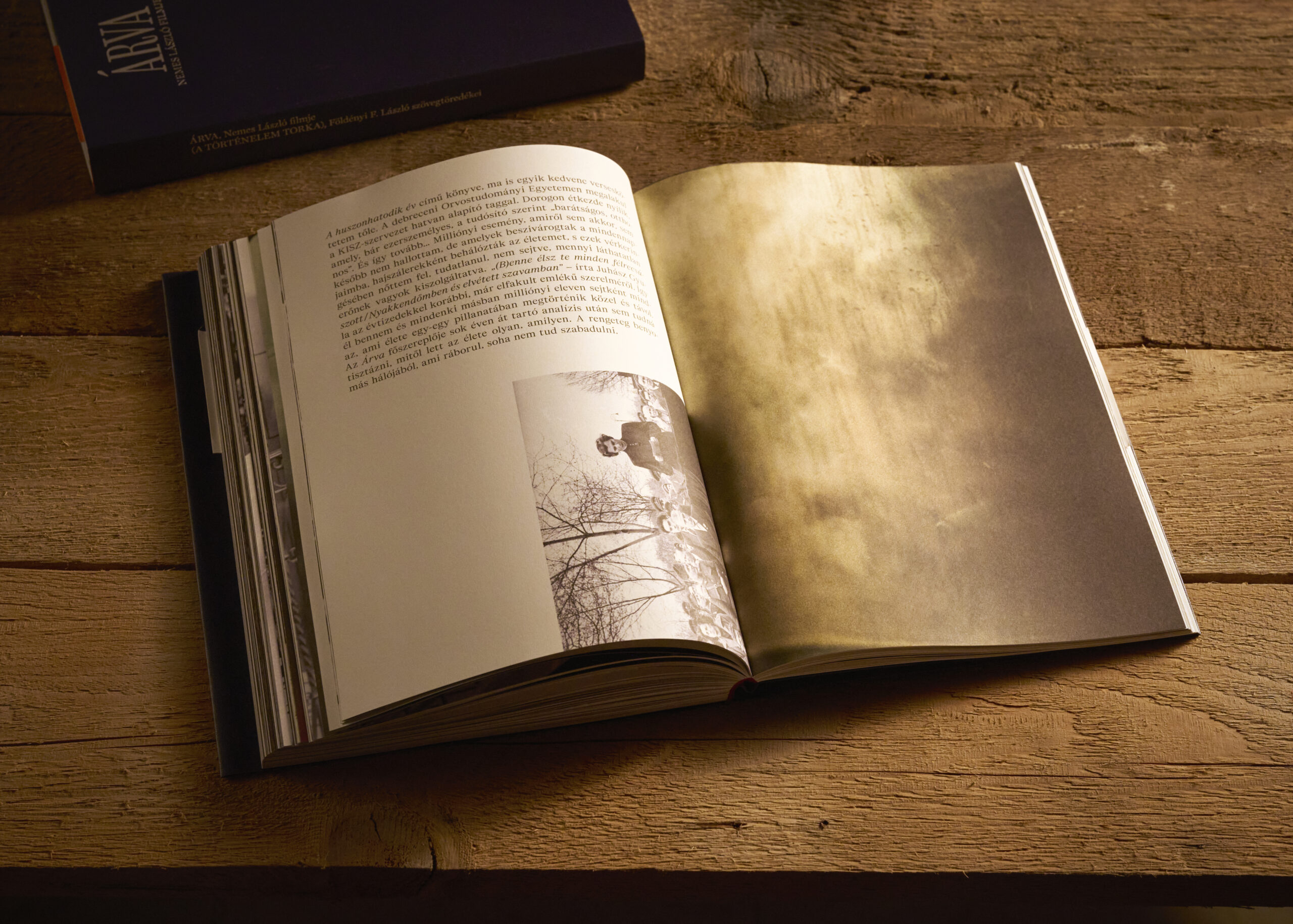
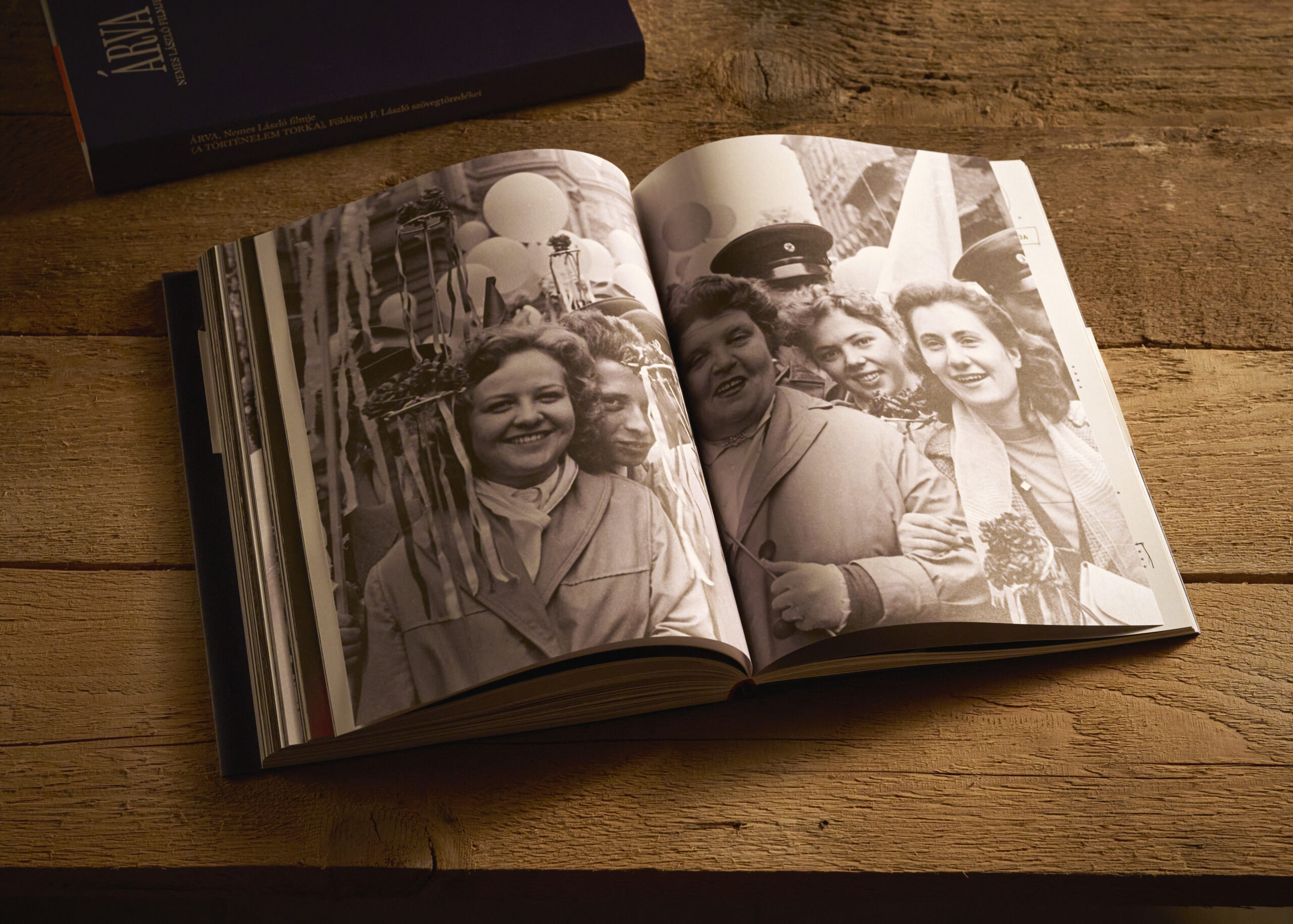
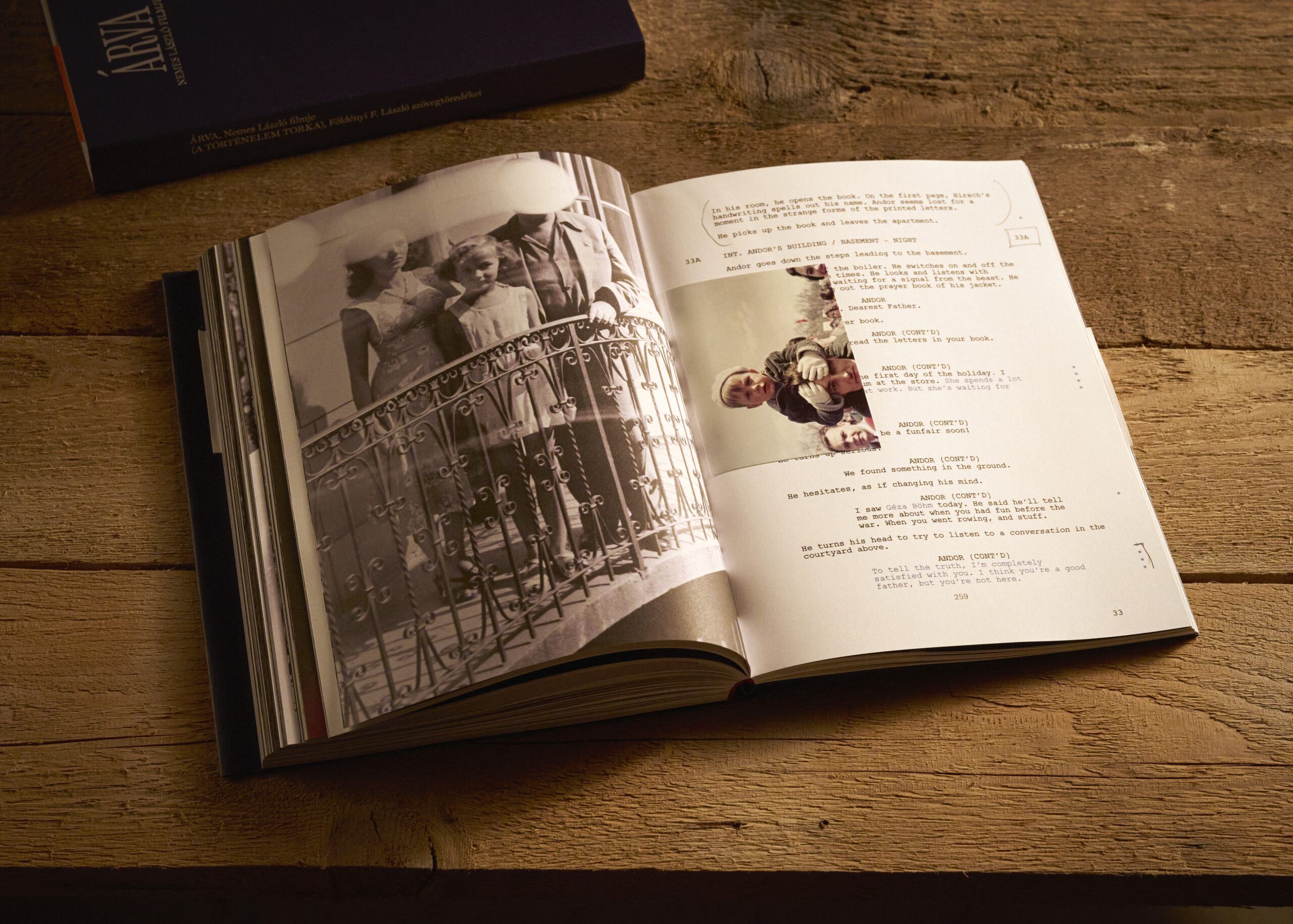
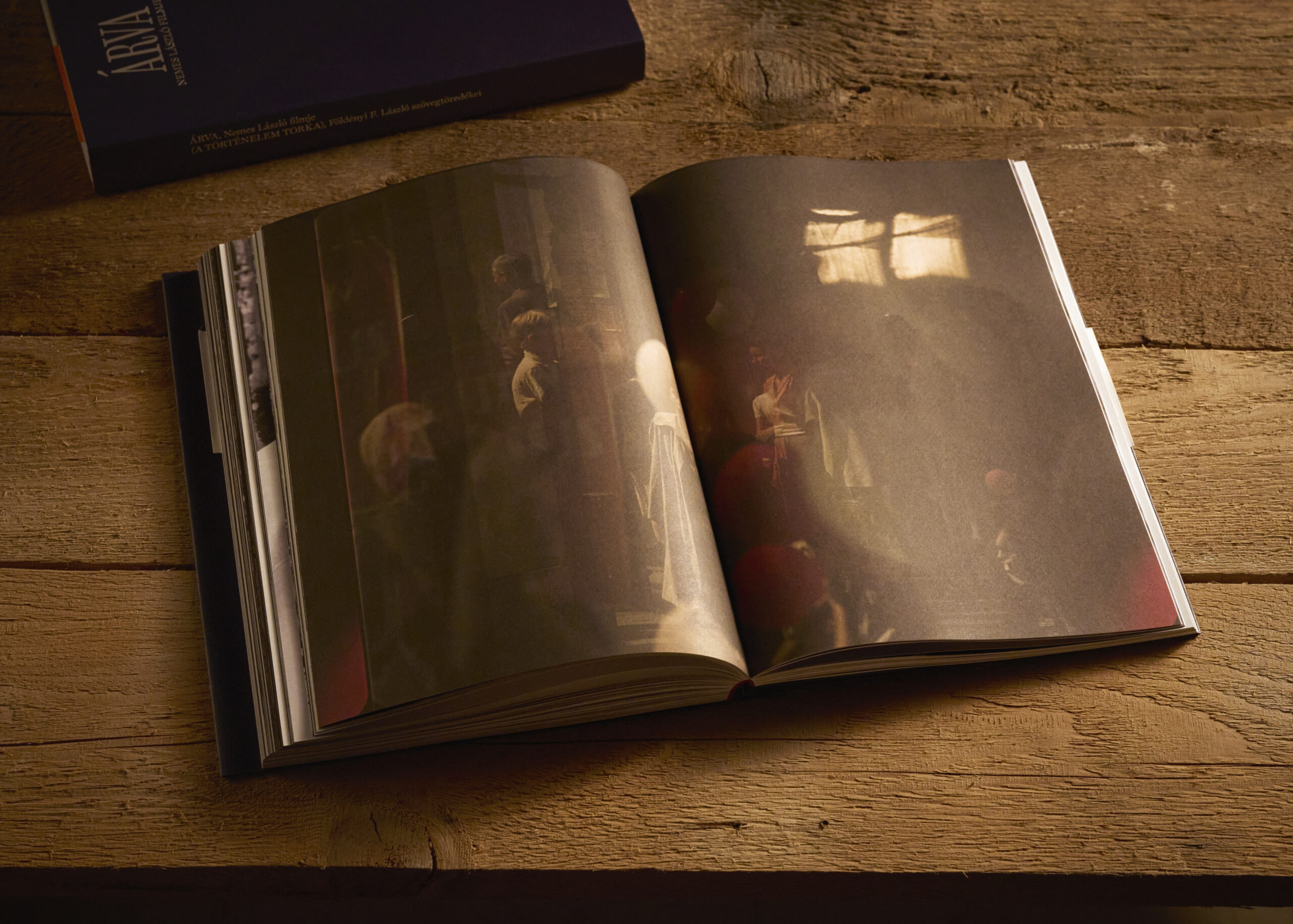
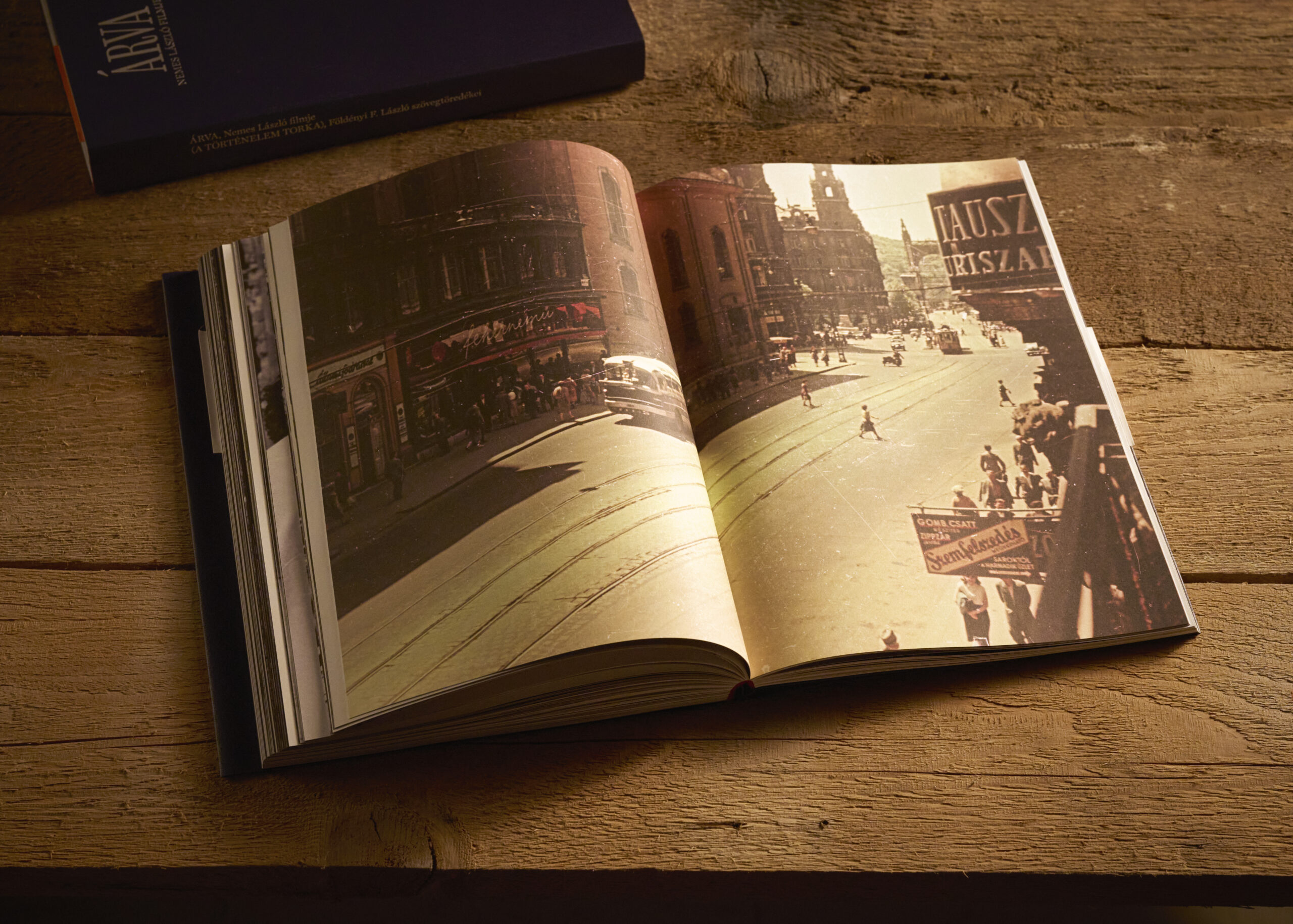
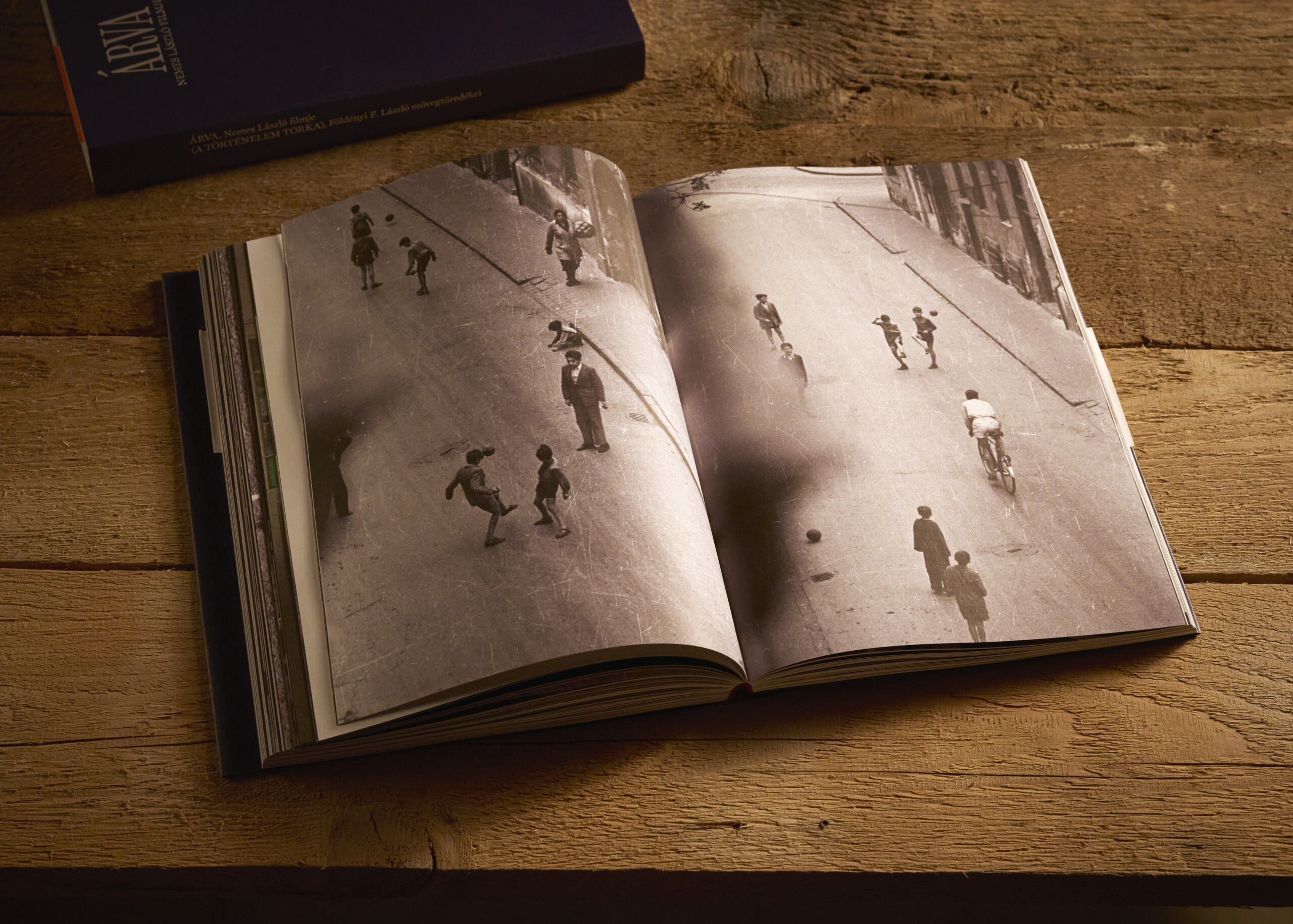
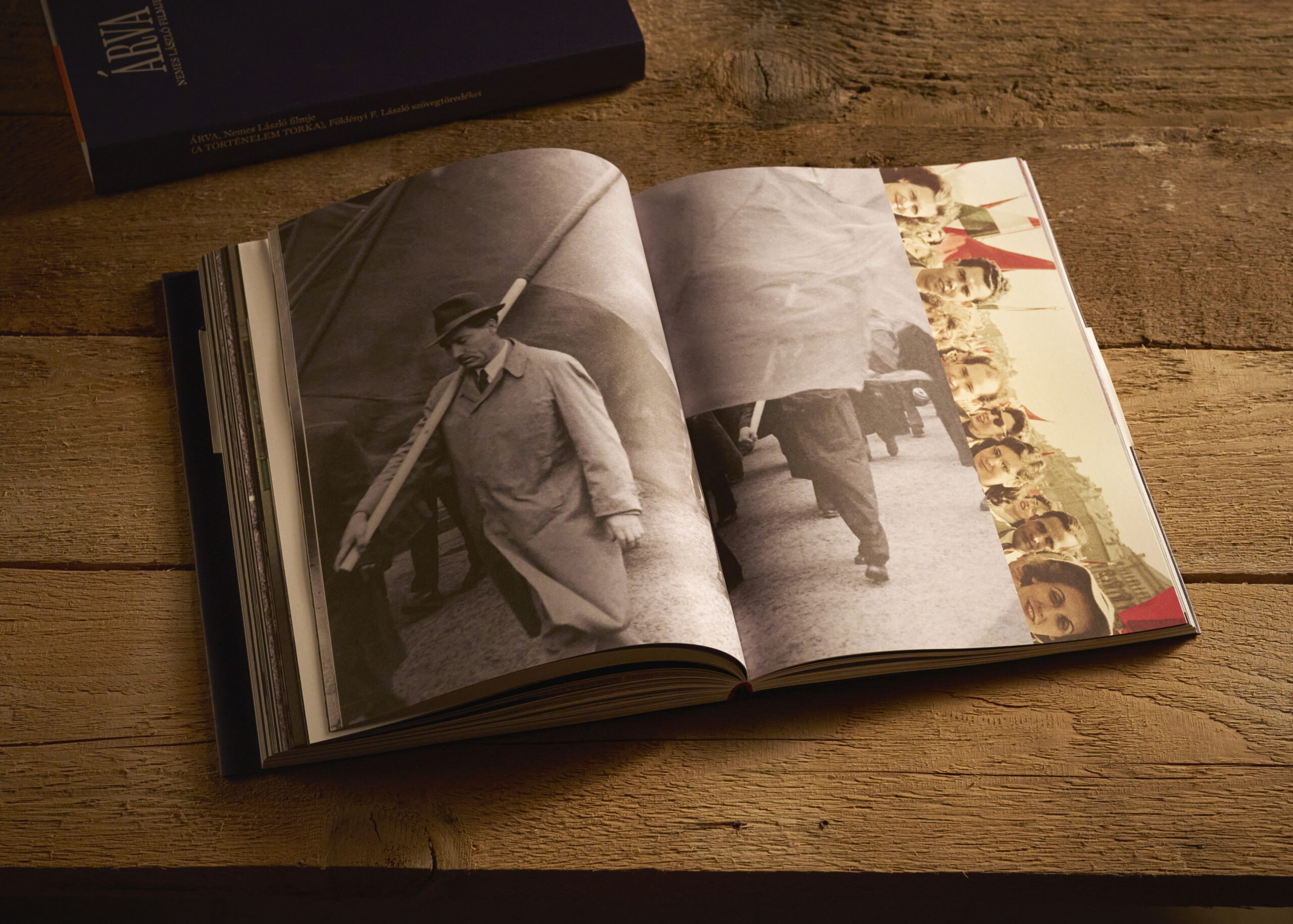
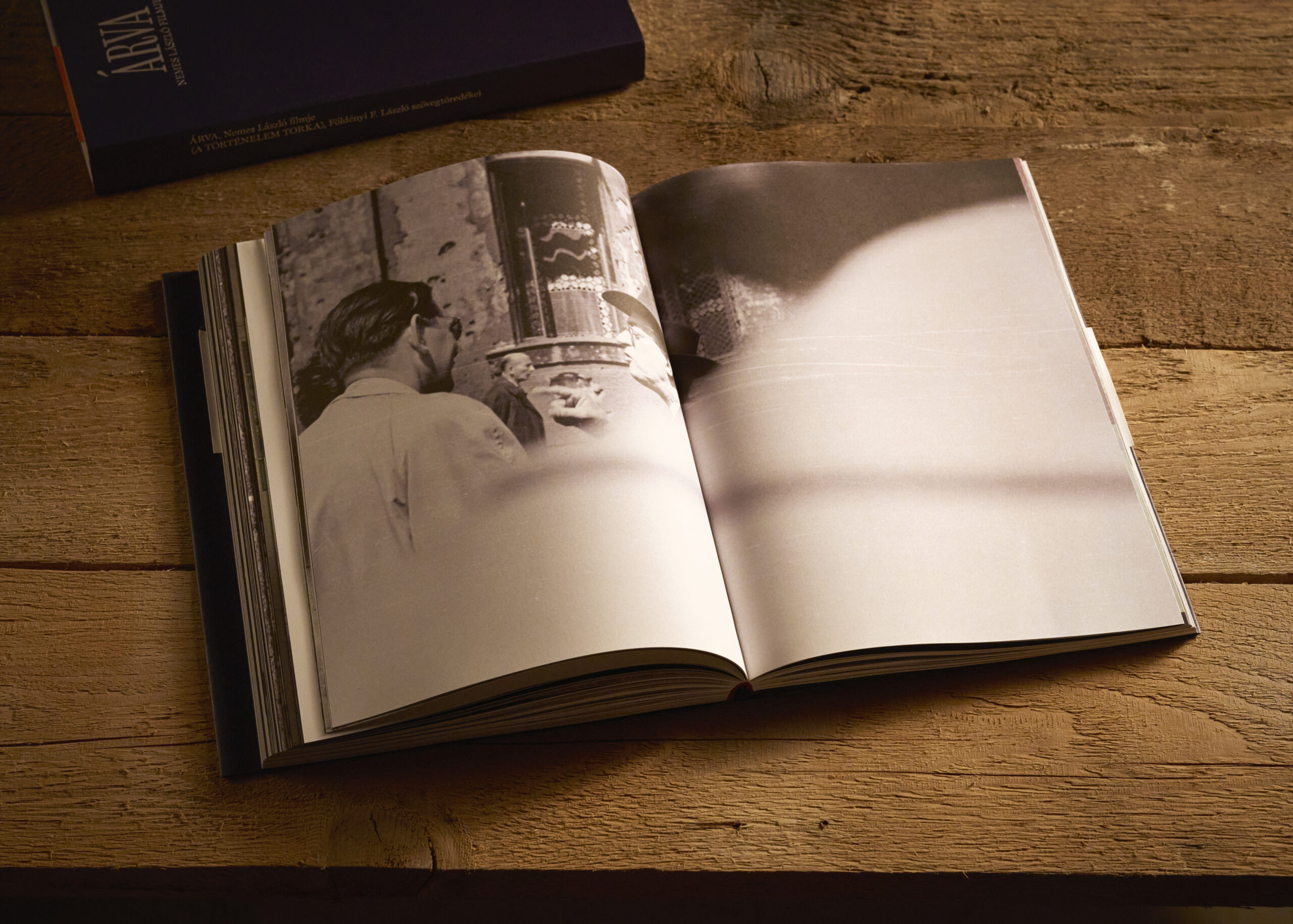
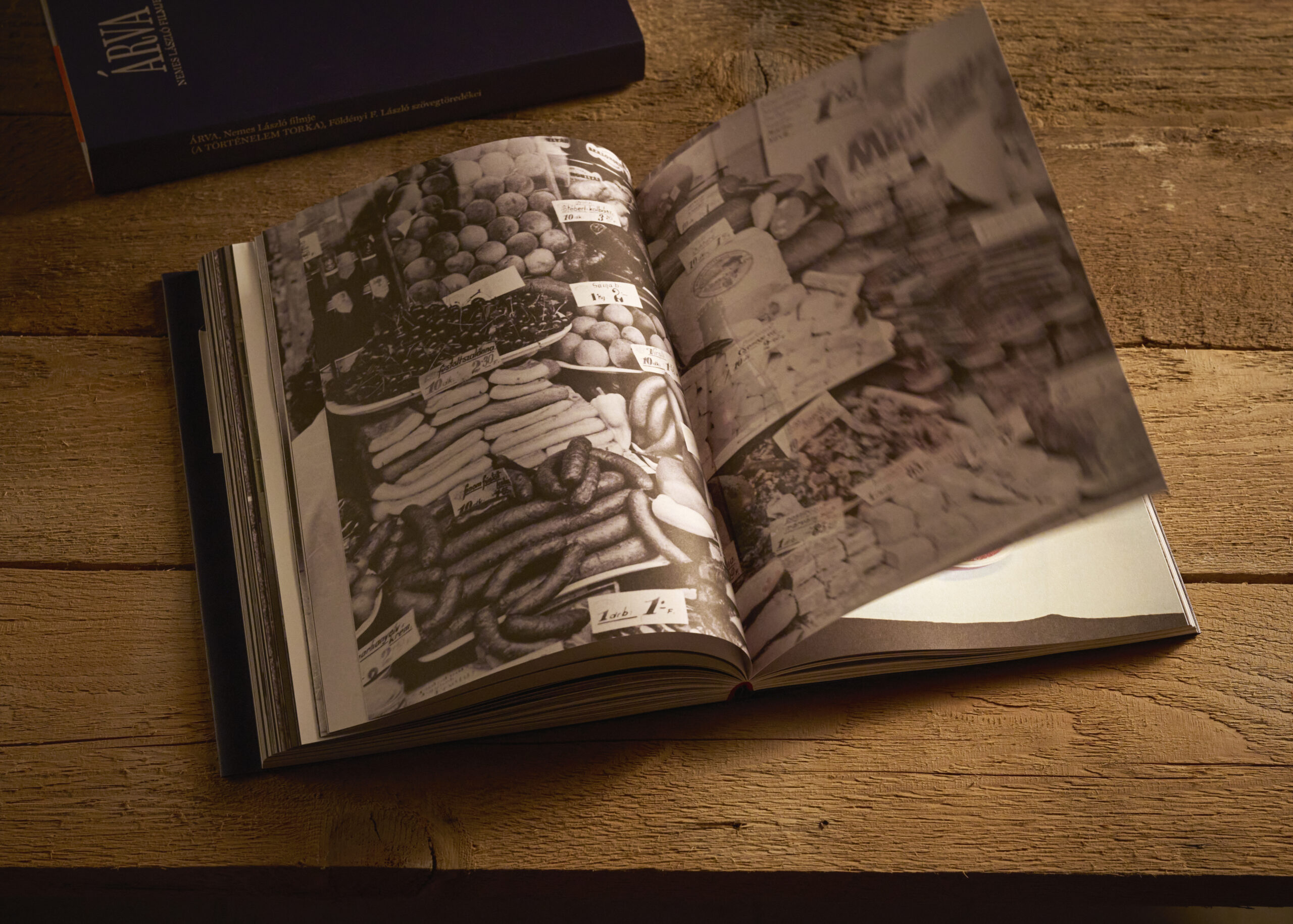
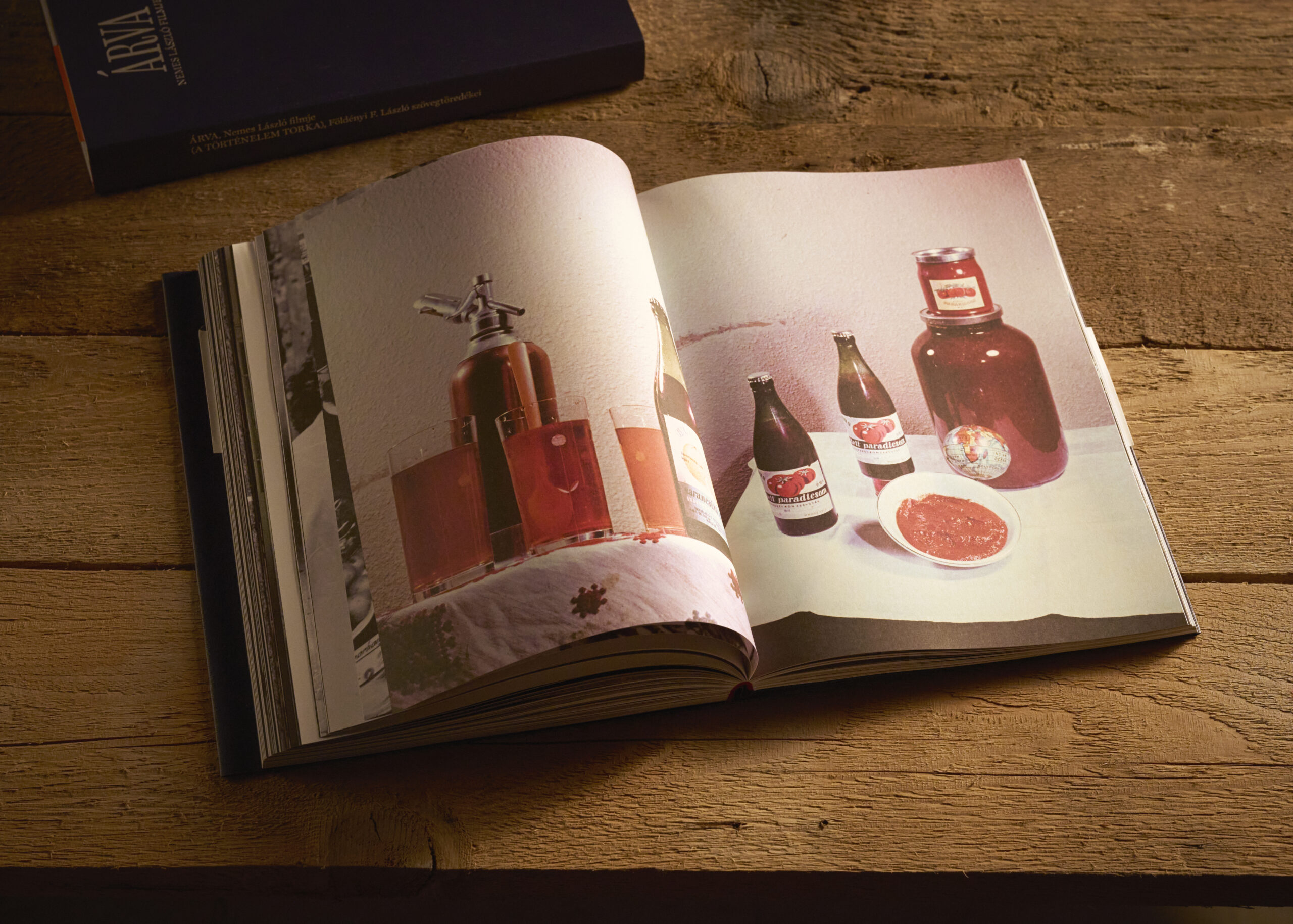
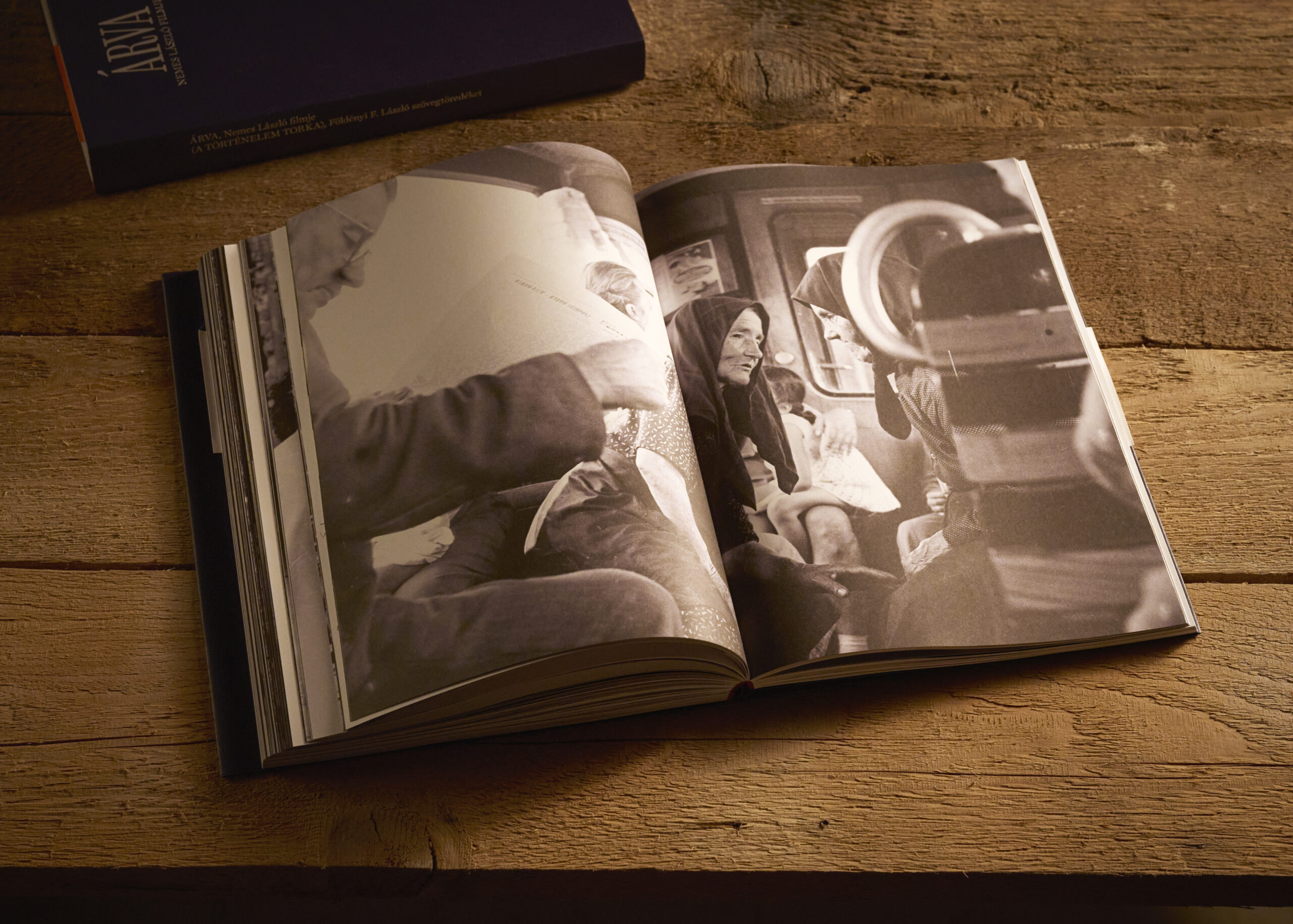
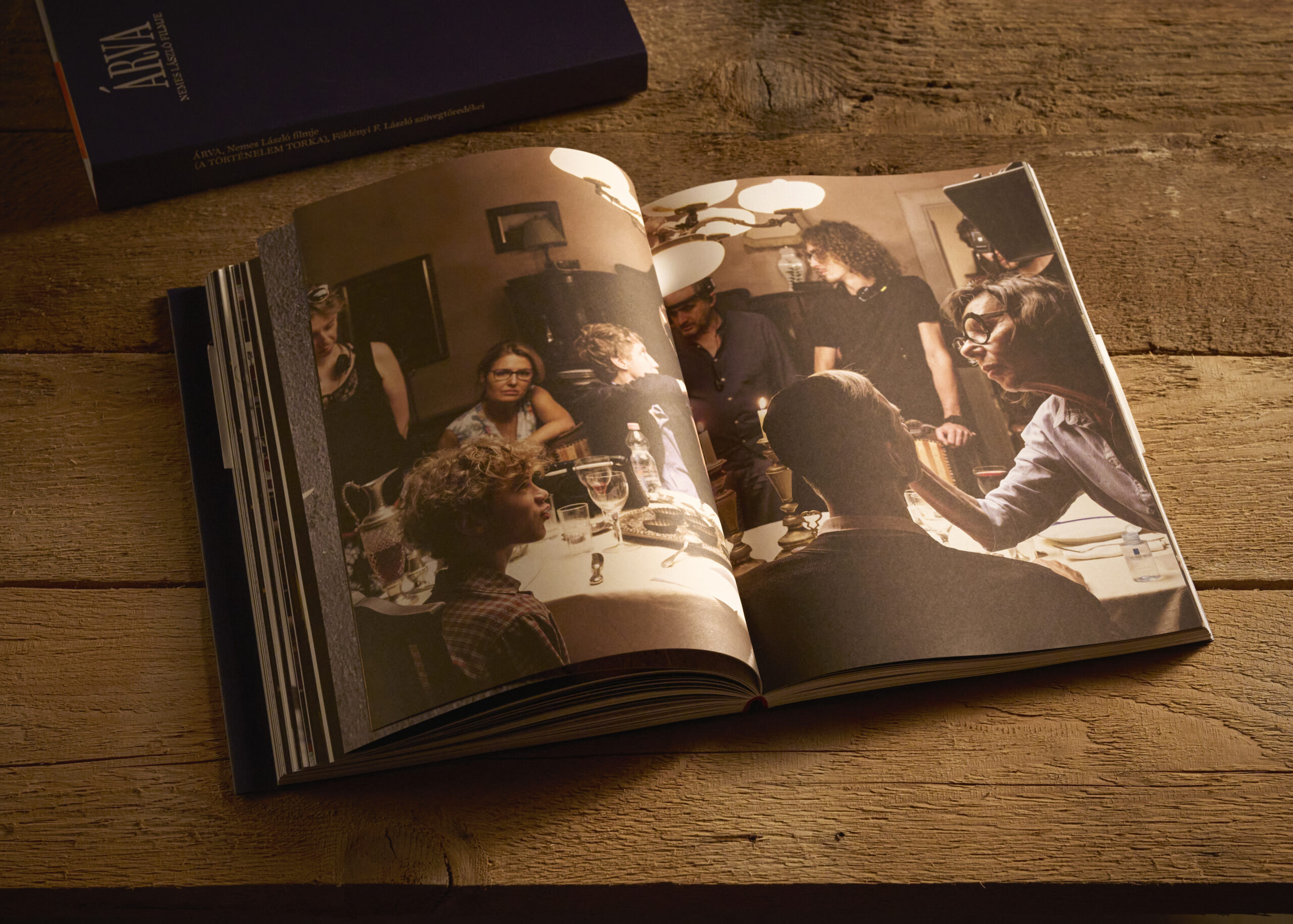
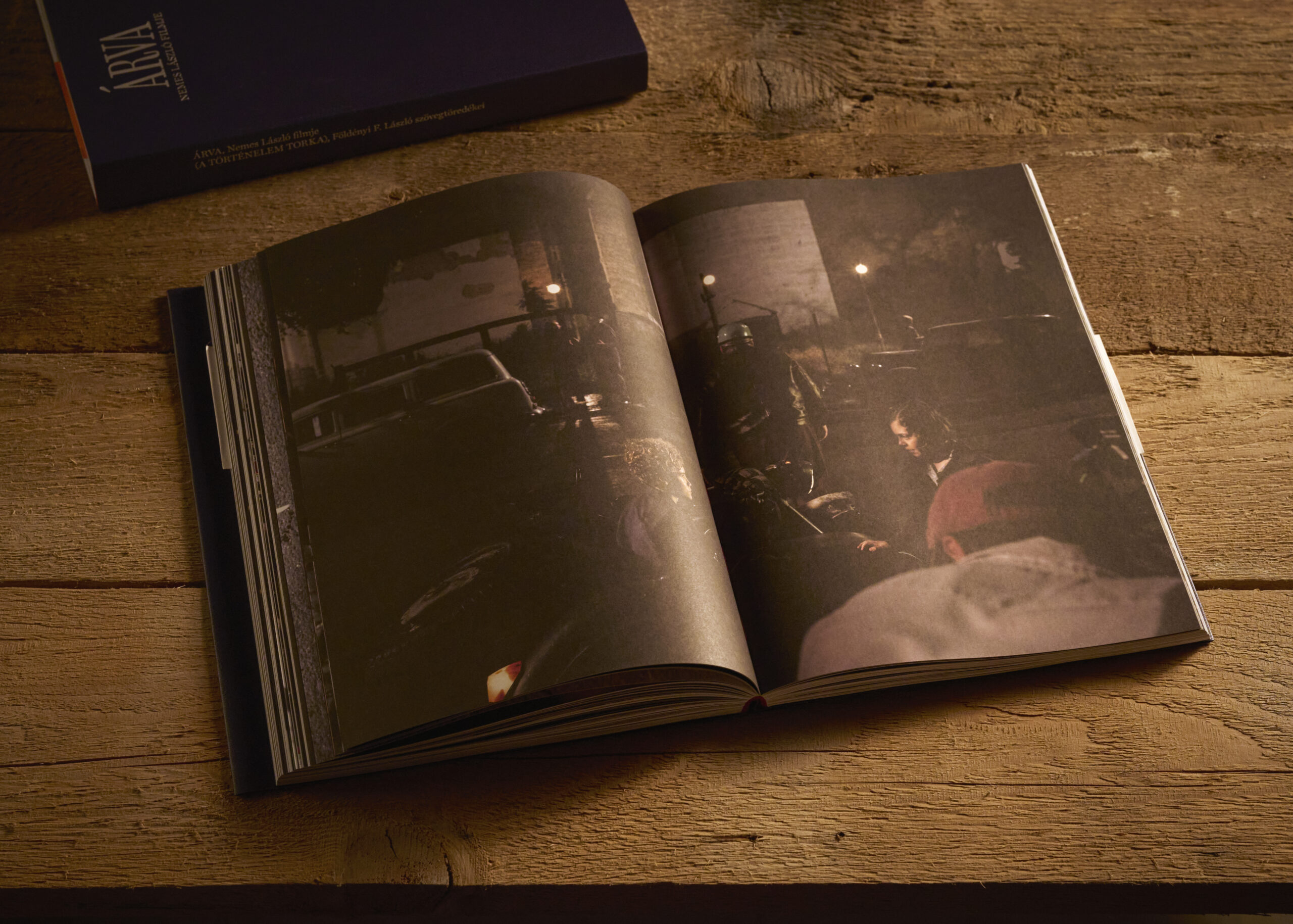
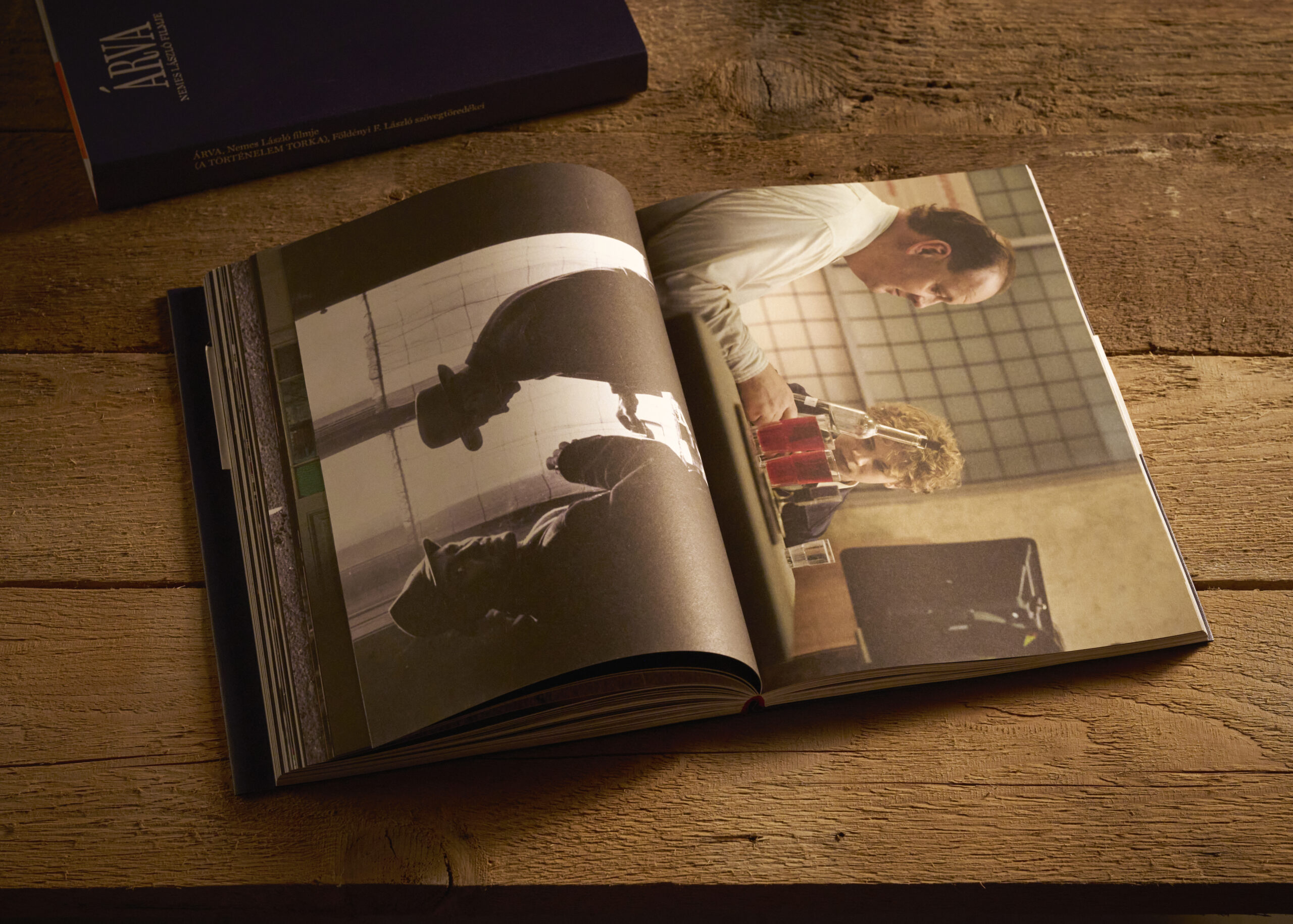
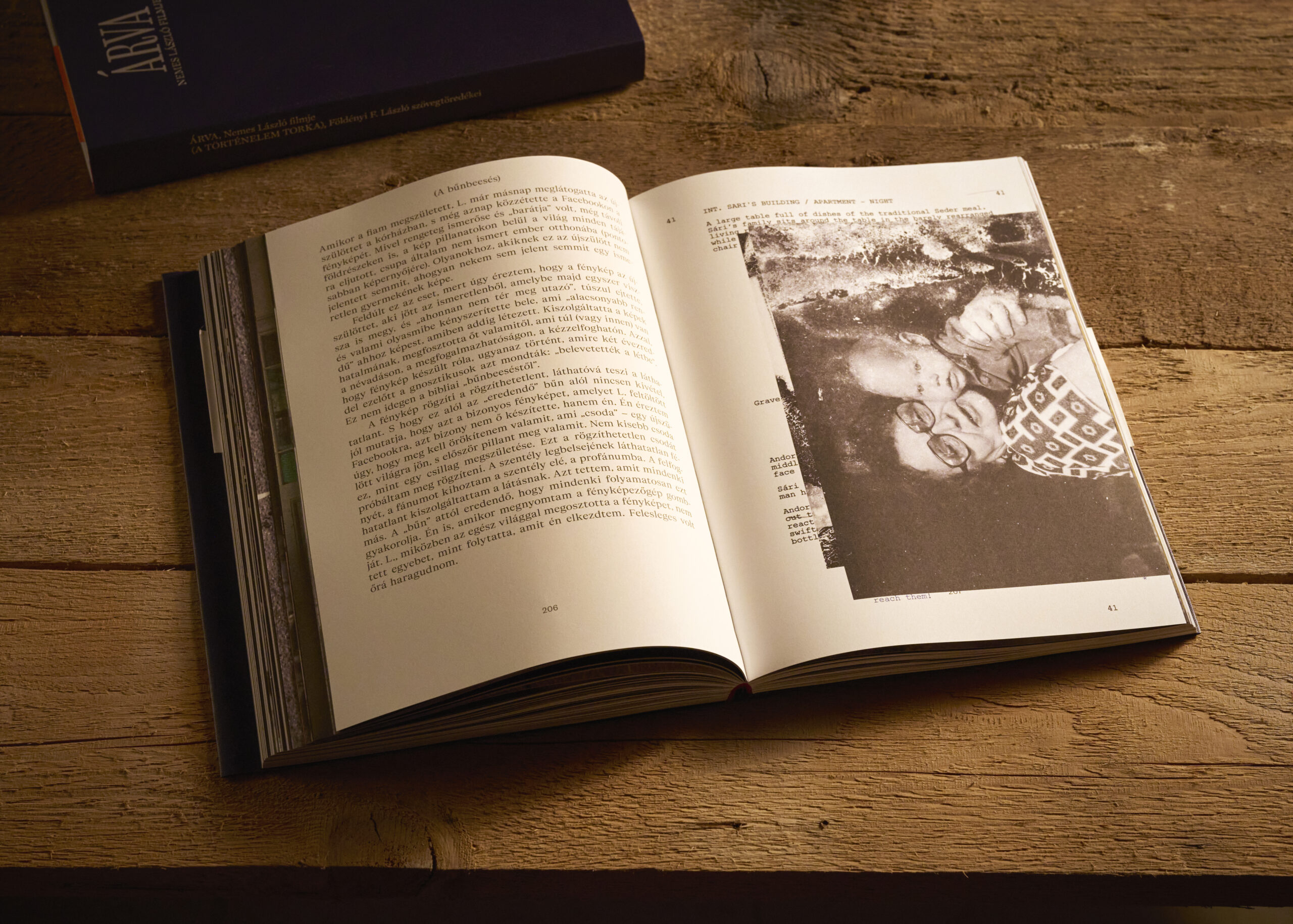
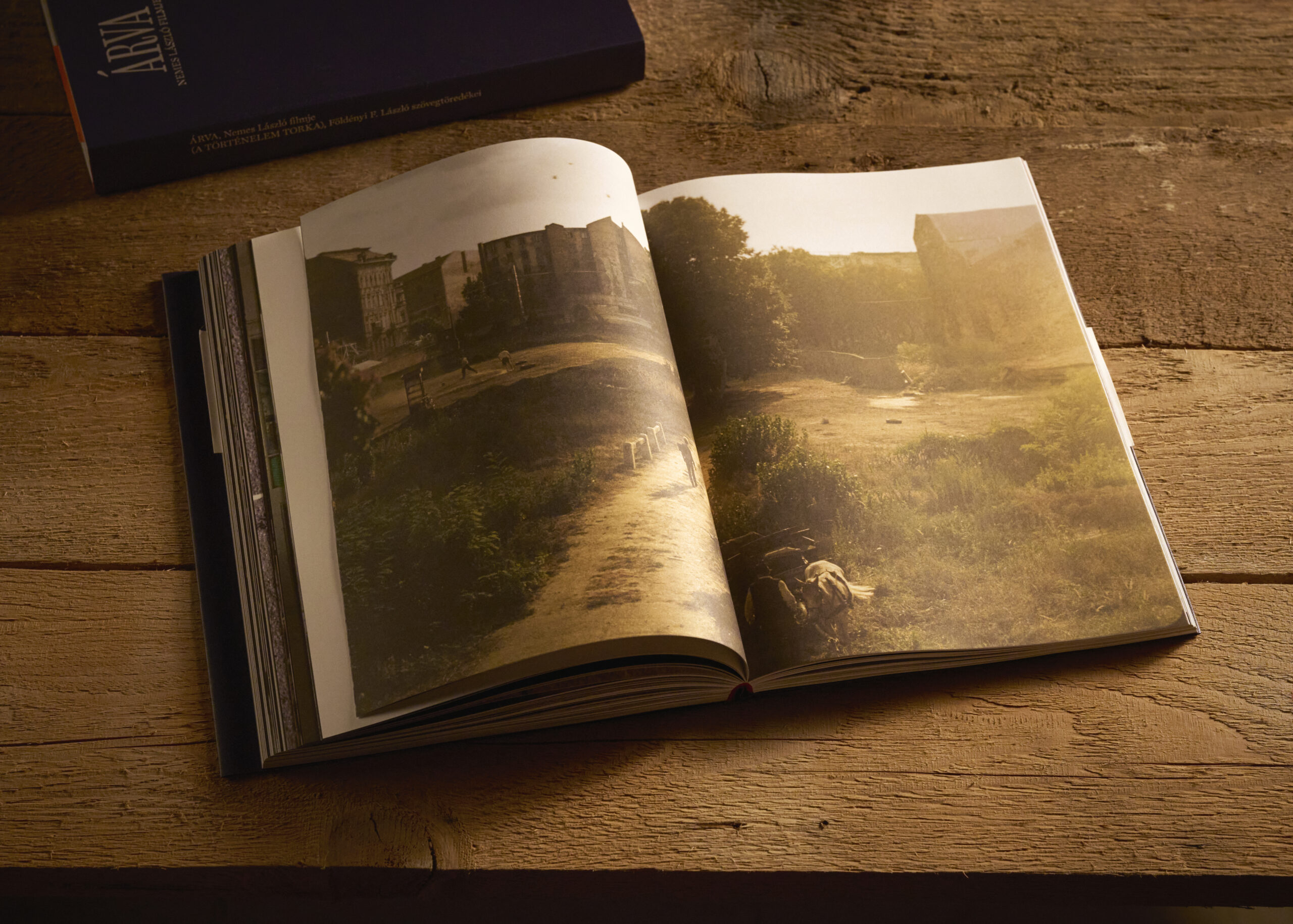
Produced in a large-format 210 × 297 mm format, the publication is printed on 130 gsm Munken Polar from Arctic Paper, a paper choice that perfectly supports the book’s photographic nature. The bright, natural white shade and uncoated surface offer excellent image reproduction while preserving the tactile qualities associated with premium book papers. Its generous bulk and soft touch create a viewing experience that feels distinctly different from glossy coated stocks, allowing readers to engage with the images more intimately and materially.
Printing was carried out by EPC in Budaörs using offset lithography with FM, or stochastic, screening. Unlike traditional AM screening, which relies on regularly spaced dots, FM screening distributes microscopic dots randomly across the image area. This technique is particularly effective for reproducing subtle tonal gradations, delicate details, and the rich photographic material that defines the publication.
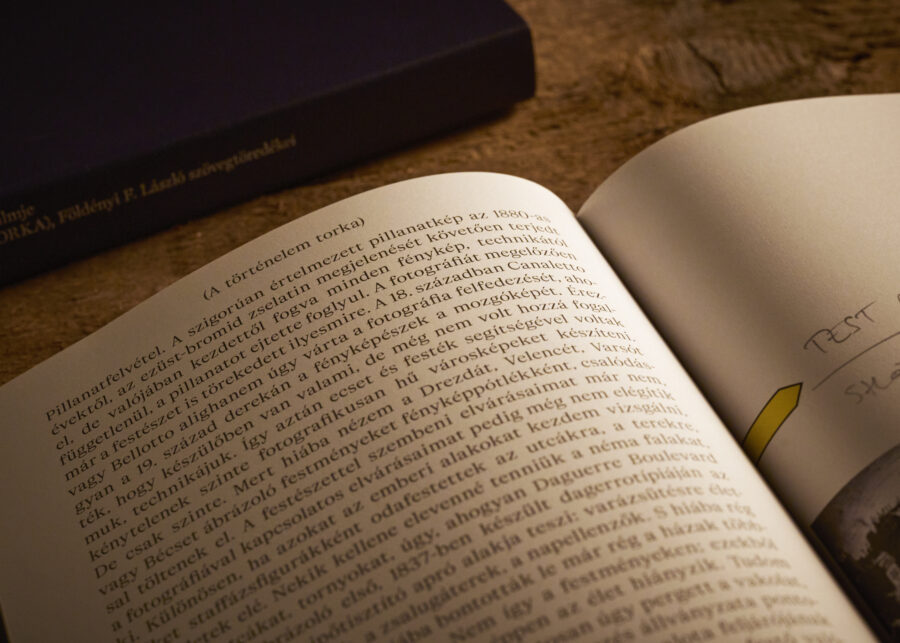
Typography plays an equally important role in shaping the reading experience. The book combines BB Modern Pro and Lardent Pro Classic from Colophon Foundry with LL Bradford Book from Lineto Type Foundry and Miller Text by Matthew Carter. Together, these typefaces create a visual language that feels both contemporary and historically grounded, echoing the publication’s dialogue between archival material and present-day interpretation.
Beyond its production specifications, Árva – Film Book ultimately becomes a reflection on photography itself.
The volume brings together archival photographs, production documentation, film stills, visual research material, and iconic images from the history of photography. Text fragments by aesthetician and writer László F. Földényi weave through the visual sequences, creating another layer of interpretation without imposing a fixed reading order.
Rather than explaining the film, the book expands it. It transforms cinematic research into a printed experience and invites readers to construct their own associations between images. In doing so, Árva – Film Book demonstrates how print can still offer something uniquely valuable in a digital age: physical engagement, unexpected discovery, and the freedom to create meaning through touch, movement, and chance.
For designers, photographers, publishers, and paper professionals alike, it stands as a reminder that the most memorable books are often those that refuse to behave like books at all. You can purchase your own copy here.