
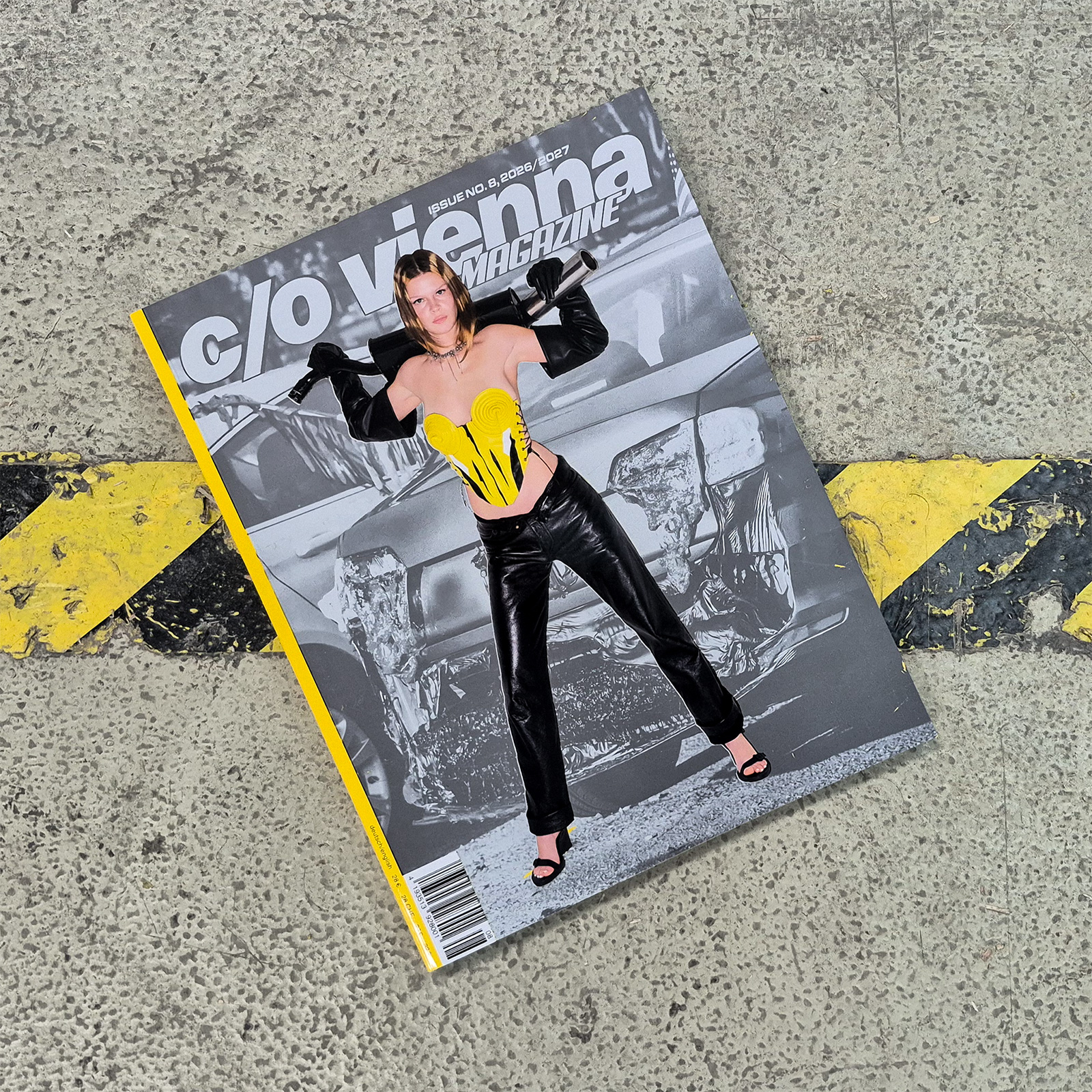
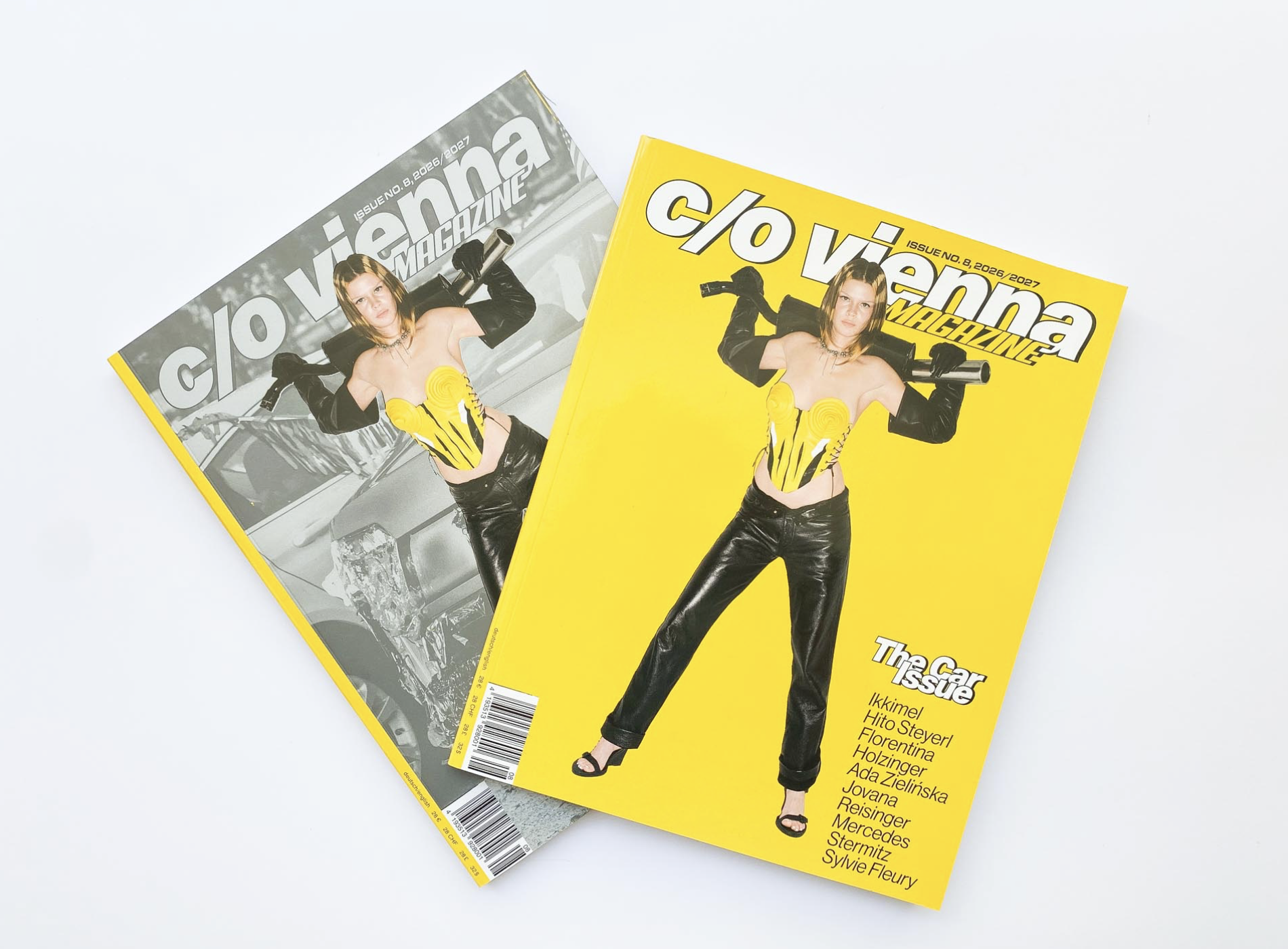
With The Car Issue (No. 8), C/O Vienna Magazine turns its sharp editorial lens toward one of modern culture’s most loaded objects: the automobile. Rather than celebrating cars as sleek design icons or technological marvels alone, the issue dissects them as status symbol, fetish, freedom machine, and ecological disaster — often all at once.
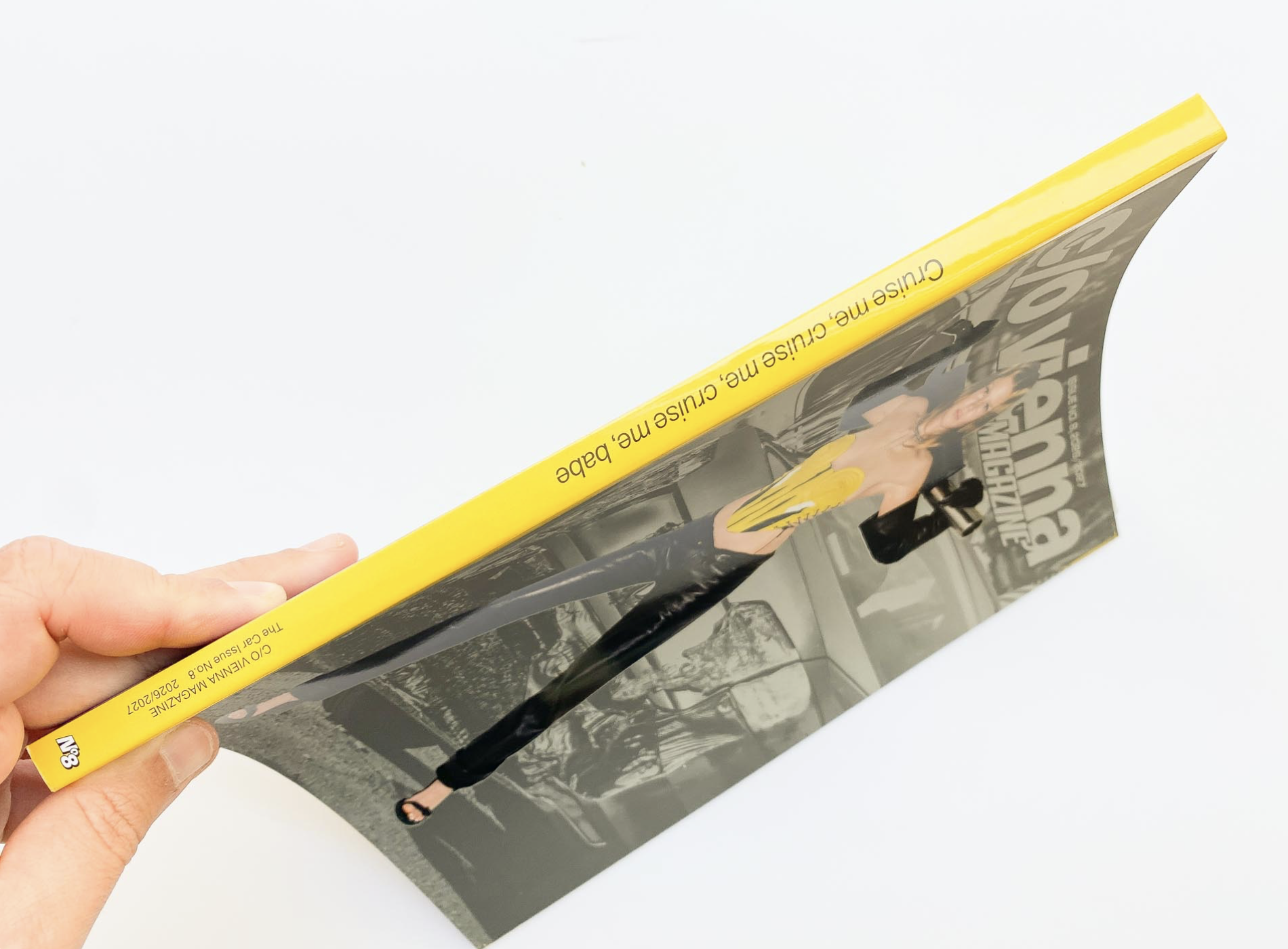
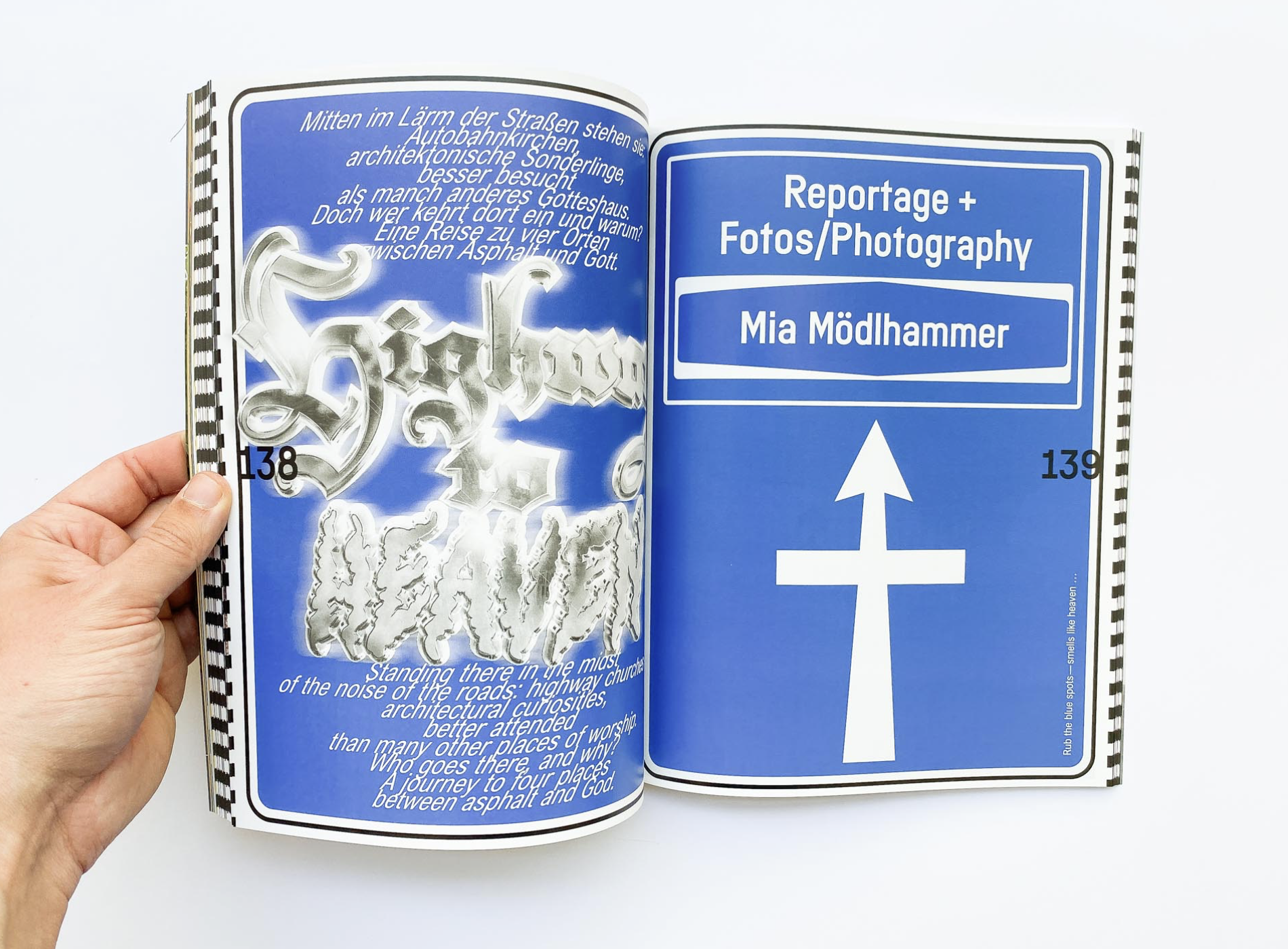
Spanning 226 pages and printed bilingually in German and English, the magazine approaches the car as a cultural paradox: seductive and deadly, empowering and destructive. Even the physical object reinforces this idea. A scratch-off cover and the scent of asphalt transform the publication into a sensory experience, blurring the line between editorial content and conceptual design.
A scratch-off cover and the scent of asphalt transform the publication into a sensory experience, blurring the line between editorial content and conceptual design.
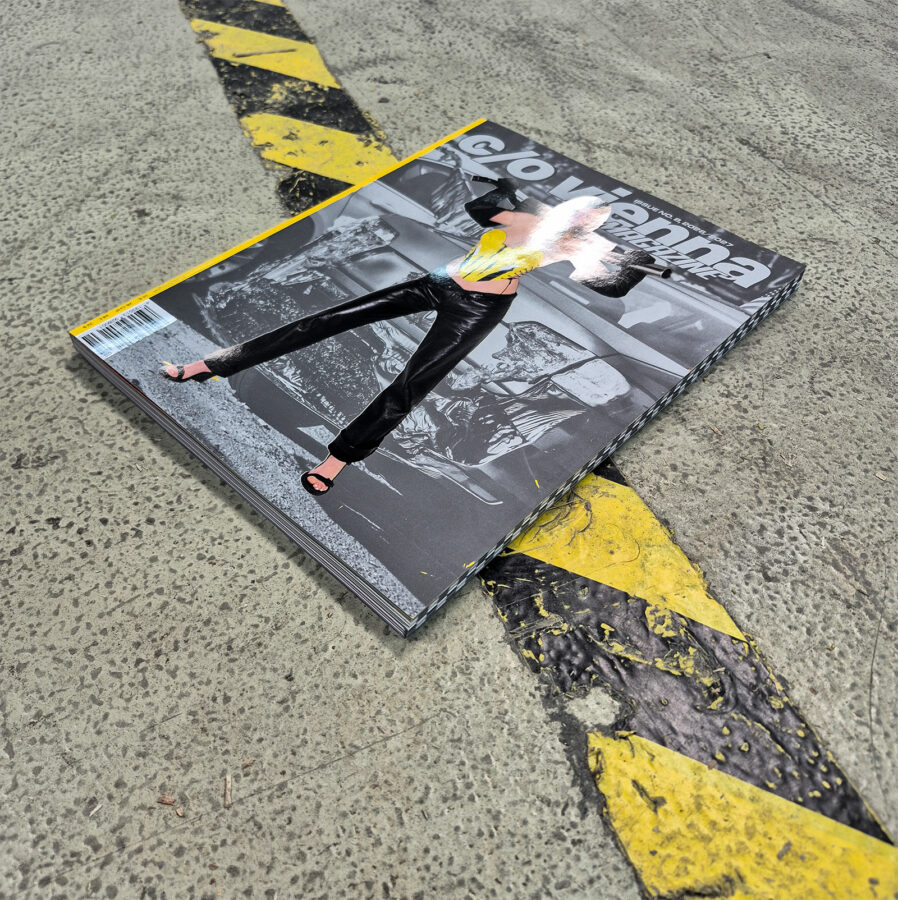
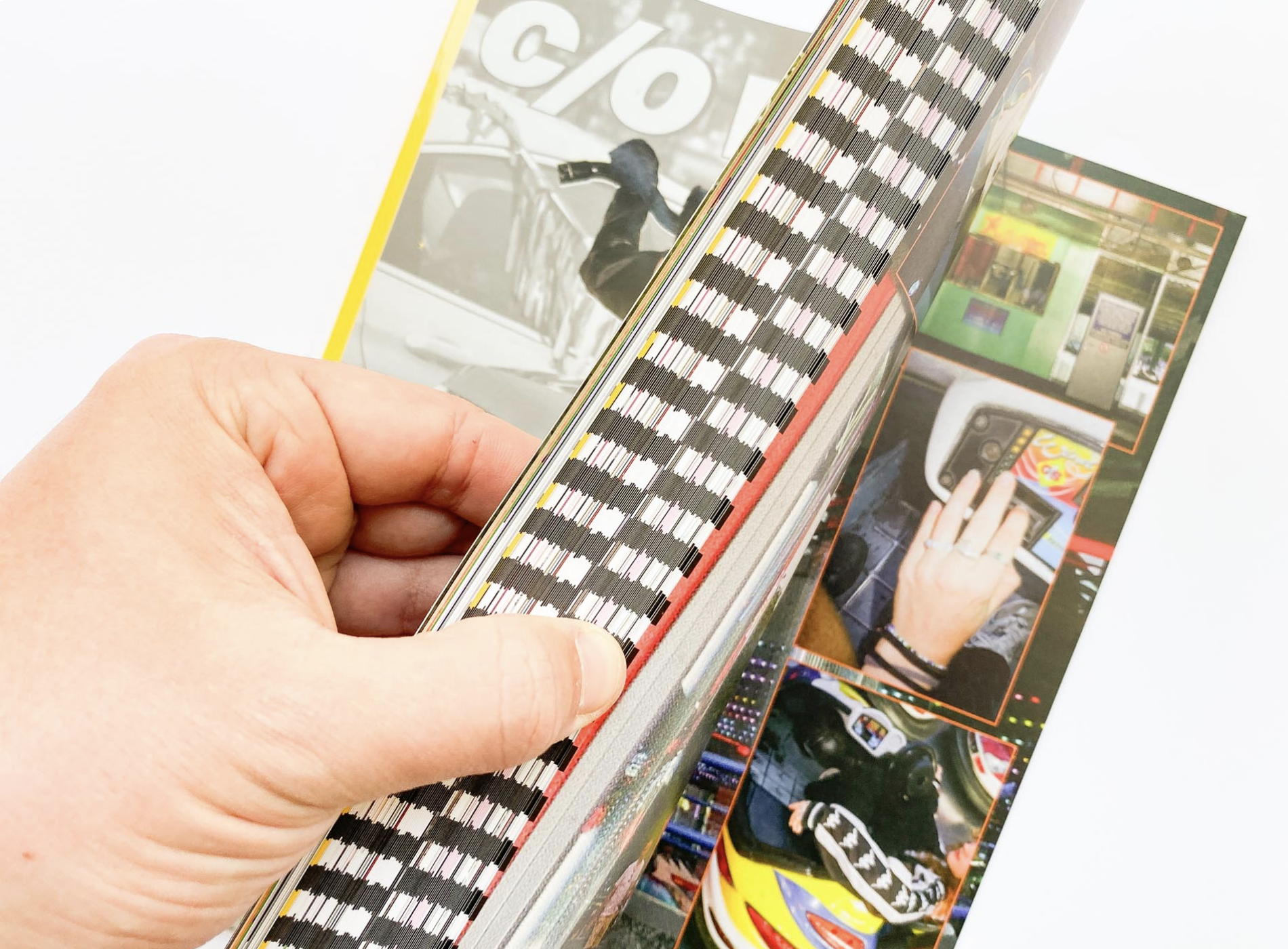
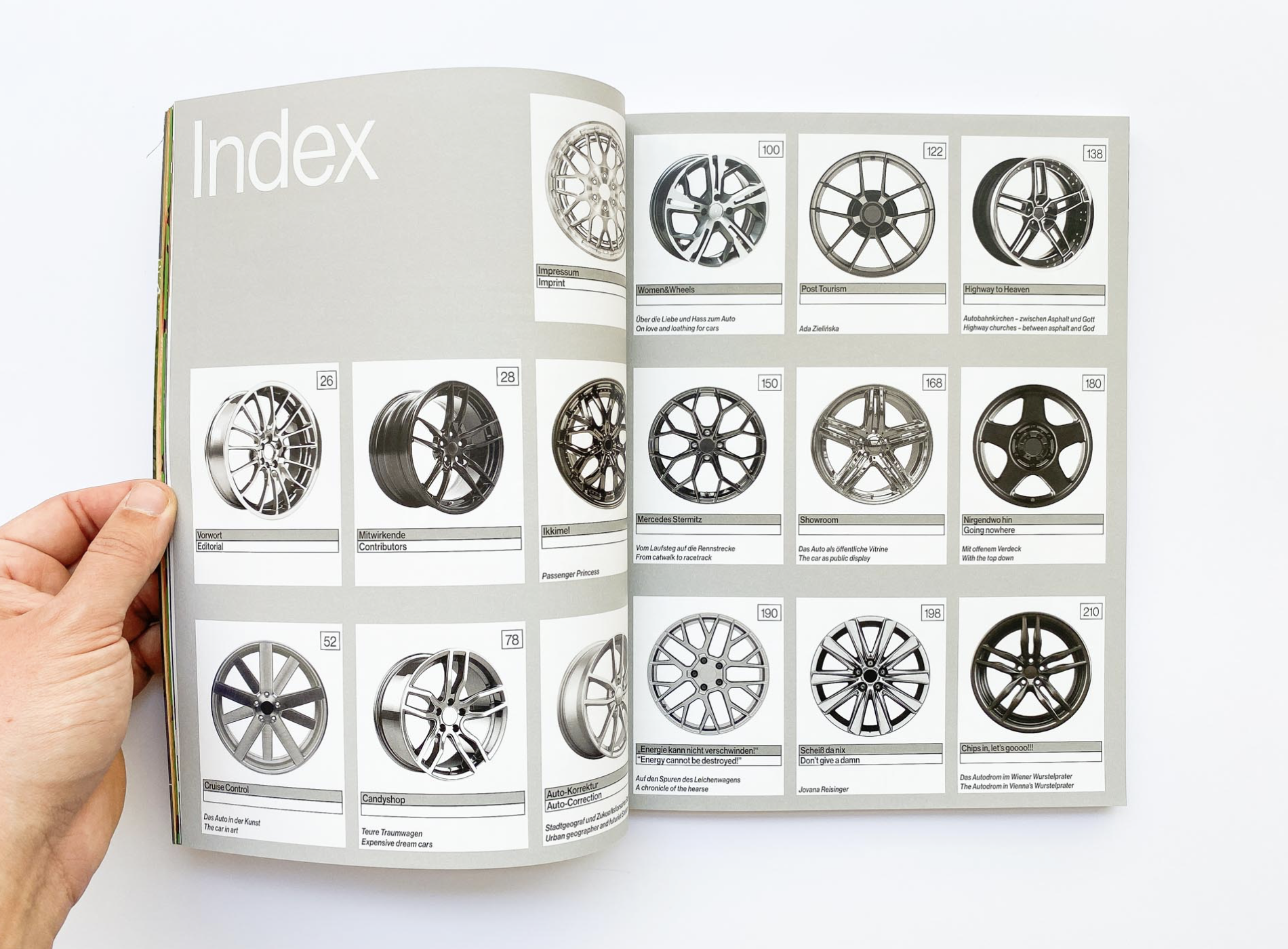
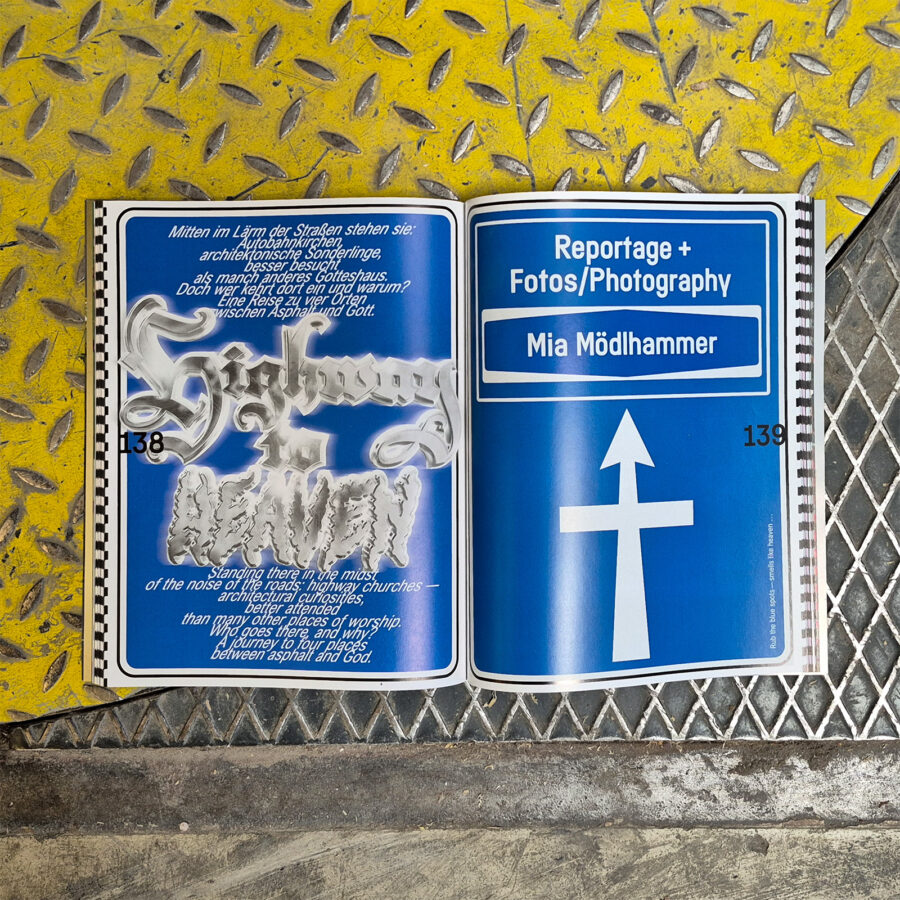
To support this vision, the material choices were just as carefully considered. The brief called for coated, slightly glossy papers with a premium tactile feel. GardaGloss Art 250 g/m² was selected for the cover, while the inside combines GardaMatt ICE 100 g/m² and GardaGloss Art 90 g/m². Completing the automotive experience, the interior pages feature a spot scent varnish with an asphalt fragrance, while the thumb index is die-cut in the shape of a racing flag.
Beyond Mobility: The Car as Cultural Mirror
Rather than centering on automotive innovation or industry trends, The Car Issue explores how cars shape — and are shaped by — desire, gender politics, consumption, and power. Contributions range from photography and essays to interviews and visual experiments, reflecting C/O Vienna’s hybrid editorial approach. The car emerges not simply as a mode of transport, but as a stage for identity, rebellion, nostalgia, and violence.
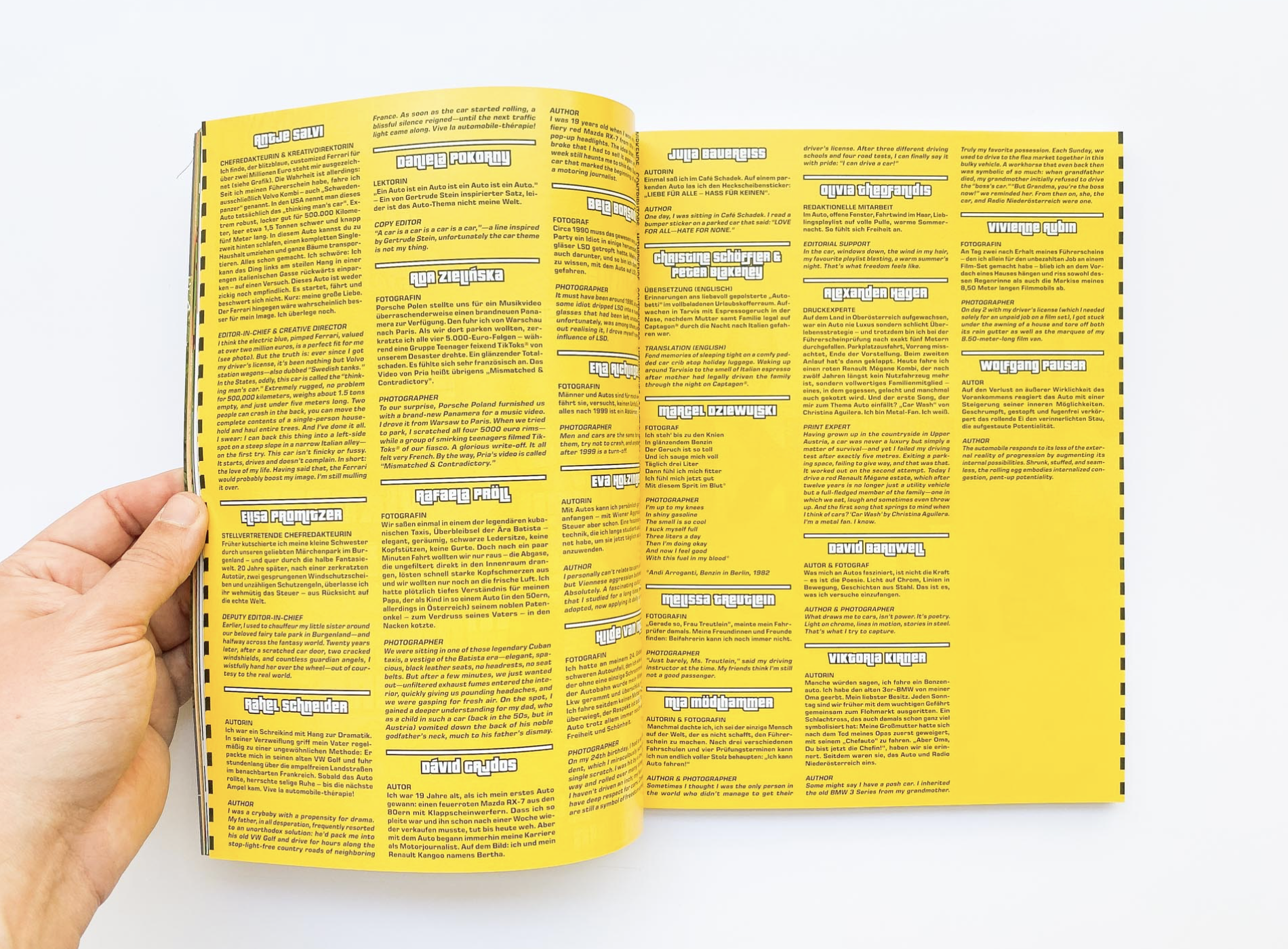
The lineup of contributors underscores this expanded perspective. Artists, thinkers, and cultural provocateurs such as Erwin Wurm, Sylvie Fleury, Florentina Holzinger, Jovana Reisinger, and the collective Women & Wheels approach the subject from feminist, artistic, and socio-political angles, pushing the conversation well beyond traditional car culture.
Editorial Design as Statement
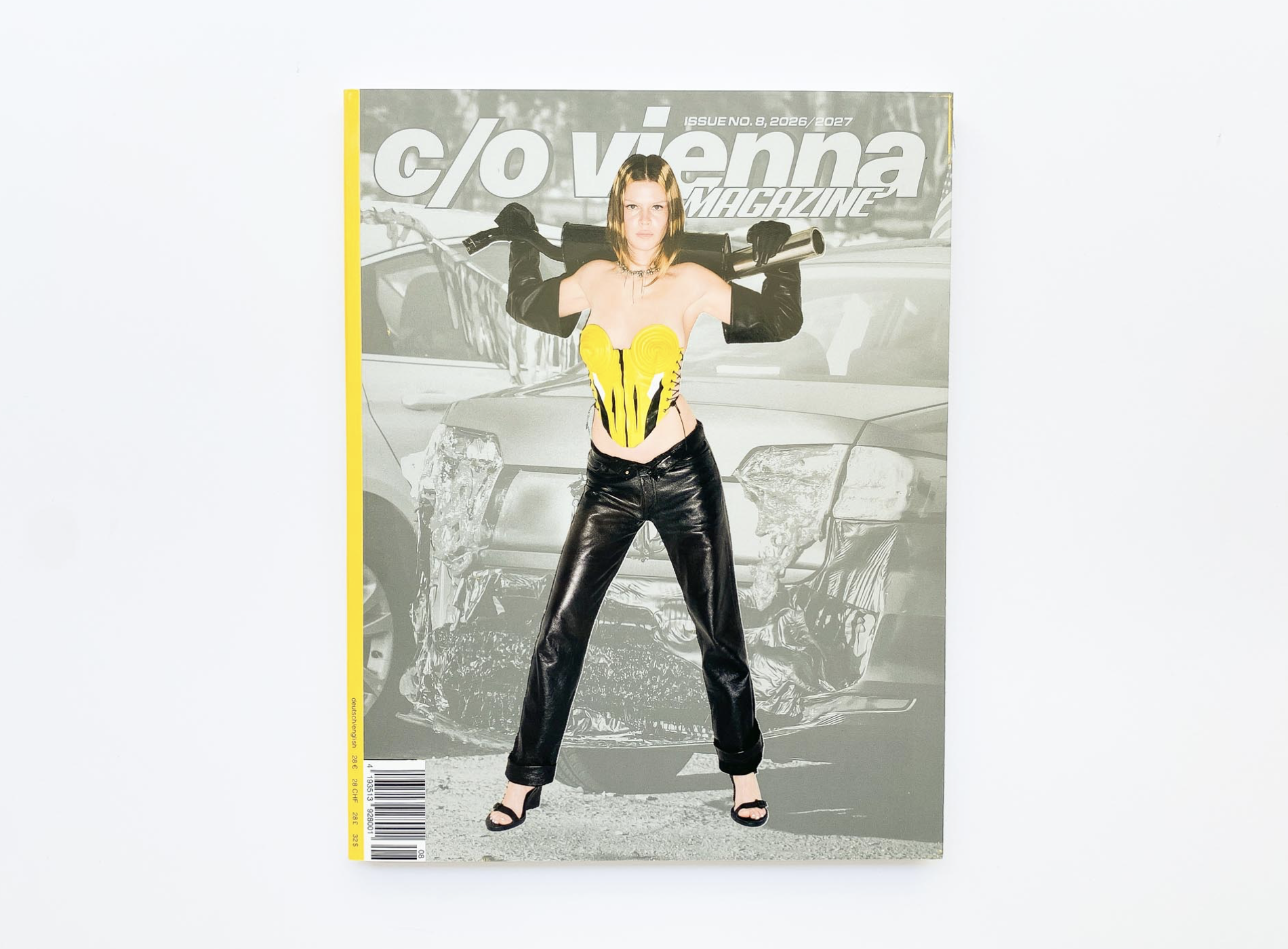
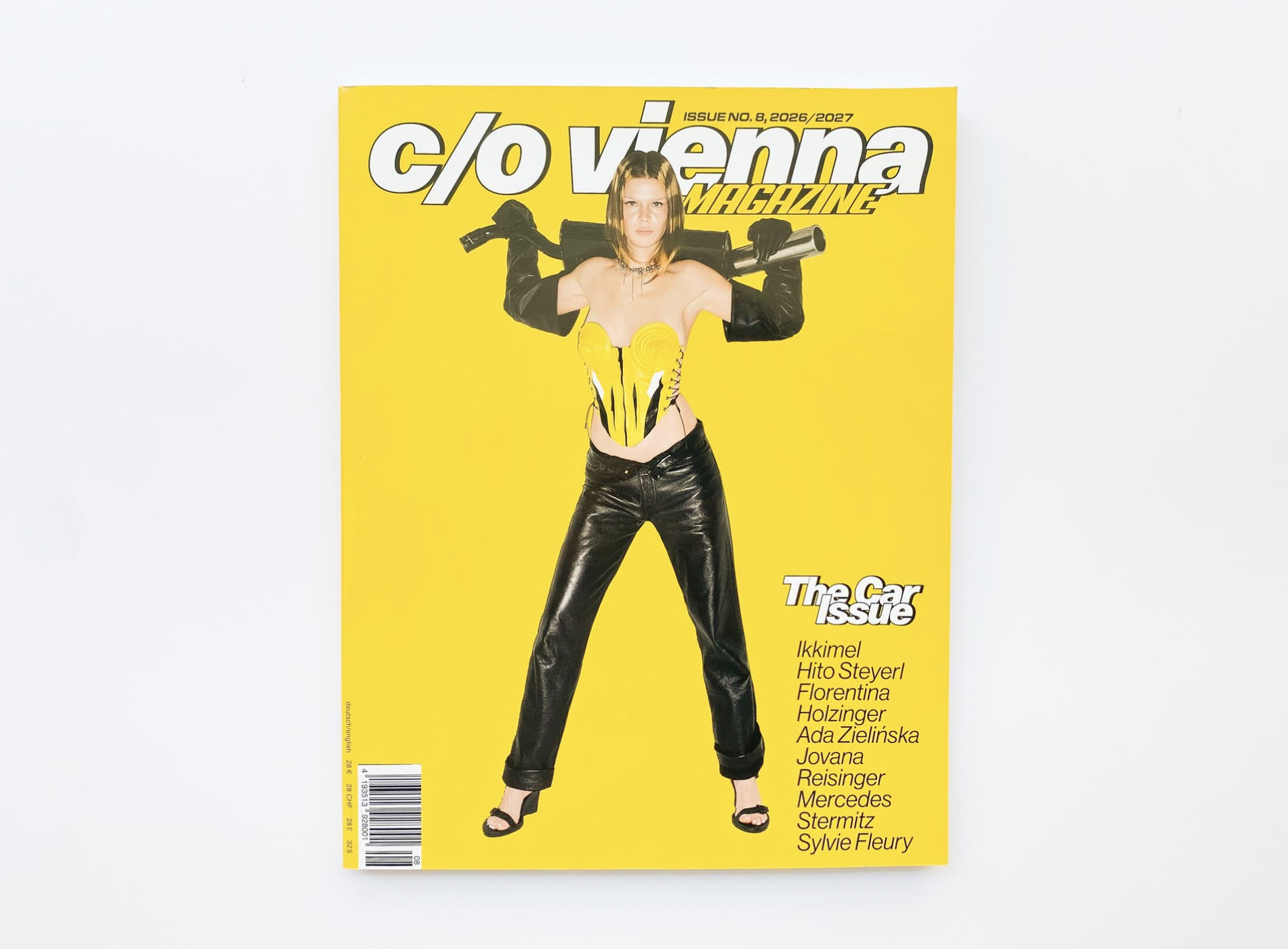
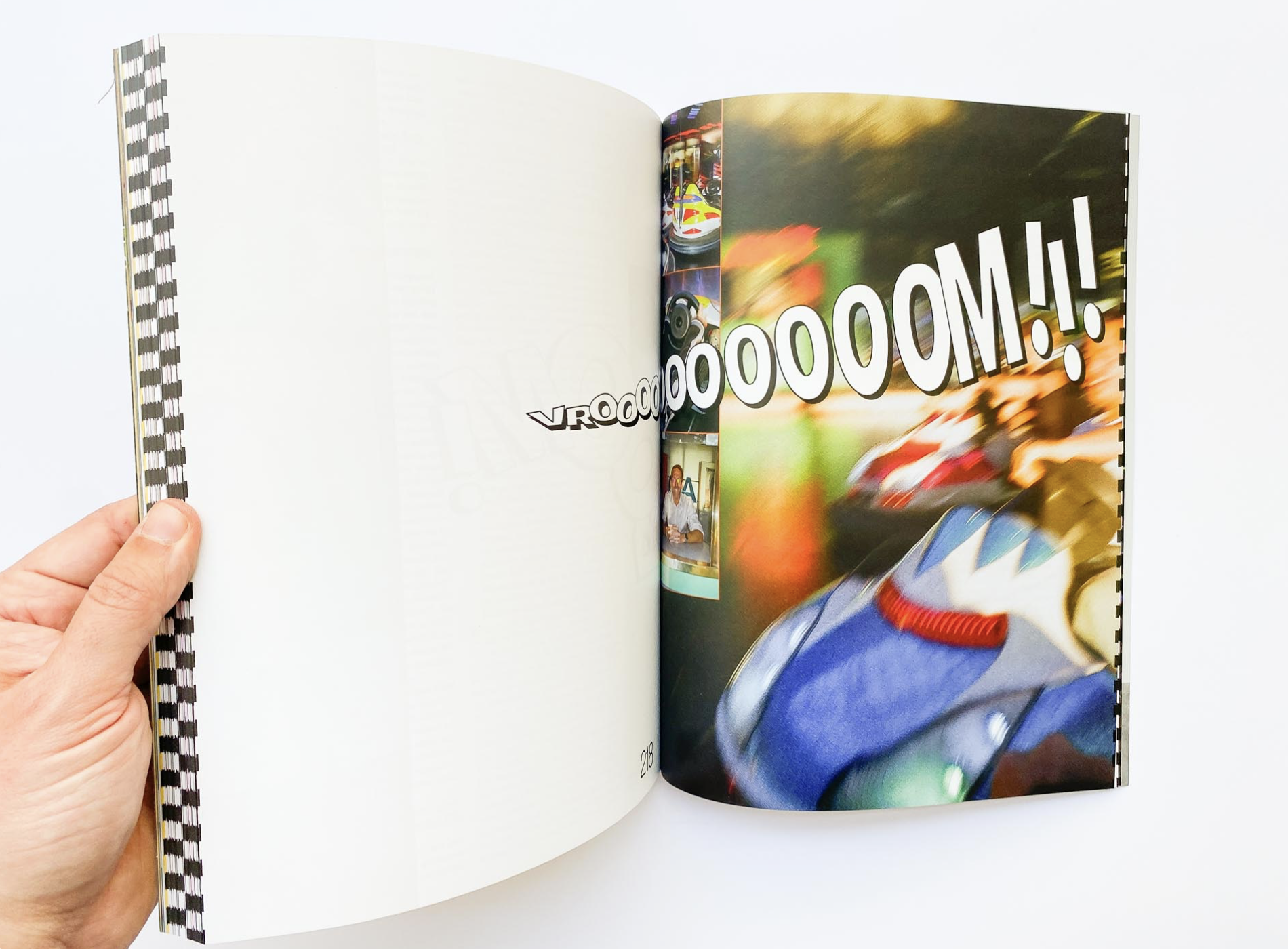
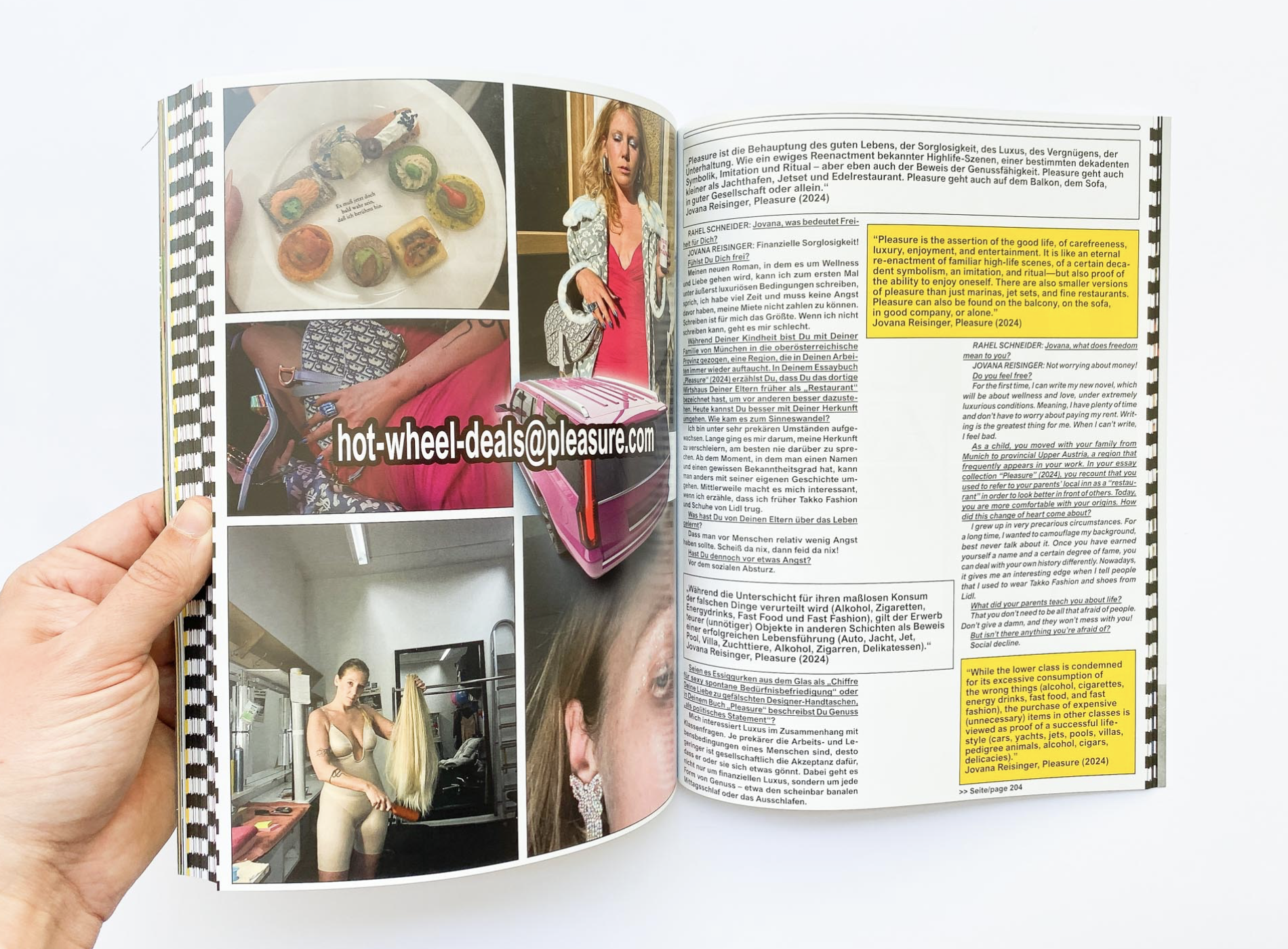
Art direction for the issue was handled by Seite Zwei, whose bold layouts, tactile experiments, and confident use of typography reinforce the magazine’s confrontational tone. Rather than embracing glossy automotive aesthetics, the design favours raw, sometimes abrasive visual storytelling that echoes the contradictions at the heart of car culture.
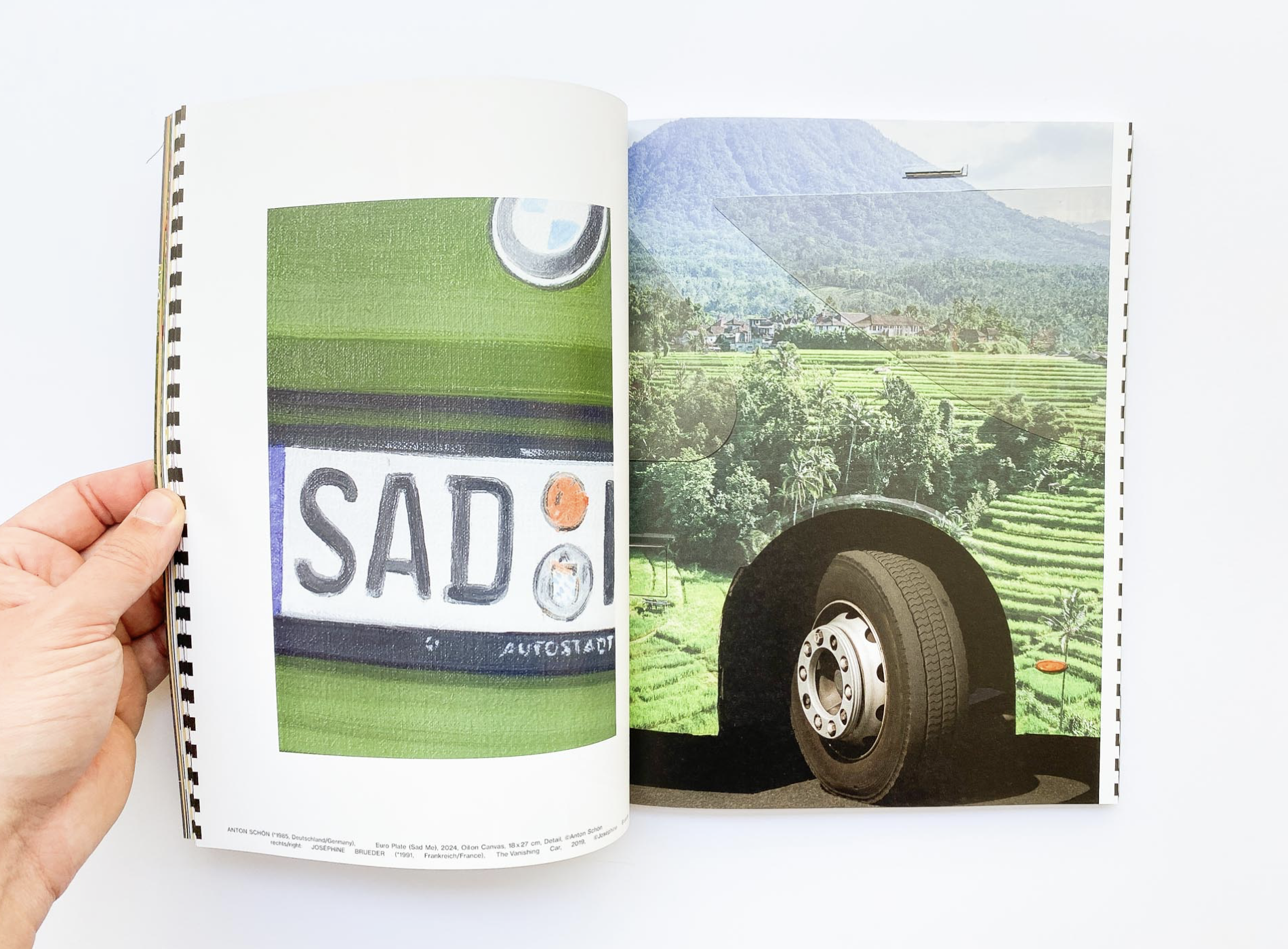
Photography shifts between stylized fantasy and documentary realism, capturing the emotional extremes cars evoke — from desire and speed to pollution, accidents, and decay. This visual tension is central to the issue’s impact and reflects C/O Vienna’s signature blend of art publishing and critical journalism.
At a moment when mobility is being radically reconsidered — ecologically, politically, and socially — The Car Issue feels especially timely. It neither glorifies nor outright condemns the automobile. Instead, it exposes the uncomfortable intimacy between humans and the machines we continue to rely on, despite their well-known consequences.
Why The Car Issue Matters
At a moment when mobility is being radically reconsidered — ecologically, politically, and socially — The Car Issue feels especially timely. It neither glorifies nor outright condemns the automobile. Instead, it exposes the uncomfortable intimacy between humans and the machines we continue to rely on, despite their well-known consequences.
For readers of Design & Paper, this issue is ultimately less about cars than about the power of editorial design to communicate ideas. Through thoughtful material choices, tactile finishes, and critical storytelling, it demonstrates how print can become an integral part of the narrative rather than simply a vessel for it. You can purchase your own copy at Softcover or C/O Vienna Shop.