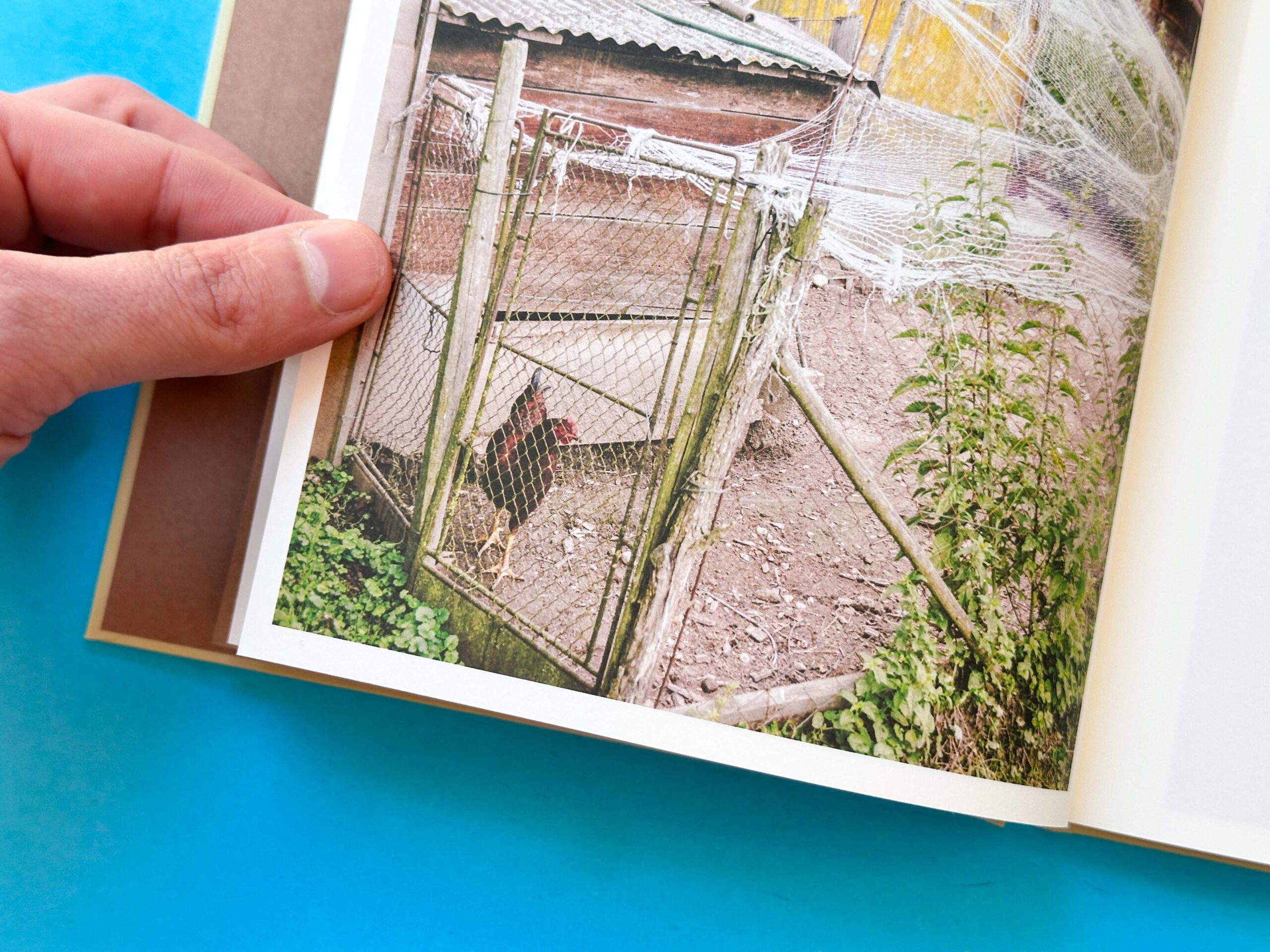
There is a quiet ingenuity to life in the countryside. Far from the polished aesthetics of design magazines and carefully curated interiors, everyday solutions emerge from necessity rather than intention. A piece of wire becomes a repair, a weathered tarpaulin a roof, an old tyre a flower bed. These improvised objects are rarely considered design, yet they tell stories of resilience, creativity, and adaptation.
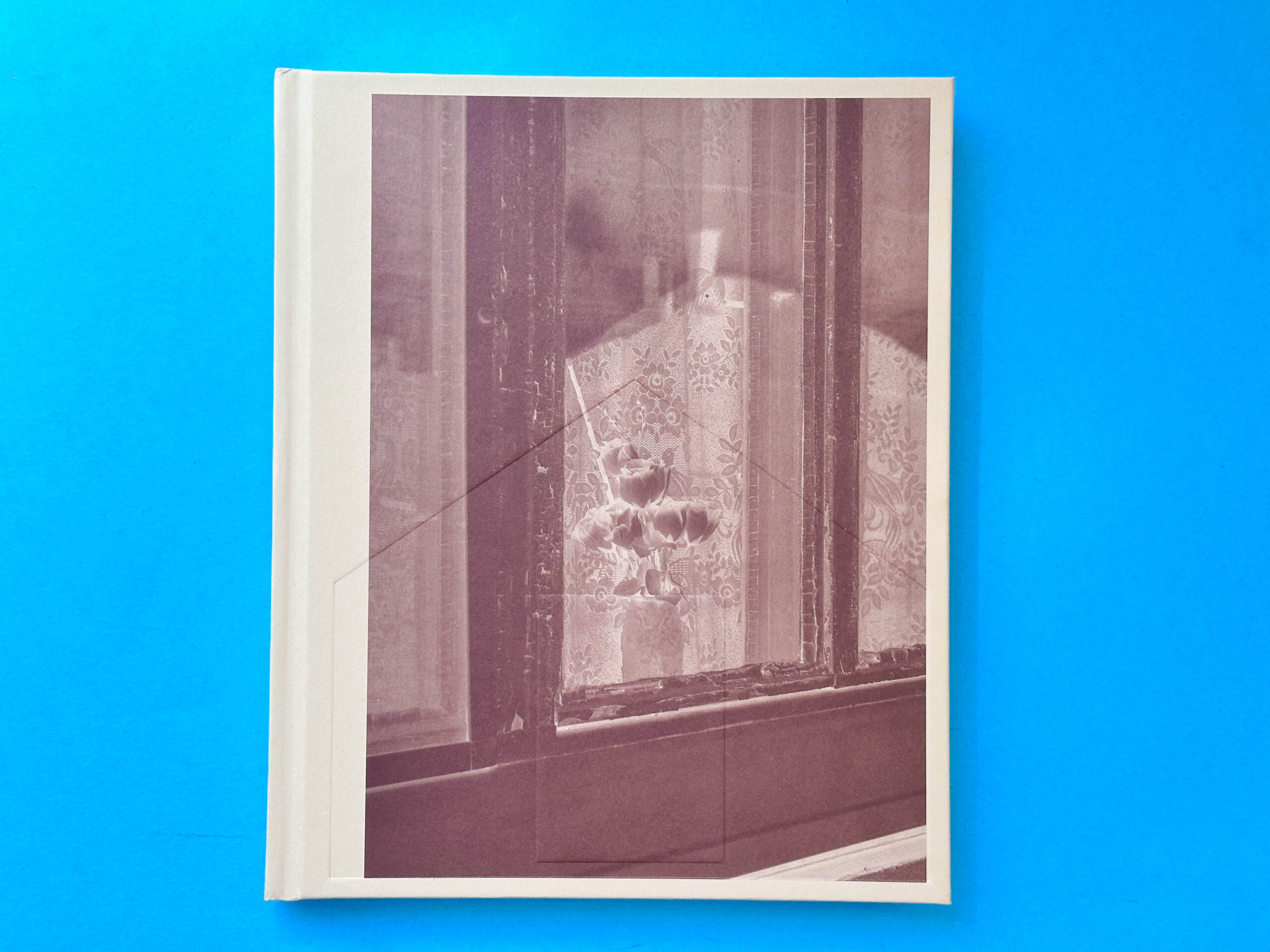
This understated resourcefulness is the subject of FALU, a striking new photobook by Hungarian visual artist and researcher Dániel Halász. The long-term photographic project documents the smallest villages across Hungary, capturing the inventive ways in which people shape their surroundings with the materials at hand.
Rather than portraying rural life through nostalgia or hardship, FALU offers an attentive observation of everyday ingenuity, revealing an alternative visual language born from necessity.
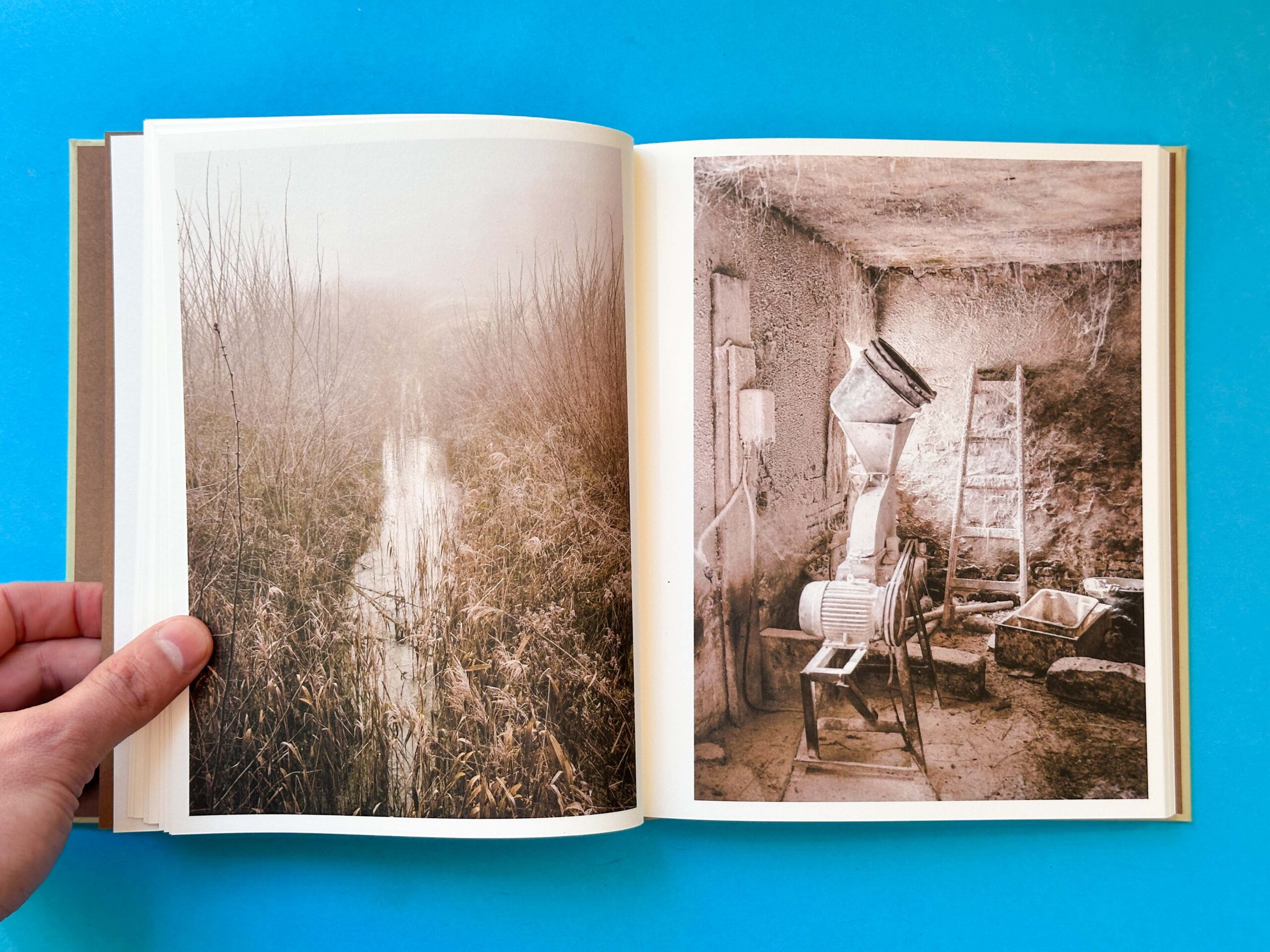
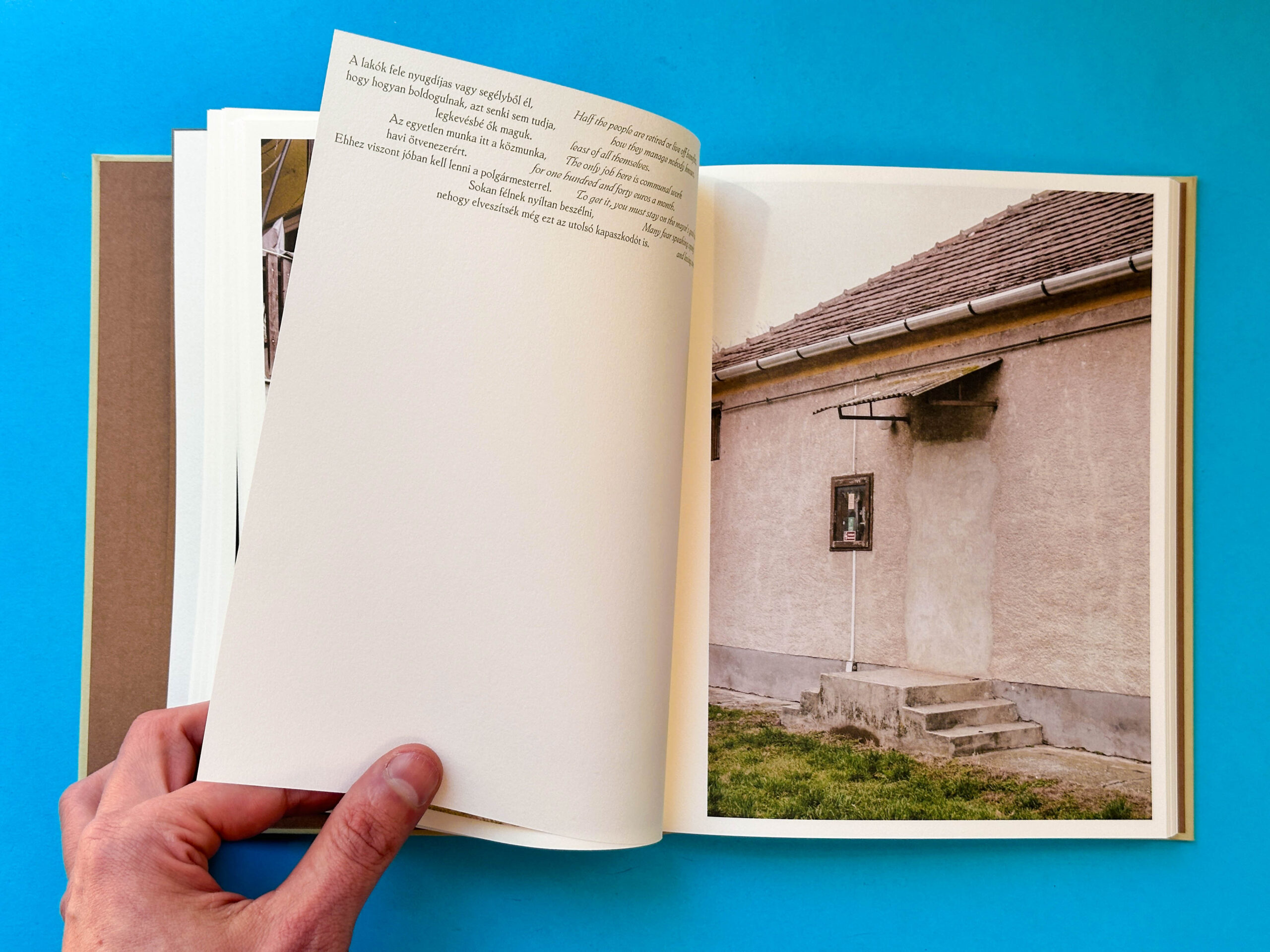
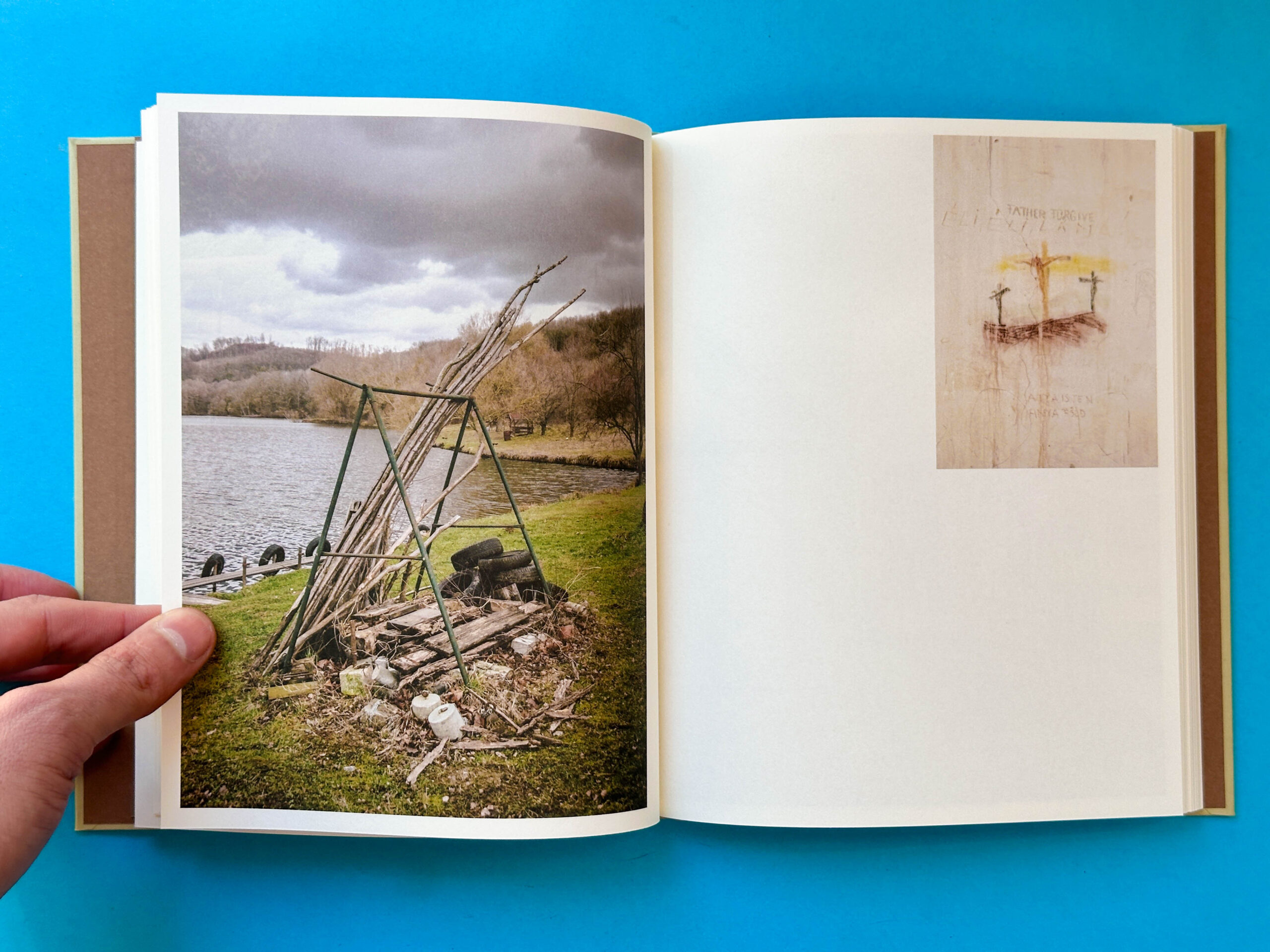
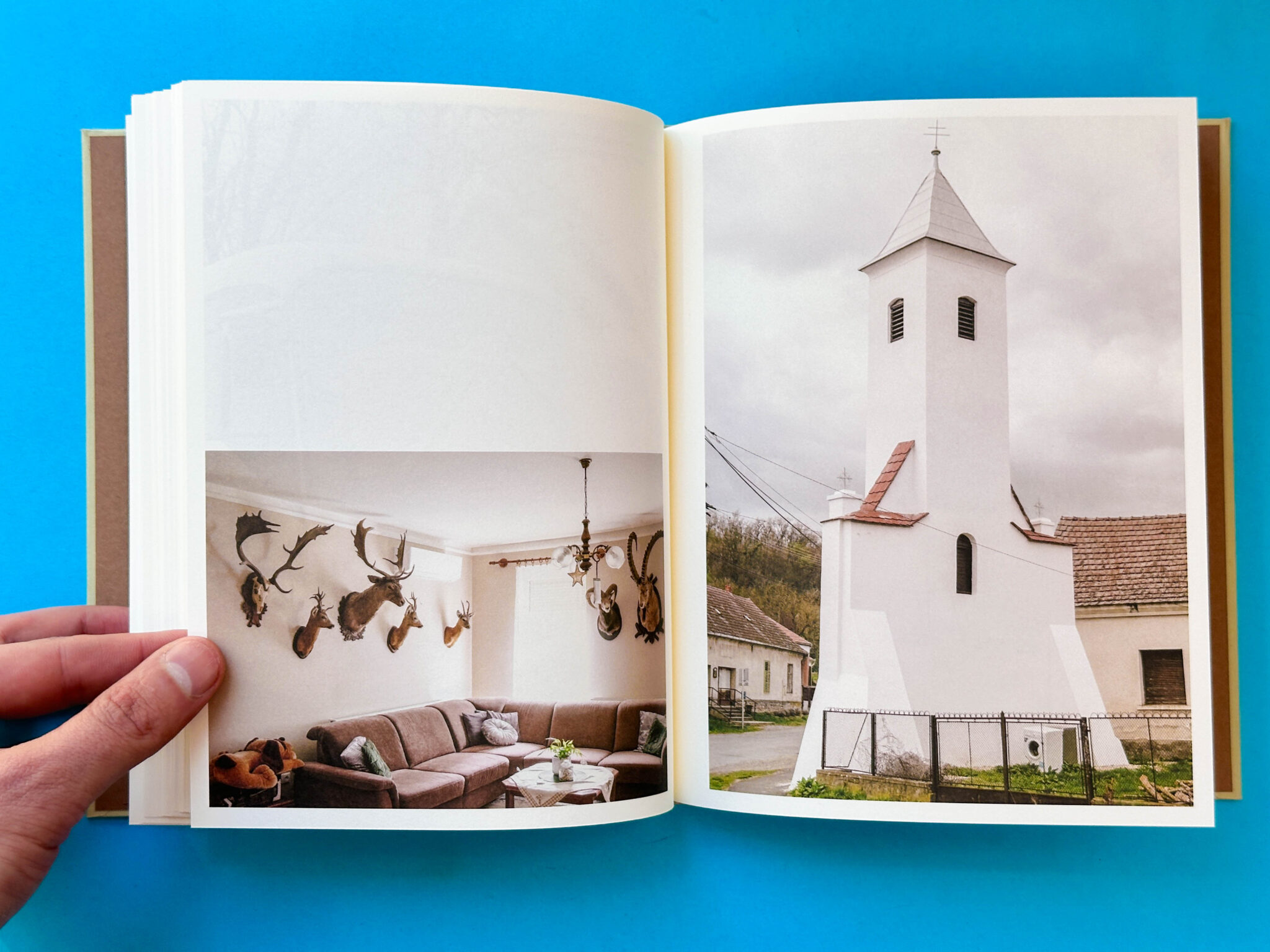
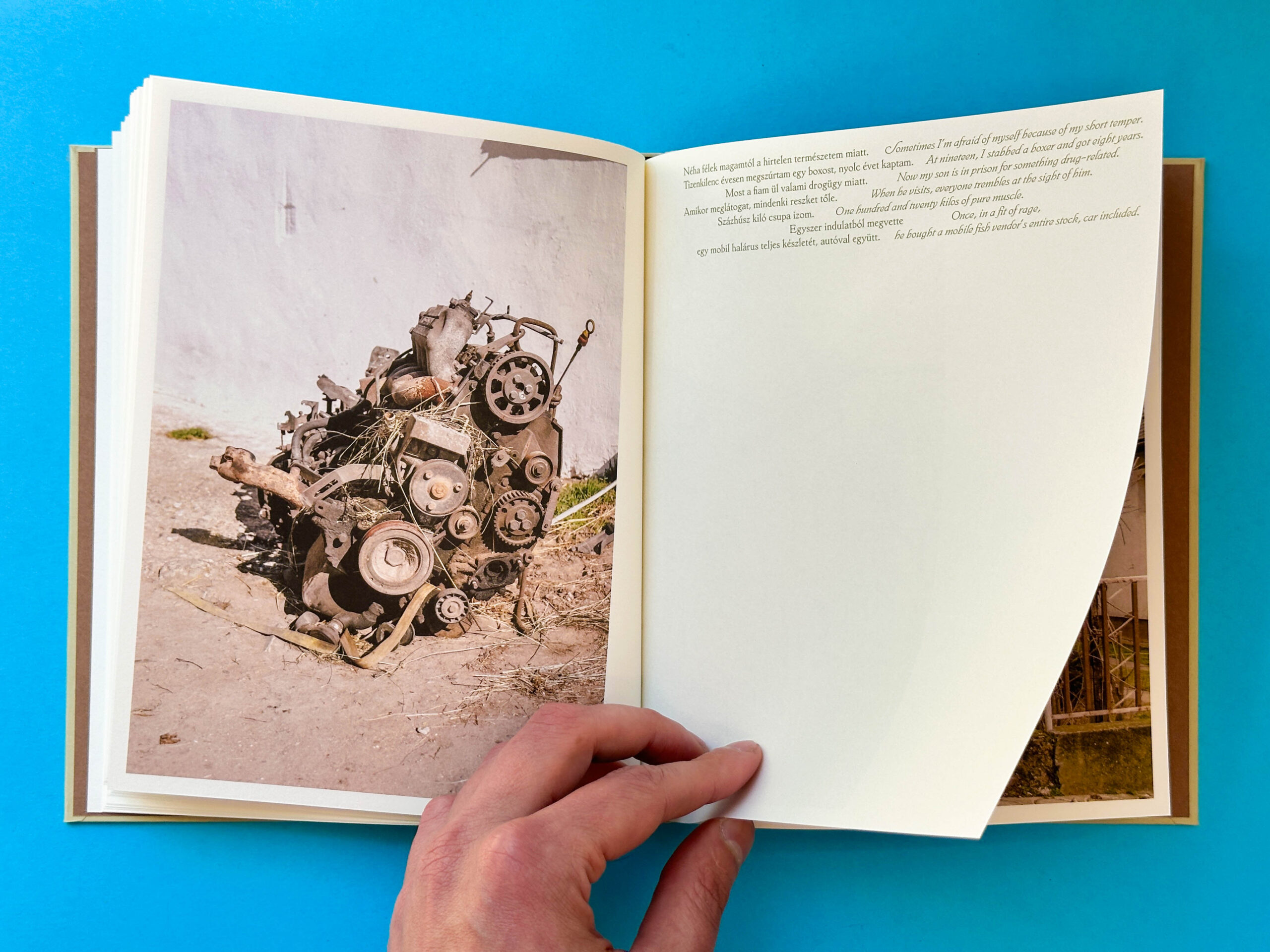
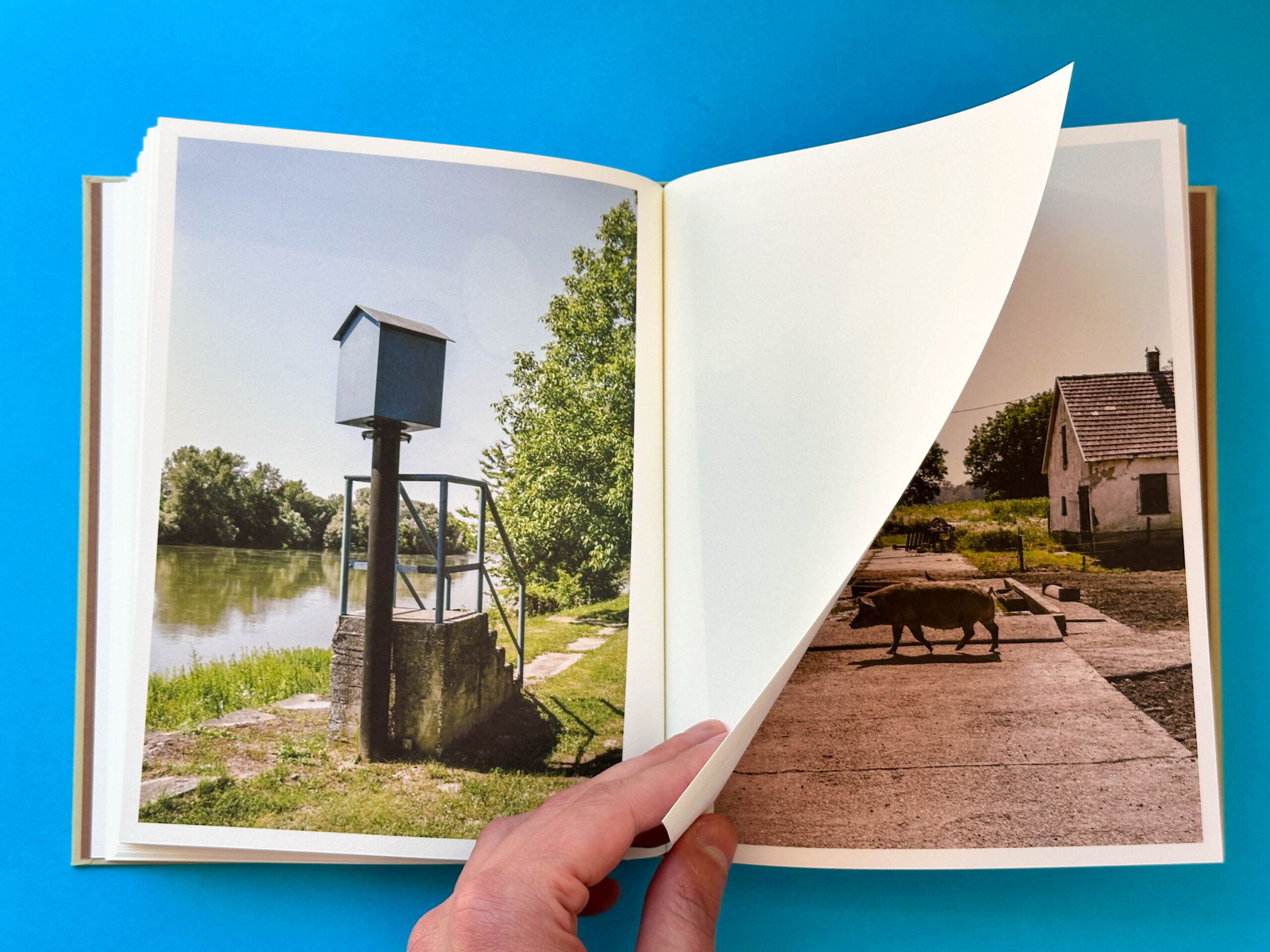
The Hungarian word “falu” simply means “village”, but the project reaches far beyond geography. Over several years, Halász travelled through small settlements across the country, photographing subtle interventions in the built environment: handmade repairs, improvised structures, unexpected material combinations, and vernacular solutions that often go unnoticed. The photographs invite viewers to slow down and reconsider what they are seeing. At first glance, many images appear almost abstract or sculptural, but they gradually reveal themselves as fragments of lived experience. Together, they form a quiet portrait of communities where making do is not an aesthetic choice but a way of life.
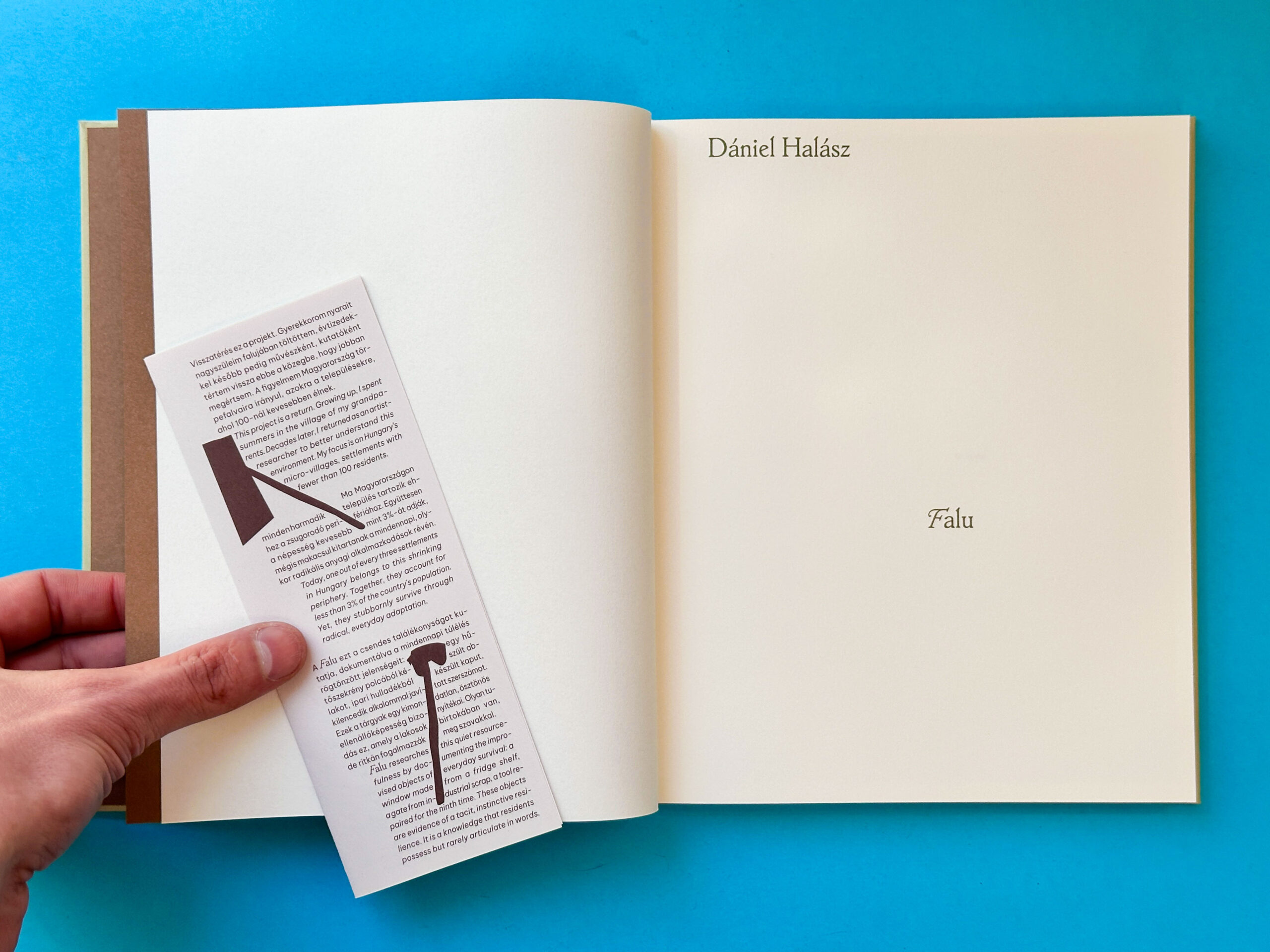
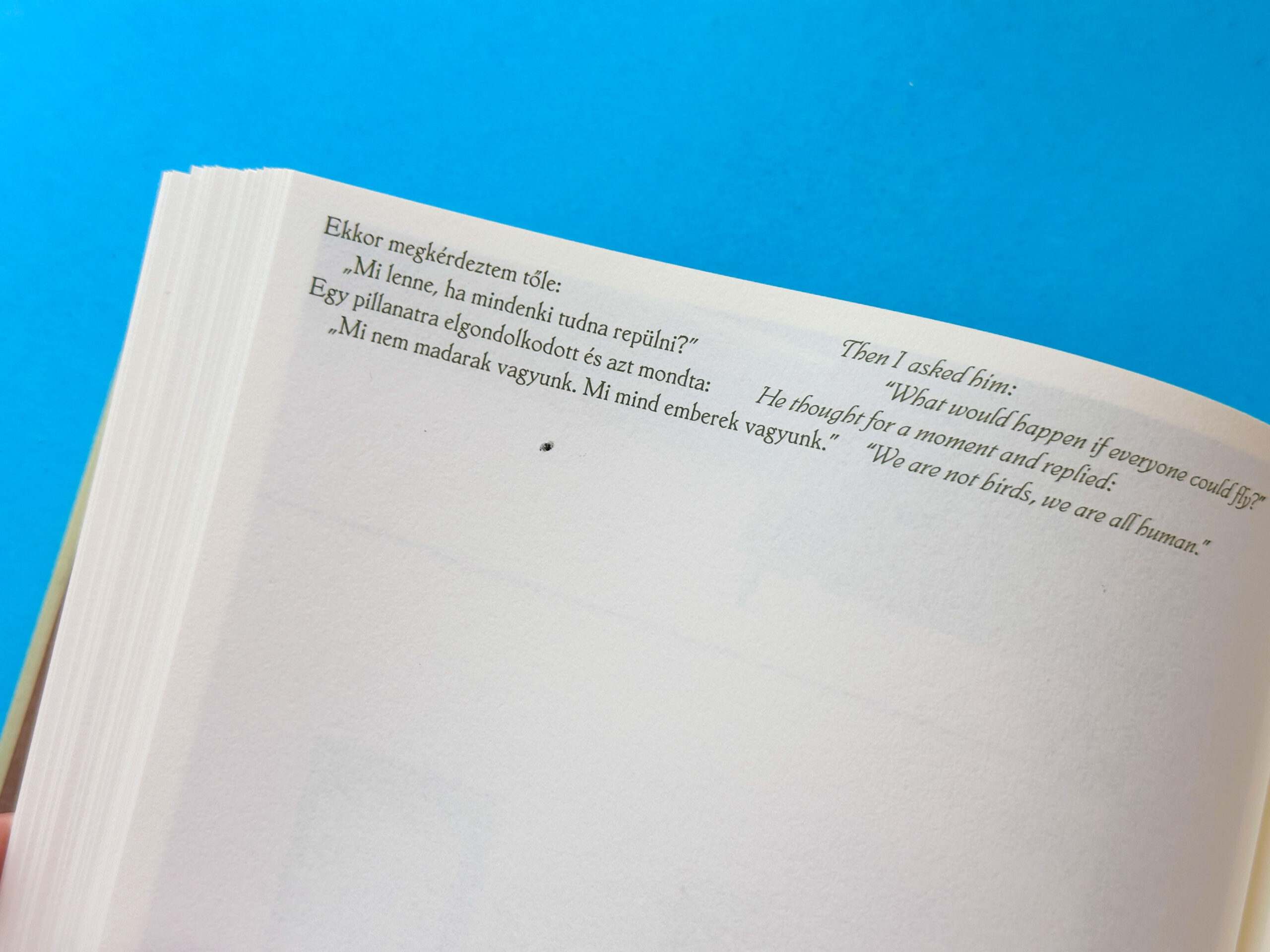
Accompanied by short text fragments and a map tracing the villages visited, the publication unfolds as both a photographic archive and a reflection on material culture. Rather than documenting people directly, Halász lets the objects and landscapes speak on their behalf, revealing traces of human presence through acts of repair, maintenance, and invention.
Dániel Halász: Photography as Cultural Research
Based in Vienna, Dániel Halász works at the intersection of photography, research, and visual anthropology. His practice explores peripheral communities and the material culture that develops outside urban centres, examining how everyday objects embody social, economic, and cultural realities. FALU is the culmination of years of fieldwork and observation, continuing Halász’s interest in the relationships between people, place, and the built environment. The project has already received significant recognition, including being shortlisted for the Esterházy Art Award and several international photobook awards.
You are currently viewing a placeholder content from YouTube. To access the actual content, click the button below. Please note that doing so will share data with third-party providers.
More InformationLike the Photographs Themselves, the Book Embraces Restraint
Designed by Flóra Pálhegyi, the book allows the images to breathe, encouraging a slow and contemplative reading experience rather than overwhelming the viewer with graphic intervention. Set in Fervm, the typeface designed by János Hunor Vári, every production choice supports the narrative, demonstrating how the physical qualities of a book can deepen the connection between image and reader.
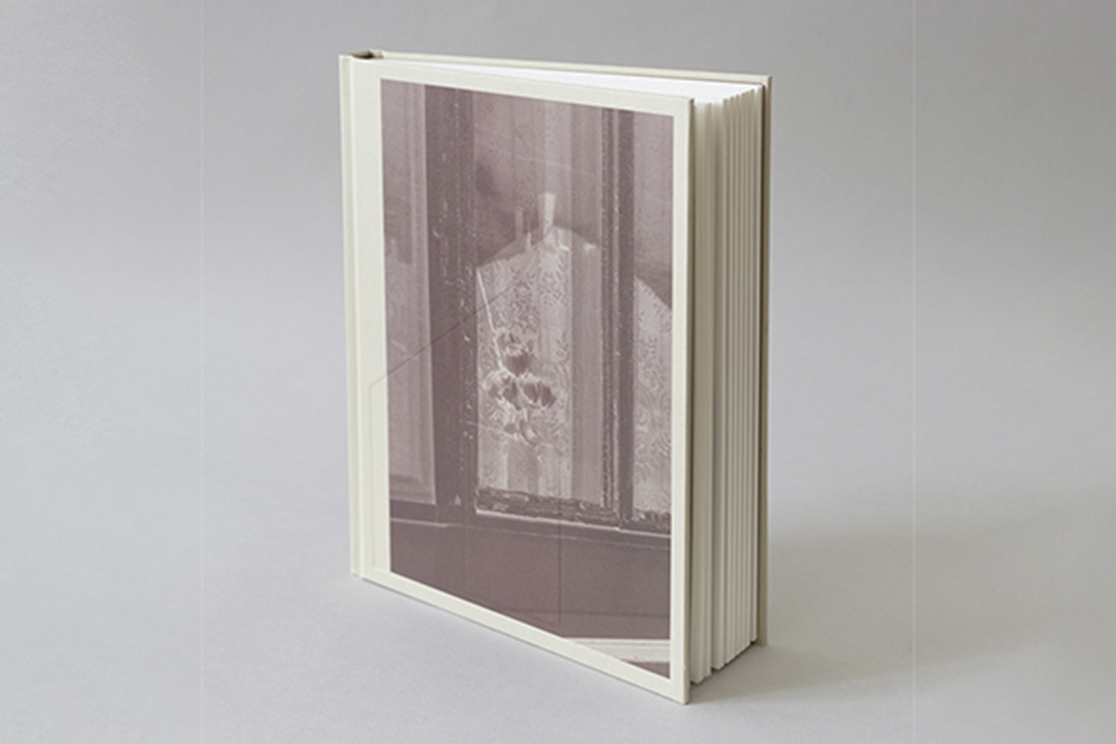
Measuring 176 × 215 mm, FALU comprises 128 bilingual (Hungarian/English) pages, accompanied by an eight-page loose bilingual booklet. The publication is offset printed from 72 colour plates, ensuring faithful reproduction of the subtle tones and textures captured throughout the project.
The tactile qualities of the book are equally considered. The interior is printed on Munken Pure Rough, whose natural, uncoated surface complements the quiet atmosphere of the photographs, while the cover and accompanying booklet are produced on Koehler Eco® Sage. Koehler Eco® Mud was chosen for the endpapers, adding another carefully selected material layer to the reading experience. The paper selection was partially supported by Europapier Budapest Kft.
Bound as a hardcover with Smyth-sewn binding, the book is finished with elegant blind debossed details on the front cover, back cover, and spine, adding subtle tactile depth without distracting from its understated aesthetic. Self-published by Dániel Halász in 2026, FALU is released as a limited edition of 300 signed and numbered copies, making it not only a compelling photographic document but also a carefully crafted collector’s object.
When Design Begins with Observation
We often celebrate innovation through new materials and ambitious print techniques. FALU reminds us that design can also begin with observation. By documenting acts of everyday resourcefulness, Halász encourages us to look more closely at the objects surrounding us and to appreciate the intelligence embedded within ordinary solutions. It is a project that celebrates material culture in its most authentic form — where necessity becomes invention, and invention quietly becomes beauty.
It is a project that celebrates material culture in its most authentic form — where necessity becomes invention, and invention quietly becomes beauty.
Beautifully produced and deeply considered, FALU demonstrates how the photobook remains one of the most compelling formats for visual storytelling. Through thoughtful photography, careful sequencing, and sensitive material choices, it transforms overlooked details into a lasting reflection on creativity, resilience, and the value of seeing differently. You can purchase your own copy of the book and/or limited print here.