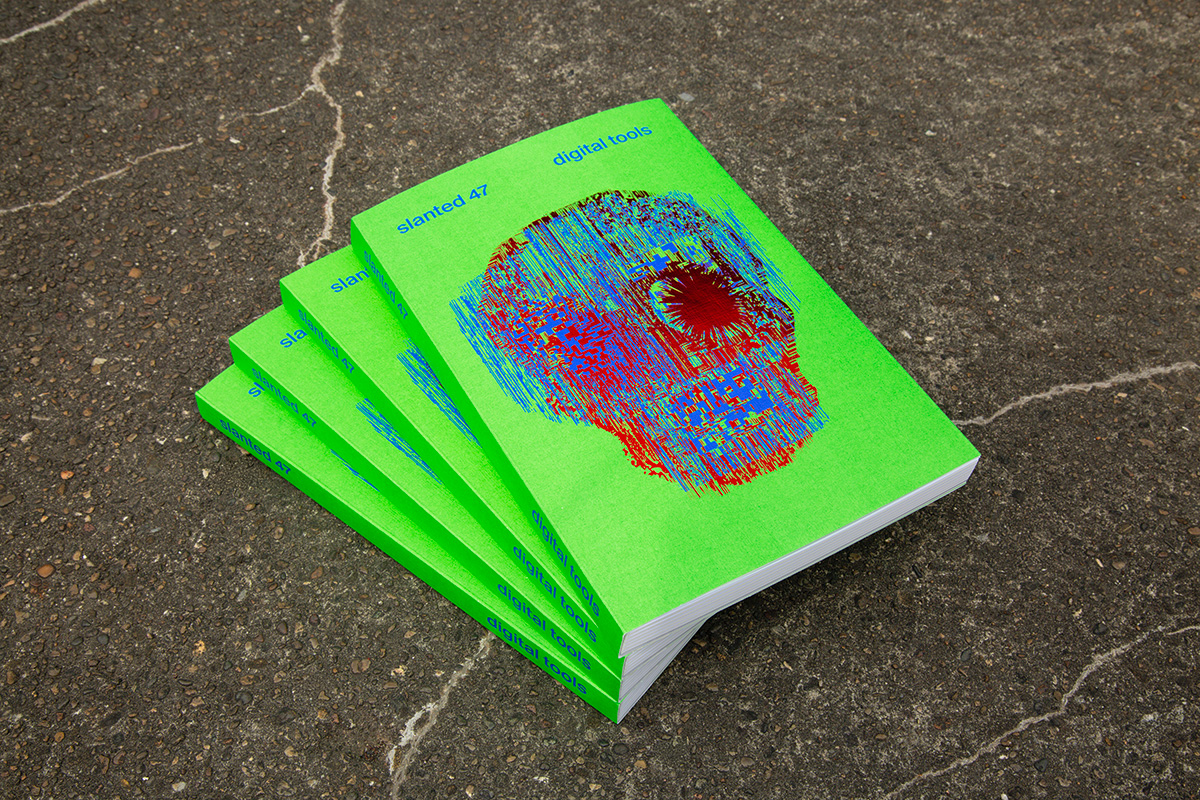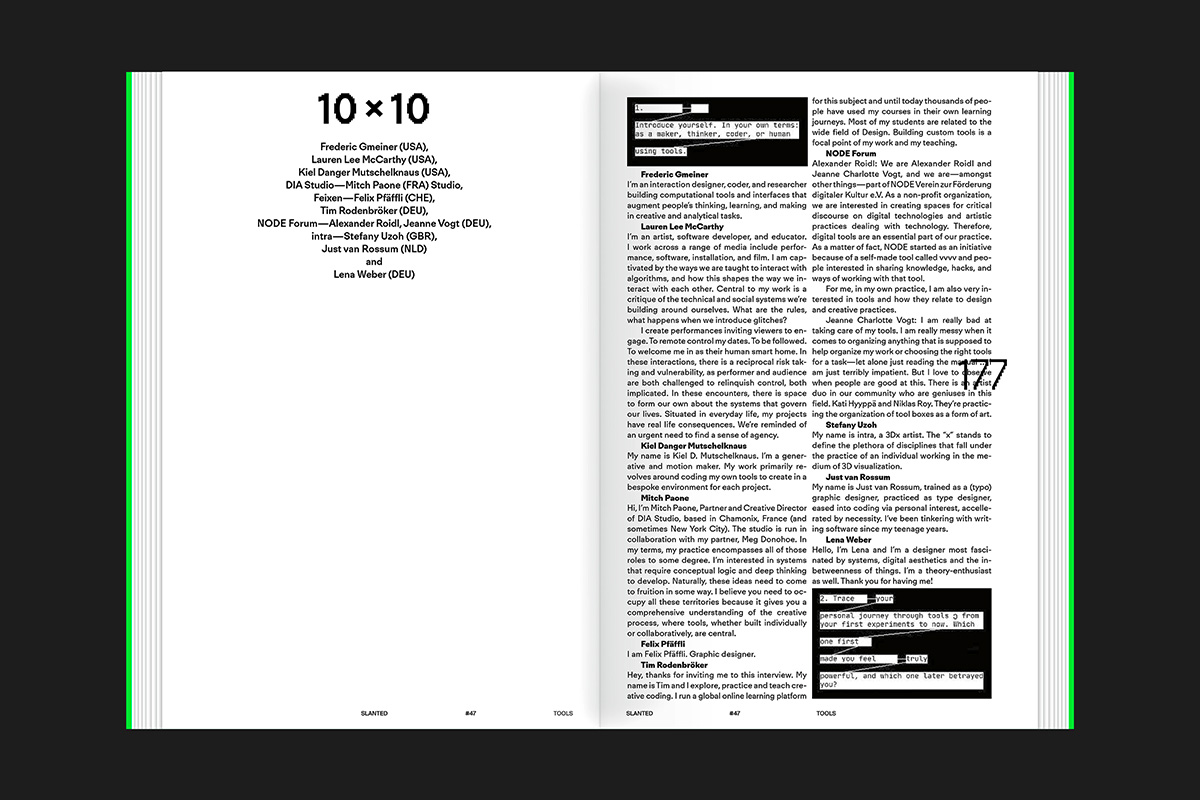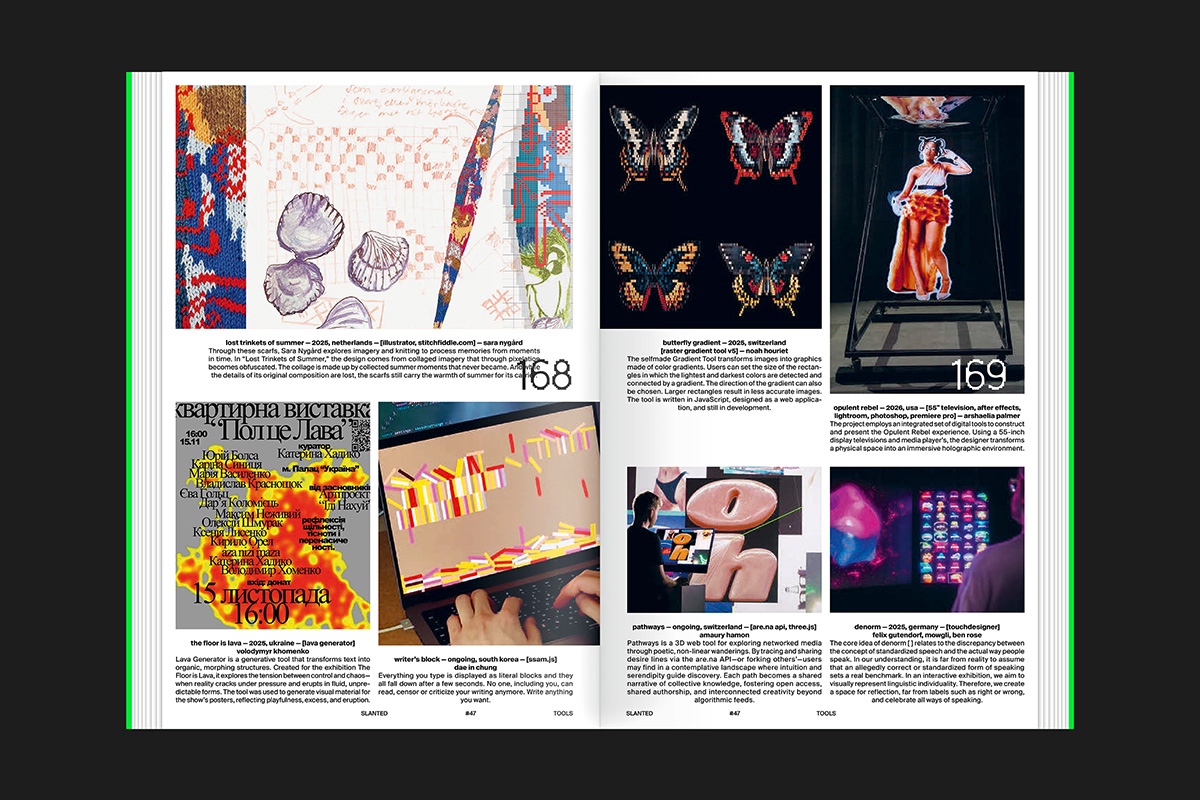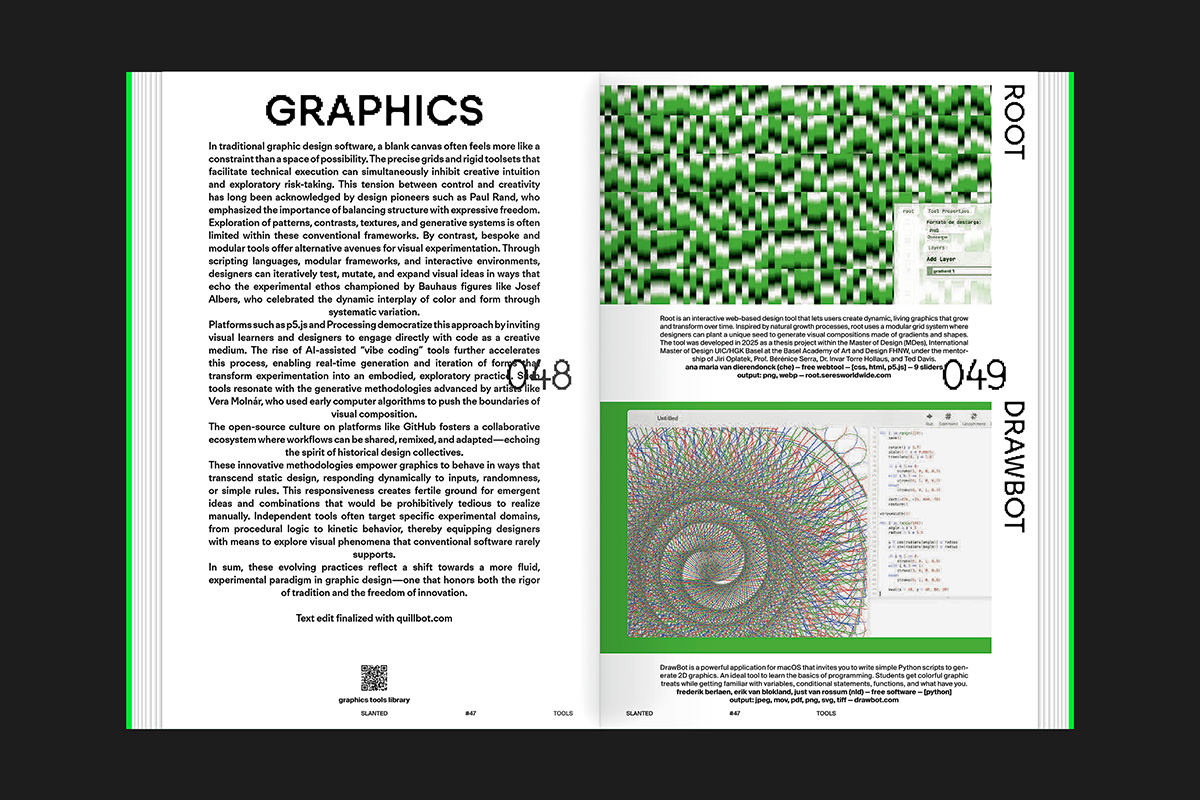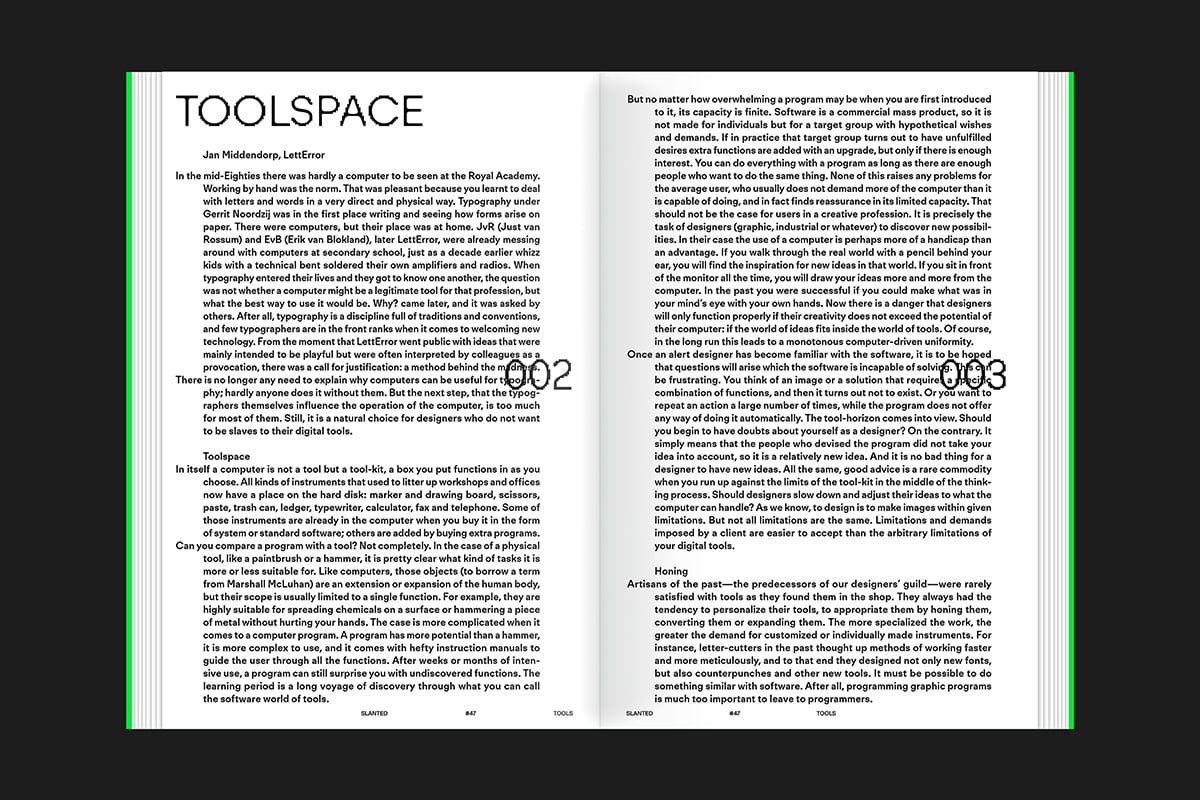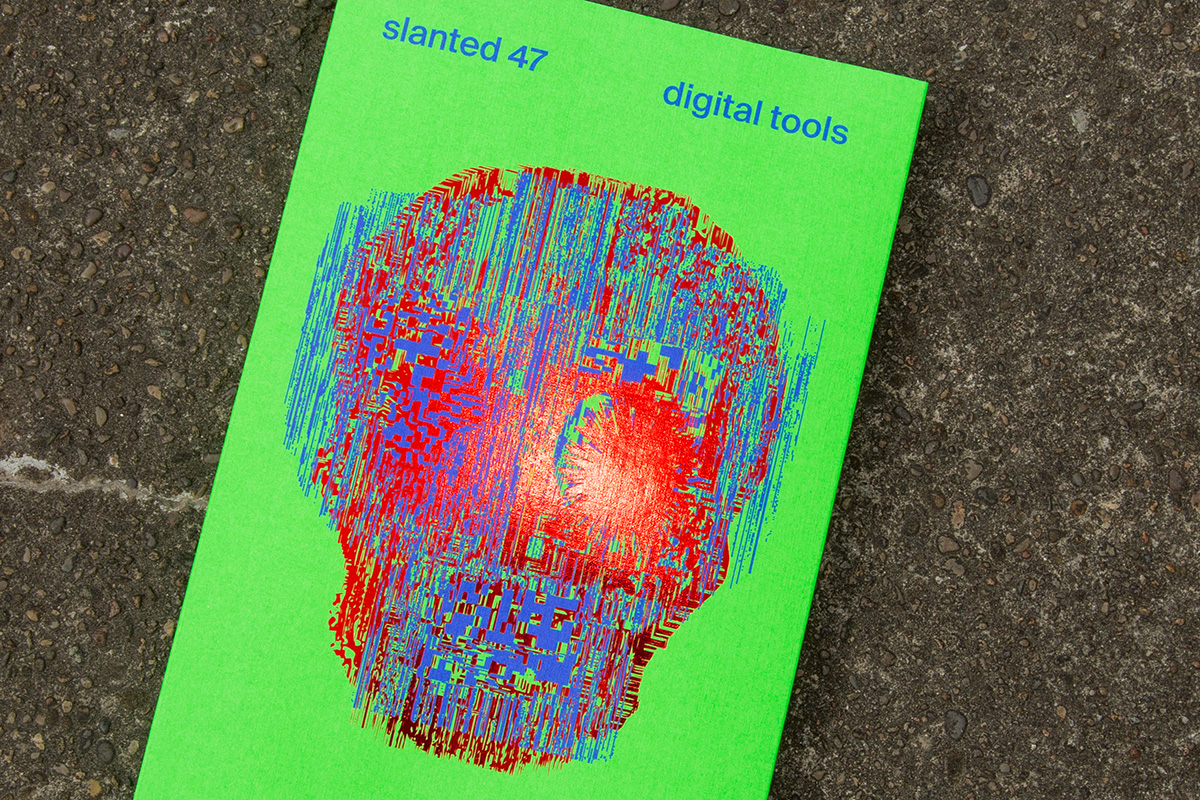
In a creative landscape increasingly shaped by software, algorithms, and artificial intelligence, it is easy to assume that the future of design exists solely behind a screen. Yet Slanted Magazine #47: Digital Tools makes a compelling case for the opposite. By translating conversations about digital workflows into a beautifully crafted printed publication, the latest issue from Slanted Publishers reminds us that some of the most engaging experiences with technology still happen on paper.
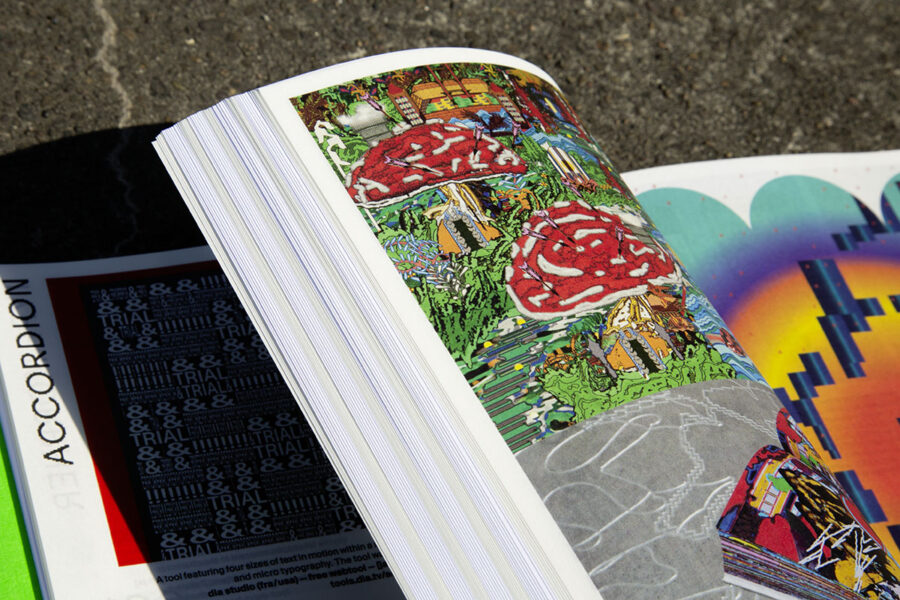
For years, Slanted Magazine has explored the ever-evolving world of visual communication through carefully curated themes, each combining outstanding editorial content with exceptional production quality. The forty-seventh edition turns its attention to the tools that shape today’s creative practice, not simply the software everyone knows, but the countless experimental applications, open-source projects, custom scripts, and creative utilities that quietly redefine how designers work and think.
“Innovative design is never only about technology—it is equally about the medium through which ideas are communicated.”
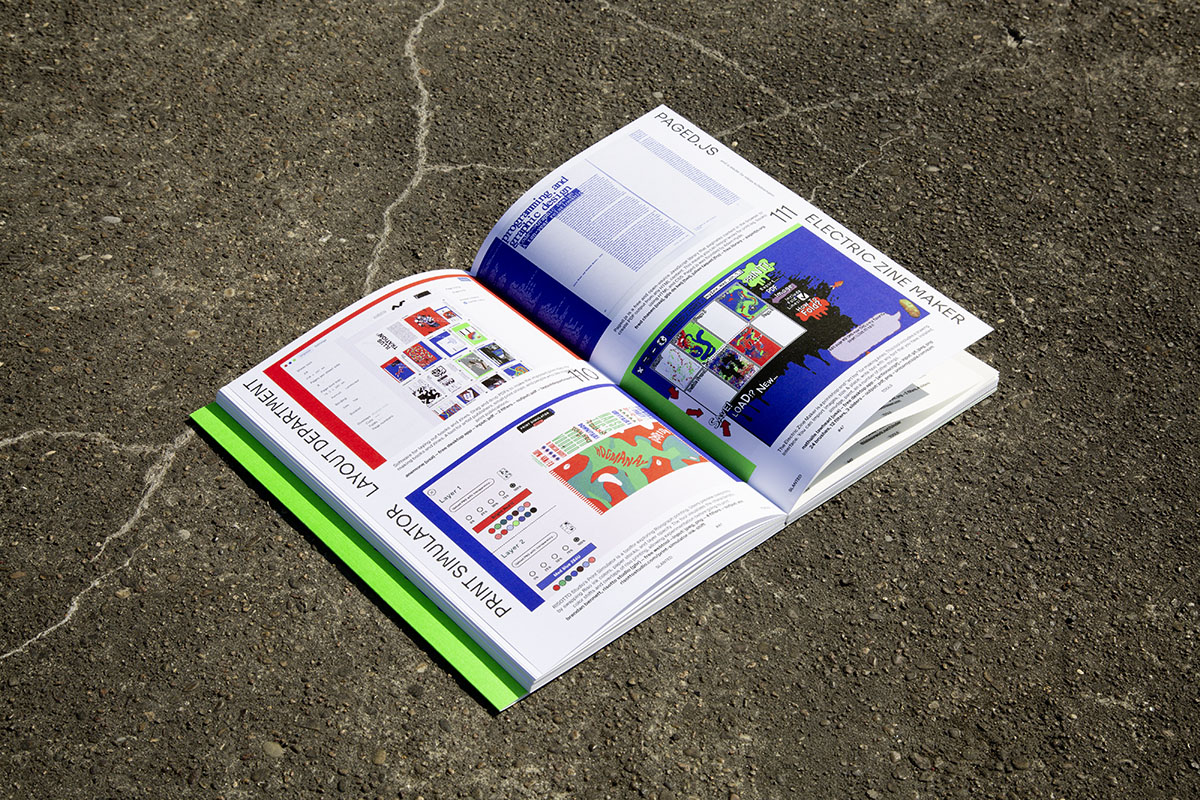
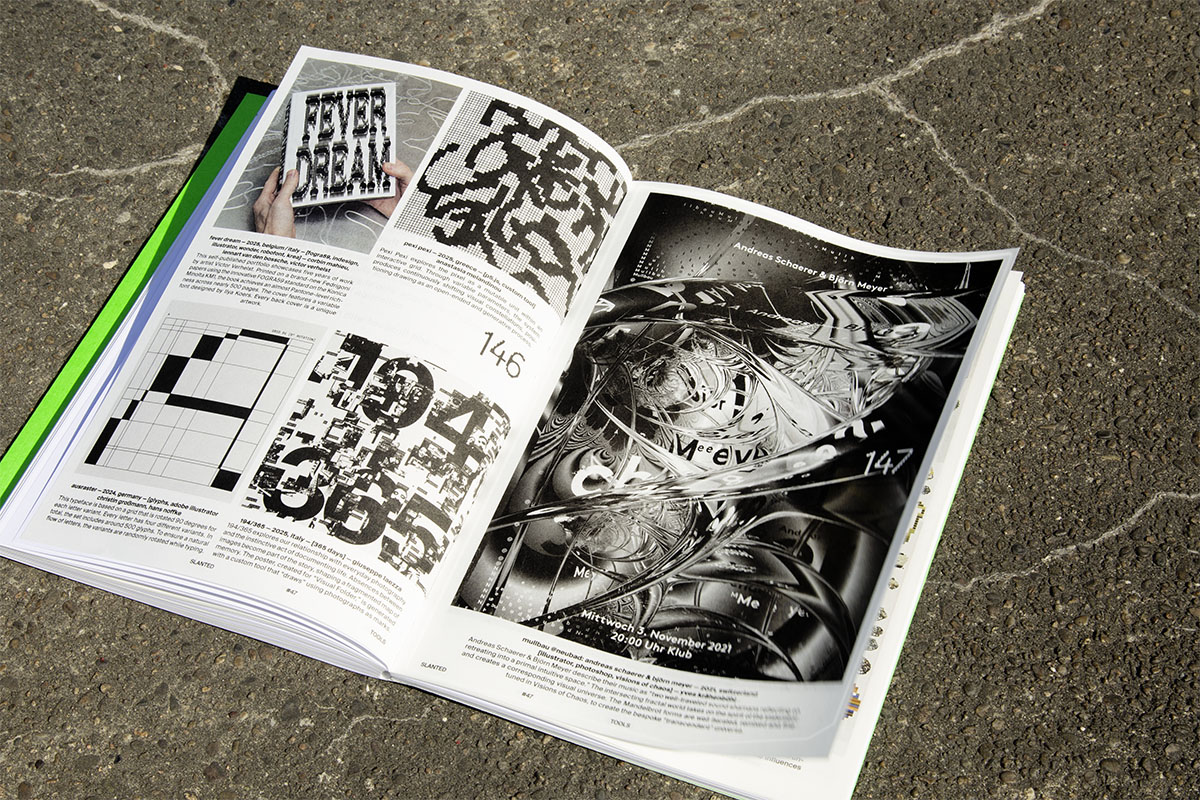
Rather than presenting digital tools as purely technical instruments, the magazine explores them as creative collaborators. Across its 224 pages, designers, artists, illustrators, typographers, developers, and creative coders discuss the relationship between technology and authorship, revealing how digital processes influence aesthetics, experimentation, and decision-making. The publication spans disciplines including graphic design, typography, illustration, 3D design, web design, generative design, and creative coding, offering an inspiring cross-section of contemporary visual culture.
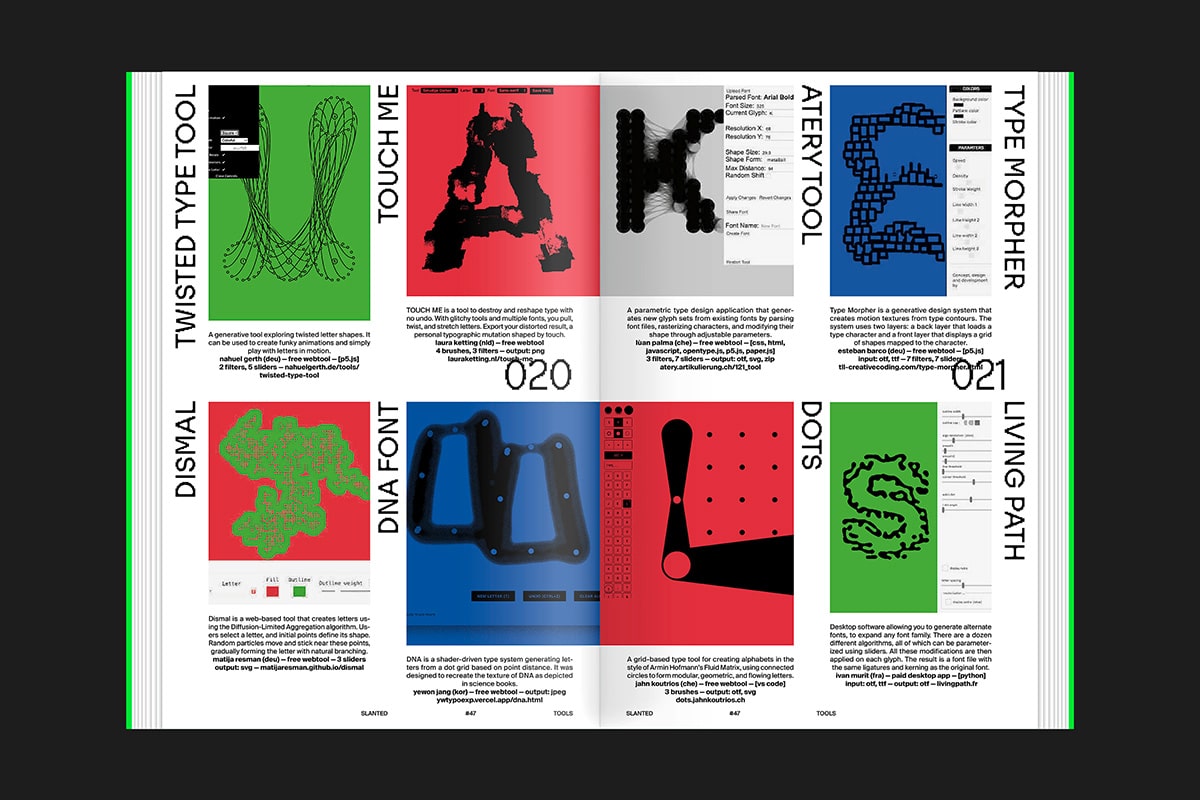
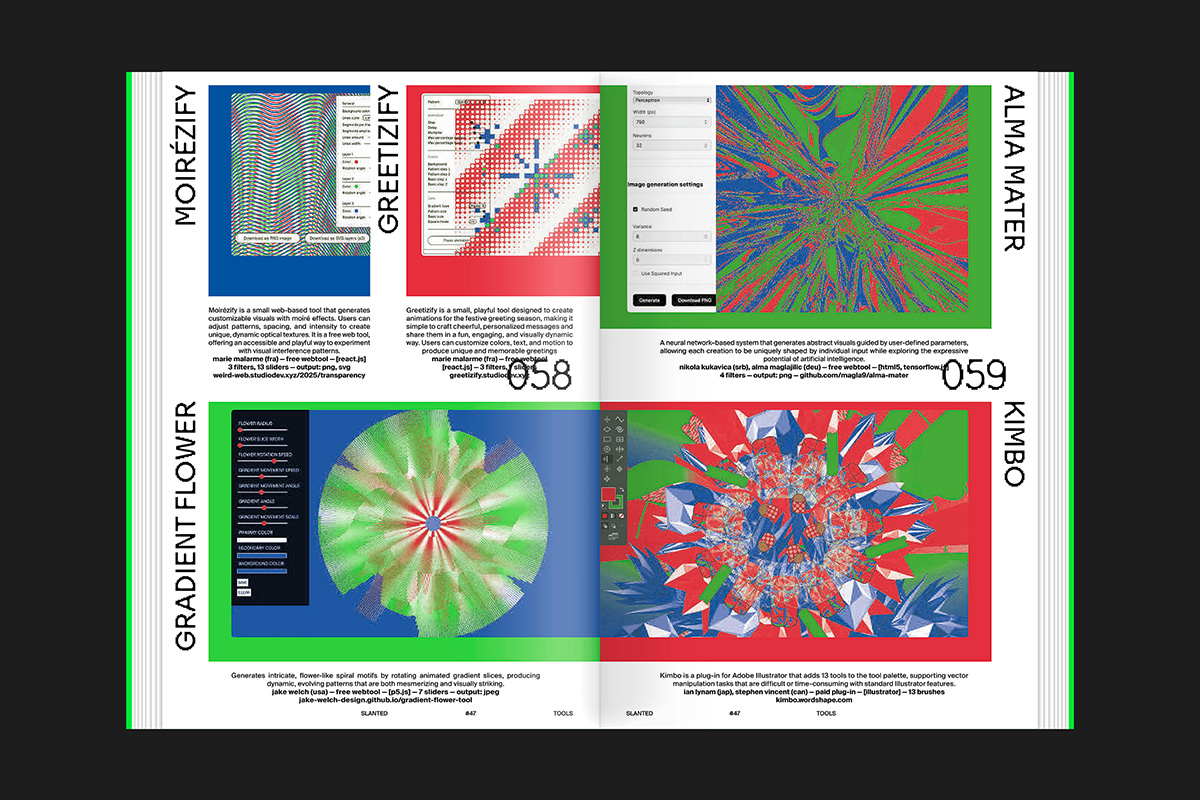
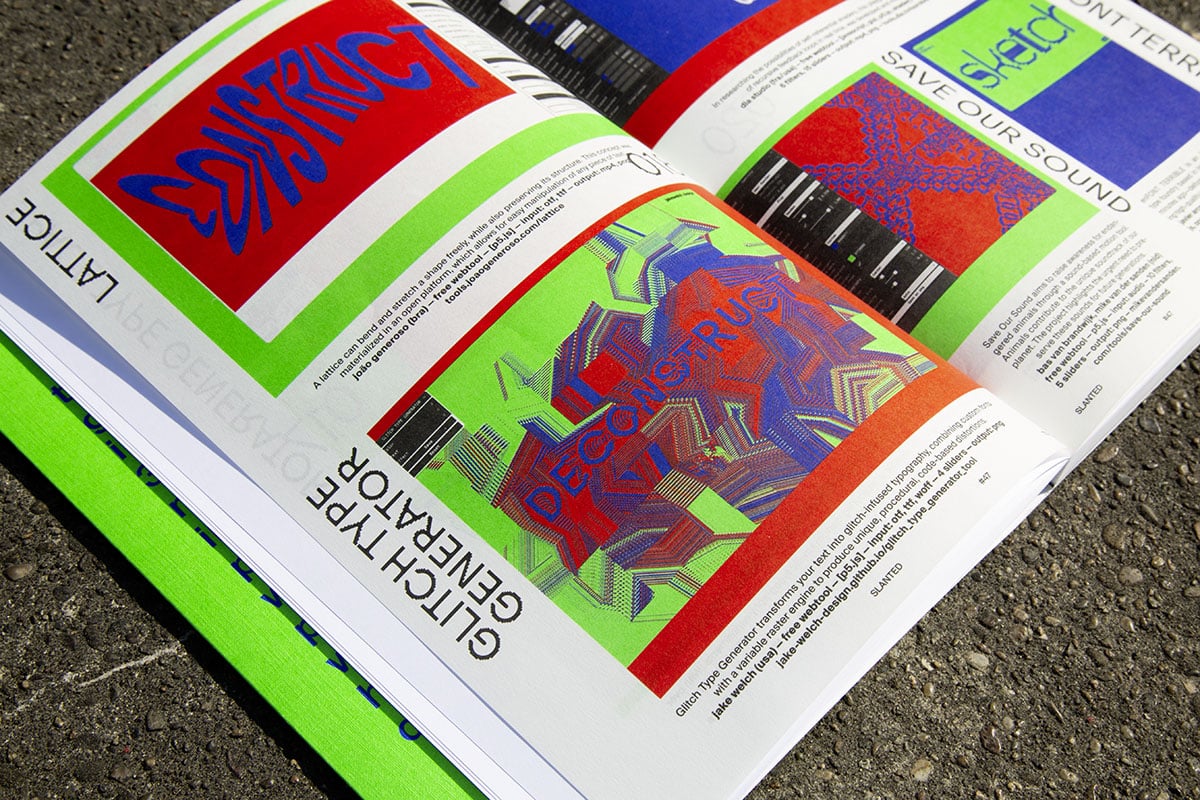
One of the publication’s greatest strengths is its balance between inspiration and practicality. Alongside interviews and essays, the issue introduces readers to an extensive collection of digital tools, many of which sit outside the mainstream creative ecosystem. The accompanying online platform extends the experience even further, providing a continuously growing directory that encourages designers to keep exploring long after they’ve turned the final page.
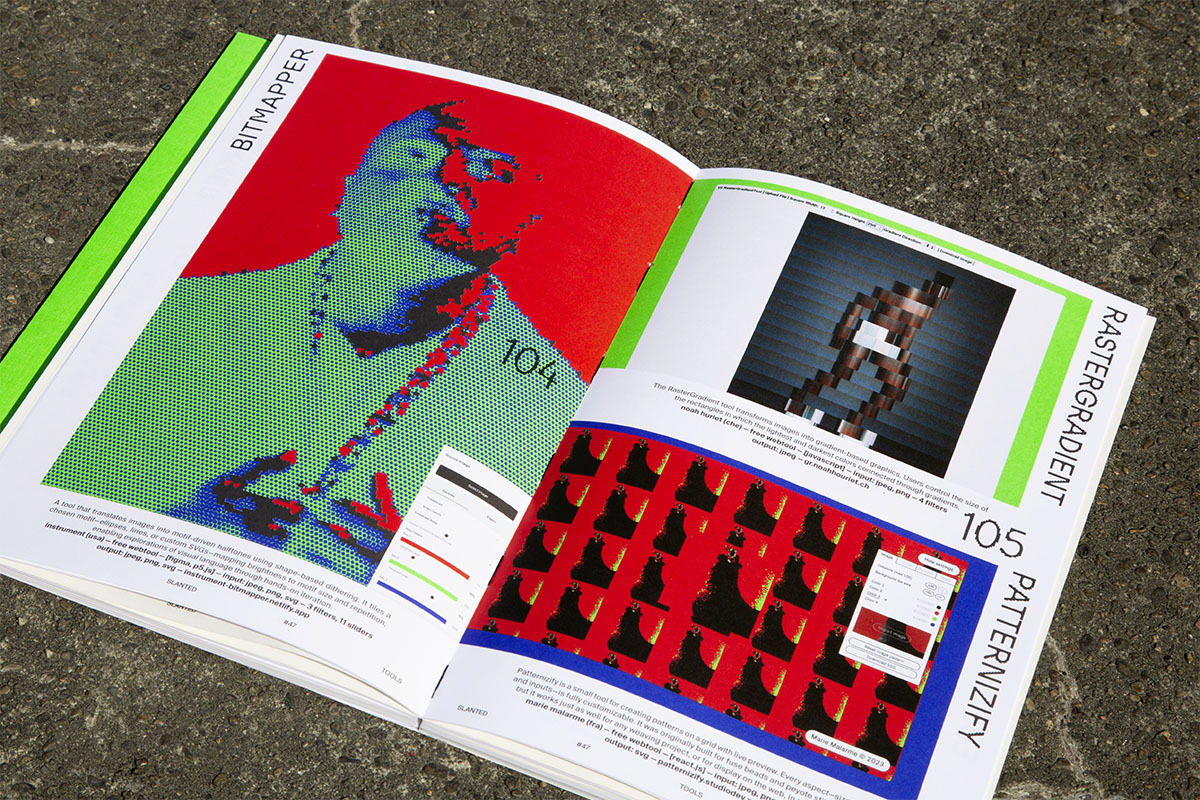
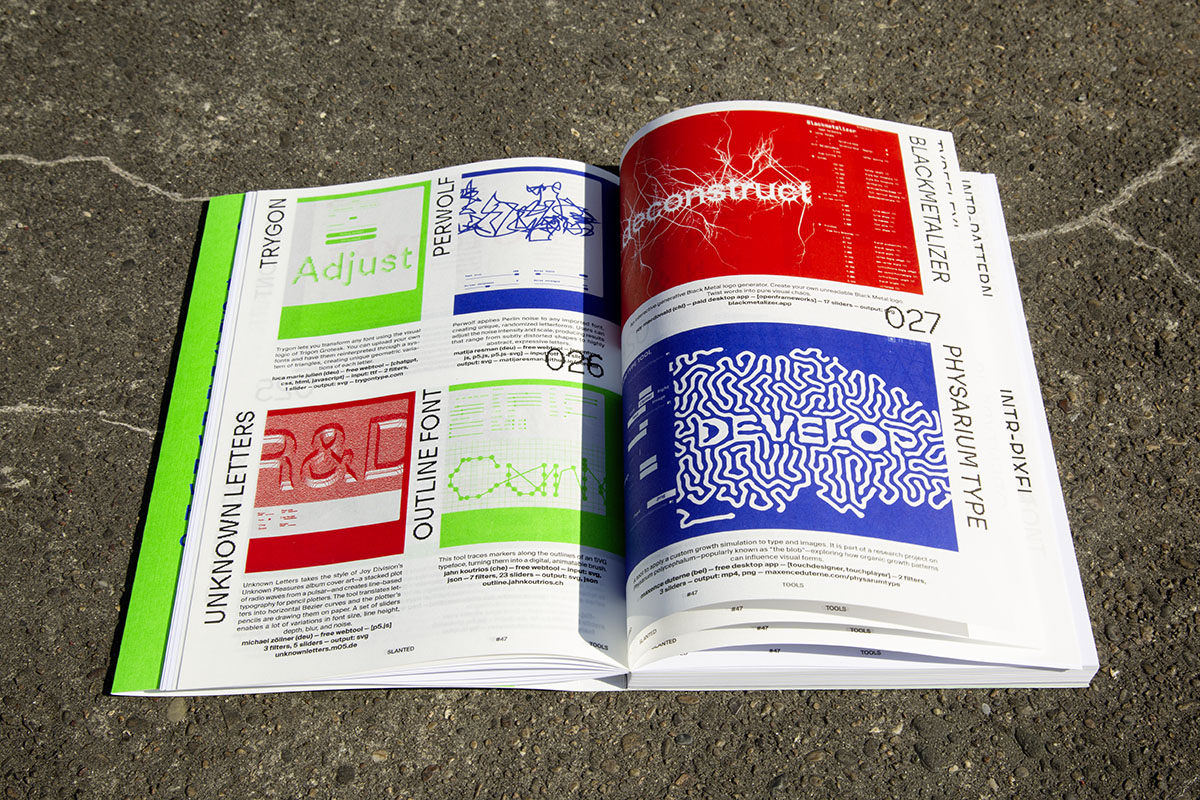
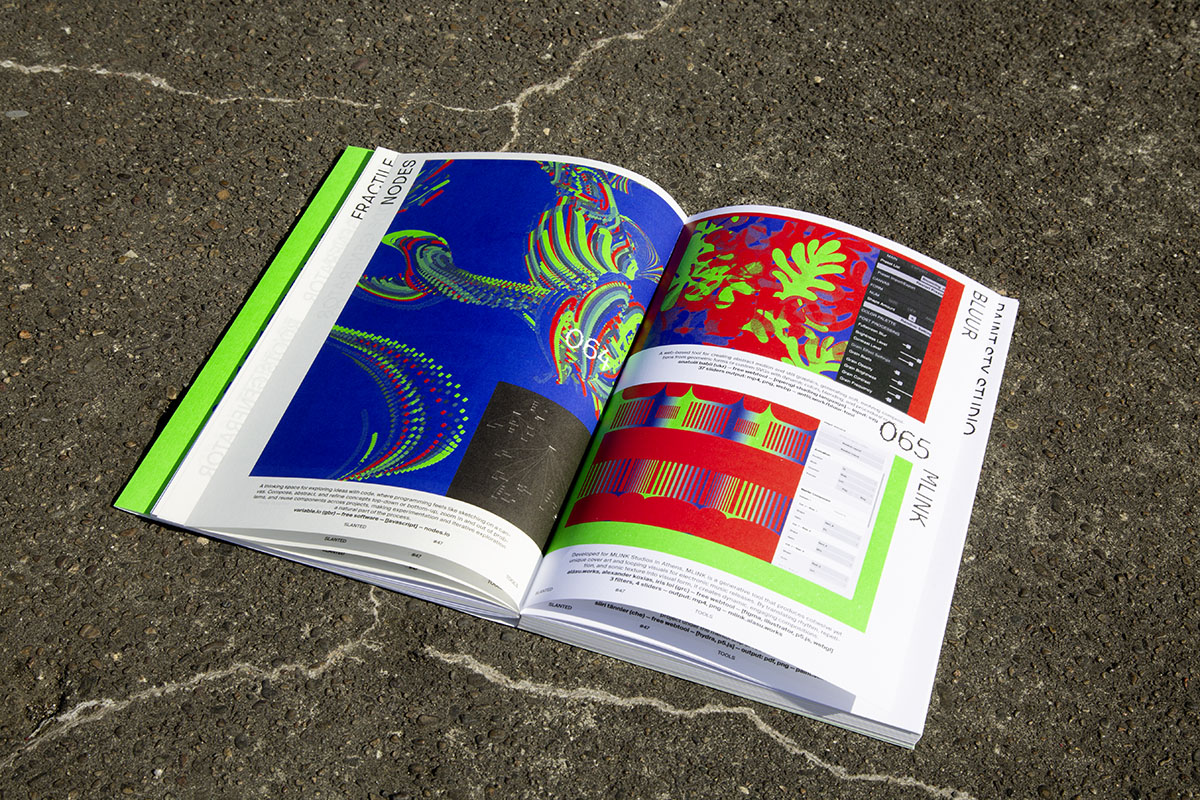
Materiality Meets Digital
Perhaps for us, the most fascinating aspect of Digital Tools -edition is its physical production. While the editorial theme revolves around software and virtual workflows, the publication itself celebrates the tactile possibilities of print. And rather than treating paper as a neutral canvas, every production choice reinforces the dialogue between digital precision and analogue experience.
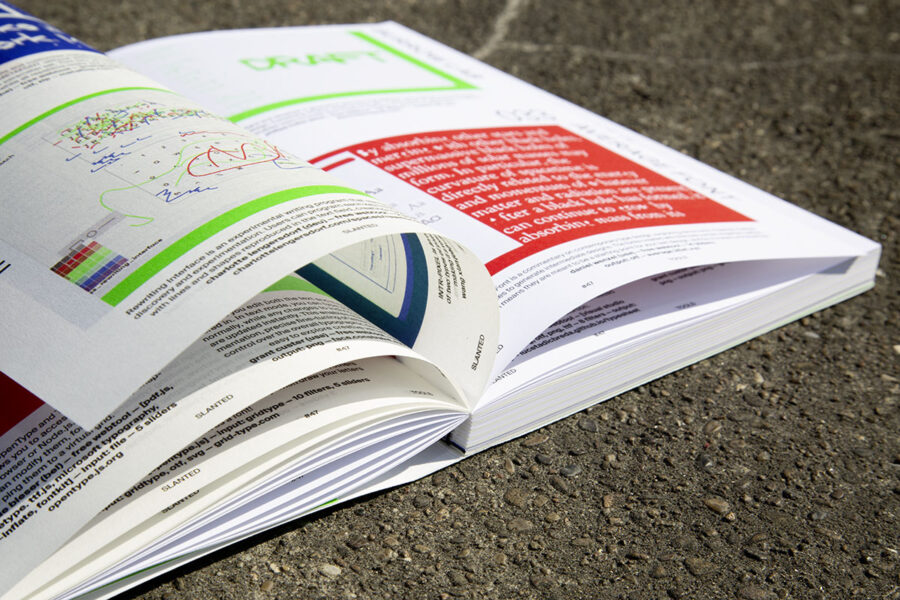
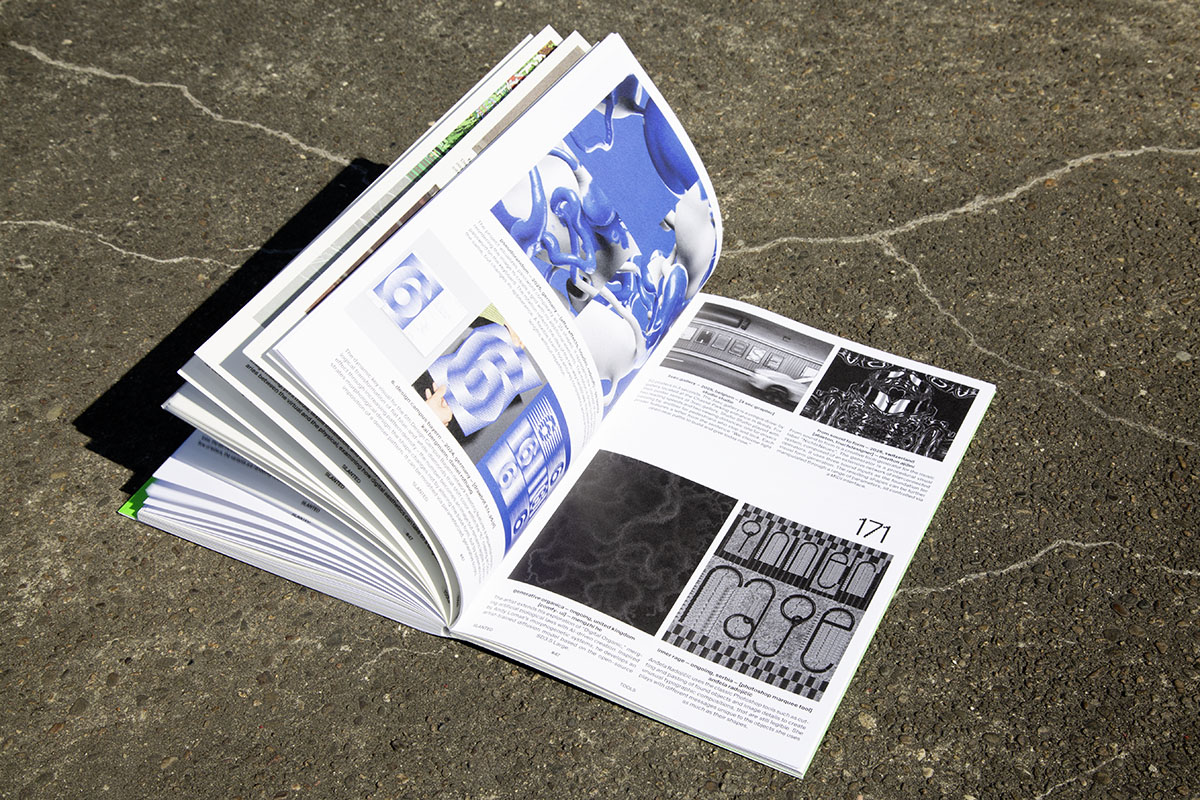
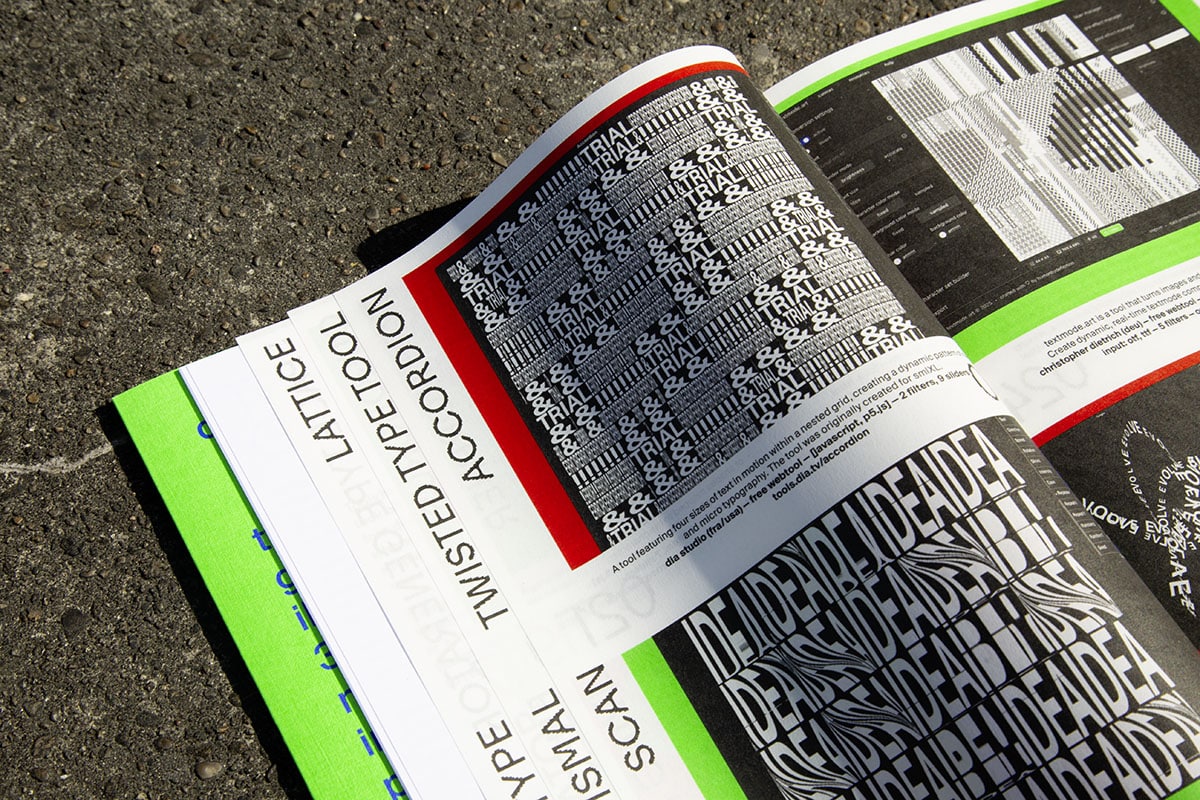
The magazine of the magazine is made of IBO TWO 80 g/m², a remarkable paper developed by world-renowned Dutch book designer Irma Boom. Originally introduced in a lighter 60 g/m² version and now available in the slightly heavier 80 g/m² weight, IBO has become a favourite among publishers of art books and exhibition catalogues for its distinctive semi-transparent character.
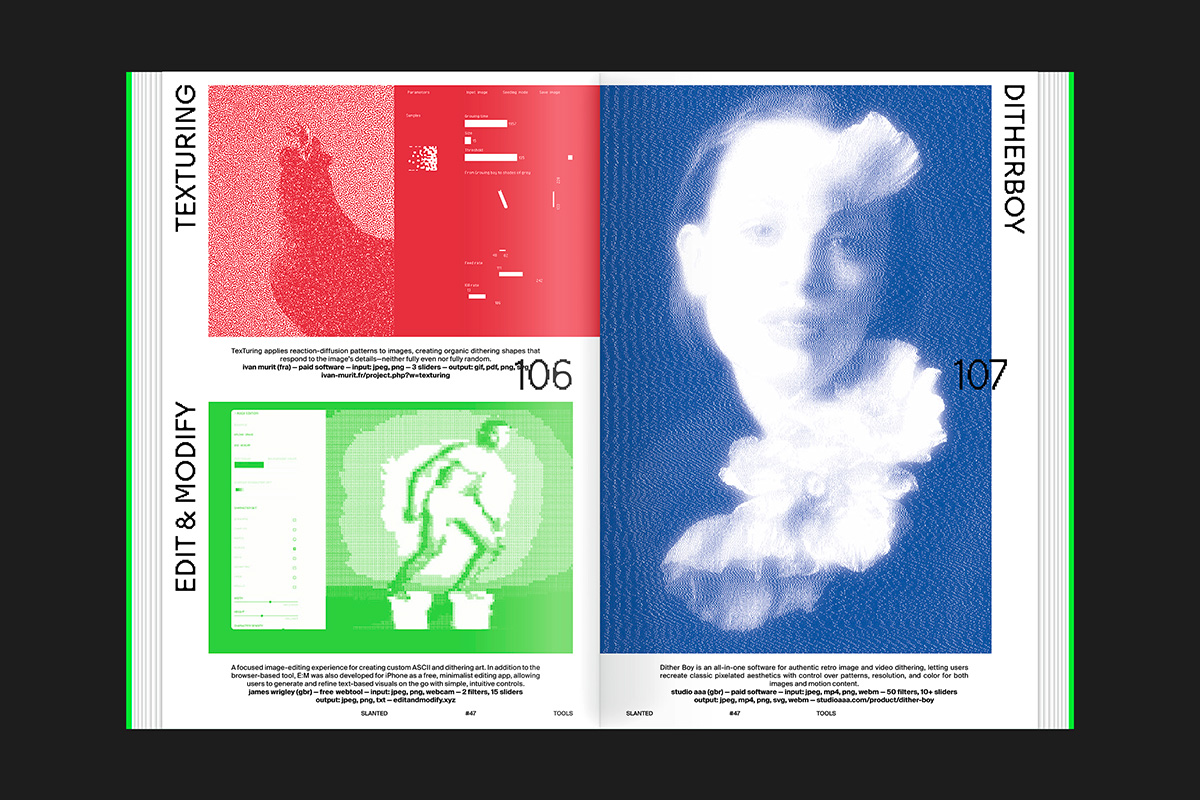
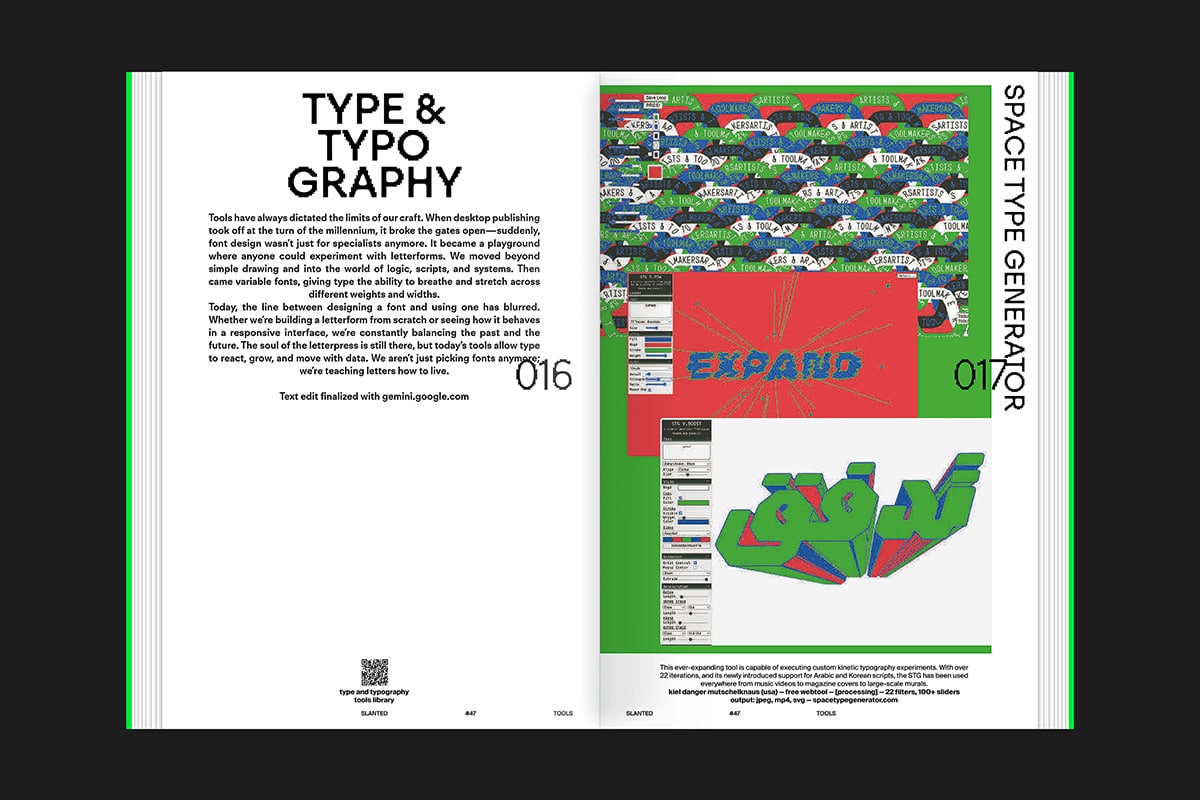
IBO invites designers to think in layers. Images can subtly emerge from beneath a page, typography can interact across spreads, and compositions can hint at information before it is fully revealed. This transparency creates opportunities for visual storytelling that feel almost cinematic, allowing readers to discover content gradually rather than all at once.
“The paper becomes more than a material choice—it becomes an active participant in the reading experience, encouraging curiosity, slowing the pace of reading, and rewarding close observation.”
Its lightweight construction also contributes to a surprisingly substantial publication without unnecessary bulk. Even at 224 pages, Slanted Magazine #47 remains comfortable in size while maintaining the tactile richness expected from an independent design publication. This way, the paper becomes more than a material choice; it becomes an active participant in the reading experience, encouraging curiosity, slowing the pace of reading, and rewarding close observation.
And while many magazines discuss and focus on creativity, relatively few embody it in every aspect of their production. Slanted Magazine #47: Digital Tools succeeds in this because its editorial vision and physical execution work together seamlessly. The issue acknowledges the growing importance of digital technologies without positioning them as replacements for traditional design disciplines. Instead, it presents digital and analogue methods as complementary forces, each enriching the other.
That philosophy has long defined Slanted Publishers, whose publications consistently demonstrate that print remains one of the most powerful mediums for communicating complex visual ideas. In Digital Tools, the careful pairing of thought-provoking content with innovative material choices transforms the magazine into a design object in its own right. You can purchase your own copy here.