
The Art of Analogue: Why Art Books Never Lose Their Allure

As digital media shape our everyday lives and images travel around the world in seconds, the analogue is enjoying a remarkable rediscovery. In an increasingly digital world, we long for permanence, authenticity and sensory experiences. Books — and art books in particular — answer that longing. They offer something digital media cannot replace: a tactile experience that invites us to slow down and engage with intention. 

This is why there will continue to be a lasting demand for beautifully made books and art publications. More than carriers of information, they are cultural objects, bringing design, materiality and content together into a complete experience. As life becomes ever faster and more digital, our desire for tangible, enduring and emotionally engaging media grows. Art books meet that desire. They invite us to linger, turn the pages, feel the surfaces and experience their content with all our senses.

Paper as an Active Part of the Art Experience

At the heart of this development is a material that is often underestimated: paper. For publishers, artists, designers and print specialists, paper has long been more than a surface to print on. It is an essential part of the creative statement.

In art books, paper becomes a deliberate design tool. Materiality becomes part of the narrative. Coloured papers, textured surfaces and innovative finishes support artistic expression, giving each publication an identity of its own.

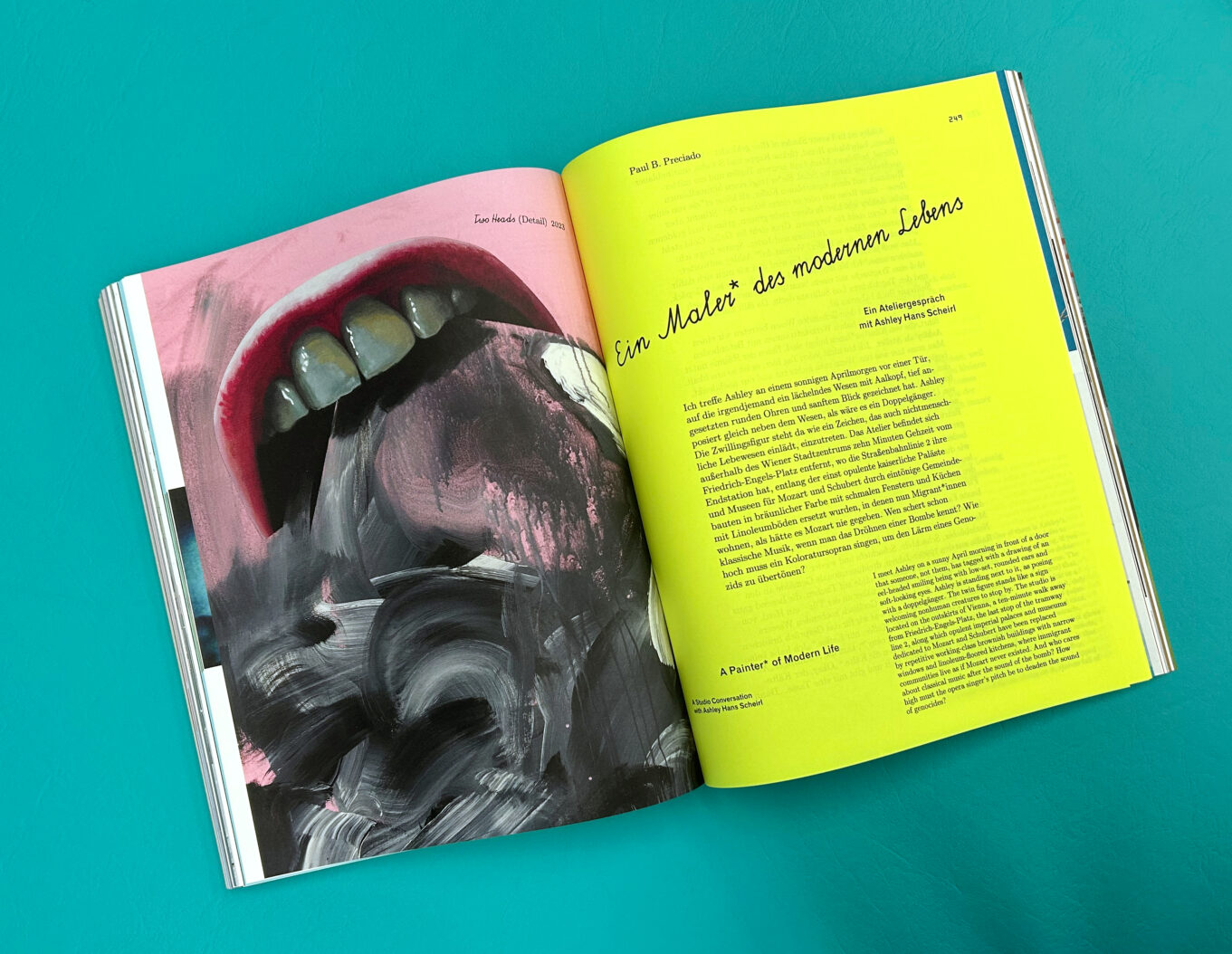
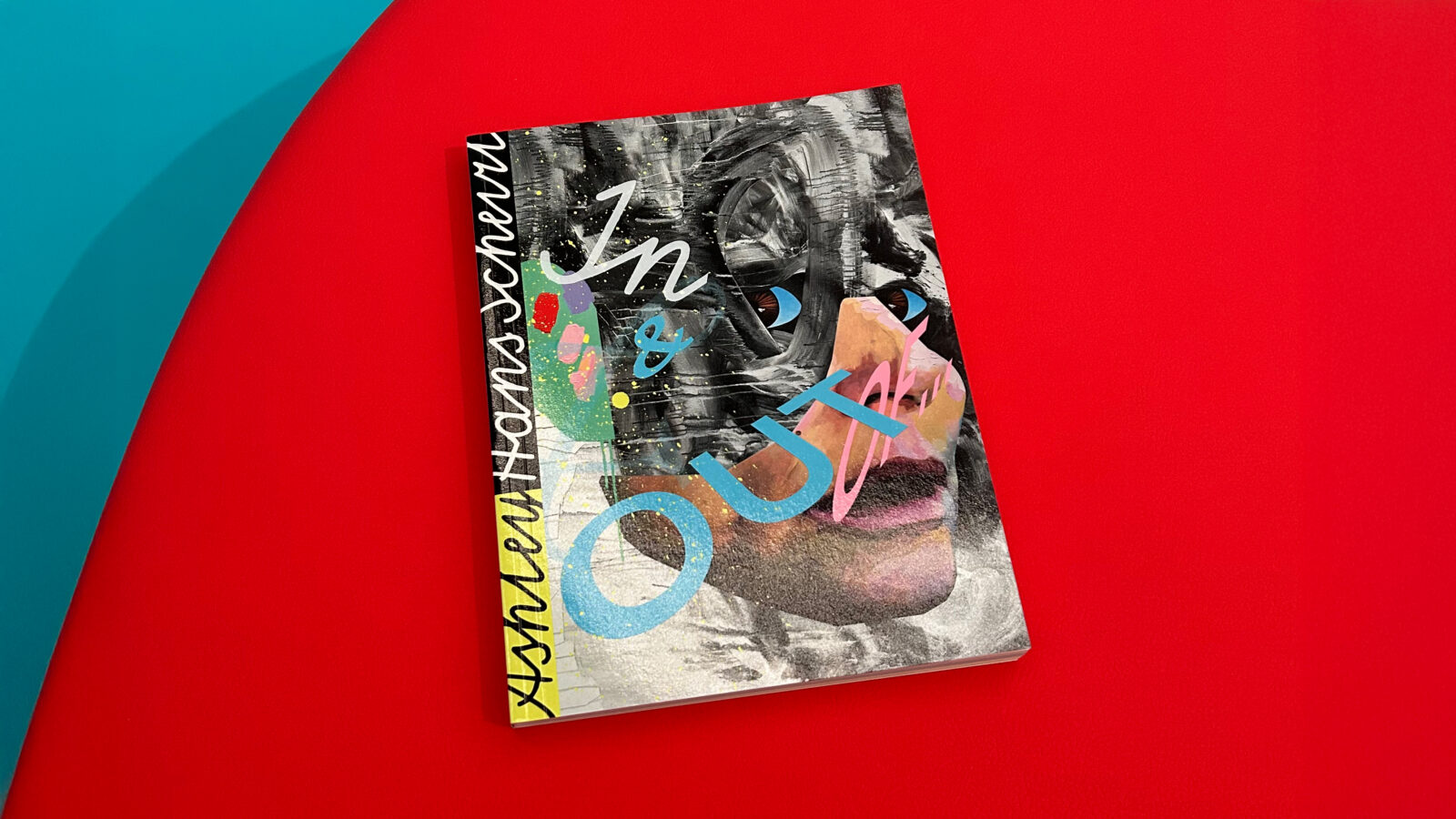
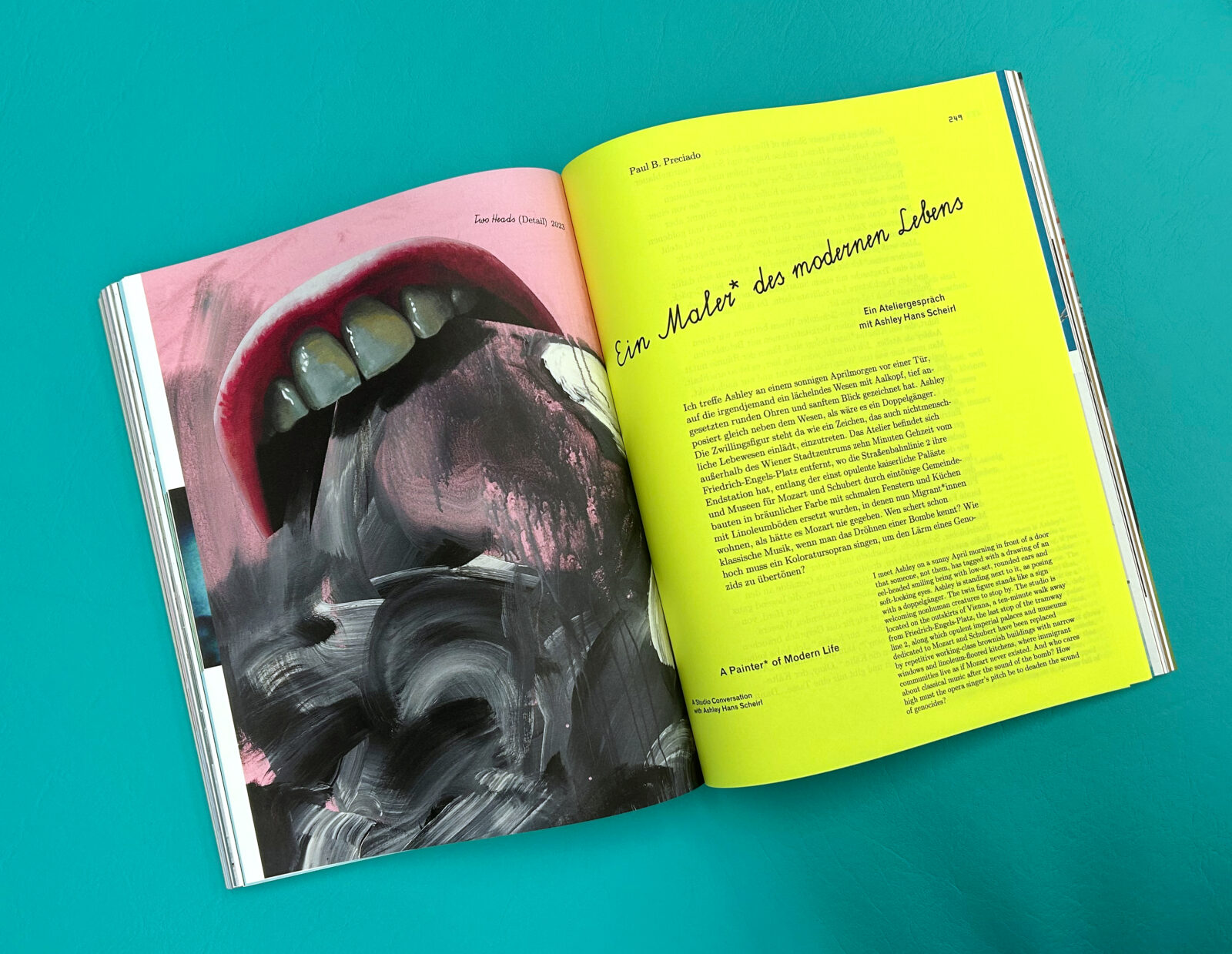
A particularly compelling example is the art book In & Out of Painting. The publication shows how thoughtfully chosen papers can amplify the impact of the artworks they carry. Different paper qualities, surfaces and shades are used not simply to reproduce the works and artistic approaches, but to make them tangible. Paper takes an active role in the dialogue between artwork and viewer. The interplay of material, print and content creates further layers of meaning, revealing that paper selection in high-quality art publishing is far more than a technical decision. It becomes an integral part of the curatorial and design concept. 

© Belvedere, Wien / Eva Lahnsteiner

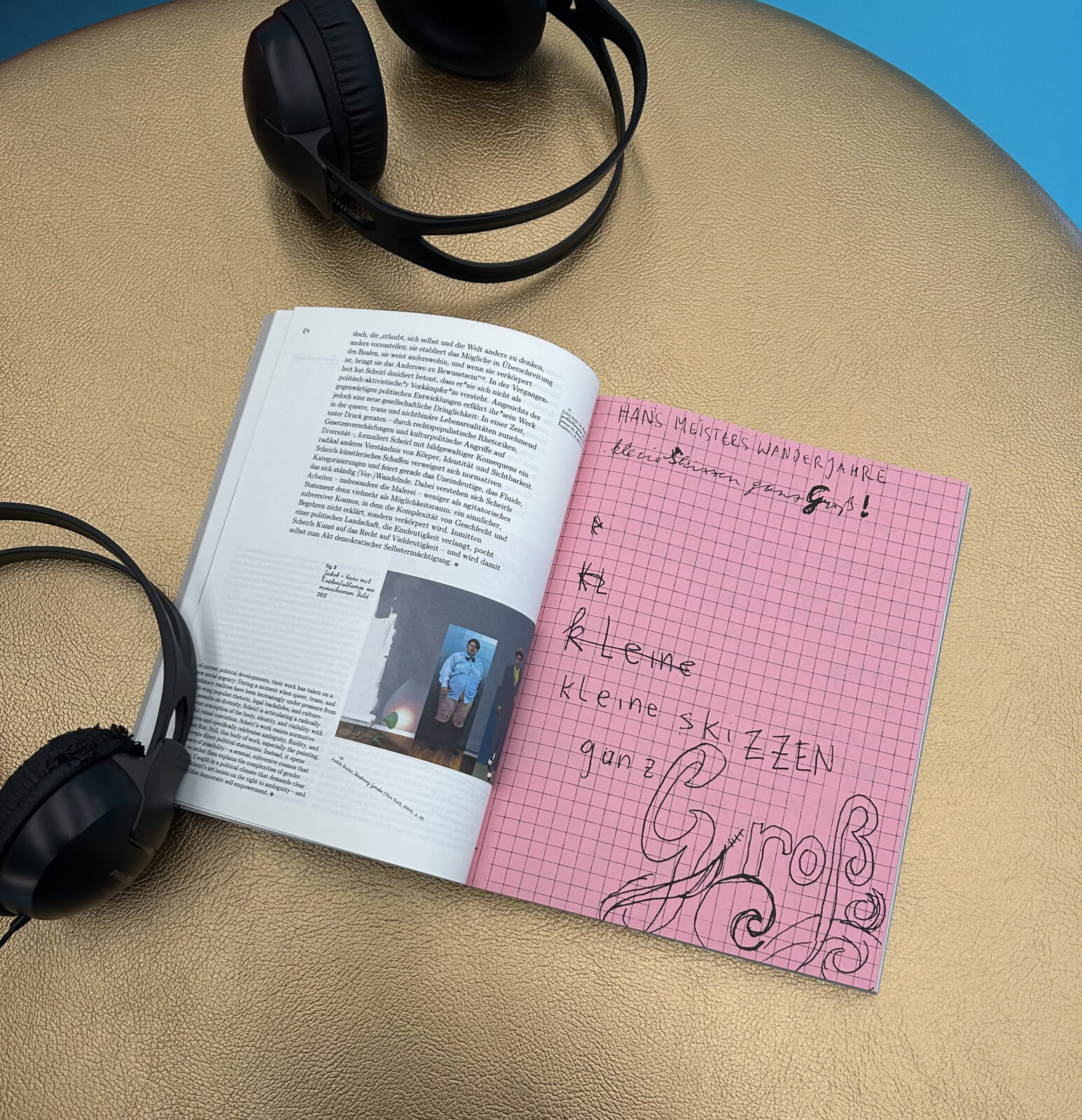
The cover is realized out of Multicolor Mirabell 350g. At the catalogues’ core, Munken Pure 100g provides a calm, uncoated foundation for Scheirl’s work, with its soft, natural feel allowing images and text to breathe. This neutrality is deliberately disrupted by the insertion of vividly colored papers: IQ Color Pink and Medium Blue 80g, alongside the striking Color STYLE Neon Yellow 80g. The effect is immediate and unapologetic.

These color accents do more than structure the book. They energise it. Pages shift suddenly from quiet reflection to saturated intensity, echoing the artist’s own visual language. 

The Return of Analogue

Only a few years ago, many market observers believed digital media would eventually replace printed books. Reality, however, tells a more nuanced story.

Today, a different movement is taking shape: the more digital our everyday lives become, the stronger our desire for analogue experiences. Designers, publishers and creatives around the world are observing this shift. On Design & Paper, it is described as a response to growing digital fatigue. 

People are seeking a conscious counterpoint to the pace of digital communication — and rediscovering the qualities of paper. Art books, in particular, benefit from this change in perspective. Where digital content is often consumed in passing, printed works create a moment of focus. The turn of a page, the weight of a book in the hand, the scent of paper: these are impressions no digital application can replace.

This renewed appreciation extends beyond the art world. High-quality magazines, limited editions, collectors’ publications and beautifully crafted books are finding a growing audience worldwide. The emphasis is shifting from simply sharing information to creating an experience. Have a look for yourself at our most beautiful art books published over the last decade.

The Art Book as a Cultural Object

Alongside this shift, the role of the book itself is changing. Increasingly, the art book is understood as a cultural object in its own right. Design, binding, paper and printing techniques come together to form a complete work of art.

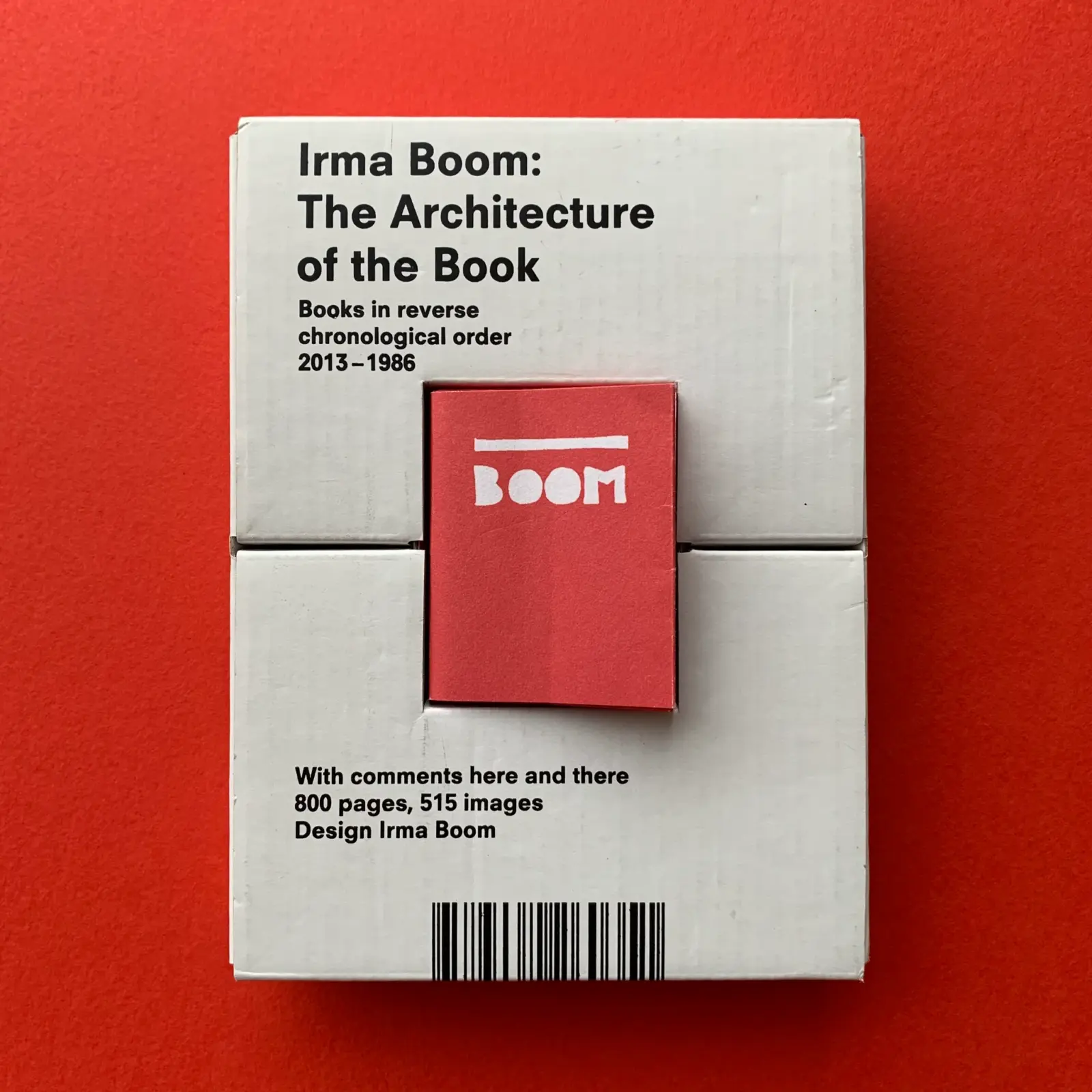
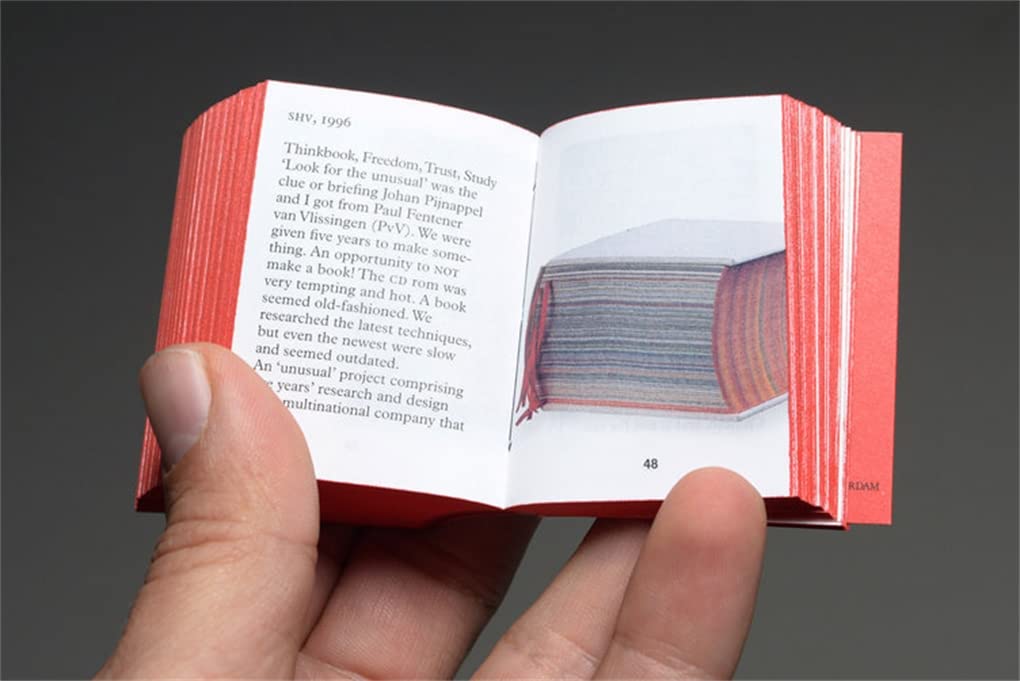
Dutch book designer Irma Boom is regarded as one of the world’s leading designers of art books. Her work demonstrates that paper is far more than a carrier of information: through material, touch and design, the book itself becomes an art object. In this way, her practice embodies the enduring appeal of high-quality print in the digital age.

Artists’ books, too, are gaining significance. They move beyond the boundaries between book, sculpture and art object, often exploring unusual formats, experimental bindings and unexpected combinations of materials. The book itself becomes the artwork.

© The Print Arkive
rma-Boom-The-Architecture-the-Book
© Amazon Books

Sustainability as a Further Driving Force

Another factor shaping the future of the art book is the sustainable development of modern paper products. Paper is made from renewable raw materials, is recyclable and forms part of a functioning circular economy. At the same time, paper manufacturers continue to invest in innovative materials, resource-efficient production processes and lasting quality.

This opens up new possibilities for publishers and designers to bring aesthetic ambition together with environmental awareness. Sustainability is no longer seen as a constraint, but as a creative impulse for new approaches to book design.
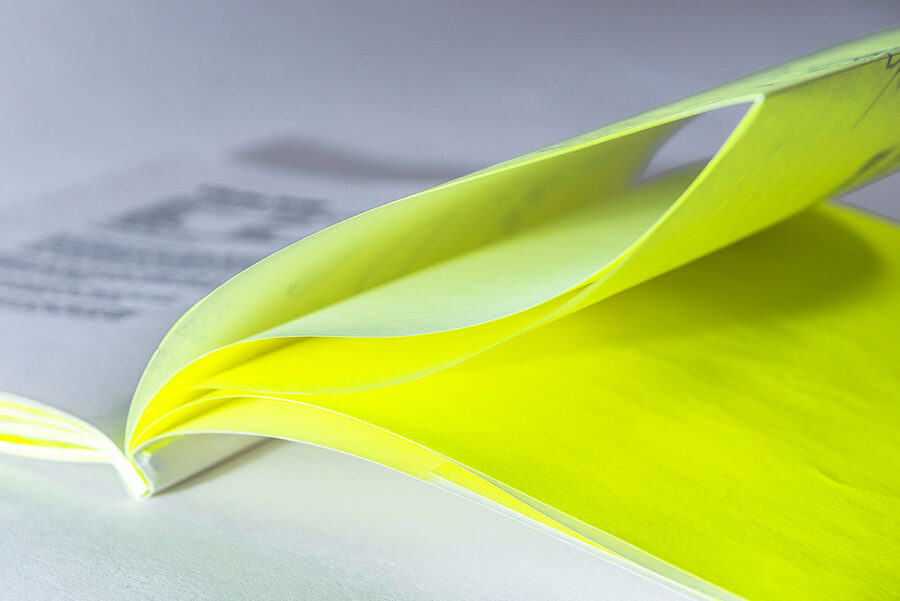
Tactile experiences, depicted in the art book Citrus Condensed © Nina King

The Future of the Art Book

The future will not be digital or analogue, but a thoughtful connection between the two. Digital channels create reach, while printed art books create experiences that stay with us. This is precisely why the outlook for high-quality art publishing is so promising. In a world where everything is constantly available, distinctiveness, materiality and exclusivity become increasingly meaningful. Art books offer just that: a slower pace, a sensory encounter and a sense of lasting value.

Paper will continue to play a central role. Not as an alternative to digital media, but as a consciously chosen medium for content that matters — and deserves to be remembered.

The art book of the future will be far more than a carrier of information. It will be a collector’s object, a design piece, a cultural artefact and a space for experience, all at once — a reminder that analogue media have lost none of their allure in the digital age.

Categories

Subscribe
Get the latest articles and news delivered straight to the comfort of your own inbox!
Subscribe
X
Subscribe
Get the latest articles and news delivered straight to the comfort of your own inbox!
Subscribe